A Sake-Fueled Walk Through Takayama’s Perfectly Preserved Old Town
Quick Essentials
- 📍 Best Time to Visit: April through May or October through November — cherry blossoms and autumn color frame the old town, and the legendary Takayama Festival falls in both windows.
- ✈️ Getting There: Search flights on Skyscanner | Fly into Nagoya Chubu Centrair, then 2 hr 20 min by JR limited express
- 🏨 Where to Stay: Browse Takayama hotels on Booking.com
- 🎟️ Don’t Miss: Six-Brewery Sake Tasting Walking Tour on GetYourGuide
- 💰 Budget Range: ¥15,000–¥30,000 ($100–$200 USD) per day for mid-range to comfortable travel
Why Takayama Belongs on Your Japan Itinerary
Everyone tells you Kyoto. And Kyoto is extraordinary — the first time. Maybe the second. But by the third visit you start noticing the crowds more than the temples, and the matcha lattes start to feel more Instagrammable than interesting.
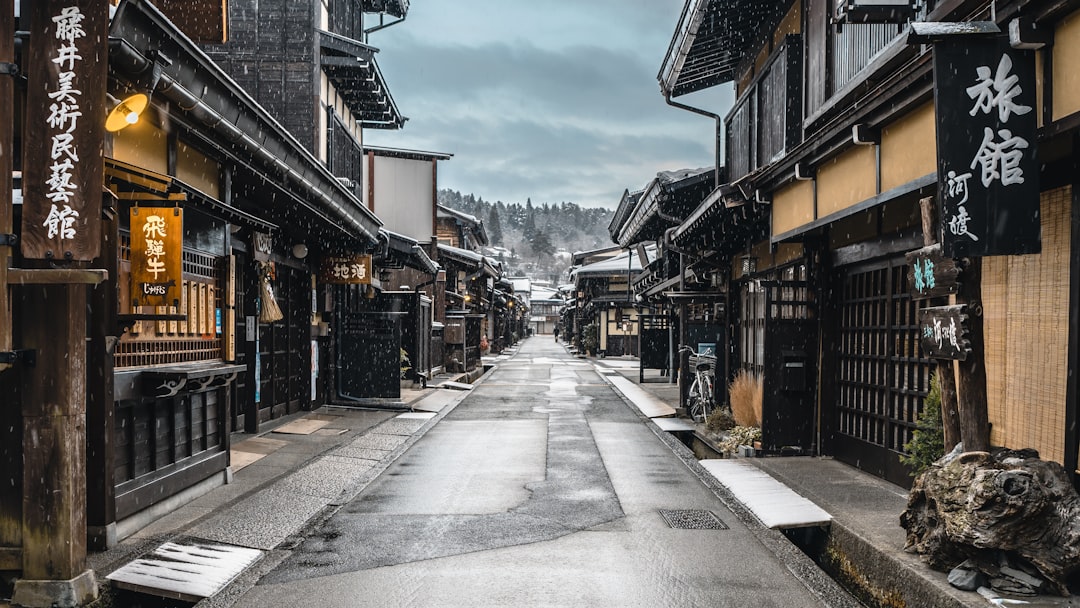
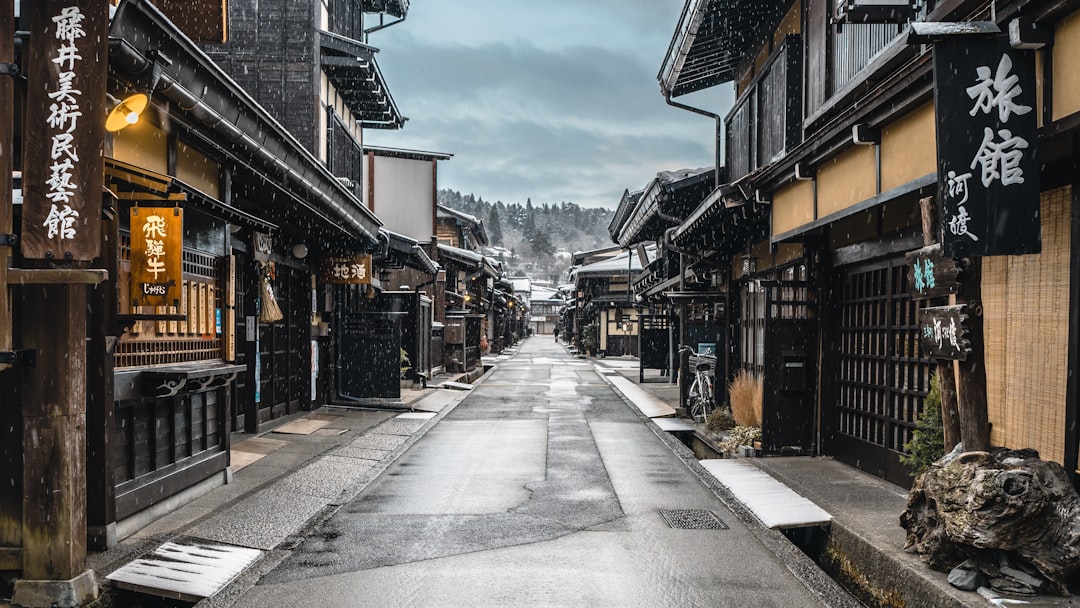
Takayama is the answer to a question you didn’t know you were asking. It sits in the mountains of Gifu Prefecture, tucked into the northern Japanese Alps at an altitude where the air runs clean and cold and the spring water is the kind that produces world-class sake almost by accident. The old town — Sanmachi Suji — is three parallel lanes of lattice-fronted wooden merchant houses from the Edo period, most of them still operational. Sake breweries, lacquerware shops, tea rooms. Not a museum. Not a reconstruction. Just a town that never had a good reason to tear itself down.
The comparison to Kyoto isn’t fair to either city. But it’s useful. Takayama delivers the same depth — the craft traditions, the seasonal food, the architecture that rewards slow attention — in a setting where you can actually hear your footsteps on the stone. And at dusk, when the tour buses have pulled away and the wooden facades glow under paper lanterns, it feels less like visiting Japan than like settling into it.
The town is small enough to walk in a single day and rich enough to fill three. That’s the tension that makes it work. You could sketch the map on a napkin — the river, the old town grid, the station — and still not run out of things worth paying attention to. It helps that Takayama never became a destination in the way that erodes what makes a place good. The breweries still brew. The market farmers still show up. The old houses are still homes.
Walking Sanmachi Suji: Edo-Era Streets, One Sake at a Time
The breweries are the best way to understand Takayama. Not because the sake is a novelty — it isn’t — but because the breweries tell you everything about what made this town work for 300 years. Cold mountain winters. Clean water from the Northern Alps. Rice from the Hida plains. These aren’t artisan hobby projects. They’re the reason the merchant class built here in the first place.
Six breweries still operate within walking distance of the old town. You’ll find them by the sugidama — a ball of tightly packed cedar boughs hanging above the entrance. When it’s green, the new sake has just been pressed. As it dries and browns over the months, the sake matures. It’s a kind of seasonal clock mounted above the door, and once you start looking for them, you see them everywhere.
Each brewery has its own character. Some lean toward dry junmai styles, all mineral clarity and a finish that reminds you of cold stone. Others produce sweeter nigori sake with a milky cloudiness that pairs with the rich local food. The six-brewery walking tour is the right way to do this — not because you need a guide, but because the guide gives you the brewing context that turns tasting into understanding. → Six-Brewery Sake Tasting Walking Tour
Most of the breweries open their doors more fully between January and March, when the shinshu — new sake — is being released. If you can time a winter visit, do. The town under snow, with steam rising from brewery vents, is one of the quietest beautiful things in Japan.
Morning Markets and Mountain Flavors
Takayama runs two morning markets, and between them they’ve been operating for over 200 years. The Miyagawa market lines the eastern bank of the Miyagawa River — sixty stalls stretched along 350 meters, mostly run by elderly farmers from the surrounding Hida highlands who bring whatever came in that morning. Vegetables you won’t recognize. Pickles fermented in the mountain cold. Sarubobo dolls — faceless little red charms — hanging from hooks like fabric garlic.
The Jinya-mae market, five minutes south on foot, is smaller and quieter. Start there if you want the early-morning hush before the Miyagawa stalls fill in. The practical move is to hit Jinya-mae at opening (7 AM from April through November, 8 AM in winter), then walk north to Miyagawa for street-food breakfast along the river. The whole loop takes ninety minutes, maybe two hours if you let yourself get pulled into conversation. Bring cash — most vendors don’t carry card readers.
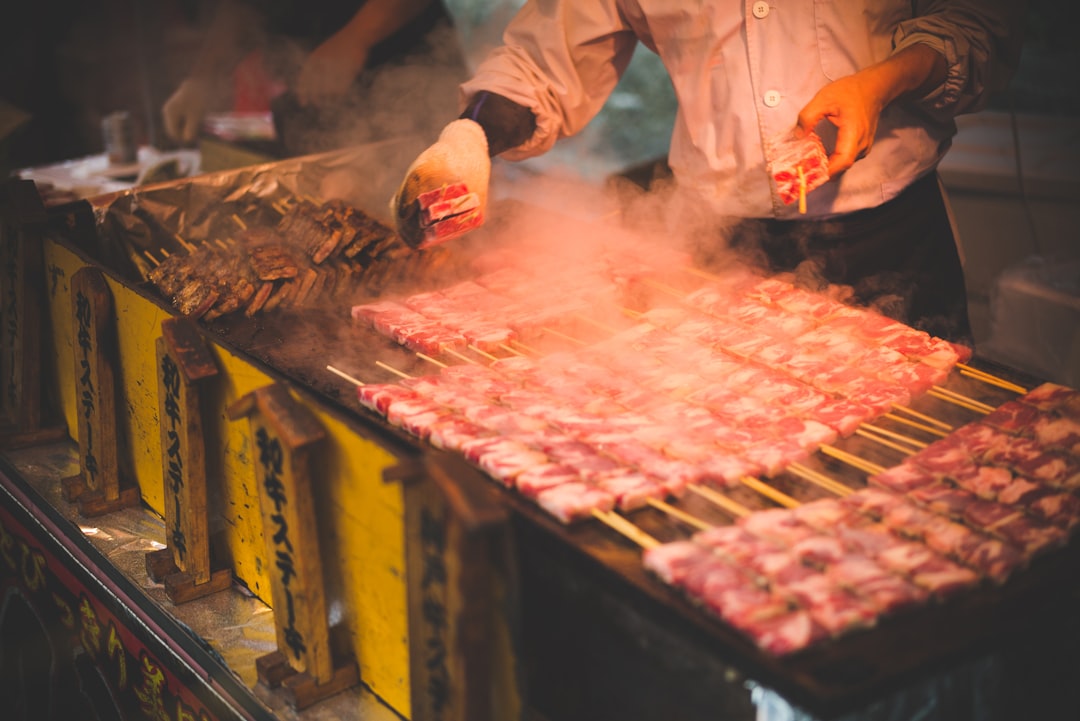
The food along Sanmachi Suji and at the markets is worth attention. Hida beef — Hida-gyu — is one of Japan’s premium wagyu brands, raised in the highland climate of the Hida region and marbled to a degree that makes Kobe nervous. You can eat it at every price point: skewers from street vendors for ¥500–1,000, sushi draped over a hand-pressed rice cracker, or a full tasting course at one of the old-town restaurants.
But the smaller things stay with you longer. Mitarashi dango — grilled rice dumplings brushed with soy-sauce glaze — runs savory here, not sweet, and you eat them standing in the street while they’re still warm. Takayama ramen is thin curly noodles in a clean soy broth, a working-class lunch that costs almost nothing and warms everything. And the tsukemono — mountain pickles, especially the red-turnip akakabura variety — are worth taking home if your luggage can handle the weight.
Beyond the Old Town
Takayama Jinya is a five-minute walk from Sanmachi Suji and easy to dismiss as a government building. It shouldn’t be. It’s the only surviving Edo-period provincial office in Japan — tatami audience halls, administrative chambers, and a rice storehouse that explains more about feudal economics than any textbook. The English audio guide is solid. What stays with you is the scale of the thing — room after room of tatami and sliding screens, all maintained in a way that lets you feel the weight of the bureaucracy that once ran these mountains from inside these walls.
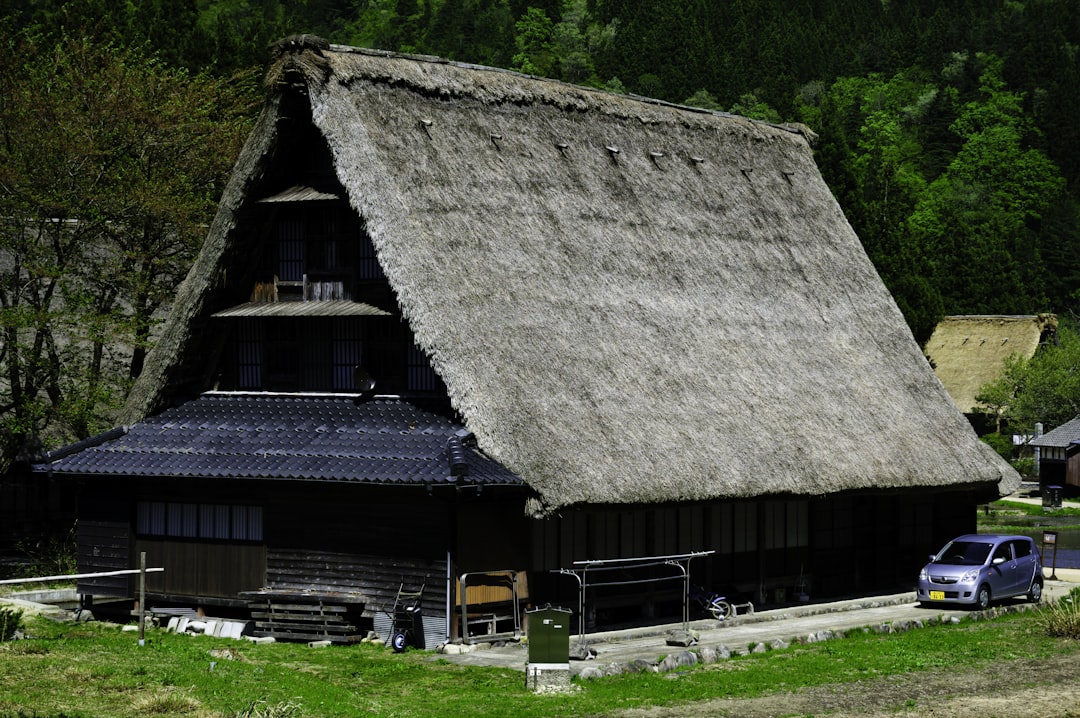
Hida no Sato, the folk village, sits on a hillside across the river and is the kind of open-air museum that actually works. Over thirty thatched-roof farmhouses — gasshō-zukuri, the steep prayer-hands style built to shed heavy snow — have been relocated here from surrounding mountain villages. Artisans demonstrate woodcarving and lacquerwork inside the houses. It takes a couple of hours, and you’ll want the time.
For something quieter, walk south along Shirakabe Dozo Street. It’s a canal-side lane of white-plastered storehouses that most visitors walk straight past on their way to Sanmachi Suji. The buildings now house antique dealers, small cafes, and craft workshops. No crowds. No skewers. Just water and stone and the sound of your footsteps.
And if you have a half-day to spare, take the JR train fifteen minutes north to Hida-Furukawa. It’s Takayama’s smaller, even quieter neighbor — carp swimming in the town canals, a candle-making workshop, and the Furukawa Festival Hall where you can see the elaborate floats used in their own matsuri. It’s the kind of side trip that justifies the detour. → Old Town & Morning Market Food Tour
Where to Stay and When to Go
Sanmachi / Old Town. Walk out the door into the Edo-era lanes. This is the atmospheric choice — close to breweries, markets, and restaurants, and quiet in the evening when the daytime visitors leave. Hotel Wood Takayama blends tatami floors with Western-style beds, and the design has enough wood and calm to feel like a modern machiya without the hard floors. → Browse Old Town hotels in Takayama
Takayama Station Area. The practical choice if you’re arriving by JR train and want luggage storage and easy connections. Honjin Hiranoya Annex is an upscale ryokan within five minutes of the platform — full kaiseki dinner, yukata robes, the real thing. → Hotels near Takayama Station
Hida Takayama Onsen District. Slightly removed from the old town, and better for it. After a day of walking and tasting, sinking into an outdoor hot-spring bath with mountain views is the right ending. Look for properties with rotenburo — open-air baths — and book a room with a view. → Takayama onsen hotels
Timing: The Takayama Spring Festival runs April 14–15, and the Autumn Festival falls October 9–10. Both are ranked among Japan’s three most beautiful festivals — twelve ornate floats, mechanical puppet performances, and an evening lantern procession through the old town that you won’t forget. The catch is that accommodation books out months in advance and prices spike. If you want the festival, book early. If you want the town to yourself, aim for the weeks just after — mid-to-late April or late October into November. The foliage is still beautiful, the sake is still pouring, and you’ll have space to breathe.
Winter has its own argument. December through February brings snow to the Japanese Alps, and Takayama wears it well — the thatched roofs and wooden storefronts look like they were designed for it, which they were. Temperatures drop below freezing, but the brewery vents steam, the ramen shops fog the windows, and the sake is freshly pressed. You’ll have the old town largely to yourself. The tradeoff is shorter daylight hours and some seasonal closures at Hida no Sato, but for the right traveler, a snowy Takayama morning is worth the cold hands.
Practical Notes
Takayama is compact. You don’t need a car, and you don’t want one — everything in the old town is walkable within fifteen minutes. The JR Takayama line connects directly to Nagoya (about two hours twenty minutes on the limited express Hida), and highway buses run to Tokyo’s Shinjuku station in five and a half hours. A Japan Rail Pass covers the train.
Cash is still king for the morning markets, most street-food vendors, and some smaller restaurants. Carry ¥5,000–¥10,000 in small bills. Convenience stores (7-Eleven, Lawson) have international ATMs.
The busiest window is 10 AM to 4 PM, when tour groups pass through Sanmachi Suji. Before and after that window, the streets belong to you.
Ready to Plan Your Trip to Takayama?
You’ve done the reading. Here’s everything you need to make it happen.