A Free Weekend in Sydney: How to Turn a Work Trip into Something That Matters
Quick Essentials
- 📍 Best Time to Visit: Late September through November — spring warmth, jacaranda in bloom, and the Bondi walk before the summer crowds arrive
- ✈️ Getting There: Search flights to Sydney on Skyscanner | Direct from Los Angeles, San Francisco, Dallas, Houston, and Vancouver
- 🏨 Where to Stay: Browse Sydney hotels on Booking.com | Our picks below
- 🎟️ Top Experience: Sydney Harbour hop-on hop-off ferry pass — the Manly ferry with extra privileges
- 🚗 Car Rental: Compare rental cars in Sydney
- 💰 Budget Range: $250–$500 AUD per day for mid-range to splurge-worthy travel
A Weekend You Didn’t Plan For
A free weekend on a work trip is a strange kind of gift. You didn’t plan for it. You didn’t request it. The meeting on Friday wrapped early or the client moved a session and suddenly Saturday and Sunday belong to you in a city you were about to fly home from. The temptation is to work through it — catch up on email, prep Monday’s deck, maybe do laundry. That’s the temptation to resist.
Sydney rewards the unhurried in a way that doesn’t require the full vacation setup. Two days is enough if you know what you’re doing. The city puts its best material right at your feet: a six-kilometer coastal walk that ends at an ocean pool, a ferry system that doubles as the best sightseeing tour in Australia, and a restaurant on the water that will probably still be the best meal you have this year. None of it takes a week. All of it benefits from not being rushed.
The other thing about a stolen weekend — and this is the part nobody tells you — is that you’re already time-shifted. You’ve been in Sydney three or four days. Your body has mostly figured out what day it is. You’re not going to spend the weekend wrecked the way you would if you’d just arrived. That’s a small miracle, and it makes the weekend longer than it looks on paper.
First, Deal With the Jet Lag
If you’ve been in Sydney all week for work, skip this section. You’ve already won the hard part.
If the free weekend lands right after you arrive — which is the crueler version of this gift — the rule is light and timing. Sydney is fifteen hours ahead of the U.S. East Coast and eighteen ahead of the West Coast, which means when you land in the morning you’ve skipped a night and your body thinks it’s bedtime in the afternoon. The temptation is to nap. Don’t. Naps are the thing that breaks the reset.
Get outside before 9am. Walk along the harbor. The morning light does more than coffee. Eat breakfast at a café that’s already busy with locals — in Sydney that’s easier than it sounds because the café culture here runs on 7am starts. Move for most of the day. Eat dinner at a reasonable Sydney hour, which means 7 or 7:30, not 5:30. Go to bed at 10pm local time and let your body do the work overnight.
Day two you’ll feel the dip around 3pm. That’s the one where the ocean swim helps. Icebergs at Bondi and Bronte Baths both work. Cold water in late morning is better than coffee in the afternoon, and Sydney has made this easy.
Where to Stay (and Why It Matters for Two Days)
For a weekend this short, accommodation is strategy, not comfort. You want to walk out the door and be where the good stuff is. That rules out the airport hotels and the conference-center Marriotts where you’ve probably been staying during the week. If you have any flexibility at all, change rooms for Friday and Saturday night.
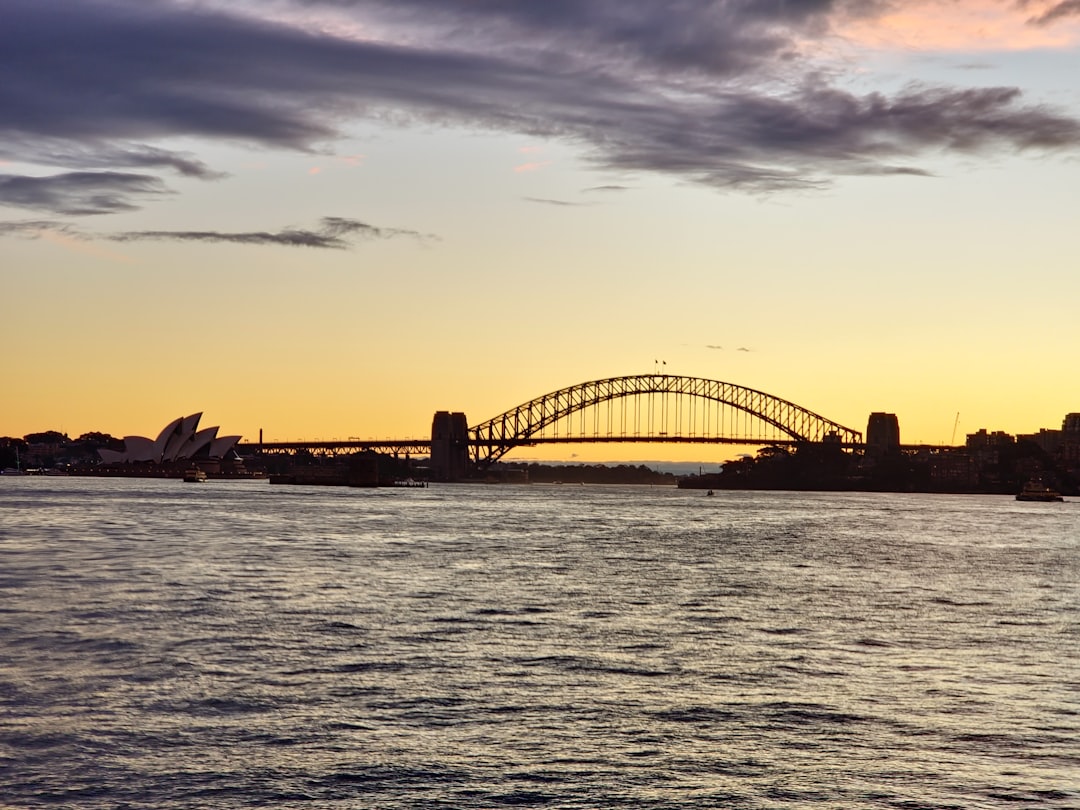
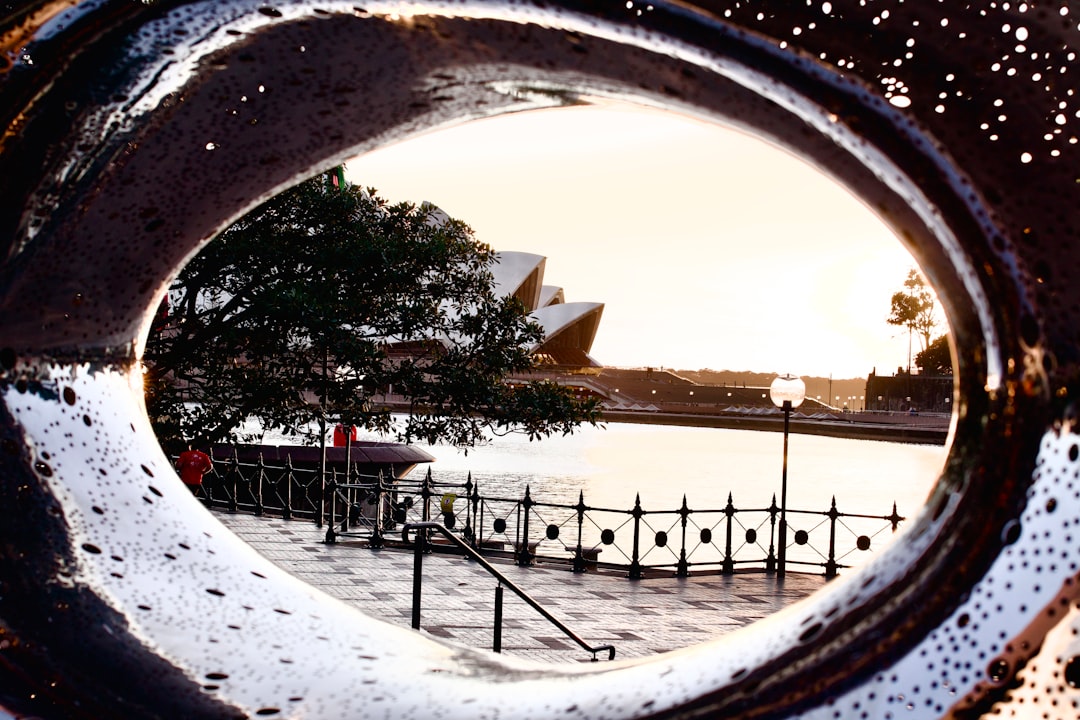
The Rocks / Circular Quay is the obvious play. Step out of a hotel here and the Opera House is in front of you, the Harbour Bridge is on your right, and the ferry terminal is a three-minute walk. Every iconic Sydney moment is on foot before breakfast. → The Rocks and Circular Quay hotels on Booking.com
The splurge pick is the Park Hyatt Sydney, which sits right on the water with direct Opera House views from the rooms that face the harbor. Book the corner suite and you can watch the morning ferries from bed. If that’s out of range, Pier One Sydney Harbour is built directly over the water beneath the bridge — less polished, more character — and costs less.
Potts Point is the quieter counter-move. Ten minutes from the CBD on the train, anchored by a strip of genuine neighborhood restaurants along Macleay Street, and staffed with the kind of Art Deco apartment buildings that make a walk to breakfast feel like an event. The Old Clare Hotel and Spicers Potts Point sit in the mid-range tier here. → Potts Point boutique hotels on Booking.com
If the coastal walk is the centerpiece of the weekend, sleep near it. Bondi or Bronte puts you two minutes from the trailhead. QT Bondi is the stylish pick at Bondi; Bronte has quieter guesthouses and better cafés. The tradeoff is a longer trip back to the harbor, but when you wake up at 6:30 and the ocean is thirty steps away, you understand why people live out here.
The Coastal Walk from Bondi to Coogee
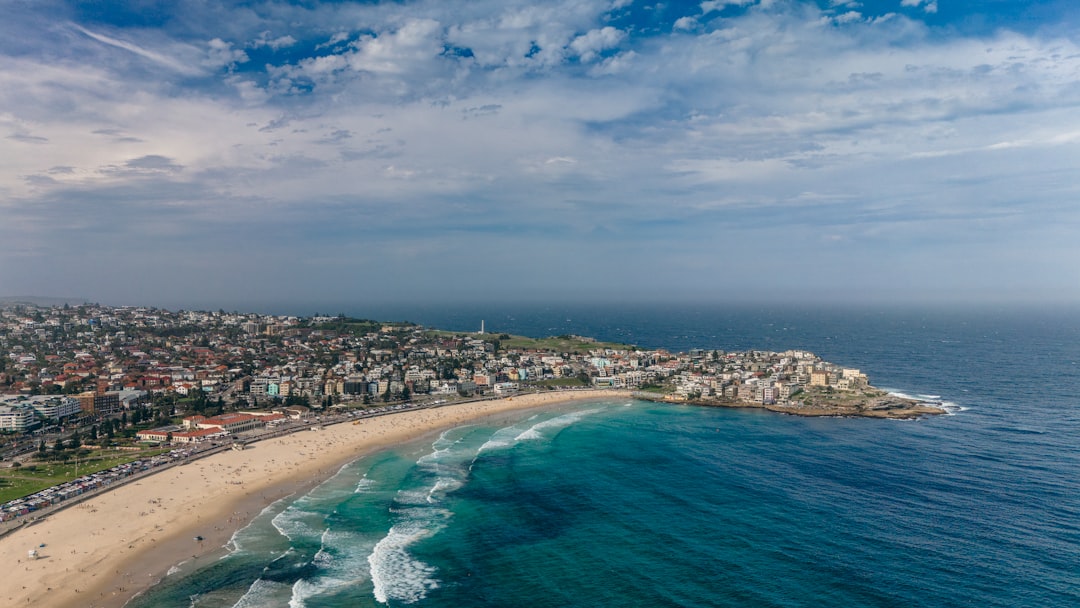
This is the thing you do with a Saturday morning in Sydney. Six kilometers of cliff path along the eastern beaches, starting at Bondi and ending at Coogee, with five beaches, three ocean pools, and a handful of cafés along the way. The walk is why people who visit Sydney for the first time end up talking about Sydney for the next five years.
Walk it south — Bondi to Coogee, not the other way around. The reason is simple: the light is at your back for most of the route, and Coogee is the better place to finish because the café and swimming options are stronger and the bus back to the city is easy. The whole walk takes about two hours at a normal pace. Three if you stop properly, which you should.
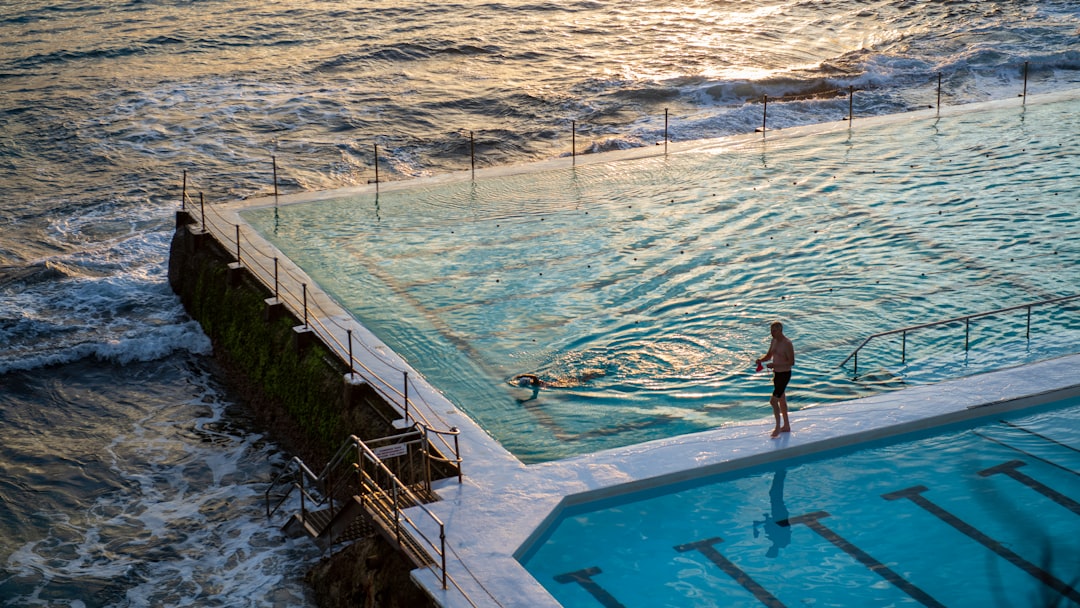
The first stretch from Bondi to Tamarama is the famous one — the piece that gets photographed and the stretch that hosts the Sculpture by the Sea exhibition in October and November. Stop at Bondi Icebergs, the red-roofed ocean pool at the southern end of Bondi Beach, and either swim or order a coffee on the deck. You can pay to swim in the pool itself if you want the iconic version; the free options at Bronte Baths and McIver’s Ladies Baths (women and children only) are just as good and quieter.
Keep going past Tamarama and Bronte and you hit Waverley Cemetery, the headland graveyard with Victorian-era headstones facing the Pacific. It’s an extraordinary place — the kind of detail that elevates the walk from scenic to memorable. From there the path continues past Gordons Bay (a protected snorkeling spot — bring goggles if you’re curious) and finishes at Coogee Beach, where you’ll want to eat. Three Blue Ducks is further back up the coast at Bronte; at Coogee, the Pavilion does a proper lunch.
A guided version of the walk with a local runs about two hours and is worth considering if you want context for the rock formations, the Aboriginal heritage of the area, and the reasons behind the specific placement of every ocean pool. → Bondi coastal walk guided tour on GetYourGuide
Cross the Harbour by Ferry
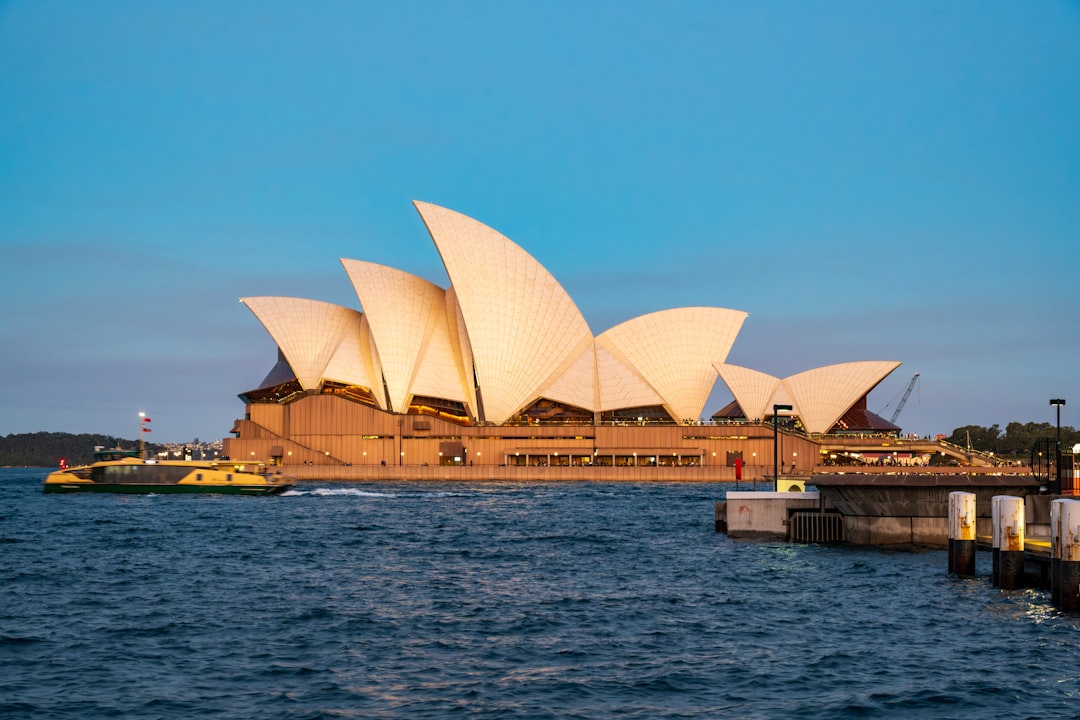
Sydney Harbour is best seen from the water, and the cheapest way to do that is the public ferry. A Manly ferry ticket is about eight dollars. The ride is thirty minutes. It leaves every half hour from Circular Quay. And it is, without qualification, one of the great public-transit experiences in the world.
Take the F1 ferry — the bigger boats, not the fast ferry. The slow one is the point. You leave Circular Quay with the Opera House on your right and the Harbour Bridge on your left, pass Fort Denison on the old prison island in the middle of the harbor, thread between the Heads where the Pacific meets the bay, and dock at Manly thirty minutes later.
At Manly, walk five minutes across the Corso to the ocean side. Manly Beach is a proper surf beach, completely different in feel from Bondi — wider, less intense, more local. Grab a beer at the Manly Wharf Hotel on the way back, watch the late-afternoon swimmers, and catch the ferry back to the city at dusk. The return trip with the sun setting behind the CBD skyline is the moneyshot. Bring a jacket — it gets cold on the deck, even in spring.
If you want the guided version, the hop-on hop-off harbour ferry pass lets you swap the Manly round-trip for a longer itinerary — Taronga Zoo, Watsons Bay, Darling Harbour — all on the same ticket. Worth it if you have a full day to give the harbor. → Sydney Harbour hop-on hop-off ferry pass on GetYourGuide
The underrated stop is Watsons Bay, right at the harbor’s mouth. The ferry gets you there in about twenty-five minutes from Circular Quay. Doyles on the Beach does fish and chips at the water, and the ten-minute walk up to The Gap gives you the open Pacific from a 300-foot sandstone cliff. That view is the one that reminds you how big the ocean is.
Dinner at Quay

Book this before you fly. I mean it. Quay, Peter Gilmore’s restaurant at the Overseas Passenger Terminal, sits at the north end of Circular Quay with a full-height window that looks directly at the Opera House and the Harbour Bridge. The room itself is a performance. The food is the reason to go.
Gilmore has been running Quay for over twenty years, and the kitchen has settled into a kind of quiet confidence that restaurants only reach after they’ve stopped needing to prove anything. The tasting menu is built around native Australian ingredients — bush tomato, finger lime, Moreton Bay bug, wattleseed — handled with French precision. The snow egg dessert is the famous one: a poached meringue filled with vanilla custard, served with whatever fruit is in season, and you’ll understand why it’s famous the moment you tap it open.
Book six weeks out if you’re going on a Saturday night. The window tables are the ones to ask for; Quay will seat you anywhere in the room and the food is the same, but if you can get the view, get the view. Dress code is smart — not a suit, but not what you wore on the coastal walk either.
If Quay is full or out of budget, the alternative in the same category is Bennelong, inside the Opera House itself, which gives you the view from the other direction. The food is excellent. The room is arguably more dramatic. Saturday nights book up just as fast.
One More Thing: The Morning Swim
Before you fly out, do one more swim. Bondi Icebergs opens at 6am. The water is cold — in spring it’ll be around 18°C, which is the Australian definition of refreshing and the American definition of bracing — and the sunrise from the pool deck is the best quiet moment Sydney offers. There’s a kiosk for coffee afterward. You’ll be at the airport by 11.
A weekend in a city you didn’t plan to have a weekend in is a kind of reset that normal vacations don’t deliver. You’re not managing expectations. You’re not checking things off. You’re just there, briefly, doing the best version of what the city offers. Sydney is particularly good at being that city. Book the flight back for Sunday evening, not Sunday morning. Give yourself the full weekend. It’s worth it.
Ready to Plan Your Trip to Sydney?
You’ve done the reading. Here’s everything you need to make it happen.
Best time to visit: Late September through November — spring warmth, jacaranda in bloom, and the Bondi walk before the summer crowds arrive.
✈️ Getting There
Search flights to Sydney on Skyscanner
🏨 Where to Stay
Potts Point boutique hotels — mid-range, leafy Art Deco streets, real neighborhood feel
The Rocks and Circular Quay hotels — splurge pick, Opera House and Harbour Bridge on foot
🎟️ What to Book in Advance
Some links in this post are affiliate links. If you book through them,
CuriosityTrail earns a small commission at no extra cost to you.
Recommendations are chosen on merit; commissions never decide what’s included.