Visiting Hobart, Australia: A Complete Guide
Quick Essentials
- ✈️ Flights:
Search flights to Hobart
| Direct from Melbourne, Sydney, and Brisbane (1–2 hours) - 🏨 Hotels:
Browse hotels in Hobart
| Salamanca and Battery Point — our picks below - 🎟️ Top Experience:
MONA museum entry + ferry from Hobart
- 🚗 Car Rental:
Compare rental cars in Hobart
Hobart doesn’t announce itself. You fly in over the Derwent estuary, kunanyi looming like a set piece, and then you’re just — there. A city small enough to walk end to end in thirty minutes, compact enough that the museum, the market, the waterfront restaurants, and the mountain are never more than a short drive from each other. That compression is the point. It means you spend your time doing things, not getting between them.
What makes Hobart interesting now is the tension between old and new. The sandstone warehouses at Salamanca are Georgian-era, built by convict labour. The restaurant inside one of them serves wallaby with native herbs on hand-thrown ceramics. MONA — David Walsh’s deliberately provocative private museum — sits twelve minutes upriver by fast ferry, houses ancient Egyptian sarcophagi alongside a machine that turns food into excrement, and has no wall labels whatsoever. This is a city where the colonial past and the aggressively contemporary sit so close together they practically vibrate.
If you’ve already done Sydney and Melbourne — and done them well — Hobart is the destination that rewards a different kind of attention. Slower days. Longer meals. The willingness to follow a recommendation down a quiet street.
MONA: The Museum That Refuses to Behave
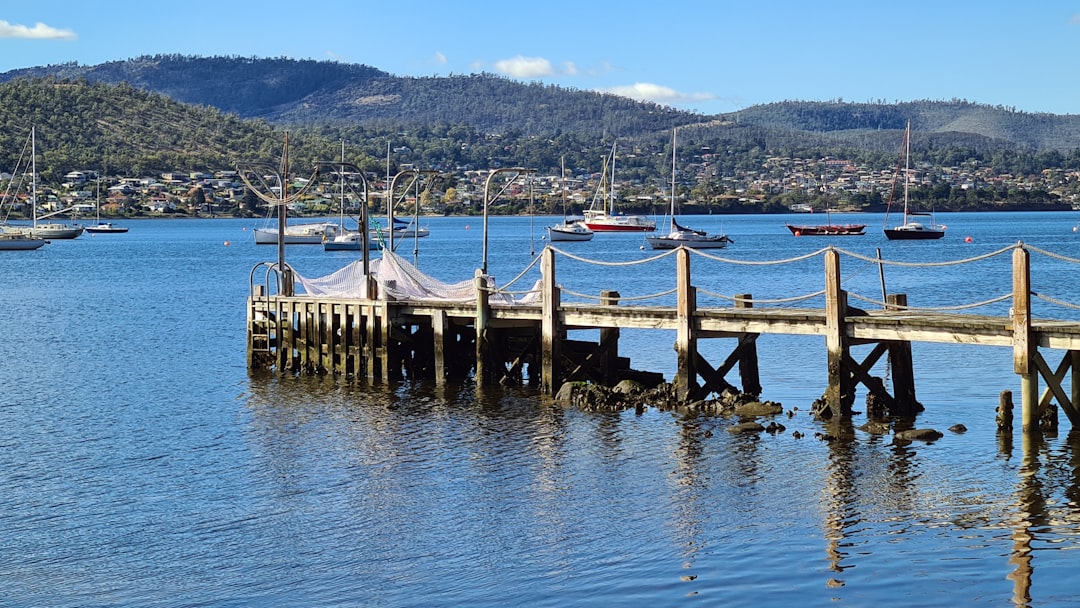
The high-speed catamaran from Brooke Street Pier is part of the experience. It has a bar. The seats are mismatched and artful. The thirty-minute ride gives you the Derwent River — the city receding behind you, the museum’s concrete bunker architecture growing ahead. Arrive by car if you must, but you’ll miss the approach.
MONA itself descends into the earth. You take a lift down three stories and then spiral upward through the collection. There are no wall labels, no room descriptions, no suggested route. Instead, you carry “The O” — a location-aware device that detects what you’re standing near and delivers artist interviews, provocations, context. You can tap “love” or “hate” on every work. It fundamentally changes how you engage — you’re not passively reading plaques. You’re arguing with the museum.
The collection is genuinely confronting. Ancient artifacts beside shock-value contemporary installations. A room full of coins next to something that makes you uncomfortable in a way you can’t quite articulate. Walsh built the place as what he calls “a subversive adult Disneyland” and that’s about right — it’s thrilling, occasionally juvenile, deeply weird, and unlike anything else you’ve visited.
Plan three to five hours. Longer if you eat on-site. The Source Restaurant, perched above the grounds with views over the Moorilla vineyard and the river, runs a seasonal menu built entirely around Tasmanian produce. The wine list is Moorilla’s own — made on the property, poured with the kind of casual authority that only comes from the winemaker being your neighbour. Book MONA ferry + museum entry
Eating Your Way Along the Waterfront
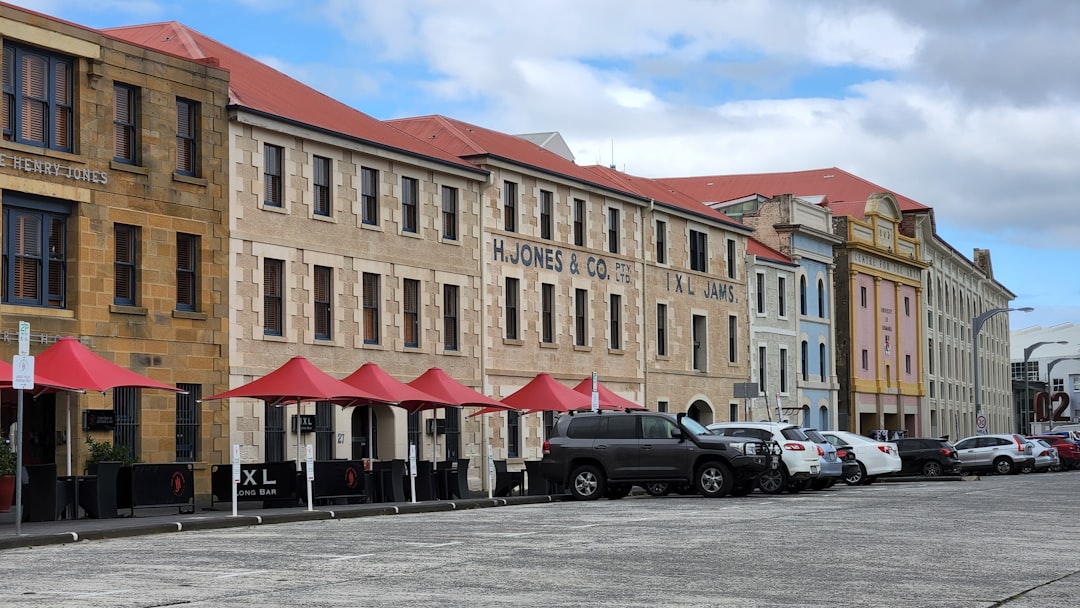
The waterfront dining strip between Salamanca and Brooke Street Pier is where Hobart’s food philosophy becomes tangible. This is a city where “local” isn’t a marketing word — it’s a geographic fact. Farms are twenty minutes away. Fishing boats dock within sight of the restaurants they supply. The produce is Tasmanian because the Bass Strait makes importing anything from the mainland genuinely expensive.
ALØFT sits above Brooke Street Pier — yes, above the ferry terminal — and runs a nine-course degustation that changes with whatever arrived that morning. Hyperlocal, intensely seasonal, and one of Australia’s quietly extraordinary fine-dining experiences. Book well ahead.
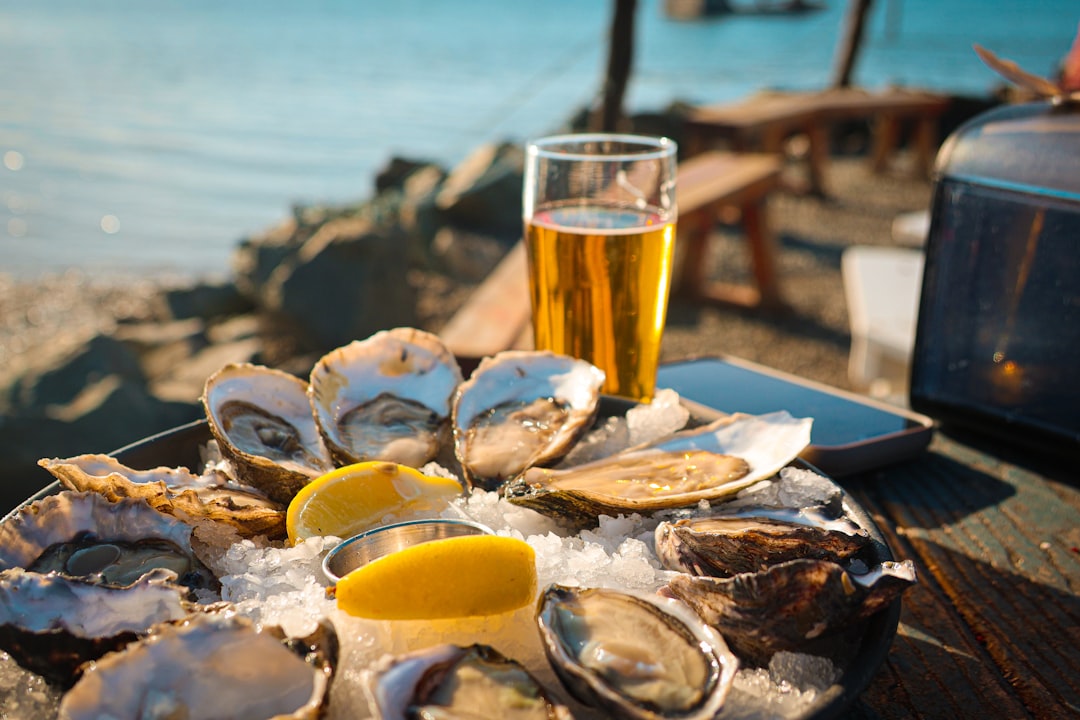
Restaurant Maria does punchy share plates: Bruny Island oysters with wild fennel pollen mignonette, wallaby with macadamia hummus, things that sound adventurous but land with precision. The wine list skews Tasmanian and natural.
Landscape, housed in the old IXL Jam Factory, cooks over an asado grill fuelled by seasoned cask timber. The smoke is part of the flavour profile. It’s theatrical without being performative — the fire is doing real work.
For something less structured, the Salamanca Saturday market is three hours of Tasmanian cheese, smoked salmon, cider, and conversation with the people who made all of it.
Saturday at Salamanca Market
There’s a rhythm to Saturday morning in Hobart. By 8:30 the sandstone warehouses along Salamanca Place have stalls running their entire length — maybe three hundred vendors, ranging from working farms to artists who’ve been holding the same spot for decades.
This isn’t a tourist market grafted onto a city. It’s the real thing: the stall selling Bruny Island cheese has been supplying local restaurants all week. The cider you’re sampling is fermented a forty-minute drive south in the Huon Valley. The leatherwood honey tastes like nothing else because leatherwood only grows in Tasmanian rainforest.
Move slowly. Buy what you’ll eat that day. The flat whites here are excellent — the café culture in southern Tasmania has absorbed Melbourne’s coffee intensity without Melbourne’s pretension.
Day Trip: Port Arthur and the Tasman Peninsula
The drive southeast takes about ninety minutes. It’s worth the full day. The route alone — past Dunalley’s oyster farms, through the quirky settlement of Doo Town (where every house name contains “Doo”: Xana-Doo, Love Me Doo, Doo Drop Inn) — sets a tone that’s part heritage, part absurdist coastal.
Port Arthur Historic Site is convict history at its most concentrated and most sombre. Over thirty buildings and ruins from one of Australia’s earliest and harshest penal settlements. It’s heavy in the right way — the kind of history that earns its preservation without needing to sensationalise. The grounds are beautiful in that complicated way places of suffering can be when enough time has passed and the gardens have grown in.
On the way back, stop at Port Arthur Lavender. Seven hectares of lavender fields overlooking the coast, a working distillery, and a café that does things with lavender you didn’t know you wanted. The ice cream is surprisingly complex — not just floral, but herbal, almost savoury. Peak bloom runs December through February, but the café and distillery are year-round. Port Arthur & Tasman Peninsula day tour
The Tasman Peninsula’s coastal geology is the other draw: Tasman’s Arch, the Tessellated Pavement, the Waterfall Bay clifftop walk (two kilometres, easy grade, spectacular drop to the Southern Ocean). These are short stops — fifteen to thirty minutes each — but they add up to a day that moves between human history and deep geological time.
Where to Stay: Three Neighbourhoods, Three Speeds
Salamanca / Waterfront — the obvious base and it’s obvious for good reason. Walking distance to the ferry pier, the market, the restaurant strip, and the harbour. The Henry Jones Art Hotel occupies a converted jam factory and fills the walls with Tasmanian art. Salamanca Wharf Hotel is contemporary apartments with enough kitchen to handle a market haul. Browse Salamanca waterfront hotels
Battery Point — one street back from Salamanca, a different century. Cobblestone lanes, heritage cottages, the kind of quiet that means you hear birds instead of traffic. It’s a ten-minute walk to everything but feels like its own village. Best for travellers who want a base that’s calm after a day of stimulus. Battery Point apartments and cottages
Hobart CBD — if you want the full-service hotel experience, MACq 01 sits directly on the harbour with rooms themed around Tasmanian stories. The Tasman, a Luxury Collection property, gives you heritage architecture with contemporary interior. Both are within walking distance of everything. Hobart CBD waterfront hotels
When to Go (and When to Come Back)
December through April is the window. But within that range, there are choices.
December–February: Peak summer. Lavender fields in bloom. Long evenings — sunset around 9pm in December. Taste of Summer festival on the waterfront over New Year’s with fireworks over the Derwent. This is high season; book ALØFT and The Source well ahead.
March–April: Autumn. The crowds thin. Harvest season means the market stalls are at their most abundant. The deciduous trees around Battery Point turn. Slightly shorter days, but the light is softer and the produce arguably peaks.
June (if you want weird): Dark Mofo, MONA’s winter arts festival. The Nude Solstice Swim at dawn. The Winter Feast. Large-scale installations that take over the waterfront. It’s cold, confronting, and genuinely memorable. Pack layers and an open mind.
Plan Your Trip to Hobart
Best time to visit: December through April — long summer evenings, peak produce season, and lavender in bloom on the Tasman Peninsula.
✈️ Getting There
Search flights to Hobart on Skyscanner
🏨 Where to Stay
-
Salamanca Wharf Hotel — contemporary apartments steps from the market and ferry pier
-
MACq 01 Hotel — luxury storytelling hotel directly on the harbour
🎟️ What to Book in Advance
-
MONA museum entry + ferry from Hobart
-
Port Arthur Historic Site & Tasman Peninsula day tour
-
Hobart waterfront food walking tour
📦 Pack Right
Icebreaker Merino 200 Oasis base layer
— Tasmanian weather shifts fast; a merino layer handles everything from summer evenings to winter gallery days.
Some links in this post are affiliate links. If you book through them,
CuriosityTrail earns a small commission at no extra cost to you.
Recommendations are chosen on merit; commissions never decide what’s included.