Return to Florence: What to Do When You Think You’ve Seen It All
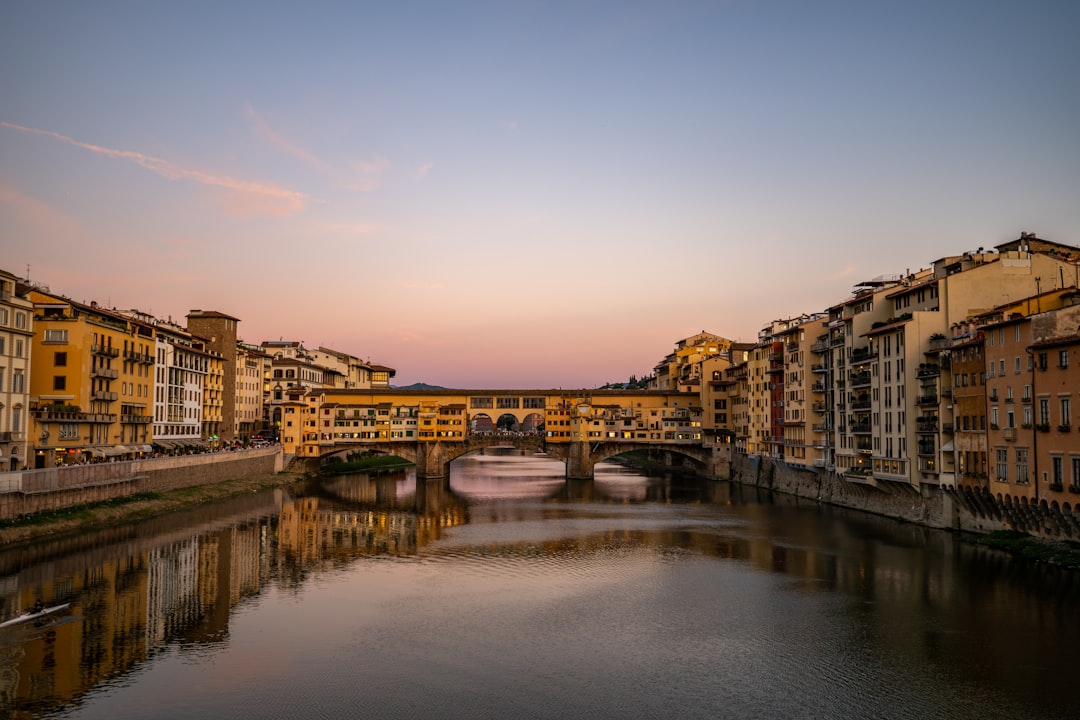
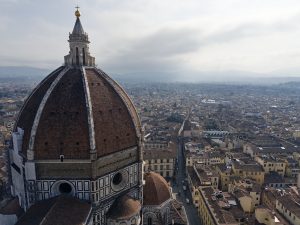 Photo by Steve Huston
Quick Essentials
- 📍 Best Time to Visit: Late September through October — the summer crowds vanish, hotel rates drop, and the autumn light turns every piazza into something worth stopping for.
- ✈️ Getting There: Search flights on Skyscanner | Direct from New York (JFK), Toronto, and most major European hubs
- 🏨 Where to Stay: Browse Florence hotels on Booking.com
- 🎟️ Don’t Miss: Oltrarno artisan and wine-windows walking tour on GetYourGuide
- 💰 Budget Range: $180–$350 per day for comfortable mid-range to splurge travel
You’ve Already Been. Go Back Anyway.
Florence is the city everyone visits once and thinks they’ve finished. You’ve stood in front of the David, shuffled through the Uffizi, eaten a lampredotto sandwich you weren’t sure about, and crossed the Ponte Vecchio while trying not to elbow a stranger. You’ve done Florence. Or so you told yourself on the flight home.
Here’s what nobody mentions: Florence doesn’t reveal much to people in a hurry. The first trip is a series of checkboxes — magnificent checkboxes, but checkboxes all the same. The second trip, if you let it, is where the city actually starts talking to you. Not louder. Slower.
The Florence worth carrying around in your head has almost nothing to do with the Uffizi queue. It’s the sound of an espresso cup hitting a marble counter at 7:30 in the morning. It’s the way the Oltrarno workshops smell — leather and wood glue and something slightly burnt. It’s the unfinished Michelangelo sculptures that most people walk past on their way to David, and the strange, private feeling of standing with them for ten full minutes.
This is a guide for the return trip. Or for the traveler who wants to skip the first-timer phase entirely.
The Accademia, Revisited
Most guides tell you how to skip the line at the Accademia. I’m going to tell you why to slow down once you’re inside.
Yes, the David is there, and he’s still extraordinary — the veins in his hand, the way the marble seems to hold actual tension in the neck. But the Accademia has a quieter argument to make, and it happens in the hallway leading up to him.
Michelangelo’s Prisoners — four half-finished figures still partially trapped in their marble blocks — are some of the most unsettling things in any museum in Italy. You can see the chisel marks. You can feel the moment he stopped. Whether he abandoned them on purpose or simply moved on is a debate that’s lasted centuries, and standing in front of them is the closest you’ll get to watching someone create in real time, five hundred years late.
Then there’s the Hall of Musical Instruments, which most visitors never reach. The Medici family’s collection includes a Stradivarius and what is widely considered the first piano ever built — Bartolomeo Cristofori’s instrument, dating to around 1700. The room is usually empty. It shouldn’t be.
Go early — Wednesdays and Thursdays between 8:15 and 9:00 AM are the quietest. Book a timed-entry ticket in advance, and give yourself at least ninety minutes instead of the forty-five most people allow. Accademia Gallery skip-the-line guided tour
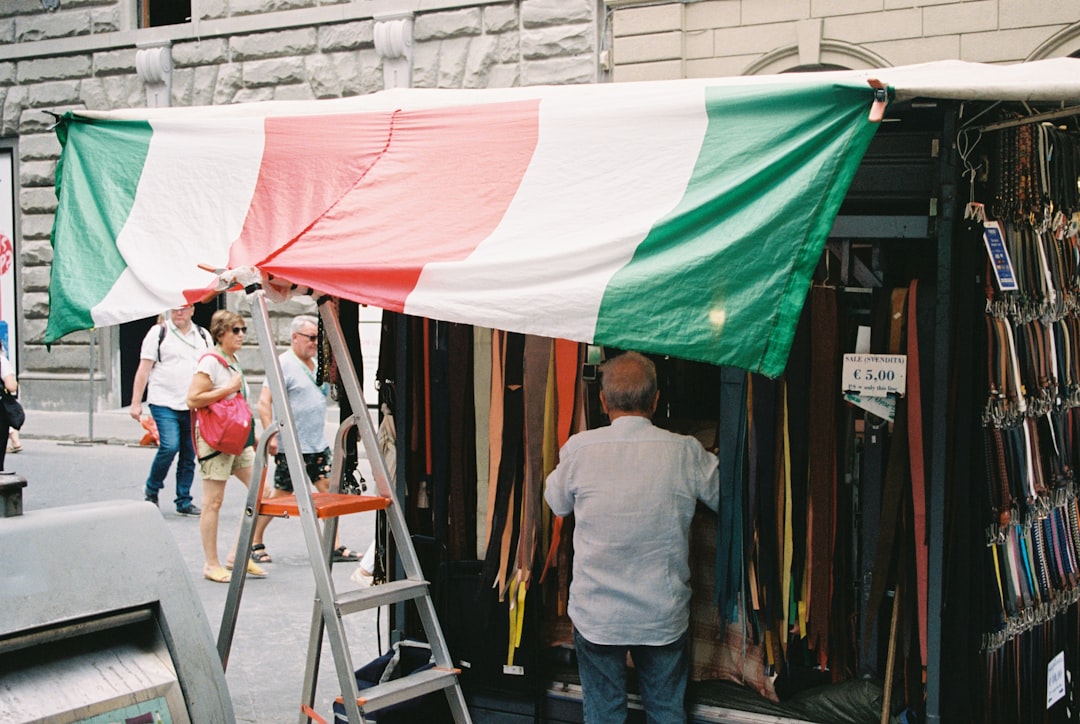
The Morning Espresso Ritual
There is a specific pleasure in walking into a Florentine café before eight o’clock, standing at the bar — always standing — and ordering un caffè. Not a latte. Not a cappuccino after noon. Just the short, dark, bitter anchor of an Italian morning.
Caffè Gilli is where to go when you want to feel like you’re borrowing someone’s century. It’s been here since 1733, all wood panels and chandeliers and the particular hush of a place that has served enough coffee to stop counting. The espresso is good, not trendy. The pastries in the glass case are better than they look.
If third-wave is more your speed, Coffee Mantra in Santo Spirito does single-origin pours with beans from local Gearbox Roasters. Giovanni and Laura opened it in 2018 and it’s become a genuine neighborhood fixture — not a tourist café with “artisan” on the chalkboard, but a place where the regulars know each other’s orders.
Either way, the ritual matters more than the venue. Stand at the counter. Pay €1.20. Watch the barista. Walk outside into the light. Repeat tomorrow.
Wandering the Oltrarno Without a Plan
Cross the Arno heading south and Florence changes key. The Oltrarno — literally “beyond the Arno” — is the side of the city the Medici chose when they wanted to stop working and start living. They moved to Palazzo Pitti, and the artisans followed: goldsmiths, bookbinders, metalworkers, glassblowers. Many of those workshops are still there, run by families who measure their tenure in generations, not years.
The best way to experience the Oltrarno is to not have a plan. Start at Piazza Santo Spirito in the morning, when the little market is out and the church façade — famously unfinished — looks better than any completed marble front in the city. Grab a coffee. Sit on the church steps if they’re dry. Let the neighborhood set the pace.
Walk south into the side streets and you’ll find workshops with their doors open — a bookbinder hand-stitching journals, a goldsmith at a workbench the size of a school desk, a leather artisan who will talk to you about hides for thirty minutes if you ask a single question. This is the Florence that exists between the monuments, and it’s best found by wandering. Oltrarno artisan and wine-windows walking tour
Bardini Gardens deserve a full section of their own, but I’ll say this: they’re the Boboli Gardens without the crowds and with better views. Terraced pathways, elegant staircases, and a panoramic viewpoint over the city that earns its reputation honestly. If Piazzale Michelangelo feels overrun (it often does), come here instead.
And if you keep walking west into San Frediano, you’ll find what Lonely Planet called one of the coolest neighborhoods in the world — which, for now, still feels almost entirely untouched by tourism. Village atmosphere. Actual neighbors talking to each other. The kind of place where you stop for a glass of wine at 5pm and don’t leave until 8.
Eating Like You’ve Been Here Before
Florentine food is not subtle. It’s offal and olive oil and thick-cut steak and bread without salt. The city rewards people who eat with confidence and a certain willingness to try the thing the waiter didn’t explain very well.
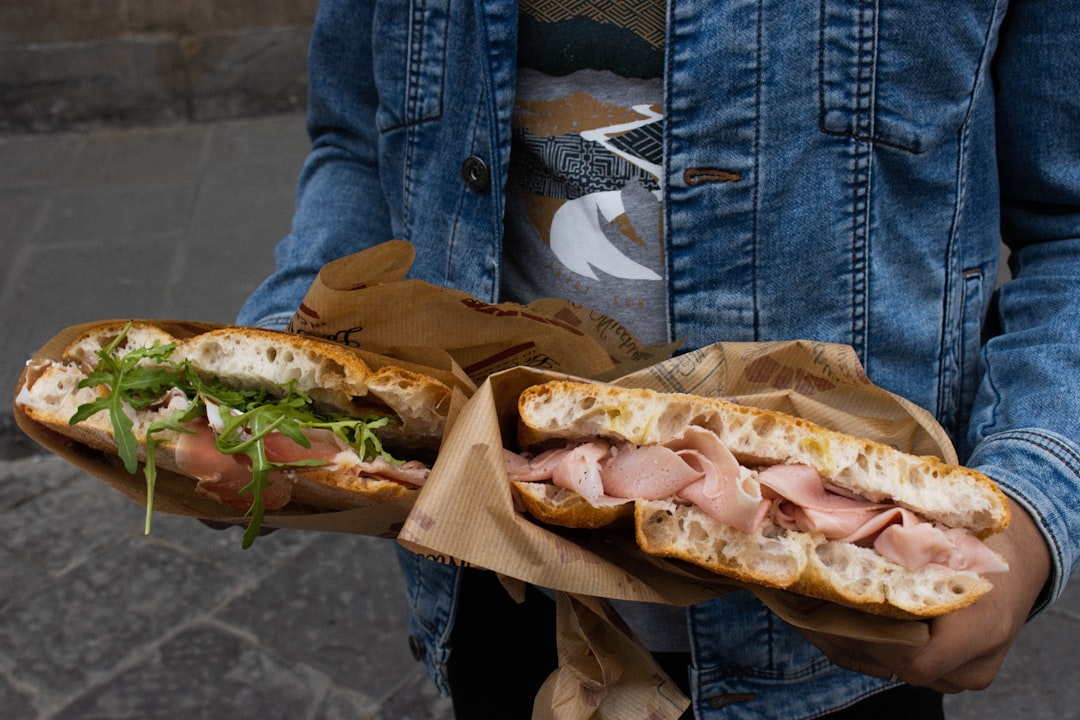
Lampredotto is the initiation. Cow stomach, slow-boiled with herbs, sliced and stuffed into a bun that gets dunked in the cooking broth until it’s almost falling apart, finished with salsa verde. Da Nerbone in the Mercato Centrale has been doing this since 1873 — stand at the counter, eat over a napkin, and accept that this is one of the great sandwiches of Europe. If Da Nerbone is mobbed, find Sergio Pollini’s cart — he’s the real thing.
Bistecca alla Fiorentina is the other essential, and it’s not a dish for sharing gracefully. The steak is cut three to four fingers thick from Chianina beef, cooked rare to medium-rare, and served with nothing but salt and olive oil. Trattoria Sostanza — cash only, communal tables, no menu you’d call elegant — does a version that’s earned a kind of quiet reverence. Buca Lapi, down in a brick cellar that feels like a Renaissance wine cave, is the other strong pick.
For something lighter, look for schiacciata — the Florentine flatbread that isn’t focaccia but serves the same spiritual purpose. Eat it with a glass of Chianti Classico. And for dessert, Gelateria della Passera in the Oltrarno makes gelato the way gelato should be made: small batch, seasonal flavors, on a quiet square with exactly zero tourist-trap energy.
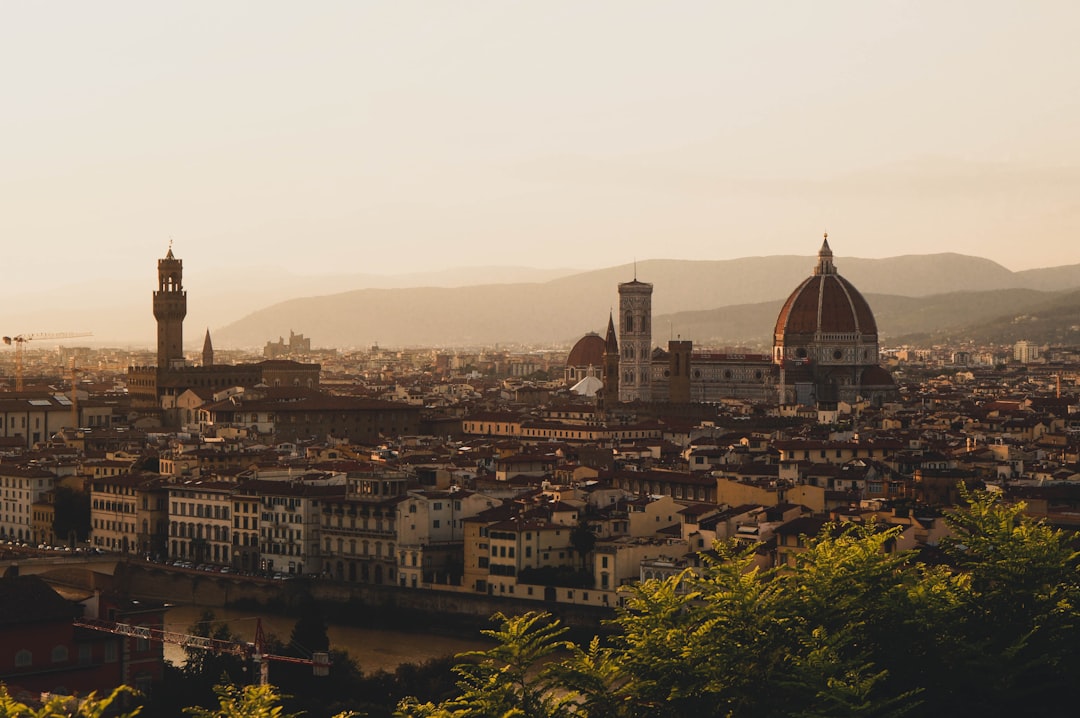
One more: the buchette del vino — small stone windows built into palazzo walls, originally used during the plague to sell wine without human contact. Several have been revived and now serve wine and snacks through the little openings. It’s a detail you’d only notice if someone told you to look, which is rather the point of this whole post.
Where to Stay When You’re Not a Tourist
If you’ve done Florence before, you already know the Duomo-adjacent hotels are loud and overpriced. This time, stay across the river.
Soprarno Suites sits in the heart of Oltrarno, a few minutes’ walk from Palazzo Pitti and the Ponte Vecchio. Thirteen rooms, each individually styled, with frescoed ceilings that aren’t reproductions and a sense of scale that feels personal rather than boutique-by-formula. It’s the kind of place that earns loyalty quietly. Soprarno Suites on Booking.com
Oltrarno Splendid is smaller, more modern, and carries a 9.8 location score for good reason — you’re in the middle of the neighborhood without being on a busy street. The rooms are updated and tasteful without trying too hard. Good for travelers who want quiet over grandeur. Oltrarno Splendid on Booking.com
For something across the river but still away from the tourist core, Hotel Silla in Santa Croce has a terrace overlooking the Arno, an easy walk to Boboli Gardens, and a reliable mid-range price point that won’t make you wince. Hotel Silla on Booking.com
When to Go and What’s On
Late September through October is when Florence belongs to the people who live there. Temperatures hover around 18–26°C, the summer tour groups are gone, hotel prices settle into reasonable territory, and the light — the famous Tuscan light — goes golden and low. It’s the best time to walk without a plan, which is what this post is asking you to do.
Spring (April–May) is also lovely, but Easter and Italian national holidays on April 25th and May 1st push crowds and prices up sharply. If you come in spring, target early April or the last two weeks of May.
Summer is something to survive, not savor. July and August regularly hit 35°C and can spike above 40°C. The upside: locals flee, museums are quieter, and some open-air events appear — outdoor film screenings at Piazzale Michelangelo from July through August, and the Estate Fiesolana festival in Fiesole’s Roman amphitheatre (music, theatre, and dance under the stars, mid-June through September).
If you time it right, June 24th brings the Feast of San Giovanni — Florence’s patron saint — with the Calcio Storico (a historical football match that’s closer to sanctioned street fighting) in Piazza Santa Croce and fireworks over the Arno at Piazzale Michelangelo. It’s loud, beautiful, and completely Florentine.
Ready to Plan Your Trip to Florence?
You’ve done the reading. Here’s everything you need to make it happen.
🎟️ What to Book in Advance
- Oltrarno artisan and wine-windows walking tour
- Pasta-making class in a medieval tower with Tuscan wine
- Browse more Florence experiences on Viator
Some links in this post are affiliate links. If you book through them, CuriosityTrail earns a small commission at no extra cost to you. Recommendations are chosen on merit; commissions never decide what’s included.