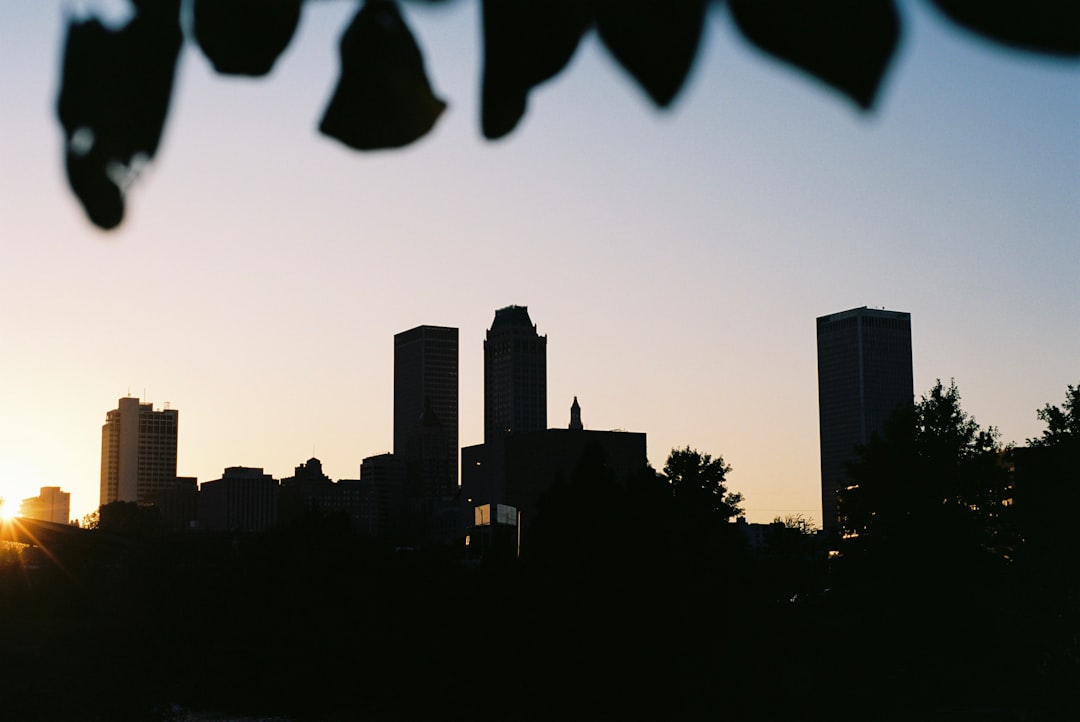
Tulsa, Oklahoma: The Art Deco Capital You Weren’t Expecting
Quick Essentials
- 📍 Best Time to Visit: Late September through mid-October — the humidity finally relents, temperatures settle into the 60s and 70s, and Oktoberfest takes over the riverfront.
- ✈️ Getting There: Search flights on Skyscanner | Direct from Dallas, Denver, Chicago, and Atlanta
- 🏨 Where to Stay: Browse Tulsa hotels on Booking.com
- 🎟️ Don’t Miss: Art Deco Walking Tour on GetYourGuide
- 💰 Budget Range: $150–$275 per day for mid-range to splurge dining, downtown hotels, and a tour or two
Tulsa is easy to treat as the part of the map between Texas and Missouri, and that is a mistake. Arrive with forty-eight hours budgeted and you will immediately wish you’d planned four days.
Start with the Boston Avenue Methodist Church. The building looks like it belongs in a Baz Luhrmann film — soaring terracotta and limestone in Zigzag Art Deco, designed in 1929, right in the middle of downtown Tulsa.
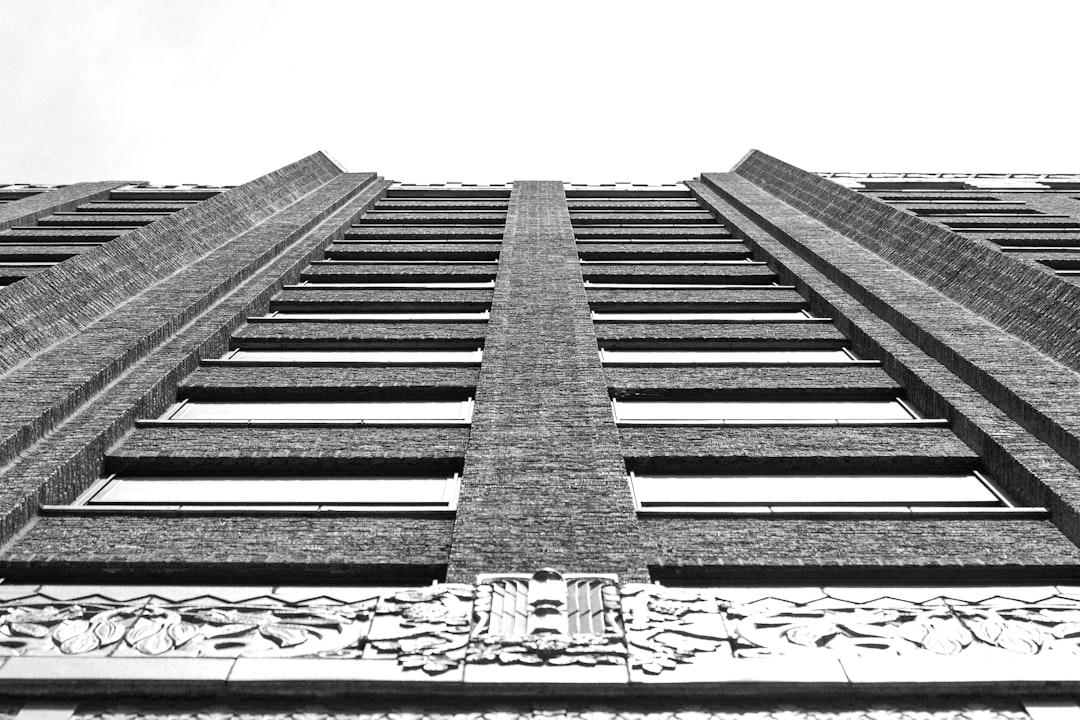
Here’s what many visitors don’t know: Tulsa has one of the most extensive collections of Art Deco architecture in the country, built during the oil boom when Oklahoma money was new and ambitious and wanted to look modern. The result is a downtown that genuinely rivals Miami Beach’s Deco District — except nobody’s lined up to take photos of it, which means you get it almost to yourself.
But the architecture is only one layer. The Greenwood District carries a history that is essential and devastating and ultimately extraordinary. And a 66-acre park called Gathering Place has done something few public spaces accomplish — it’s made an entire city proud.
The Deco District Nobody Told You About
The thing about Tulsa’s Art Deco is that it exists because of a very specific historical moment. In the 1920s and ’30s, Oklahoma’s oil boom produced an extraordinary concentration of wealth, and the people holding that wealth wanted to build. They built in the style of the moment — Art Deco — and they built with the kind of confidence that comes from believing the money would never stop.
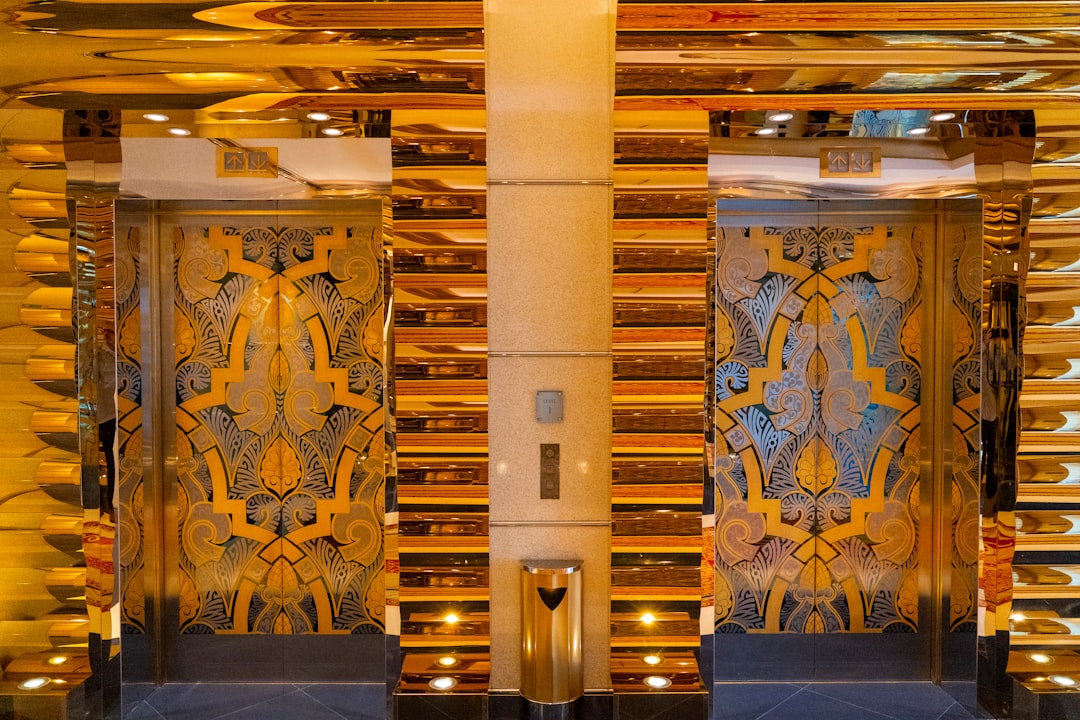
The Philcade Building has a lobby that stops you where you stand. Marble floors, ornate bronze elevator doors, geometric terra cotta detailing that someone spent a year designing. The Mayo Hotel, which hosted JFK and Babe Ruth, has a rooftop bar where you can look out over downtown and see the skyline the way the oil barons imagined it. The Tulsa Club Building, designed by Bruce Goff in 1927, was restored and reopened in 2019 as a hotel, and it’s the kind of adaptive reuse project that should win awards if it hasn’t already.
Take the Art Deco Walking Tour. I mean this literally — don’t try to do this yourself with a guidebook. The guided tour gets you into four lobbies that are otherwise locked, and the guides know the specific stories behind specific ornamentation choices. Two hours well invested. → Art Deco Walking Tour of Tulsa
There’s also an underground tunnel tour that takes you through the passages oil barons used to move between buildings without being seen. The paranoia of extreme wealth, rendered in concrete and brick. → Indoor History Tour with Oil Baron’s Tunnel
Greenwood: History That Demands Your Attention
I’m going to be direct about this because the subject demands it. The Greenwood District was once the wealthiest Black community in America — Booker T. Washington called it “Black Wall Street.” In 1921, over the course of fewer than forty-eight hours, a white mob destroyed approximately forty blocks of homes and businesses and killed more than two hundred people. It was one of the worst acts of racial violence in American history, and for decades it was barely taught.
What exists in Greenwood now is a neighborhood that has chosen to face that history directly. Greenwood Rising, a history center that opened in 2021, is the place to start. It’s a sophisticated, moving museum that doesn’t lecture — it simply presents, with remarkable care, what happened and what grew back. Admission is free on the second Friday of every month for Oklahoma residents, but it’s worth paying for regardless.
Walk to the John Hope Franklin Reconciliation Park afterward. It’s a small park, easy to move through quickly, and I’d encourage you not to. The Tower of Reconciliation is a 25-foot bronze sculpture that depicts the history of African Americans in Oklahoma from arrival through the massacre and recovery. Sit with it.
The original buildings from the 1920s and ’30s still stand in what’s called “Deep Greenwood,” now anchored by the Greenwood Cultural Center. The district today is a mix of historical sites and Black-owned businesses — sneaker shops, restaurants, cultural programming. It’s alive in the way that memorialized neighborhoods often aren’t, and that matters.
A Park That Thinks Bigger
Most parks are pleasant. Gathering Place is something else entirely.
Built with $465 million from the George Kaiser Family Foundation, this 66-acre park along the Arkansas River opened in 2018 and it’s the kind of civic project that makes you wonder why more cities don’t attempt something this ambitious. The Chapman Adventure Playground alone covers five acres and includes towers, slides, climbing walls, and a slide that goes underground — and that’s one attraction among more than a hundred.
But the scale isn’t the point. The design intelligence is. The park contains representations of every ecological region in Oklahoma — prairies, wetlands, woodlands — planted with 1.2 million plants across 400 species and more than 6,000 trees. There are kayaks and paddleboats on the pond, a BMX pump track, sports courts, and meadows that are simply there for sitting. The ONEOK Boathouse has rotating exhibits. Williams Lodge is built for lingering.
Plan for ninety minutes and you may well spend four hours. The place earns the time because it keeps offering something new around every bend, and none of it feels forced. It’s free. Parking is free. It’s easy to doubt that it exists in Tulsa, Oklahoma, which is exactly the kind of assumption worth dropping.
Where to Eat (and What to Order)
Tulsa’s food scene has momentum, and the restaurants earning the most attention deserve it.
Mr. Kim’s is the reservation to make. Chef Ben Alexander has built a Korean-inspired steakhouse downtown that operates as a multi-course tasting experience. It’s been nominated for a James Beard Award, which tells you something, but the meal itself tells you more. This is not fusion in the vague, trying-too-hard sense. It’s precise and confident.
Oren, over in Brookside, does seasonal American with Mediterranean influence — the kind of menu that changes often enough to reward repeat visits. The craft cocktails are among the best in town. FarmBar takes the farm-to-table concept to its logical conclusion by being an actual extension of Living Kitchen Farm and Dairy. The sourcing is hyper-local and you can taste the difference.
For the most memorable meal: Mr. Nobu’s Sushiya. Omakase with fish flown in from Japan, in a city you probably don’t associate with great sushi. That gap between expectation and reality — that’s the entire story of Tulsa.
And for the record, there’s Ron’s Hamburgers & Chili, the kind of local institution that doesn’t appear in any travel guide. It’s been there forever, it costs almost nothing, and the chili is honest food.
The Details That Matter
When to go: Late September through mid-October is the sweet spot. The heat breaks, the humidity drops, and the event calendar is generous — the Tulsa State Fair runs for eleven days, and Oktoberfest lines the Arkansas River. Spring works too, particularly if you time it with Mayfest in the Arts District (May) or the Juneteenth celebration in Greenwood (mid-June), which is one of the largest in the country.
Where to stay: The Mayo Hotel is the right choice for this trip. It’s a 1920s Art Deco landmark in the middle of the Deco District, and the rooftop bar alone justifies the booking. You’re walking distance to everything downtown. → The Mayo Hotel, Tulsa
The Tulsa Club Hotel is the alternative — a restored 1927 Bruce Goff building with a boutique feel that takes the Art Deco theme from the streets into your room. → Tulsa Club Hotel
What you can skip: The generic “Tulsa highlights” bus tours. Walk instead. This is a walkable downtown, and you’ll notice more on foot — the terracotta detailing above a doorway, the acoustic anomaly at the Center of the Universe (an unassuming concrete circle that echoes your voice back at you, amplified, for reasons nobody has fully explained), the way the light hits the Philtower at five o’clock.
Getting there: Tulsa International Airport has direct flights from Dallas, Denver, Chicago, and Atlanta. → Find flights to Tulsa
Ready to Plan Your Trip to Tulsa?
You’ve done the reading. Here’s everything you need to make it happen.
🎟️ What to Book in Advance
- Art Deco Walking Tour of Tulsa
- Indoor History Tour with Oil Baron’s Tunnel
- Browse more Tulsa experiences on Viator
Some links in this post are affiliate links. If you book through them, CuriosityTrail earns a small commission at no extra cost to you. Recommendations are chosen on merit; commissions never decide what’s included.