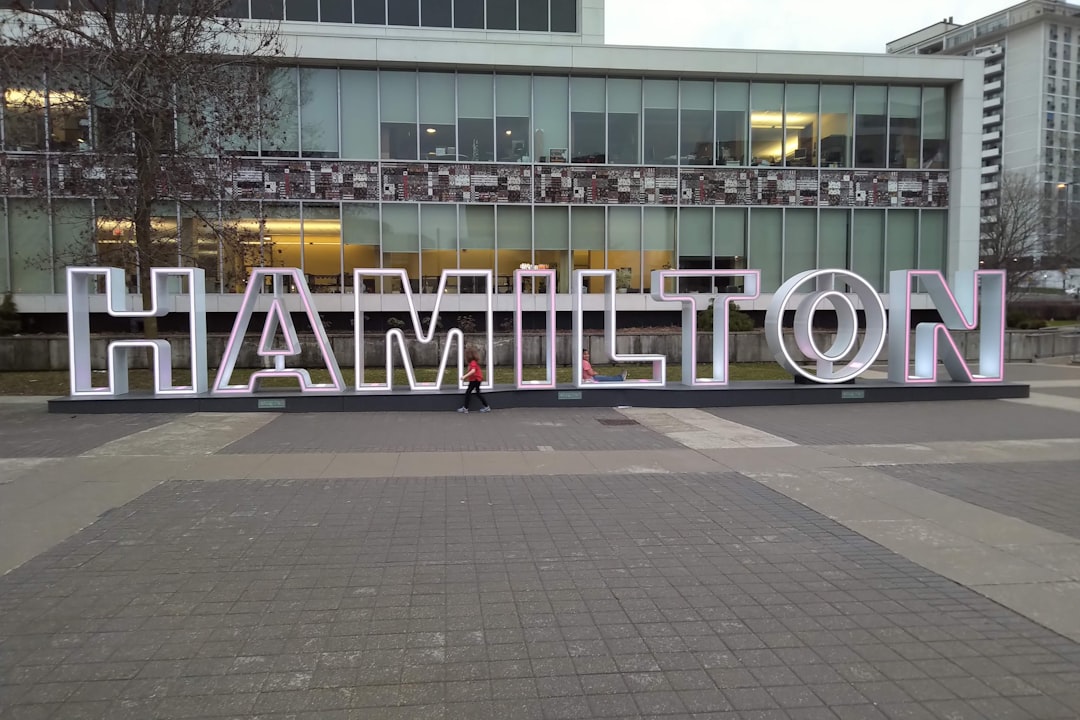
Hamilton, Ontario: Where Waterfalls, Street Art, and Syrian Flatbreads Collide
Quick Essentials
- 📍 Best Time to Visit: Late May through early October — the Art Crawl goes pedestrian-only, Supercrawl takes over James Street North in September, and the 120+ waterfalls are at their most accessible.
- ✈️ Getting There: Search flights on Skyscanner | Direct from Toronto Pearson (45 min drive), Buffalo Niagara (90 min)
- 🏨 Where to Stay: Browse Hamilton hotels on Booking.com
- 🎟️ Don’t Miss: Canadian Warplane Heritage Museum on GetYourGuide
- 🚗 Car Rental: Compare rental cars on Skyscanner
- 💰 Budget Range: $150–$300 CAD per day for mid-range to splurge dining and comfortable hotels
Hamilton has spent decades being the city you drive past on the way to Niagara Falls. That was always a mistake, but now it’s a genuinely costly one.
Something shifted here. Not overnight — Hamilton doesn’t do anything overnight — but steadily, in the way that immigrant families opening restaurants and artists claiming cheap rent tend to transform a place when nobody’s watching. The steel mills that gave Hamilton its identity haven’t disappeared, but they’ve been joined by a gallery crawl that shuts down traffic once a month, a waterfall network that makes Niagara look like a one-trick pony, and a food scene that Toronto chefs quietly drive south to eat at.
This isn’t a city trying to be Toronto. That’s the important part. Hamilton is scrappier, less polished, and far more interesting for it. The Syrian flatbreads on King Street West exist because a family from Aleppo needed to make a living, not because a restaurateur spotted a market gap. The Portuguese grilled chicken places in the east end have been there for decades. James Street North’s galleries opened in buildings that cost next to nothing and stayed because the neighbourhood wanted them.
If you’ve done the obvious Canadian cities — Montreal’s plateaus, Vancouver’s seawall, Toronto’s endless brunch culture — Hamilton is the place that will remind you why you liked discovering cities in the first place.
The James Street North Effect
Every city claims to have an arts district. Hamilton’s actually works, largely because it grew from the street up rather than being planned from a boardroom.
The Art Crawl started in 2005 when a handful of galleries began opening their doors on the second Friday of each month. Twenty years later, it’s become the heartbeat of downtown Hamilton. From May through October, James Street North closes to traffic between York Boulevard and Murray Street, and the whole strip becomes a pedestrian party — galleries spilling onto sidewalks, buskers playing between the vintage shops, food vendors setting up wherever they can find space. It kicks off around 5 PM and runs late.
The anchor venues are worth knowing. You, Me, Gallery led the charge back in 2005 and still curates some of the most interesting work on the street. Centre3 is an artist-run print and media arts centre that doubles as a community hub. B-Side, tucked behind Farside bar, is the kind of DIY art and music space that would feel at home in East Berlin — small, loud, and completely uncommercial.
Then there’s Supercrawl in September, which takes the Art Crawl concept and scales it into a full weekend festival. Music stages, art installations, food from seemingly every culture in Hamilton, and the kind of crowd energy that happens when a city decides to celebrate itself without corporate polish. Mark it on the calendar if your timing allows.
Eating Your Way Through the Hammer
The food is the real story here, and it’s worth saying plainly: Hamilton eats better than most Canadian cities three times its size.
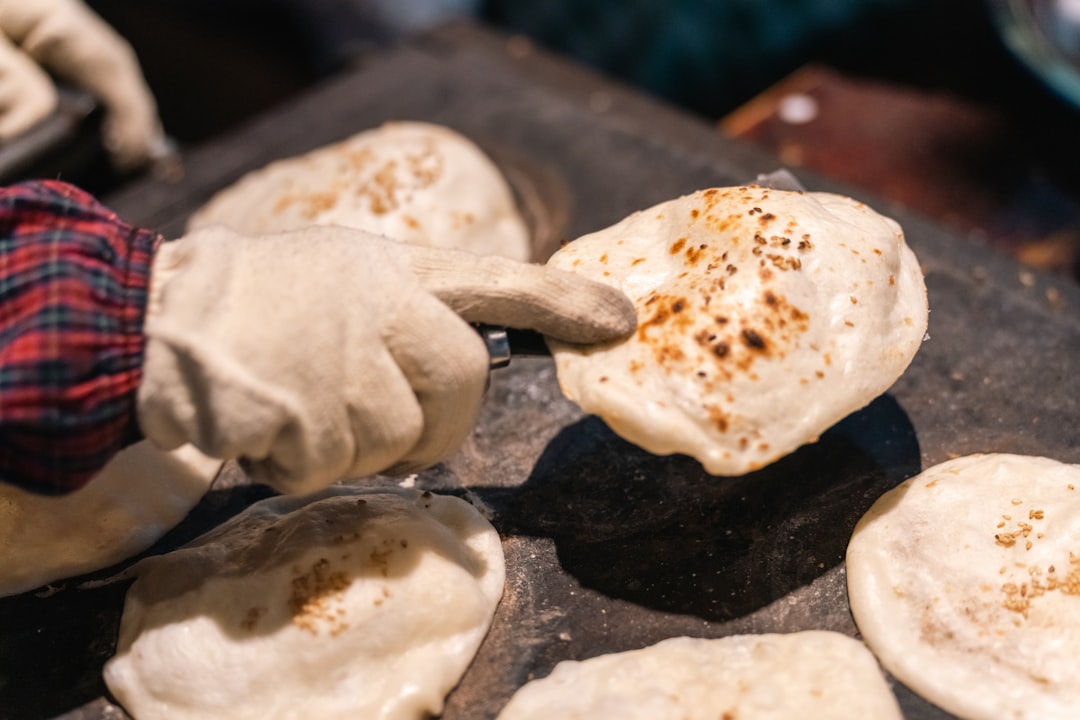
Start on King Street West near Hess, where Mohamed Tomeh runs what might be the most important restaurant in the city. It’s not fancy. The space is modest and the menu is focused — Syrian shawarma, labneh, turkmani cheese sandwiches with falafel, flatbreads that come off the grill with a char you can smell from the street. Tomeh moved here from Queen Street and brought a following that crosses every demographic line in the city. If you eat one meal in Hamilton, this is the one.
The Portuguese community has deeper roots here than most visitors realize. Conquistador leans into seafood — grilled sardines, bacalhau — while the spot locals call “the Portuguese Pit Stop” does a chicken piri-piri that’s become a neighbourhood institution. These aren’t restaurants chasing trends. They’re restaurants that have been doing the same things well for years.
James Street North has its own distinct eating personality. Per’so’na is the new arrival at 14 James North, taking over the space that previously held Bardo. It’s contemporary Italian, seasonal and technique-driven, the kind of place where the pasta course alone justifies the visit. Niku Niku, at 46 James North, goes in the opposite direction — all-you-can-eat Japanese and Korean BBQ where you grill premium cuts tableside. And Bigs Ribbs, also on James, does exactly what the name suggests, with mac and cheese and cornbread on the side.
The point isn’t that Hamilton has good restaurants. It’s that the food here has roots. It comes from somewhere — from families, from communities, from people who cook because it’s what they know. That makes it taste different from a city where every new opening is a concept first and a kitchen second.
City of Waterfalls
Hamilton has over 120 waterfalls within city limits. That’s not a tourism board exaggeration — it’s a geological fact. The Niagara Escarpment cuts through the city, and every creek that crosses it drops off a cliff.
The Bruce Trail’s Iroquoia Section is the backbone of the waterfall hiking network. The route connecting Tiffany Falls and Sherman Falls is one of the most satisfying half-day walks in southern Ontario — moderate elevation, good trail conditions, and two genuinely impressive cascades without the crowd pressure of the more famous stops.
Tew Falls is Hamilton’s tallest at 41 metres, tucked inside Spencer Gorge Conservation Area alongside the better-known Webster Falls. Most visitors hit Webster and leave. The experienced move is to walk the connecting trail to Tew Falls and then continue to the Dundas Peak lookout, which offers one of the most dramatic escarpment views in the province. In autumn, the colours here are absurd.
Albion Falls, on the city’s east side, is worth a separate trip. A stepped cascade nearly as wide as it is tall, connected by the Bruce Trail to Buttermilk Falls and Glendale Falls on a 6-kilometre loop. The accessibility is the thing — this isn’t backcountry hiking. You can be standing in front of a 19-metre waterfall twenty minutes after leaving a restaurant on James Street North.
A word of common sense: stay on the designated trails, respect the closures, and don’t climb the fences. Hamilton’s waterfalls are beautiful precisely because the escarpment is steep and unforgiving.
Beyond the Falls and the Fork
Dundurn Castle is the kind of attraction that sounds touristy until you actually walk through it. A 40-room mansion built in the 1830s by Sir Allan MacNab, one of pre-Confederation Canada’s first premiers, it overlooks Burlington Bay with the confidence of a man who knew exactly how rich he was. Costumed interpreters guide you through both the upstairs family rooms and the servants’ quarters below — the contrast tells you more about colonial Canada than most history books.
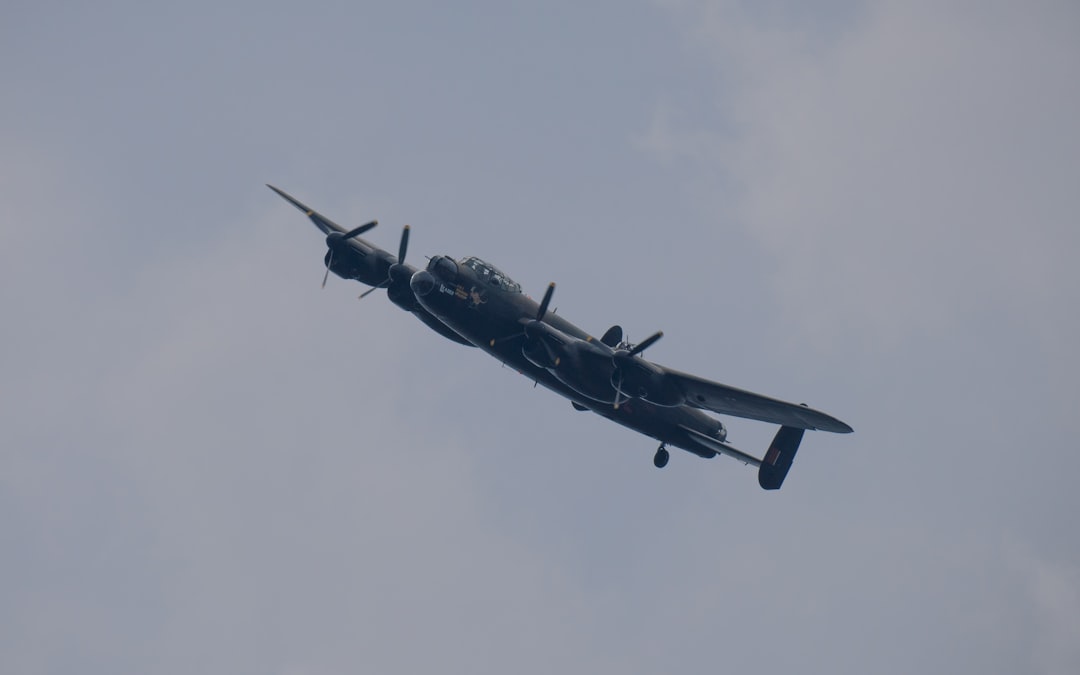
The Canadian Warplane Heritage Museum is genuinely world-class. Over 40 aircraft, including a flying WWII Avro Lancaster bomber — one of only two airworthy Lancasters on the planet. You can book flight simulators or, if you’re feeling bold, an actual ride in the Lancaster. Canadian Warplane Heritage Museum on GetYourGuide
The HMCS Haida sits at Pier 9 in Hamilton Harbour, and almost nobody visits it. That’s a shame, because it’s the most decorated warship in Royal Canadian Navy history — a Tribal-class destroyer that served in both the Second World War and the Korean War. It’s a National Historic Site, it costs almost nothing to board, and the guided tour is excellent.
Locke Street South deserves a mention as the neighbourhood most visitors miss entirely. A walkable strip of indie shops, bakeries, and restaurants south of downtown, it gets a fraction of James Street North’s tourist traffic but has equally good eating and a quieter, more residential charm.
Where to Stay and When to Go
C Hotel by Carmen’s is the go-to for couples and food-focused travelers. It’s a boutique-style property connected to Carmen’s Banquet Centre, walkable to James Street North, and the kind of place that gets the small details right. Mid-range pricing, high-end feel. C Hotel by Carmen’s on Booking.com
Sheraton Hamilton Hotel sits in the downtown core with an indoor pool and solid rooms. Nothing adventurous about it, but the location is right — you can walk to the dining districts, the waterfront trail, and most of the cultural attractions without needing a car. Sheraton Hamilton Hotel on Booking.com
Dundas or Ancaster are worth considering if you’d rather be close to the waterfall trailheads and Spencer Gorge. Both are charming village-style communities on Hamilton’s western edge with their own restaurant scenes. You’ll need a car, but you’d want one for the waterfalls anyway. Browse Dundas-area hotels on Booking.com
Timing matters. Late May through early October is the sweet spot — the Art Crawl goes street-party mode, the trails are open, and the patio season across the city is in full effect. September is the peak month if you can manage it: Supercrawl lands, the weather cools just enough for comfortable hiking, and the escarpment starts turning colour. Winter has its own appeal if you’re hardy — the waterfalls partially freeze into sculptural ice formations — but the dining scene operates year-round regardless.
Ready to Plan Your Trip to Hamilton?
You’ve done the reading. Here’s everything you need to make it happen.
🎟️ What to Book in Advance
- Private Winery, Brewery & Distillery Tasting Tour
- Canadian Warplane Heritage Museum
- Browse more Hamilton experiences on Viator
Some links in this post are affiliate links. If you book through them, CuriosityTrail earns a small commission at no extra cost to you. Recommendations are chosen on merit; commissions never decide what’s included.