Sacramento’s Farm-to-Fork Weekend: Where California Actually Eats Like California

Quick Essentials
- 📍 Best Time to Visit: Late September through early November — the Delta harvest peaks, the triple-digit heat breaks, and the Farm-to-Fork Festival takes over Capitol Mall in late September.
- ✈️ Getting There: Search flights on Skyscanner | Direct from Los Angeles, San Francisco, Seattle, and Denver
- 🏨 Where to Stay: Browse Sacramento hotels on Booking.com
- 🎟️ Don’t Miss: Historical Old Town and Food Walking Tour on GetYourGuide
- 💰 Budget Range: $180–$350 per day for two — mid-range dining, good hotel, one booked experience
The City That Feeds California
Sacramento doesn’t ask you to be impressed. It won’t sell you a skyline or a celebrity chef’s name. What it will do — quietly, insistently — is feed you some of the best produce in North America, sourced from farms you could drive to in twenty minutes, and cooked by people who know the farmer’s first name.
Most travellers pass through Sacramento on their way to somewhere else. The airport is convenient. The highway signs point toward Napa or Tahoe. And that’s a mistake worth correcting, because Sacramento’s Midtown grid — Victorian homes painted lavender and ochre, murals on brick walls, tree-canopied blocks where bikes outnumber cars — has become one of the most interesting food neighbourhoods on the West Coast, and almost nobody visiting California seems to know it.
The city calls itself “America’s Farm-to-Fork Capital.” That kind of label usually sets off alarm bells. But here the claim is backed by geography: the Sacramento Valley and the Delta produce an extraordinary range of crops year-round, and the region’s agriculture generates $12 billion annually. When a chef in Midtown says the tomatoes arrived this morning, she probably watched them come off the truck.

Midtown on Foot
Midtown is where you’ll spend most of your time, and it rewards walking. The grid of lettered and numbered streets is flat, shaded, and dense with the things that make a neighbourhood feel alive — independent bookshops, galleries that open late on Second Saturdays, coffee roasters that take their craft seriously without taking themselves seriously.
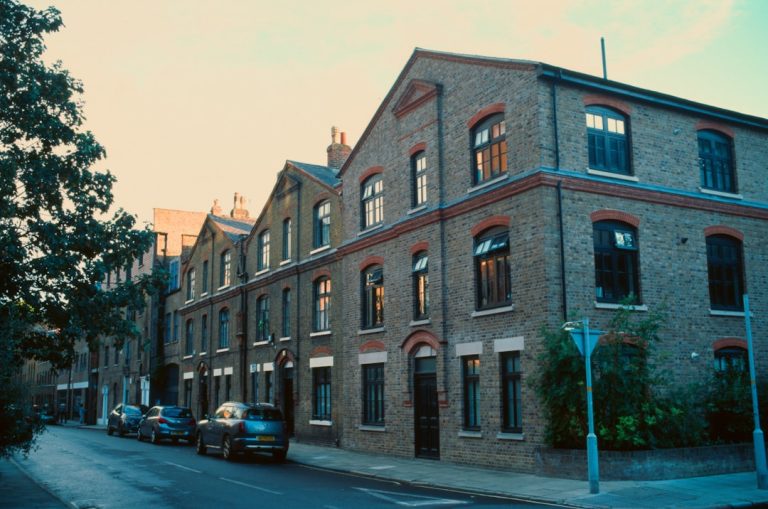
Start on R Street. It’s the corridor where Sacramento’s creative economy clusters: galleries, design studios, restaurants that share walls with tattoo parlours. The Elliott Fouts Gallery is worth a pause. From there the streets fan out into residential blocks where the Victorian architecture is genuinely beautiful — not museum-piece beautiful, but lived-in, colourful, a little defiant. People actually live here, and they’ve painted their homes accordingly.
By dusk the character shifts. Neon signs flicker on. Doorways offer jazz, the smell of fermenting grain from a nearby taproom, and international cuisine from a dozen traditions. It’s the kind of neighbourhood where you stop planning your evening and let the grid decide.
Farm-to-Fork, Explained
The phrase gets thrown around loosely in most cities. In Sacramento, it describes something structural. The Central Valley surrounding the city is one of the most productive agricultural regions on Earth, and the distance between field and plate is often measured in city blocks, not supply chains.
More than 40 farmers’ markets operate across the region year-round. The Midtown Farmers Market — recently ranked the best in California — runs every Saturday, and it’s not a quaint stall-and-jam affair. This is where chefs come to plan their menus. The produce is the point.
What that means in practice: menus change not seasonally but weekly, sometimes daily. Restaurants like Mulvaney’s B&L build their entire identity around whatever arrived from the Sacramento Valley farms that morning. Chef Patrick Mulvaney’s relationship with his growers isn’t marketing copy — it’s the operating model. The menu is a document of what’s ripe.

Where to Eat (and What to Order)
The Kitchen is Sacramento’s most distinctive dining experience — part restaurant, part theatre, entirely its own thing. The interactive format puts you in the kitchen with the chefs, and the tasting menu pulls from whatever the Delta is producing that week. It’s earned James Beard recognition. Book ahead.
Mulvaney’s B&L occupies a converted 1893 firehouse in Midtown and does the farm-to-fork philosophy with the least amount of fuss. The wood-grilled dishes change constantly. Go for whatever the server says is new.
Localis is the Michelin-recognised option — a tiny counter-service spot where the tasting menu is serious without being solemn. It’s the kind of meal you remember specific bites from, weeks later.
Magpie Cafe on R Street is the all-day spot. Excellent sandwiches, local produce, and a patio that captures the Midtown rhythm perfectly. Good for lunch between museum visits.
For something entirely different, head to Folsom Boulevard. Sacramento has a sizeable Vietnamese community, and the banh mi here — particularly at Duc Huong Sandwich Shop — is outstanding. The kind of sandwich that makes you wonder why you’d eat anywhere else for $5.
Beyond the Plate: Beer, Cocktails, and the Tasting Trail
Sacramento has more than 40 breweries, and the craft scene is less about hype than about range. Track 7 Brewing does approachable, well-made beer in a warehouse taproom. New Glory Craft Brewery pushes further into experimental territory — barrel-aged stouts, hazy IPAs that work.
For cocktails, Shady Lady Saloon is the one. It’s in a restored Victorian building in Midtown, the drinks are properly made, and the atmosphere has genuine warmth — not the studied coolness of a speakeasy cosplay. It’s the sort of bar where the bartender remembers what you ordered last time.

The Waterfront, Revitalized
Old Sacramento gets dismissed as a tourist trap, and parts of it do lean that way. But the 28-acre historic district along the Sacramento River has genuinely evolved. The boardwalk now hosts restaurants worth eating at — Rio City Cafe overlooks the Tower Bridge with sweeping river views — and the Sacramento History Museum offers more substance than the Gold Rush kitsch might suggest.
The better move: rent bikes and ride the Sacramento River trail. It’s paved, flat, and follows the levee from Old Sacramento through Discovery Park and beyond. On a weekday morning you’ll share it with joggers and herons and nobody else. It’s the kind of ride where you stop to watch the river and forget you were going somewhere.
The Historical Old Town and Food Walking Tour combines both halves — Gold Rush history and modern food stops — in a well-paced 2.5 hours. It’s one of the better guided experiences in the city.
When to Go and Where to Sleep
Timing matters. Sacramento summers are genuinely hot — regularly above 100°F — and walking the grid in July is a test of endurance, not leisure. The sweet spot is late September through November: the heat breaks, the harvest peaks, and the Farm-to-Fork Festival (September 25–27 in 2026) anchors the month with cooking demos, regional food trucks, 40-plus local breweries pouring on Capitol Mall, and the Tower Bridge Dinner — a long-table, ticketed meal on the bridge itself.
Spring (March through May) is equally pleasant. The delta blooms. The farmers’ markets feel abundant. You’ll beat the festival crowds.
Where to stay:
Kimpton Sawyer Hotel puts you in the centre of the action — downtown, walkable to both Midtown and the waterfront, with a rooftop pool and Revival bar that catches sunset views over Golden 1 Center. It’s polished without being sterile. → Kimpton Sawyer Hotel on Booking.com
The Citizen Hotel is for the traveller who wants character over rooftop scenes. Housed in a 1926 building with political-themed decor (this is the state capital, after all), it’s quieter, more idiosyncratic, and walkable to the Capitol grounds. → The Citizen Hotel on Booking.com
If you’d rather be embedded in the restaurant grid, Midtown itself has strong options — the Hyatt House Sacramento–Midtown or the Fort Sutter Hotel offer apartment-style suites that work beautifully for a long weekend. → Browse Midtown Sacramento hotels on Booking.com
Ready to Plan Your Trip to Sacramento?
You’ve done the reading. Here’s everything you need to make it happen.
🎟️ What to Book in Advance
- Historical Old Town and Food Walking Tour
- Midtown Sacramento Arts and Food Tour
- Browse more Sacramento experiences on Viator
Some links in this post are affiliate links. If you book through them, CuriosityTrail earns a small commission at no extra cost to you. Recommendations are chosen on merit; commissions never decide what’s included.