Annapolis, Maryland: The Colonial Capital Most Travelers Walk Right Past
Quick Essentials
- Best Time to Visit: Late April through mid-October — sailing season is in full swing, crabs are in season, and the September seafood festival alone justifies the trip.
- ✈️ Getting There: Search flights on Skyscanner | Direct from most East Coast hubs; BWI is 30 minutes out, DCA about an hour.
- Where to Stay: Browse Annapolis hotels on Booking.com
- ️ Don’t Miss: Colonial Annapolis & Maryland State House Tour on GetYourGuide
- Car Rental: Compare rental cars on Skyscanner | Useful for crab houses outside downtown
- Budget Range: $180–$350 per day for a comfortable mid-range to splurge stay with good meals and a sailing excursion
Most Americans who think about colonial history think about Boston, Philadelphia, Williamsburg. Annapolis rarely makes the list, which is a shame and — for those of us who prefer our history without queue lines — a gift.
This is a city that served as the capital of the United States, briefly, in 1783–84. The Treaty of Paris was ratified here, ending the Revolutionary War. George Washington resigned his military commission in the very room you can still walk into on a Tuesday afternoon, and there might be three other people there. That kind of access simply doesn’t exist in the more famous colonial cities anymore.
What catches you off guard is the density of it. Annapolis has more surviving 18th-century architecture per square mile than nearly any city in the country. Not reproductions, not museum pieces behind velvet ropes — real buildings, still in daily use, lining streets you can walk in twenty minutes. And then there’s the water. This is a sailing town that takes its sailing seriously, a Chesapeake food culture that revolves around blue crabs and Old Bay seasoning, and an arts district on West Street that most visitors never find because they don’t look past City Dock.
There’s a reason Annapolis lost its capital status to a swamp on the Potomac, of course — it was too small, too regional, too tied to the Chesapeake. But that’s precisely what preserved it. While other colonial cities tore down and rebuilt, Annapolis stayed. The buildings stayed. The street plan stayed. Even the harbour stayed roughly where the colonists put it.
Two days here is about right. One day won’t do it justice. Three might leave you wondering what else Maryland has hiding in plain sight.
A Capital Before the Capital
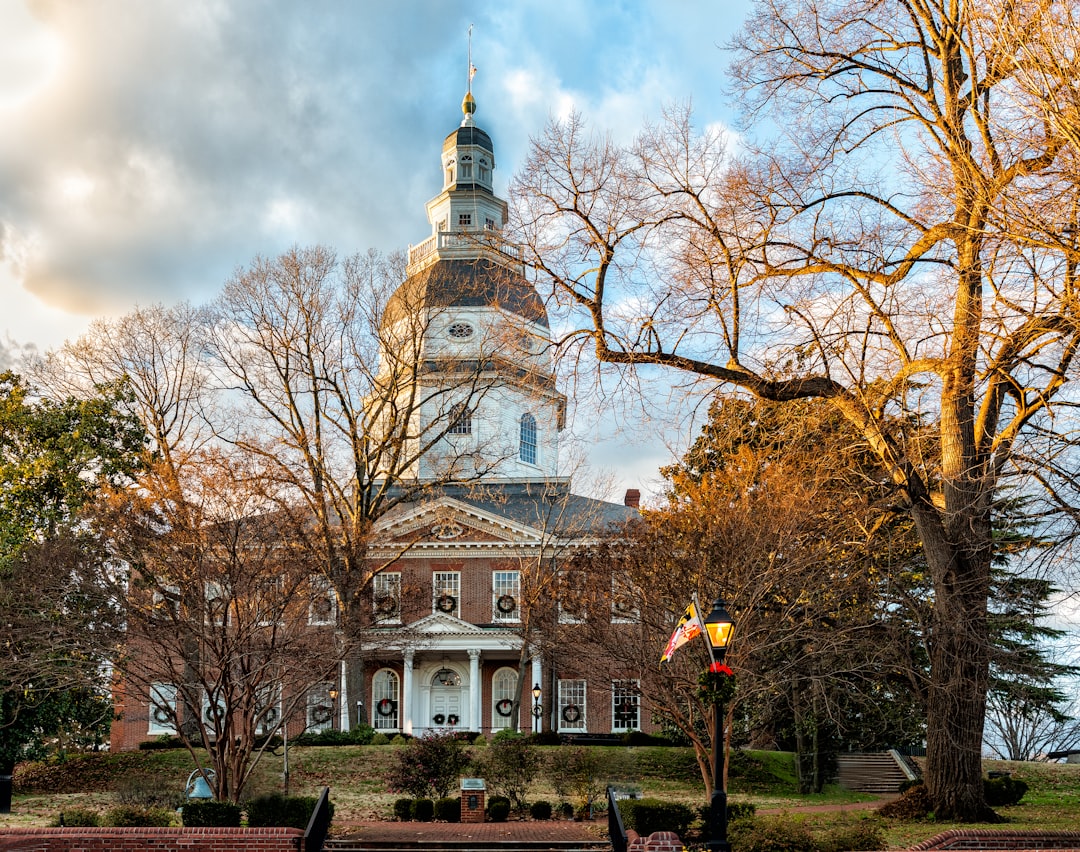
The Maryland State House is the thing to start with, and not because it’s a box to tick. It is the oldest state capitol building in continuous legislative use in the United States — they’ve been legislating here since 1772 — and the interior feels more intimate than you’d expect from a building of its stature. The Old Senate Chamber, where Washington gave up his sword, is small enough that you can stand roughly where he stood and appreciate just how personal that moment must have been.
From there, the colonial core unfolds easily on foot. The Hammond-Harwood House on Maryland Avenue is the real architectural prize — designed by William Buckland in 1774, it’s been called the most beautiful house in colonial America, and standing in front of it you’d have a hard time arguing. Buckland died before the house was finished, which adds a certain weight to the craftsmanship. Most visitors skip this for the Naval Academy gates across the street. Their loss.
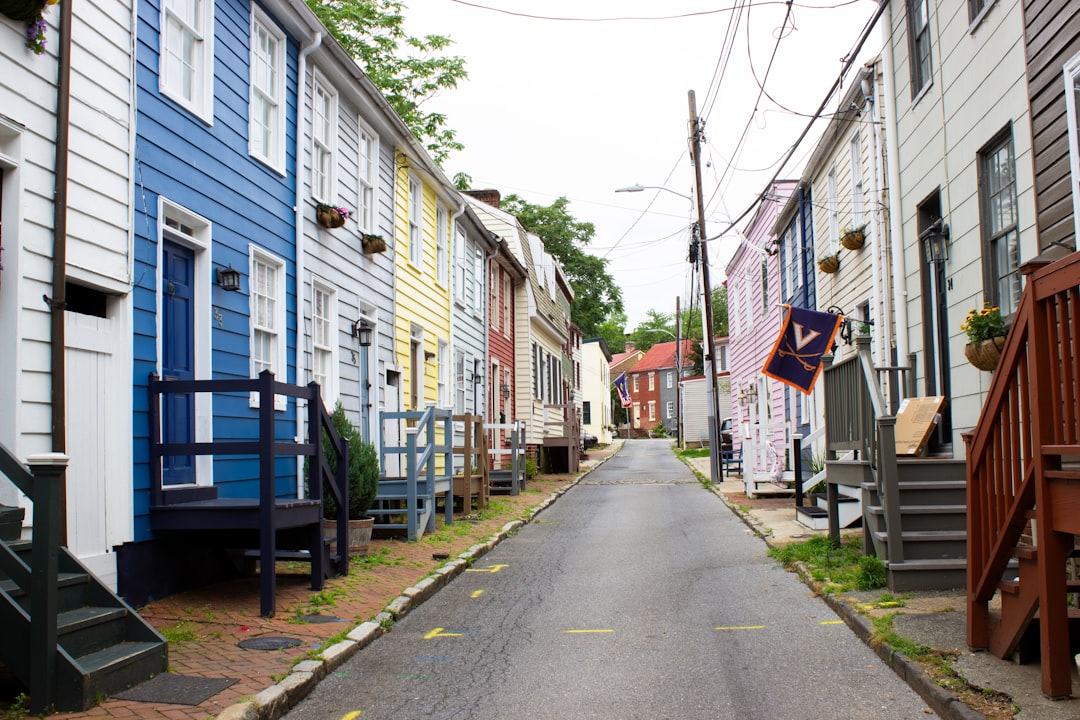
St. Anne’s Church anchors Church Circle, one of two traffic circles that form the skeleton of the original town plan — the other being State Circle around the State House. The baroque street layout radiating from these two circles is itself a historical artefact, one of the earliest examples of formal urban planning in America. Walk it slowly. The residential streets between the two circles — Prince George, East, Duke of Gloucester — are where Annapolis stops feeling like a tourist attraction and starts feeling like a town that simply never stopped being beautiful.
Don’t skip St. John’s College, either. Founded in 1696, it’s the third-oldest college in the United States, and its campus has a quiet that the rest of the historic core can’t quite match. The Liberty Tree — a 400-year-old tulip poplar where colonists gathered to protest the Stamp Act — stood here until a hurricane took it in 1999. A replacement grows in the same spot, which says something about how Annapolis treats its history: not as something finished, but something tended.
Book the Colonial Annapolis & Maryland State House Tour if you want context rather than just buildings. The guides are genuinely knowledgeable, not just costumed, and they’ll point out details in the brickwork and ironwork that you’d walk past on your own. Colonial Annapolis & Maryland State House Tour

The Chesapeake Table
Let me be direct: you are coming to Annapolis to eat crabs. Whatever else you do here, the steamed Maryland blue crab experience is non-negotiable, and the place to have it is Cantler’s Riverside Inn.
Cantler’s sits on Mill Creek, away from the historic centre, in a spot that requires a short drive or a water taxi. The setting is everything — picnic tables covered in brown paper, wooden mallets, a pile of steaming crabs coated in Old Bay, and a view over the creek. It is not refined. It is exactly right. Order a dozen large males and a beer and give yourself ninety minutes. This is not a meal you rush.
Back in town, Buddy’s Crabs & Ribs holds down a prime spot on City Dock. Family-owned, waterfront, no pretension. The crab cake sandwich here is the one I’d measure others against — more crab than filler, which shouldn’t be remarkable but somehow still is.
For something with more polish, Carrol’s Creek Cafe at Eastport does cream of crab soup that borders on ceremonial. It’s Annapolis’s answer to chowder, and it’s better. The Choptank, a newer arrival, serves local Chesapeake oysters and crabs in a classic fish-house format that hits the right notes without trying too hard.
If you’re here in the evening and want craft beer with your seafood, the Boatyard Bar & Grill draws a sailing crowd and does excellent oysters on the half shell — local varieties, often from rivers you can see from the dock.
Sailing Capital, Not Just a Nickname
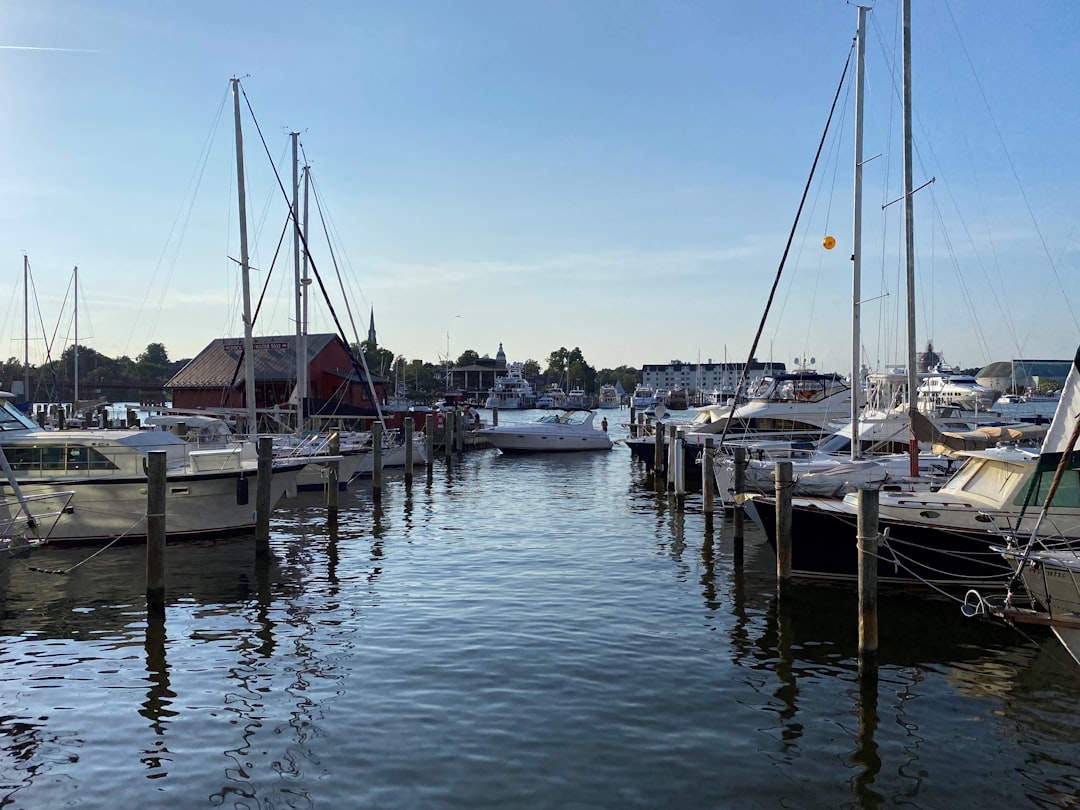
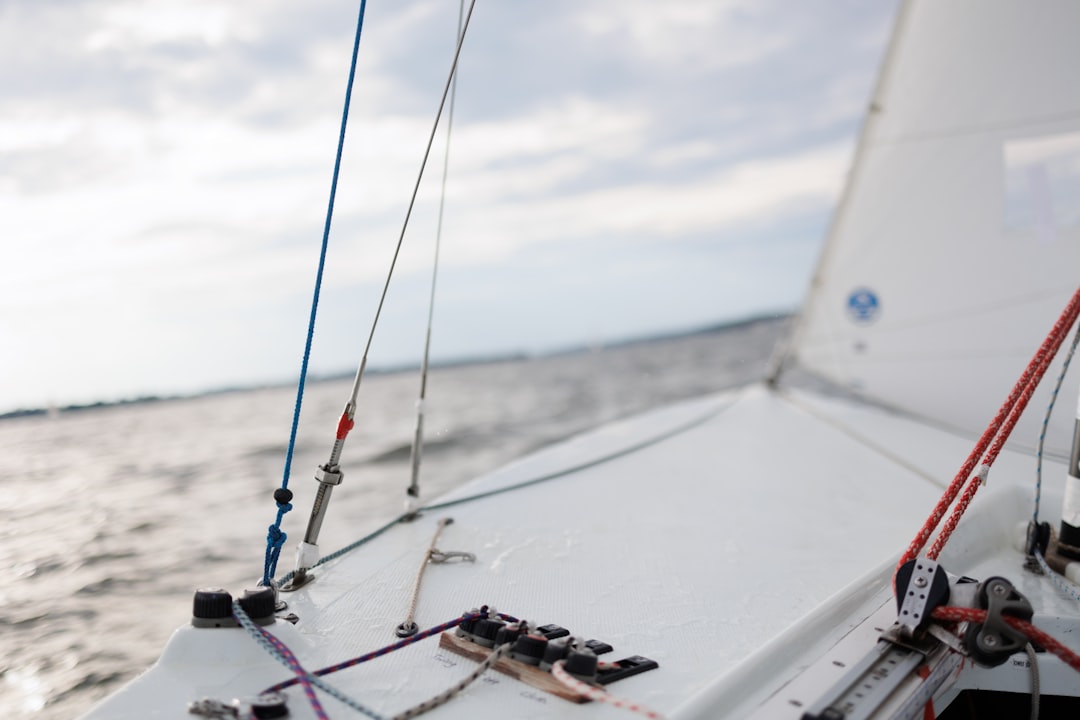
Annapolis calls itself “America’s Sailing Capital” and earns it. The Chesapeake Bay is right there, and the sailing culture runs deeper than tourism branding. The US Naval Academy sits at the edge of the historic district, and while it’s the most visited landmark in Annapolis, the sailing tradition it anchors extends far beyond the military. This is a city where mast height is a more common dinner conversation than house prices.
The easiest way in for a visitor is a sunset sailing cruise from City Dock — two hours on a schooner, no experience needed, the kind of thing where you genuinely forget you’re on holiday and start thinking about what it would take to live here. Sunset sailing cruise on Chesapeake Bay
If you’re here between late April and August, the Wednesday Night Races are the thing. These are real weekly races, not exhibitions, and they’ve been happening since the 1950s. Here’s what most people don’t know: you can crew. Boats post notices looking for extra hands, and showing up at the docks on a Wednesday afternoon with a willingness to follow instructions can get you aboard. It’s the single best way to experience the city’s sailing identity from the inside rather than the shore.
The United States Sailboat Show in October is the largest in-water boat show in the country, turning City Dock into a floating showroom. Even if you’re not buying, the atmosphere — dealers, dreamers, and liveaboards all mixed together — captures something essential about Annapolis.
The Arts District You Didn’t Expect
Most visitors orbit City Dock and the Naval Academy without ever walking up West Street, which means they miss the Annapolis Arts District entirely. It’s a few blocks of galleries — more than twenty-five at last count — alongside live music venues, street art, and restaurants that skew younger and more creative than the waterfront.
The galleries range from proper fine art to ceramics and glasswork studios where you can watch artists at work. Maryland Hall for the Creative Arts, a converted high school at the district’s edge, houses studios, exhibition space, and a performance venue that punches well above what you’d expect from a city this size. On First Sunday gallery walks, the whole district opens up and the streets have a festival energy that contrasts sharply with the colonial gentility of the historic core. It’s worth timing around if you can.
The live music scene here is underrated. Rams Head On Stage, on West Street, pulls acts that would fill much larger venues in D.C. or Baltimore. On any given weekend evening, you can hear jazz, folk, or blues drifting out of pubs along the strip — the kind of unforced atmosphere that a city either has or doesn’t, and Annapolis has it.
For dinner in the Arts District, the restaurant scene along West Street has its own identity — less crab-focused, more inventive, with several spots doing interesting things with Chesapeake ingredients in non-traditional formats. It’s a good counterpoint to a day spent in the 18th century, and a reminder that Annapolis isn’t just a museum with a harbour attached.
Where to Stay and When to Go
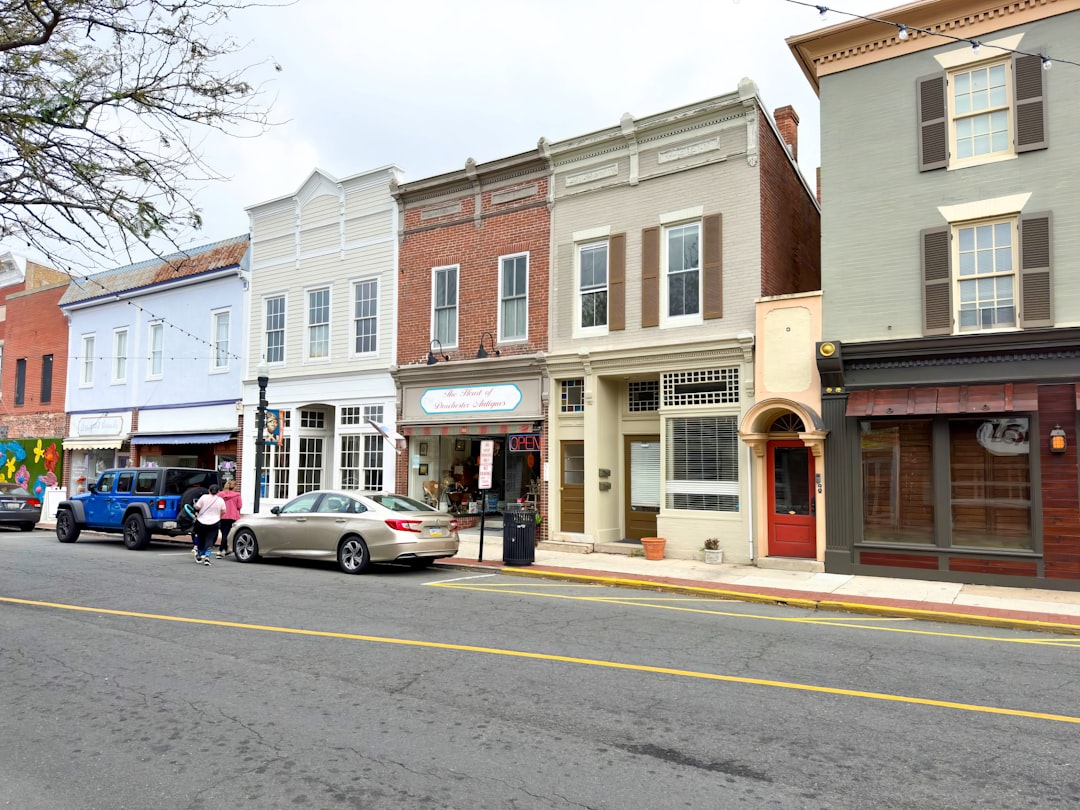
The Historic Inns of Annapolis are the obvious choice and the right one. Three 18th-century buildings in the heart of downtown, walking distance to everything, with rooms that have actual character rather than boutique-by-formula sameness. The Maryland Inn, the oldest of the three, puts you on the doorstep of State Circle. Historic Inns of Annapolis on Booking.com
For something more contemporary, the Westin Annapolis sits at the edge of the Arts District on West Street — a modern hotel that works well if you want to split your evenings between gallery walks and waterfront dinners without driving. The rooms are what you’d expect from a Westin, which is to say: comfortable, predictable, and mercifully free of colonial theming. Westin Annapolis on Booking.com
A third option worth mentioning: 86 State Circle, a boutique hotel steps from the State House with individually themed rooms — the Edgar Allan Poe Suite being the most requested. It occupies a sweet spot between the historic character of the inns and the reliability of a modern hotel. 86 State Circle on Booking.com
As for timing: the sweet spot is September into early October. Crab season is still going strong, the summer humidity has broken, the Maryland Seafood Festival runs in September, and the boat shows follow in October. Spring is lovely too — the Sock Burning in March (yes, locals burn their winter socks to inaugurate sailing season) is the sort of gloriously eccentric tradition that tells you a town has real identity.
One thing worth knowing: Annapolis functions perfectly as a two-day trip from D.C. or Baltimore, but staying overnight is what turns it from pleasant to revelatory. The evening light on the harbour, a late dinner at City Dock, the quiet streets after the day-trippers leave — that’s when the town becomes itself.
Ready to Plan Your Trip to Annapolis?
You’ve done the reading. Here’s everything you need to make it happen.
️ What to Book in Advance
- Colonial Annapolis & Maryland State House Tour
- Sunset Sailing Cruise on Chesapeake Bay
- Browse more Annapolis experiences on Viator
Some links in this post are affiliate links. If you book through them, CuriosityTrail earns a small commission at no extra cost to you. We only recommend things we’d book ourselves.
Daniel Whitaker has walked more colonial American streets than he can count, and Annapolis made him stop counting. When he’s not tracing 18th-century street plans, he’s likely arguing about crab cake ratios or looking for the next overlooked American city that deserves a longer stay.