Visiting Trois-Rivières, Québec: A Complete Guide
Quick Essentials
- 📍 Best Time to Visit: Late September through early October — fall color lights up the river, the crowds are somewhere else entirely, and the International Poetry Festival transforms the whole city for ten days.
- ✈️ Getting There: Search flights on Skyscanner | Direct from most major North American cities to Montréal (YUL) or Québec City (YQB), then 90 min by car
- 🏨 Where to Stay: Browse Trois-Rivières hotels on Booking.com
- 🎟️ Don’t Miss: Self-guided walking tour of Old Trois-Rivières on GetYourGuide
- 🚗 Car Rental: Compare rental cars on Skyscanner | Essential — 90 min drive from Montréal or Québec City
- 💰 Budget Range: $150–$250 CAD per day for mid-range; $350+ for splurge
Most people see Trois-Rivières at 110 kilometers per hour. It’s the name on a highway sign halfway between Montréal and Québec City — a gas stop, maybe, or a reason to wonder briefly what’s there before the exit slides past. For most travelers, the town never registers as anything more than a dot on the map between two cities that have earned their attention.
That’s a mistake. It’s hard to say when Trois-Rivières stopped being the paper-mill town it was for most of the twentieth century and became whatever it is now — a place with poems embedded in its sidewalks, a boardwalk that earns a full afternoon, and an old quarter that has the density of a much larger city without any of the self-consciousness. But the transformation is real and remarkably complete. The smokestacks are museum pieces. The waterfront belongs to pedestrians. The town calls itself the City of Poetry, and unlike most self-given titles, this one isn’t aspirational. It’s accurate.
A long weekend leaves you wondering why you waited. It’s a pattern with the best places — the ones hiding in the gaps between the destinations everyone already knows about.
Why Everyone Drives Past (And Why They Shouldn’t)
The short version: Trois-Rivières spent most of the last century as a working pulp-and-paper town at the confluence of the St. Maurice and St. Lawrence rivers. The Canadian International Paper mill was, at its peak, the largest paper mill in the world. When the industry declined, the town did what many industrial towns attempted and few actually pulled off — it reinvented itself around culture, history, and the river that was always its best asset.
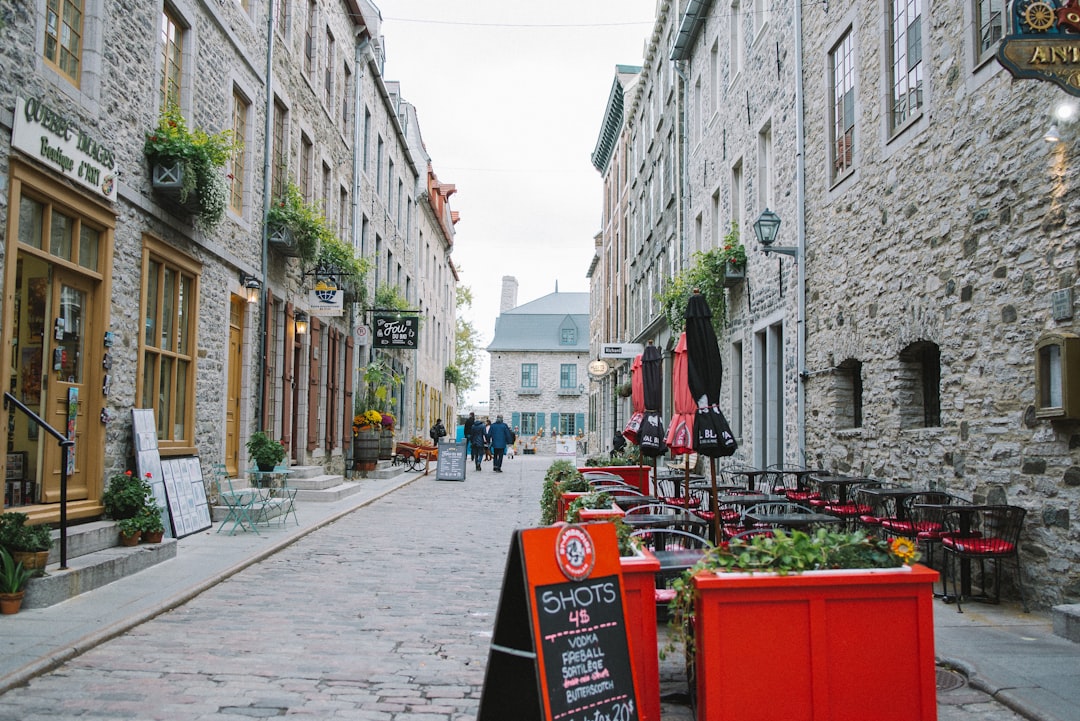
Founded in 1634, it’s the second-oldest city in Québec. The historic core has around thirty heritage buildings, some dating to the 1700s, packed into a walkable few blocks along the river. The Ursuline convent, established in 1697, still stands. The old prison, opened in 1822 and now a museum, still looks like a place you’d prefer to visit voluntarily. These aren’t reconstructions or theme-park heritage — they’re buildings that have been here continuously, aging with a kind of stubborn grace.
What makes Trois-Rivières interesting now, though, isn’t the age of the buildings. It’s what the town chose to do with its second act. In 1985, when the mills were closing and the economic future was uncertain, the city launched the Festival International de la Poésie. Forty years later, it draws a hundred poets from five continents and 35,000 people who come to hear them read in cafés, galleries, schools, and restaurants across the city. The festival lasts ten days. The poetry stays year-round — painted on walls, strung between buildings on clotheslines, pressed into sidewalk panels. You have to be looking, but once you see the first one, you start seeing them everywhere.
Old Town on Foot: 350 Years in a Few Blocks
The walking is the point. Old Trois-Rivières is compact enough that you can cover the historic core in two hours, but giving it a full morning is better. Start at the Ursuline Monastery — the original stone walls and chapel are from 1714, and the museum inside traces the community’s three centuries in the city. Walk toward the river on any cross street and you’ll hit the boardwalk.
The heritage buildings cluster along rue des Ursulines and rue des Forges, where the architecture shifts from French colonial stone to Victorian brick to early twentieth-century commercial without much warning. Interpretive panels appear throughout, but they’re restrained — they add context without turning the streets into an outdoor exhibit. The panels are worth reading, and the doors in Old Trois-Rivières are remarkably good to photograph.
A self-guided walking tour covers more than thirty sites across the quarter, and it’s the best way to find the details you’d walk past otherwise — the fortification traces, the places where the 1908 fire that destroyed much of the town stopped, the buildings that survived. Self-guided walking tour of Old Trois-Rivières
From Paper Mills to Poetry Lines
Boréalis is the museum easiest to skip. “Centre for the History of the Paper Industry” is not a phrase that makes anyone walk faster. But this is one of those places where the building itself is the exhibit — it sits on the grounds of the old CIP mill at the mouth of the St. Maurice River, and the underground filtration tunnels from the original industrial operation are still accessible. Walking through them, with the river audible above, is genuinely eerie and beautiful. The main exhibit, “Transformations,” traces the arc from forest to paper to whatever comes next, and it’s better than it has any right to be.
In summer, Boréalis runs a cruise on the St. Maurice from the museum terrace. The terrace restaurant alone is worth the stop — the view where the St. Maurice empties into the St. Lawrence is the kind of thing that makes you understand why someone built a city here in 1634. Boréalis paper industry museum experience
The Musée POP, a few blocks away, covers Québec popular culture with rotating exhibitions that are bolder and stranger than the name suggests. Between the two, you get a complete picture of what Trois-Rivières was and what it’s decided to become.
Along the Boardwalk
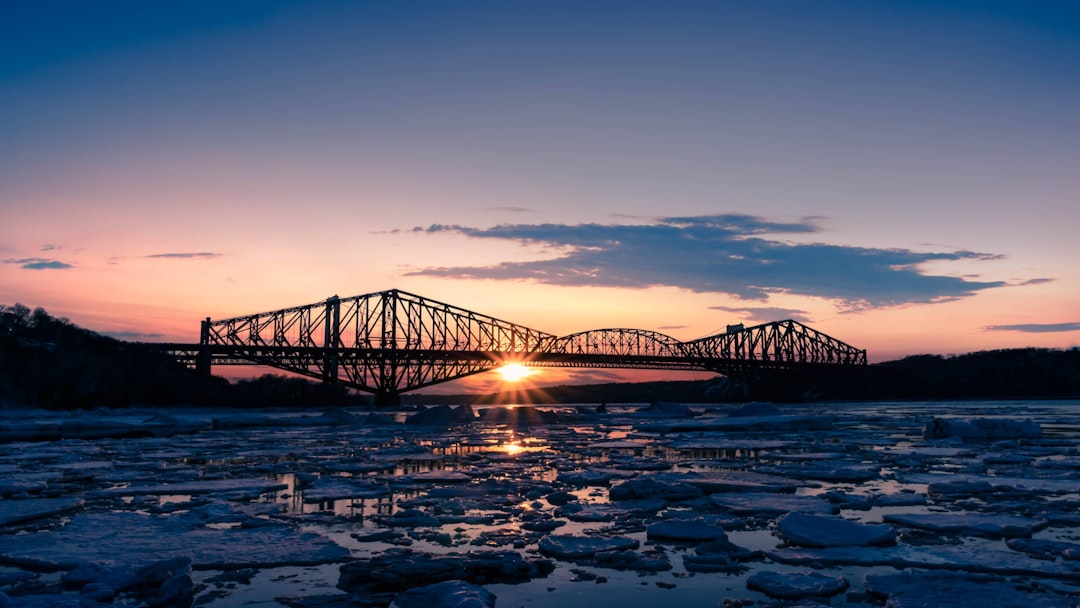
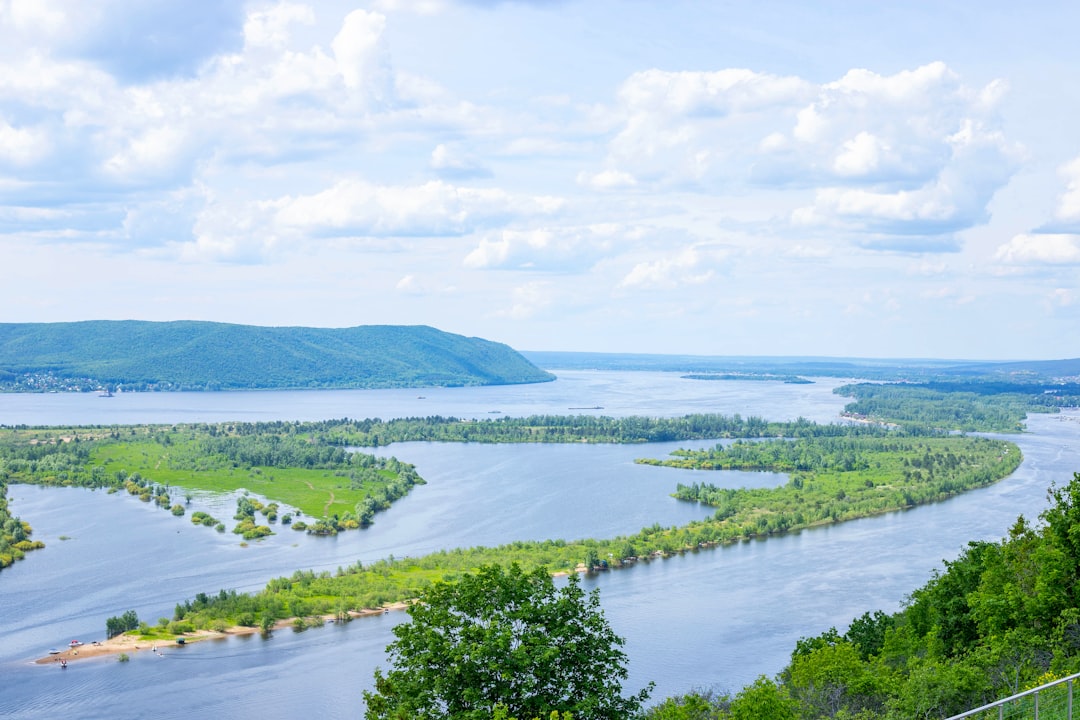
The harbour boardwalk runs about 2.5 kilometers along the St. Lawrence waterfront, and it’s the thing most visitors don’t hear about in advance. Most visitors stick to the Old Town streets, and those are worth the time — but the boardwalk is where Trois-Rivières opens up. The views across the river to Bécancour are wide and unhurried. Interpretive panels cover the river’s ecology and shipping history. Cargo ships pass close enough that you can read their names.
Walk the full length east toward the port and the crowds thin to almost nothing. Find a bench at the far end and sit for the better part of an hour watching the light change on the water. It felt like an act of civic generosity — a city that built something this beautiful along its riverfront and then didn’t fill it with commerce.
The Ecological Park of Anse-du-Port, just outside the main boardwalk stretch, is a free network of wooden-boardwalk trails through wetland habitat. It’s tiny, quiet, and the kind of place you’d never find unless someone pointed you there.
A Detour Worth Making: Notre-Dame-du-Cap
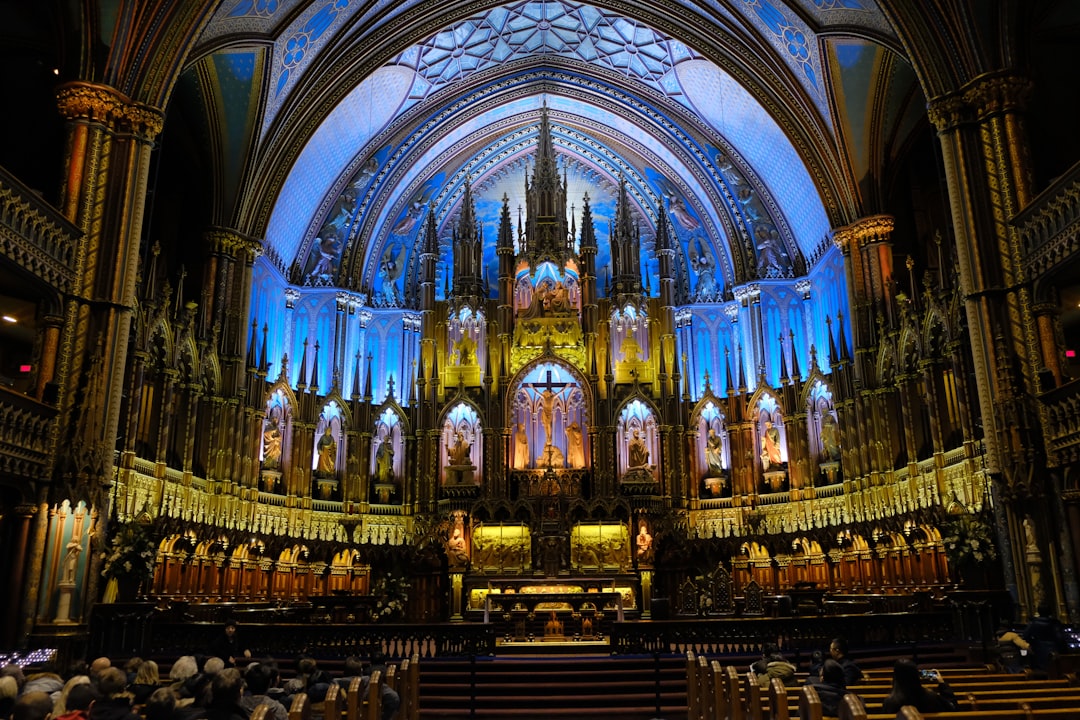
About ten minutes east of Old Town, the Sanctuaire Notre-Dame-du-Cap is Canada’s national Marian shrine and one of those places that earns the visit regardless of your relationship with Catholicism. The Basilica itself — an octagonal modernist structure from 1964 — seats 1,660 and contains a Casavant organ with 5,425 pipes and stained-glass windows by Dutch master Jan Tillemans that are worth the drive alone.
The older chapel next door, dating to 1714, is where the Miracle of the Eyes was reported in 1888 — three witnesses claimed a statue of the Virgin Mary opened its eyes. Whether you take that on faith or as local legend, the grounds are beautiful: manicured gardens, a Bridge of the Rosaries, and a peaceful walk along the river that feels entirely separate from the downtown a few minutes away. Guided tour of Sanctuaire Notre-Dame-du-Cap
The Table: Where the Poutine Actually Matters
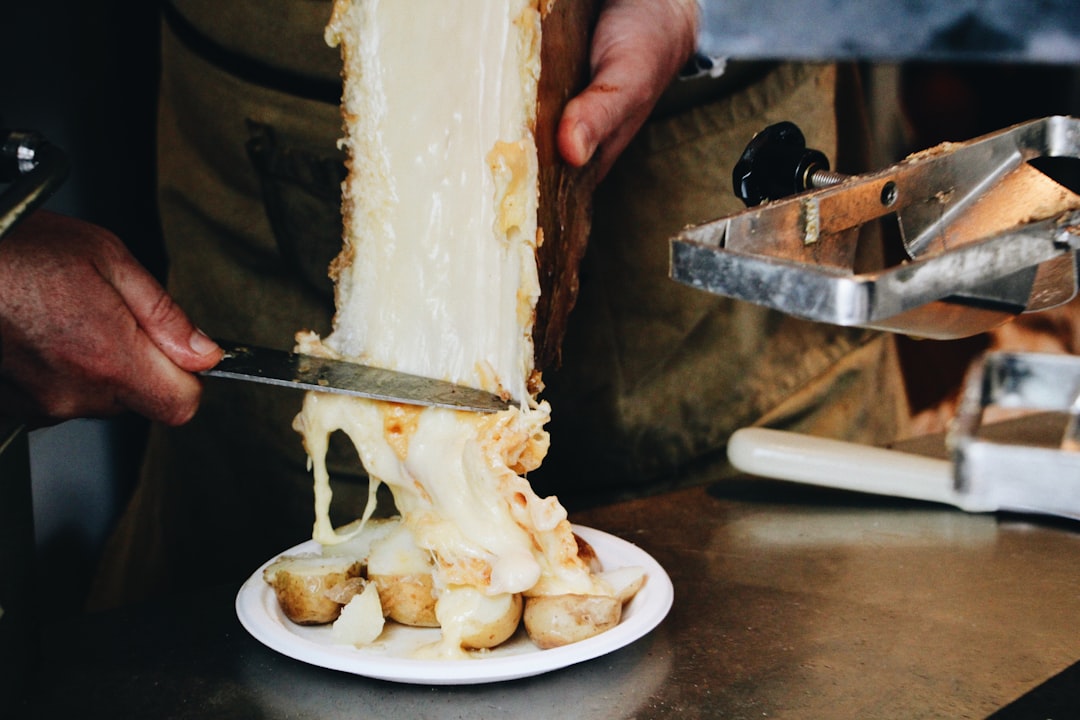
Trois-Rivières is a poutine town in a way that Montréal, for all its fame, has largely outgrown. The difference is proximity to source — the cheese curds here are genuinely local, squeaky-fresh, made that morning. If you care about poutine at all, Fromagerie Victoria is the stop. They make the curds in-house — their skouik skouik cheese is the real thing — and the poutine is unpretentious and exactly right.
Poivre Noir is the splurge. Refined Québécois cuisine in a downtown space with a hidden back patio. The tasting menu is worthwhile if you want a longer evening. Le Temps d’une Pinte is the craft beer spot — rotating taps from Mauricie-region microbreweries paired with creative pub food that’s a step above what you’d expect.
Don’t leave without trying tourtière. The Mauricie version is richer and more layered than what you’ll find in Montréal — closer to the Saguenay tradition, with game meat and a longer spice profile. Ask at any local restaurant; it’s a point of regional pride. If you’re visiting in March or April, a cabane à sucre (sugar shack) experience is essential — the tire sur la neige, the oreilles de crisse, the whole maple-drenched ritual. It’s as Québécois as it gets. Signature Sugar Shack Experience in Trois-Rivières
Planning Your Stay
When to go: Late September through early October is the sweet spot — comfortable temperatures, golden light along the river, and the Festival International de la Poésie (October 2–11, 2026) which turns the entire city into a literary event. If summer suits your schedule better, FestiVoix (late June–early July) brings 120-plus shows on 15 stages. August has the Grand Prix, a street-circuit race with a festival atmosphere.
Where to stay: Old Town is the only neighborhood worth booking if you want to walk. The heritage inns and B&Bs in converted stone buildings along the river have more character than the chain options further out. Browse Old Town Trois-Rivières hotels on Booking.com
For a quieter base, Auberge Godefroy across the river in Bécancour has spa facilities and a resort pace that works if you’re happy driving into town each day. Check availability at Auberge Godefroy
How long: Two full days is comfortable. Three is ideal, especially if you time it around a festival. This isn’t a destination that demands a week, but it rewards the second day more than the first — once you’ve found the boardwalk and the poetry and the right restaurant, you settle in.
Getting there: Fly into Montréal-Trudeau (YUL) or Québec City Jean Lesage (YQB) — Trois-Rivières is almost exactly 90 minutes by car from either. The A-40 runs straight through. There is no practical reason to not stop.
Ready to Plan Your Trip to Trois-Rivières?
You’ve done the reading. Here’s everything you need to make it happen.
🎟️ What to Book in Advance
- Self-guided walking tour of Old Trois-Rivières
- Signature Sugar Shack Experience
- Browse more Trois-Rivières experiences on Viator
Some links in this post are affiliate links. If you book through them, CuriosityTrail earns a small commission at no extra cost to you. Recommendations are chosen on merit; commissions never decide what’s included.