Visiting Bologna, Italy: A Complete Guide
Quick Essentials
- 📍 Best Time to Visit: Late September through early November — truffle season opens, the crowds evaporate, and every trattoria is serving fresh tortellini in capon broth like their reputation depends on it.
- ✈️ Getting There: Search flights on Skyscanner | Direct from London, Paris, and major European hubs; easy train from Rome (2 hrs) or Florence (35 min)
- 🏨 Where to Stay: Browse Bologna hotels on Booking.com
- 🎟️ Don’t Miss: Guided food tour through the Quadrilatero on GetYourGuide
- 💰 Budget Range: €120–€250 per day for mid-range to comfortable travel, including one serious meal
Bologna doesn’t try to impress you. It doesn’t have to.
There’s no Colosseum to line up for, no David to crane your neck at, no gondoliers shouting for your attention. What Bologna has instead is a city that has been feeding people extraordinarily well for about eight centuries and sees no reason to stop. The Italians call it la grassa — the fat one — and they mean it as the highest compliment. This is where ragù was born. Where tortellini was folded into its first knot. Where mortadella isn’t deli meat — it’s a point of civic pride sliced thick on a wooden board at 10 in the morning.
If you’ve already done Florence and Rome and Venice, Bologna is the answer to the question you didn’t know you were asking: where do Italians actually eat?
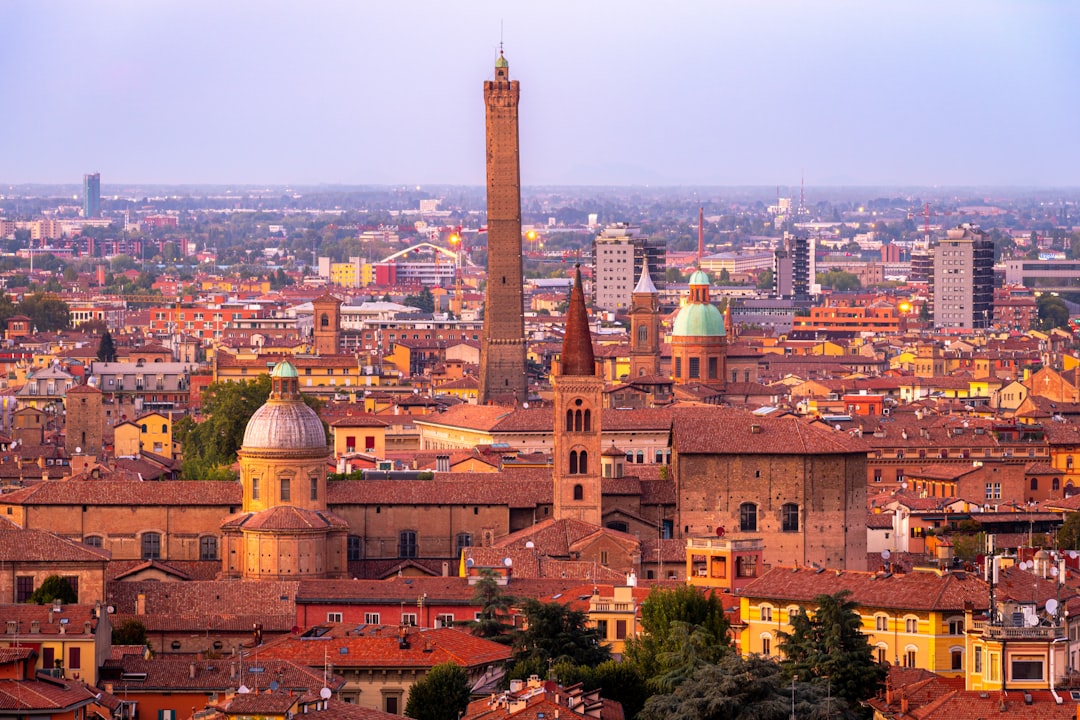
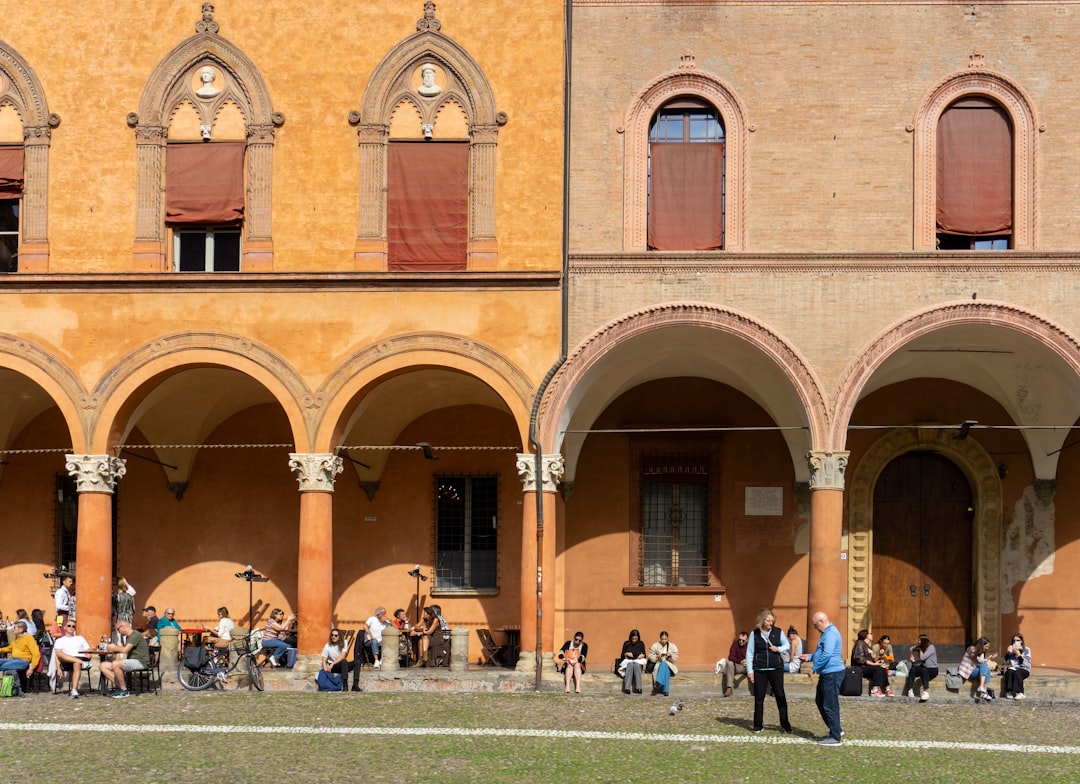
The city runs on a different rhythm. Forty-two kilometers of medieval porticoes — UNESCO-listed since 2021 — line the streets like covered corridors, connecting market stalls to trattorias to wine bars in one unbroken sheltered walk. You could cross the entire historic center without seeing the sky, though you’d miss the terracotta skyline that gives the city its second nickname: la rossa, the red one.
La Grassa Earns Its Name — What to Eat in Bologna
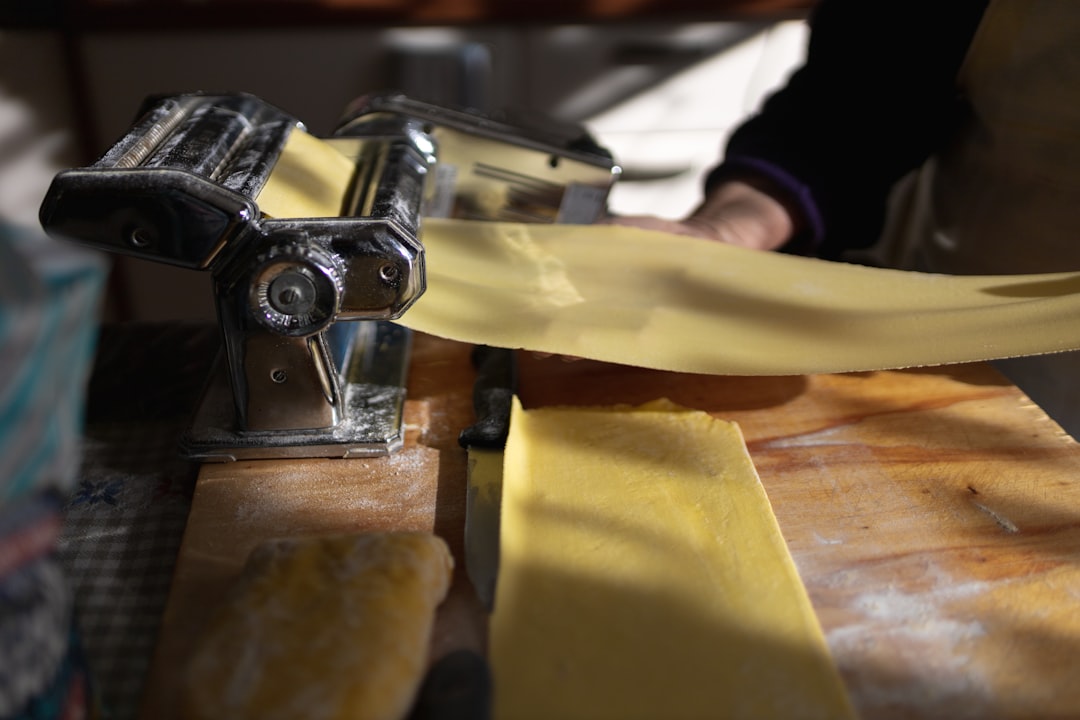
Start with the non-negotiables. Tortellini in brodo is the dish that defines this city — tiny parcels of meat folded by hand and served in a clear, golden capon broth that’s deceptively simple and impossible to forget. Every trattoria has its own recipe, and every nonna believes hers is definitive. They’re all right.
Tagliatelle al ragù is what the rest of the world calls “Bolognese,” except here it’s never served on spaghetti. Hand-cut egg ribbons, wide enough to hold the slow-simmered meat sauce, which is more about texture and depth than the tomato-heavy versions you’ve had elsewhere. Order it once and you’ll understand why Bolognese cooks take the distinction personally.
Then there’s mortadella. Find Tamburini on Via Drapperie in the Quadrilatero market and ask for it sliced thick, eaten on a warm tigelle — a small, round flatbread split and stuffed. Pair it with a glass of dry Lambrusco, the sparkling red wine that Emilia-Romagna has been quietly reclaiming from its 1980s sweet-export reputation. The good stuff is tart, fizzy, and cuts right through all that richness. That’s the point.
For a proper aperitivo, order crescentine — the same tigelle flatbreads, this time stuffed with lardo, prosciutto, or squacquerone cheese. It’s the kind of food that makes you rethink dinner timing entirely.
The Morning Ritual — Shopping the Quadrilatero
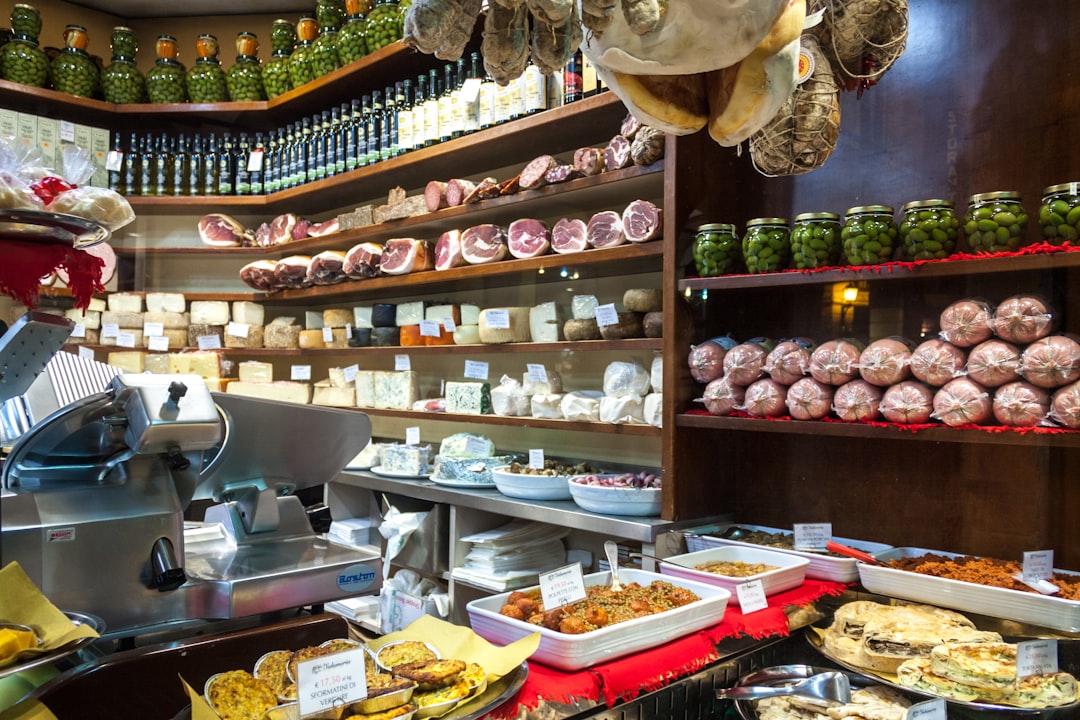
The Quadrilatero is the oldest market district in Bologna, a tight grid of medieval streets just off Piazza Maggiore where the city has been buying its food since the Middle Ages. It’s open every day, but the real experience is a weekday morning before the aperitivo crowds arrive.
Start on Via Pescherie Vecchie, where fishmongers set their displays out on marble slabs and fruit vendors stack crates with an art director’s eye. Turn onto Via Drapperie for the cured meats and cheeses — this is where you’ll find Tamburini, which has been operating since the 1930s and still draws a line of Bolognesi waiting for their weekend mortadella. Via Clavature and Via Spadari round out the walk with artisanal pasta makers and bakeries selling pane bolognese — the salt-free bread that’s meant to be a vehicle for everything else.
This isn’t a tourist market wrapped in a heritage bow. The regulars shopping here at 9 AM are buying ingredients for lunch. Follow their lead: pick up some Parmigiano Reggiano, a paper cone of fried gnocco fritto, and eat it leaning against a column under the porticoes. That’s breakfast.
If you want a guide to walk you through the stalls and explain what you’re tasting, a small-group food tour through the Quadrilatero is worth the three hours. Guided food tour through the Quadrilatero
Under the Arches — Walking Bologna’s Portico-Lined Streets
You’ll hear about the porticoes before you arrive and assume they’re a nice architectural detail. They’re not a detail. They’re the skeleton of the city.
Bologna has 62 kilometers of porticoed walkways — 42 of them packed into the historic center. They were built starting in the 11th century to create extra space above the street for the growing university population, and they’ve been defining how Bolognesi live ever since. In summer, they’re shade. In rain, they’re shelter. At night, they’re lit like a theatre set. Walking beneath them feels less like sightseeing and more like being let in on a secret the city has kept for a thousand years.
The one walk you shouldn’t skip is the Portico di San Luca — 666 arches stretching 3.8 kilometers uphill from Porta Saragozza to the Sanctuary of the Madonna di San Luca. It’s the longest continuous portico in the world, and the views from the top justify every step. Go in the late afternoon when the light turns the rooftops below into a terracotta sea.
For the city’s grandest covered walkway, find the Pavaglione — a wide, marble-floored portico running alongside the Basilica di San Petronio and the Archiginnasio, the original university building. It’s where professors and students have been arguing since the 11th century, and it still hums with that energy.
Where the Locals Actually Eat — Trattorias Worth Sitting Down For
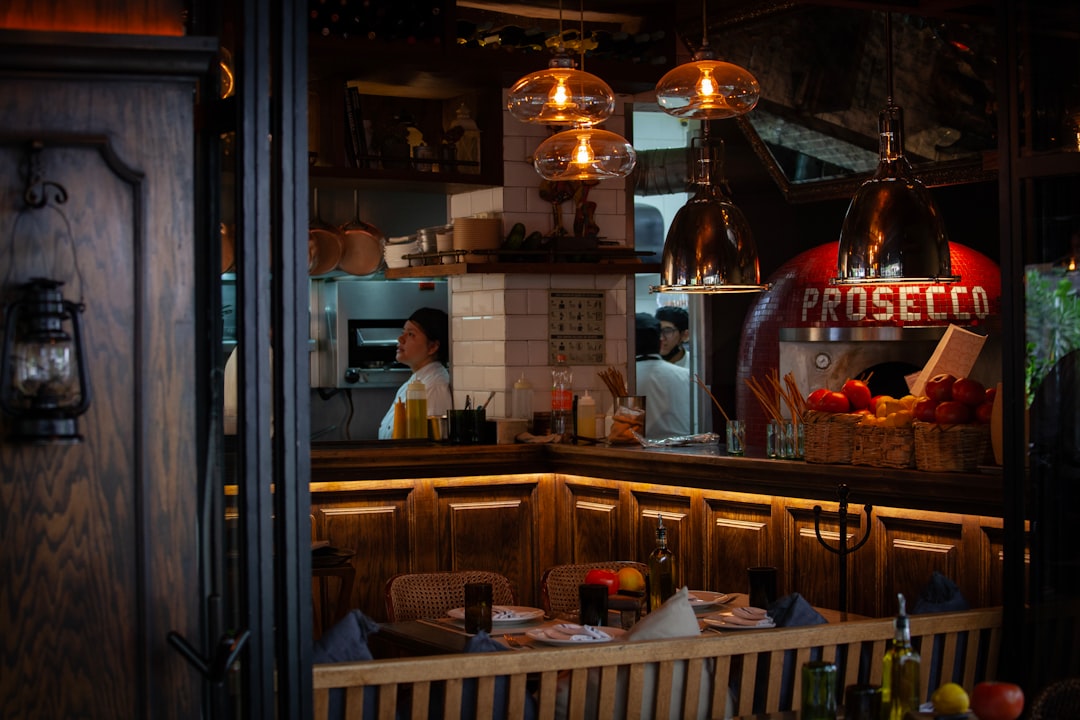
Trattoria Della Rosa doesn’t have a written menu. The owner, Emanuele, greets you at the door, walks you through what’s good today, and delivers plates of house-made pasta and braised meats that have been coming out of the same kitchen for decades. This is the Bologna dining experience distilled to its essentials — trust the cook, eat what arrives.
Trattoria da Gianni on Via Clavature is the classic pick for tagliatelle al ragù and tortellini in brodo. It fills up fast at lunch, and reservations are more suggestion than guarantee. Get there early.
Va Mo La on Via delle Moline occupies what used to be a bookshop, which explains the warm, slightly cluttered atmosphere. The cooking is home-style Bolognese — unpretentious, generous, and exactly what you want after a morning walking the porticoes.
For something slightly off the tourist circuit, Trattoria di Via Serra in the Bolognina neighborhood is worth the ten-minute walk north of the center. Simple, informal, and the kind of place where the server remembers what you ordered last time — even if there was no last time. Book ahead.
Beyond the Plate — Bologna for the Curious
The Archiginnasio anatomical theatre is the room that stops you in your tracks. A 17th-century wood-carved lecture hall where medical students once watched dissections from tiered benches beneath a ceiling of carved figures. It’s inside the original University of Bologna building — the oldest university in continuous operation in the world, founded in 1088 — and most visitors walk right past it on their way to the towers.
Speaking of towers: the Asinelli Tower is the one you can climb. The 498 steps are narrow and the staircase leans, but the panoramic view from the top is the best in the city. Its companion, the Garisenda, leans even more dramatically and has been closed for safety — Bologna’s own quieter version of the Pisa problem.
Mercato delle Erbe is the other market — the one the Quadrilatero tourists don’t find. It’s a covered hall on Via Ugo Bassi where university students and residents eat lunch at communal tables surrounded by vegetable vendors and wine stalls. Less curated, more alive. This is where you eat if you want to feel like part of the city rather than a visitor to it.
For a day outside the city, the Parma and Modena food factory circuit is a satisfying half-day trip: visit a Parmigiano Reggiano dairy where the wheels age in cathedral-like storerooms, tour a prosciutto cellar, and finish at a traditional acetaia in Modena where balsamic vinegar has been aging in wooden barrels for 25 years. Parma and Modena food factory day trip
When to Go and Where to Sleep
April through June is ideal for first-time visitors — the weather is warm enough for long portico walks, and the outdoor cinema in Piazza Maggiore starts screening restored classics during Il Cinema Ritrovato in late June. September and October are even better if you eat seriously: white truffle season starts in October, and the Acetaie Aperte event at the end of September opens 40+ balsamic vinegar producers to visitors.
Summer is hot. August empties the city of locals. But if you’re there, Bologna Estate runs over 400 free events from May through September — concerts, film screenings, theatre — in venues across the historic center.
Where to stay: The Centro Storico around Piazza Maggiore keeps everything walkable and drops you into the Quadrilatero each morning. For something with more character, the Ghetto Ebraico near the Two Towers is quieter, loaded with aperitivo bars, and still perfectly central. Browse Bologna hotels on Booking.com
For a luxury stay with genuine history, the Grand Hotel Majestic già Baglioni is a five-star property in a frescoed palazzo that feels like it belongs to the city rather than a hotel chain. If you want neighborhood energy over monument proximity, look at Bolognina — it’s ten minutes north on foot, more local, and the value is noticeably better. Boutique hotels in Bologna’s Centro Storico
Ready to Plan Your Trip to Bologna?
You’ve done the reading. Here’s everything you need to make it happen.
🎟️ What to Book in Advance
- Guided Traditional Food Tour through the Quadrilatero
- Tortellini Cooking Class with Aperitivo
- Browse more Bologna experiences on Viator
Some links in this post are affiliate links. If you book through them, CuriosityTrail earns a small commission at no extra cost to you. Recommendations are chosen on merit; commissions never decide what’s included.