Copenhagen Beyond Noma: Bakeries, Harbor Swims & the Art of Slow Exploration

Quick Essentials
- 📍 Best Time to Visit: May through September — May is the insider pick for long light and empty bike lanes, but June brings 3daysofdesign and near-midnight sunsets.
- ✈️ Getting There: Search flights on Skyscanner | Direct from New York, Chicago, San Francisco, Toronto
- 🏨 Where to Stay: Browse Copenhagen hotels on Booking.com
- 🎟️ Don’t Miss: Copenhagen Card — 80+ attractions & public transport on GetYourGuide
- 💰 Budget Range: $180–$350 per day for mid-range to splurge travel
The City That Doesn’t Rush You
Copenhagen’s reputation arrives before you do. You’ve heard about the Michelin stars, the design, the bikes. You probably know that Noma closed its dining room and became something else entirely. What nobody tells you is how quiet the city feels once you’re actually in it.
This is a place where people swim in the harbor on their lunch break. Where a bakery line moves slowly because the person ahead of you is choosing between three kinds of cardamom bun and nobody minds. Where the most impressive museum in the city sits in a building that used to be a hospital, and the most interesting neighborhood was laid out by a king copying Amsterdam’s homework in 1617.
Copenhagen doesn’t sell itself as a destination for checking things off. It rewards the opposite — slowing down, picking a neighborhood, and spending a morning there. The cycling infrastructure isn’t a tourist attraction; it’s just how the city works. And once you stop treating it as something to “see” and start treating it as something to move through, the whole place opens up.
The Bakery Boom: Sourdough, Cardamom & a City That Cares About Bread
The last decade has turned Copenhagen into one of Europe’s great bakery cities, and the story runs directly through Noma. When René Redzepi partnered with Richard Hart — formerly head baker at San Francisco’s Tartine — to open Hart Bageri in Vesterbro, it set off something. The cardamom bun became a civic obsession: leftover croissant dough rolled in cardamom sugar and baked until the edges caramelize into something almost brittle. It’s the best argument for getting up early in Copenhagen.
But Hart isn’t the whole story. In Nørrebro, Andersen & Maillard does things with laminated dough that make you reconsider every pastry you’ve eaten before. Their matcha bun manages to taste neither gimmicky nor restrained — it’s just good. Meyers Bageri, a few blocks away, stays rooted in Danish tradition: poppy seed pastries, dense sourdough, the kind of loaf you’d buy for a picnic on the lakes.
The neighborhood bager — the local bakery — is the real thread here. These aren’t destination bakeries with PR teams. They’re the places where you stand at a counter at 7:30am and point at a spandauer, the custard-filled Danish pastry that most of the world has never tasted properly. Sankt Peders Bageri in Indre By has been doing this since before “artisan” was a marketing term.
Jump In: The City That Swims in the Harbor
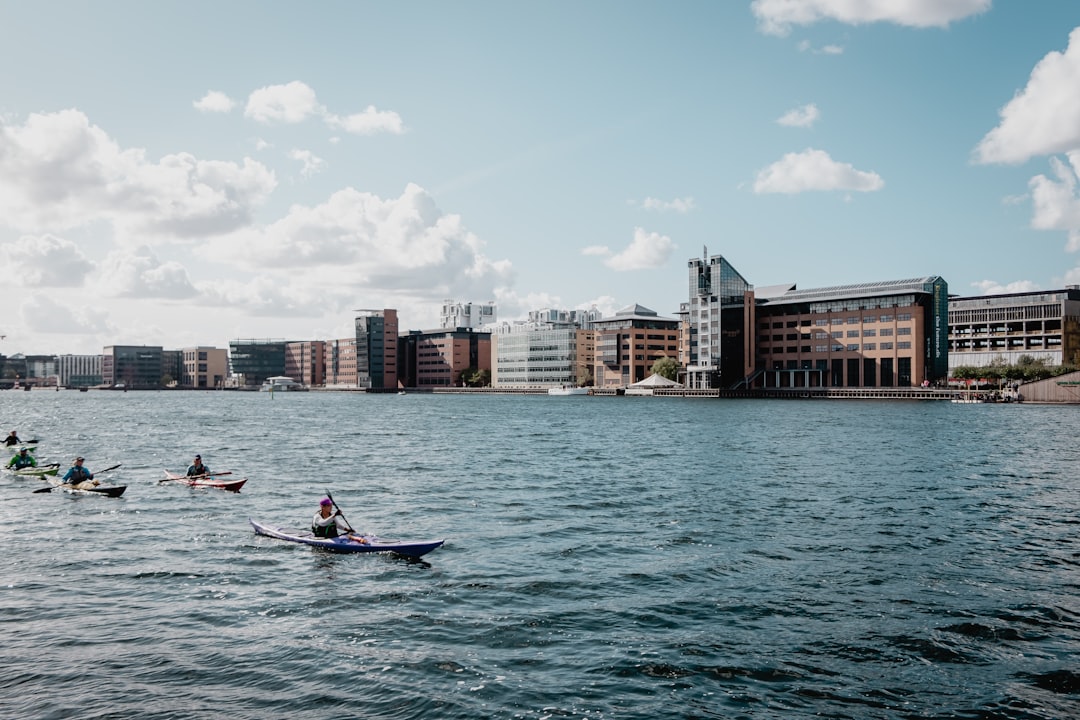
Islands Brygge Havnebad is the one you’ve seen in photographs — five pools and a diving platform set into the harbor, the city skyline behind, lifeguards on duty from June through August. The water is genuinely clean, the result of decades of engineering that most cities haven’t bothered to attempt. On a warm afternoon the grassy lawn fills up, but it never feels crowded the way a beach does. People read. Kids jump off the platform. Someone is always doing laps.
For something quieter, Sandkaj Havnebad in Nordhavn draws a more local crowd. And at Krøyers Plads in Christianshavn, swimmers jump straight from the wooden decking into the canal — no infrastructure, no lifeguard, just the city at water level.
The newest addition is the Water Culture House, designed by Kengo Kuma and opening in spring 2026. It’s Copenhagen’s answer to a question nobody else is asking: what if a city swimming pool were also a piece of architecture worth visiting? Indoor and outdoor pools, Japanese-influenced design, and a location that makes it the logical next step after an afternoon at Islands Brygge.
Christianshavn: Copenhagen’s Quiet Side
Christian IV laid out Christianshavn in 1617, borrowing Amsterdam’s blueprint: a grid of canals, Dutch Renaissance brick, and a working harbor woven through the middle. Four centuries later, it still feels like a place apart. The canals are lined with houseboats, the light is different here — softer, bouncier off the water — and the pace drops noticeably the moment you cross the bridge from Indre By.
The headline attraction is Vor Frelsers Kirke and its 400-step external spiral staircase. The view from the top is the best panoramic in the city, and the final stretch — where the stairs narrow and the railing is all that separates you from the sky — is genuinely vertiginous. Go early. By midmorning the queue wraps around the building.
But Christianshavn’s real draw is its texture. This is where Kadeau holds two Michelin stars with cooking rooted in Bornholm’s landscape. Where Restaurant Aure quietly earned its own stars. Where the side streets reveal nothing remarkable and everything atmospheric — a bench by the water, a café with four tables, a boat being repainted by someone in no hurry.
Design Is the Point
Designmuseum Danmark sits in a 1757 rococo building that was originally Copenhagen’s first public hospital. The permanent collection walks you through the Danish design tradition — Arne Jacobsen, Finn Juhl, Verner Panton — but the building itself is half the experience. The museum garden is the greenest in Copenhagen, and the café is better than any museum café has a right to be.
In 2026, the museum is running a year-long centenary celebration of Verner Panton — the designer who blurred every line between furniture, architecture, and art. If his name doesn’t ring a bell, his Panton Chair will. The exhibition is worth the trip even if you think you don’t care about design. You will by the time you leave.
Designmuseum Danmark entry via Copenhagen Card — 80+ attractions included
If your visit falls in June, 3daysofdesign transforms the city into an open-air design fair. Showrooms, studios, and pop-up exhibitions appear across every neighborhood. It’s less a trade show than a citywide conversation about how things should look and feel.
Eating Beyond the Stars
Copenhagen holds 29 Michelin stars across 19 restaurants, but the most interesting food in the city isn’t necessarily the most expensive. The Noma alumni network has scattered across Copenhagen, and their projects — taquerias, pizza joints, bakeries, seafood counters — are where the creative energy lives now.
Hija de Sanchez started as a taco stand run by Noma’s former pastry chef, Rosio Sanchez. The corn tortillas are made from nixtamalized Danish corn. It shouldn’t work and it does completely. Goldfinch, opened by Geranium’s former head chef, serves Cantonese food that feels grown-up and fun — precisely the combination most fusion restaurants get wrong.
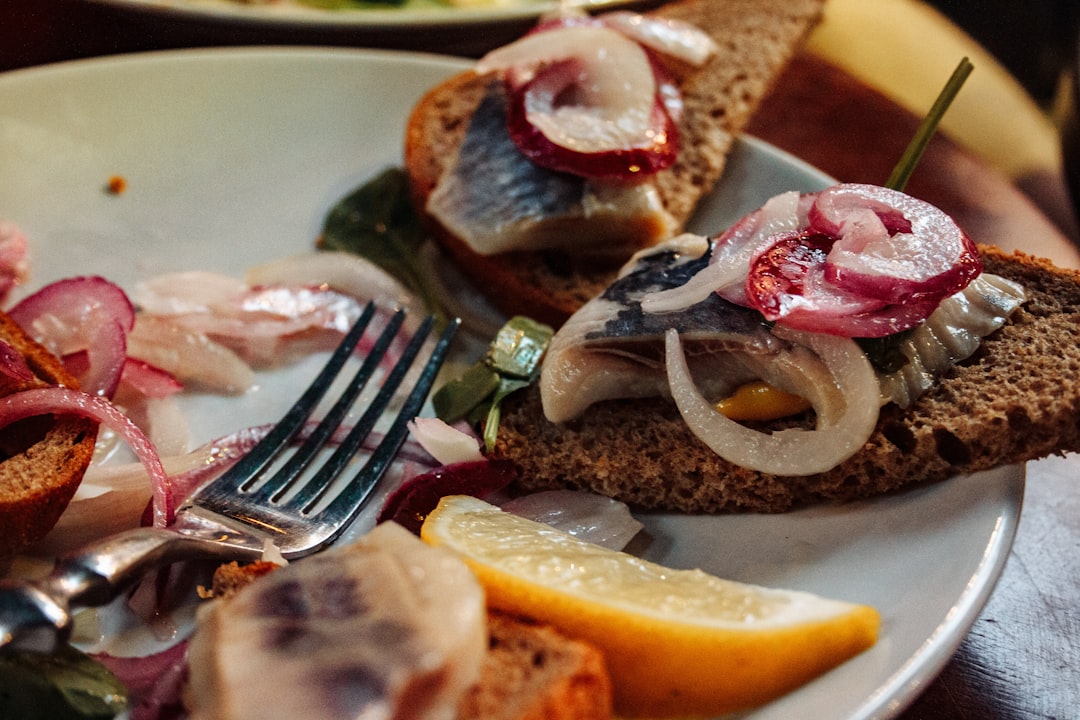
For traditional smørrebrød, Schønnemann has been serving open-faced sandwiches on dark rye since 1877. Order the pickled herring with onion and capers, and the roast beef with remoulade and crispy shallots. Aamanns 1921 does a more contemporary version of the same tradition.
And don’t walk past a pølsevogn — the street hot dog cart — without stopping. Danish hot dogs come slathered in remoulade with crispy fried onions and pickles. They cost almost nothing and they’re one of the city’s most honest pleasures.
By Bike or On Foot: Moving Through the City
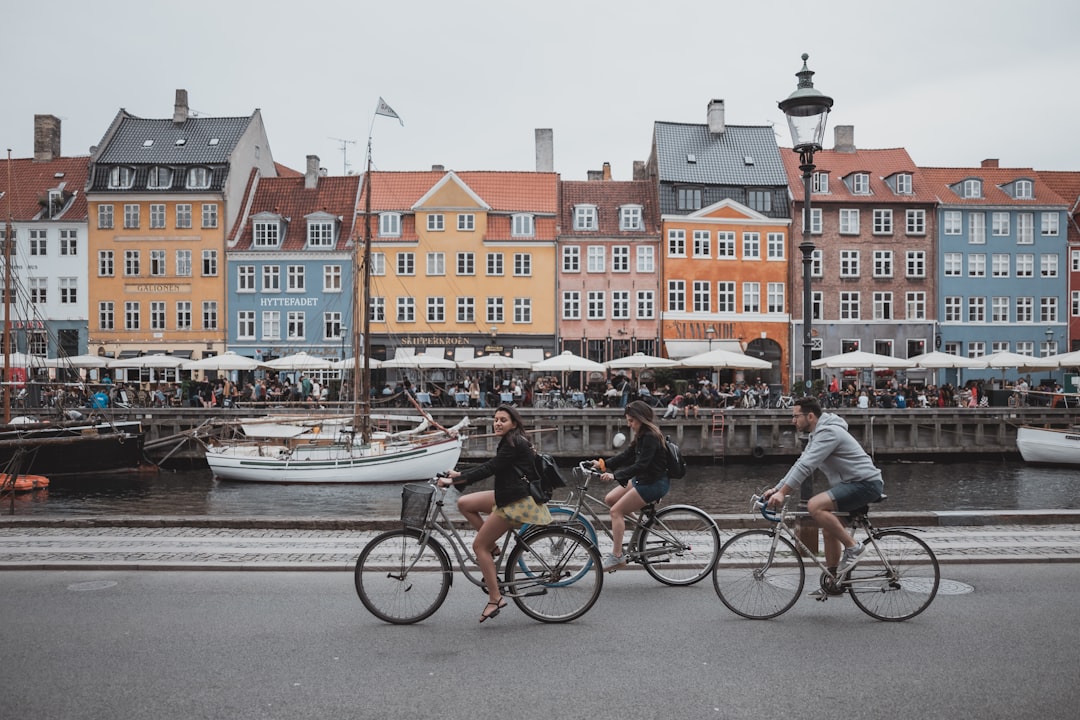
Copenhagen’s cycling infrastructure is the kind of thing other cities study and then fail to replicate. Separated bike lanes, dedicated signals, and a population that treats cycling as transport rather than recreation. Rent a bike and you’ll understand the city’s geography in an afternoon — Vesterbro to Nørrebro is fifteen minutes, Christianshavn to the harbor baths is ten.
The best way to experience Copenhagen is to pick two neighborhoods and spend half a day in each. Bike between them. Stop for coffee. Stop again for a pastry. The city is flat, the distances are short, and the ride itself is part of the experience. Walking works beautifully in Christianshavn and Indre By, where the streets are narrow and the details are at eye level. But for covering ground — getting from the bakery in Vesterbro to the museum in Frederiksstaden — the bike is the move.
Copenhagen small-group cycling tour — 3 hours with a local guide
Where to Settle In
Vesterbro is where the food scene lives. Hart Bageri, the Meatpacking District restaurants, and a creative energy that feels lived-in rather than curated. Stay at Villa Copenhagen for a rooftop pool and proximity to Central Station, or Hotel Nimb if you want a boutique experience with Tivoli at your doorstep.
→ Browse Vesterbro hotels on Booking.com
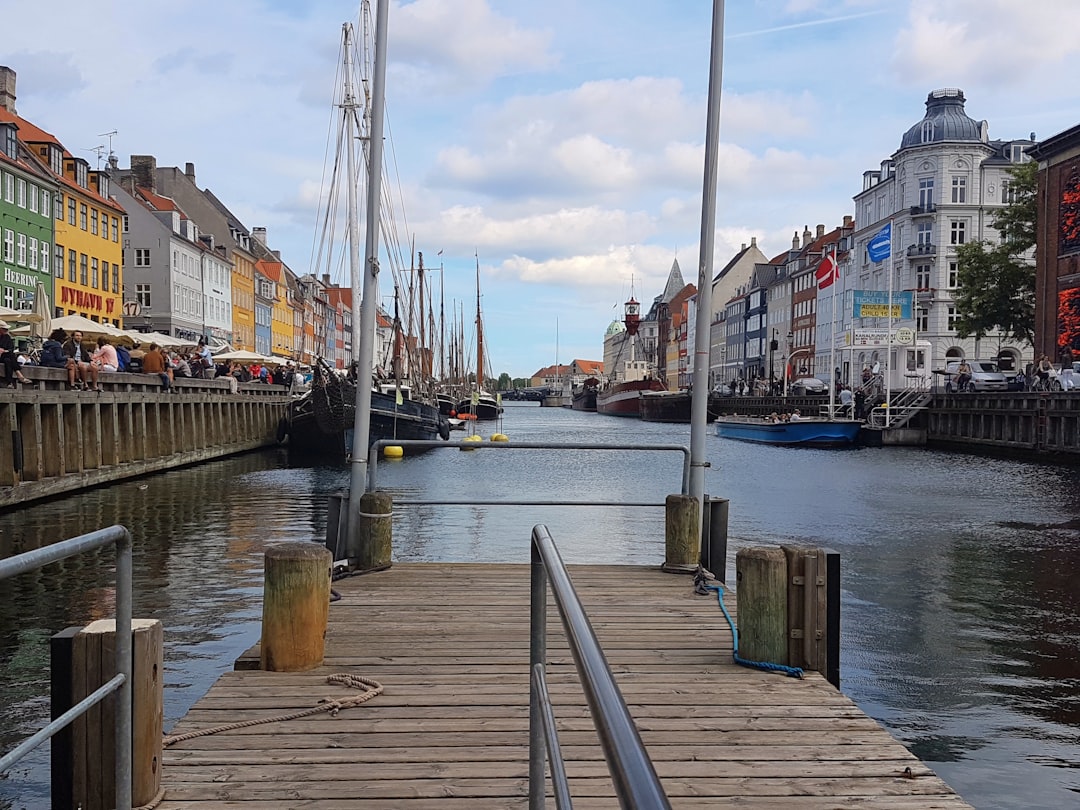
Christianshavn is for quiet. Canal-side mornings, Kadeau for dinner, and a bike ride to everywhere else. It’s the neighborhood that rewards staying put. 71 Nyhavn Hotel sits on the harbor side with views of the water.
→ Browse Christianshavn hotels on Booking.com
Indre By is the practical choice — central, walkable, close to Designmuseum Danmark and the Strøget shopping streets. Hotel Sanders does Danish design with genuine personality, and 25hours Hotel offers something more eclectic at a friendlier price.
→ Browse Indre By hotels on Booking.com
When to Go
May is the insider month. Days stretch past 9pm, temperatures hover around 15°C, and the tourist crowds haven’t arrived. The city is at its most rideable.
June brings the longest days — sunset after 10pm — plus 3daysofdesign and the start of harbor swimming season.
July is for the Copenhagen Jazz Festival, which takes over 100+ venues for ten days. The city is warmest and busiest.
August has Fashion Week and Pride. It’s lively, warm, and fully booked — reserve early.
September–October works for experienced travelers who don’t mind cooler weather. Kulturnatten in mid-October opens hundreds of buildings for one remarkable night.
Winter offers Tivoli’s Christmas Market and hotel rates 30–50% below summer, but daylight drops to seven hours.
Ready to Plan Your Trip to Copenhagen?
You’ve done the reading. Here’s everything you need to make it happen.
🎟️ What to Book in Advance
- Copenhagen Card — Discover 80+ Attractions & Public Transport
- Small-Group Cycling Tour of Copenhagen
- Browse more Copenhagen experiences on Viator
Some links in this post are affiliate links. If you book through them, CuriosityTrail earns a small commission at no extra cost to you. Recommendations are chosen on merit; commissions never decide what’s included.