Lethbridge, Alberta: Where Prairie Grit Meets Japanese Gardens and Coulée Trails
Quick Essentials
- 📍 Best Time to Visit: Late June through early September — the garden is open, the farmers’ market is running, and the coulée trails are dry enough to enjoy without sliding into the Oldman River.
- ✈️ Getting There: Search flights on Skyscanner | Direct from Calgary (2 hrs by car), or fly into YQL
- 🏨 Where to Stay: Browse Lethbridge hotels on Booking.com
- 🎟️ Don’t Miss: Head-Smashed-In Buffalo Jump on GetYourGuide
- 💰 Budget Range: ~$120–180 CAD per day for mid-range comfort, $250+ if you’re treating yourself at Bourbon & Butter
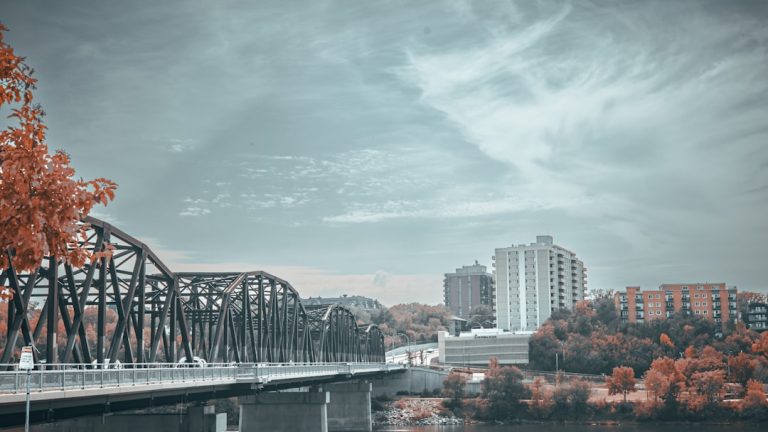
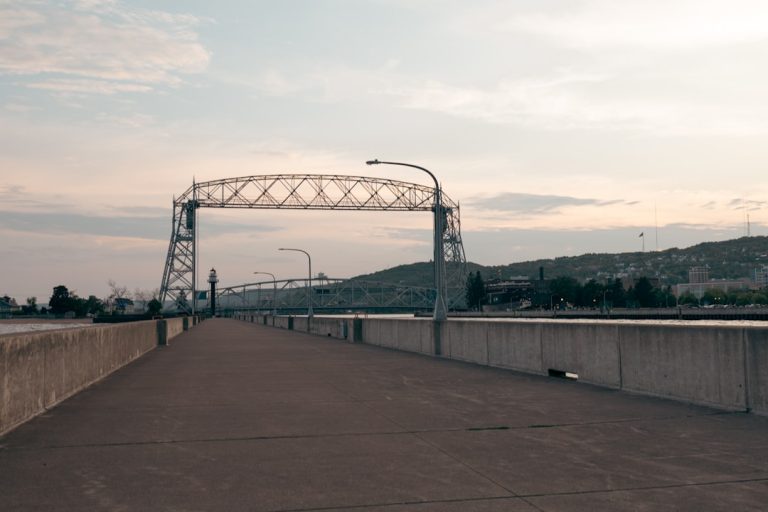
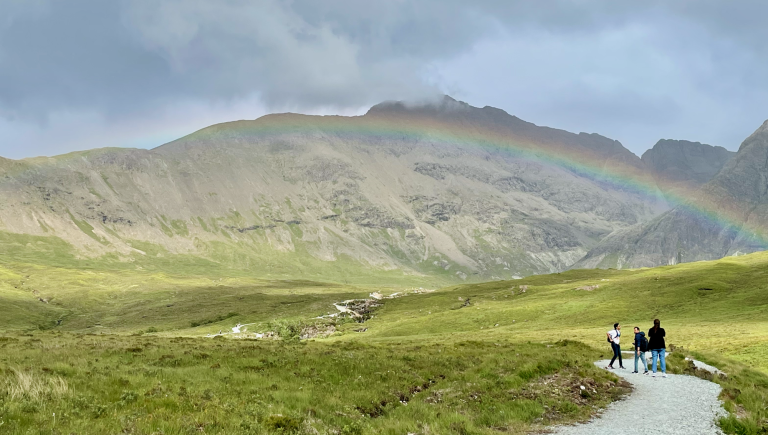
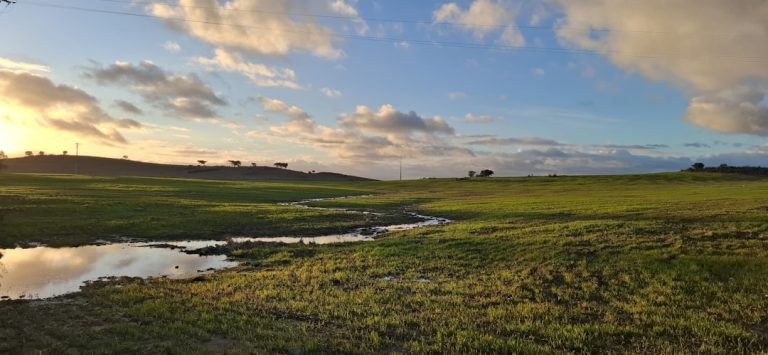
You don’t end up in Lethbridge by accident. It’s not on the way to anywhere most travellers are going, which is exactly why it’s worth the detour. Two hours south of Calgary, past the last exurban Tim Hortons and into open prairie, the land suddenly drops away. The coulées — deep, wind-carved river valleys — crack open the earth like a secret the flatlands have been keeping. And there, straddling the gap on iron legs, sits the High Level Bridge, the largest railway structure in Canada, looking like something the Victorians would have built if they’d been given a canyon and told to sort it out.
Lethbridge is a city built on that canyon’s edge, and it carries its contradictions well. There’s a Japanese garden downtown that exists because of wartime injustice. A whiskey fort that tells the story of the frontier’s worst instincts. A museum perched on a coulée rim that refuses to simplify any of it. And a food scene — genuinely surprising for a city of 100,000 — that owes as much to Japanese-Canadian sugar beet farmers as it does to the surrounding agricultural corridor, one of the most productive in the country.
It’s not flashy. It doesn’t try to be. But for travellers who’ve done Banff and want to know what else Alberta has to say, Lethbridge is a quietly compelling answer.
When the Prairie Warms Up
The sweet spot is late June through early September. Summer highs sit around 26°C, which is warm enough to enjoy the coulée trails without the oppressive heat you’d find further south. The wind is a constant — Lethbridge is famously windy — but it’s dry wind, and you get used to it by day two.
Whoop-Up Days, the city’s five-day rodeo and festival in late August, is the closest thing to a must-attend event. It’s not Stampede. It’s better, in the way that smaller rodeos always are: you can actually see the arena, the food vendors aren’t charging $18 for a corn dog, and the locals treat it like a genuine celebration rather than a tourist set piece.
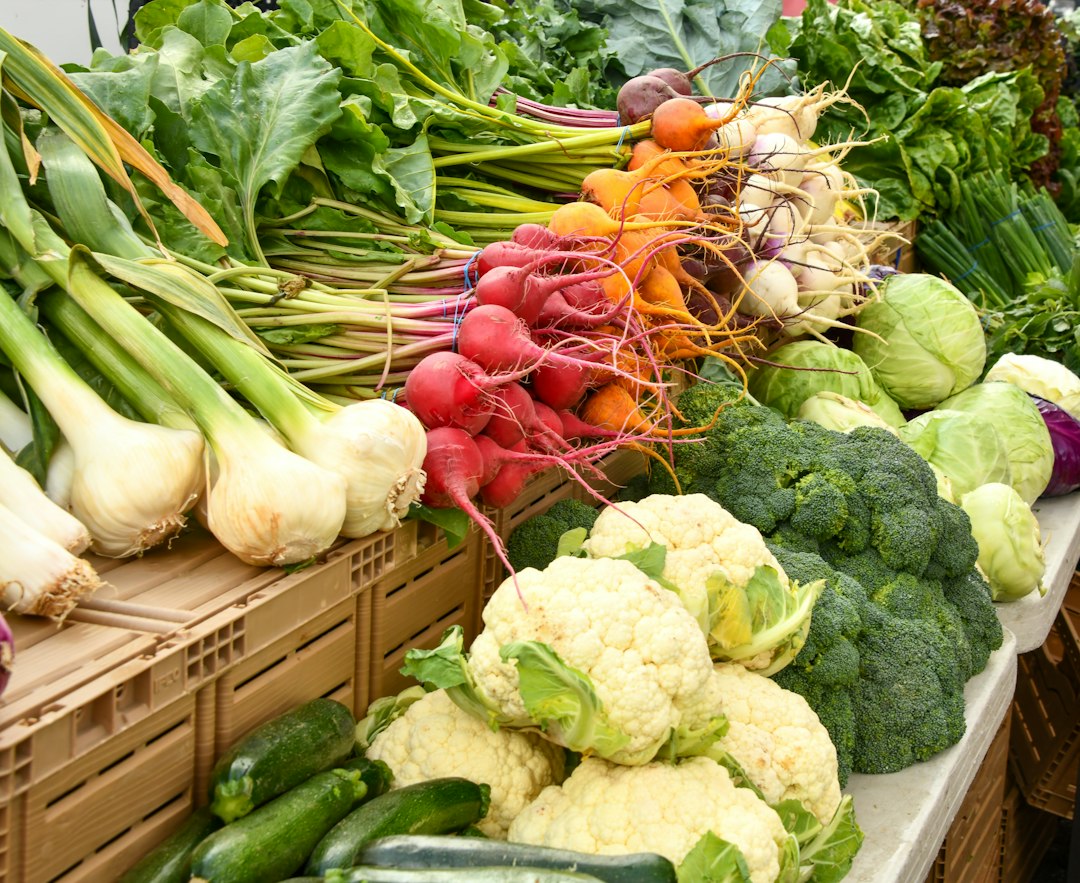
The Saturday farmers’ market at Exhibition Park runs June through October, and it’s worth building a morning around. Peaks & Pastures water buffalo cheese, haskap berry preserves from Prairie Hill Farms, and whatever Broxburn is pulling out of the ground that week. The Wednesday downtown market is smaller but has its own charm — July through Labour Day, grab lunch and eat it on a bench.
If you’re coming in September, the crowds thin, the light goes golden, and you can walk the coulée trails in a hoodie. October brings Canadian Thanksgiving and the last days of the garden season. Come November, the Nikka Yuko Winter Light Festival transforms the Japanese garden into something entirely different — lantern-lit paths through snow, which is either magical or freezing, depending on your tolerance.
Where to Stay in a City Built on a Canyon
Lethbridge isn’t a hotel destination in the boutique sense. There are no heritage properties with craft cocktail bars in the lobby. What it offers instead is honest, well-located accommodation that puts you close to the things you came to see.
Downtown is the right call for food-focused visitors. You’re walking distance to The Penny, Tacos Made in Mexico, the Lighthouse Akari Sushi, and most of the cultural sites. The downtown core has that quiet Canadian charm — brick and sandstone buildings from the early 1900s, a few good bookshops, and enough foot traffic to feel alive without feeling crowded. → Browse downtown Lethbridge hotels on Booking.com
South Lethbridge along Mayor Magrath Drive is where most of the hotel inventory sits. It’s convenient if you’re day-tripping to Head-Smashed-In or Writing-on-Stone, and the mid-range chains here are perfectly functional. Not romantic, but you’ll sleep well and park easily. → Browse South Lethbridge hotels on Booking.com
Near the University of Lethbridge is the sleeper pick. Quieter, close to coulée trailheads, and you get to admire Arthur Erickson’s brutalist university building — a long concrete wedge driven into the hillside that somehow works beautifully against the prairie landscape.
Two UNESCO Sites and a Whiskey Fort
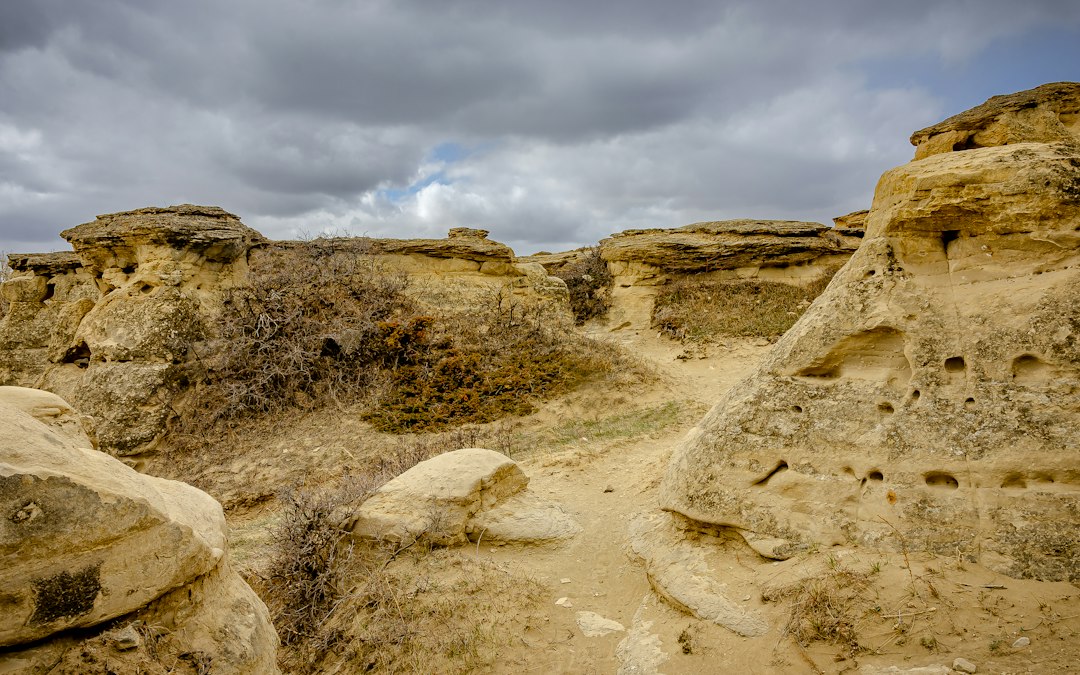
Here’s what most people don’t realise about Lethbridge: it sits within striking distance of two UNESCO World Heritage Sites, a fact that would be the centrepiece of any European city’s tourism campaign but barely registers here.
Head-Smashed-In Buffalo Jump is 45 minutes west, and it is not what the name suggests — not gore, but geology and ingenuity. For 6,000 years, Blackfoot people drove bison over this cliff in communal hunts of extraordinary coordination. The interpretive centre is built directly into the cliff, which is a design choice that tells you everything about how seriously this place takes its story. The exhibits are first-rate. Give it two hours minimum, and walk the trails. $18 CAD for adults. → Head-Smashed-In Buffalo Jump on GetYourGuide
Writing-on-Stone Provincial Park, an hour southeast, is the other UNESCO site. The hoodoos — tall, eroded sandstone pillars — are covered with petroglyphs and pictographs that constitute the largest concentration of rock art on the North American plains. The 2.5 km Hoodoo Trail is an easy walk with extraordinary scenery. If you can book an interpreter-led tour ($21 CAD), do. The stories carved into these rocks span thousands of years, and having someone decode them changes the experience entirely.
Fort Whoop-Up in Indian Battle Park is pure frontier chaos, memorialised. The original fort was an 1870s whiskey trading post where American traders sold rotgut to Indigenous peoples — it was so lawless it helped trigger the formation of the North-West Mounted Police. The replica today is a modest interpretive centre, but the story it tells is fascinating and unflinching. $15 CAD, and the summer wagon ride is worth the extra $10 if only for the coulée views.
The Galt Museum & Archives sits on the coulée edge overlooking the river valley, and the views alone justify the visit. But stay for the exhibits. The Galt has done important work documenting the Japanese-Canadian experience in southern Alberta — during WWII, thousands of Japanese Canadians were forcibly relocated here from the BC coast. They were put to work on sugar beet farms. By war’s end, about 65% of the area’s sugar beet labourers were of Japanese descent. They built lives, built community, and built the agricultural economy that still underpins the region. The Nikkei Memory Capture Project and the Broken Promises exhibit gave these stories national visibility. Even when the travelling exhibitions rotate out, the permanent collection keeps this history present. → Galt Museum experiences on GetYourGuide
Nikka Yuko Japanese Garden exists because of that history. Built in 1967 as a gesture of reconciliation and cultural celebration, it blends Japanese design principles with Canadian landscaping. The reflection pond, the manicured paths, the borrowed scenery of the coulées beyond the garden walls — it’s a genuinely peaceful space, and knowing its origins makes it more so. Open 10am–6pm, closed Tuesdays and Wednesdays, $13.50 CAD. In summer, drop-in yoga classes happen here, which is either perfectly appropriate or slightly absurd, depending on your disposition. → Nikka Yuko Japanese Garden on GetYourGuide
The coulée trails are the thing locals would tell you about if you asked, and visitors almost never do. Indian Battle Park alone has 5 km of trails threading through the river valley, past interpretive panels on coal mining history and the Medicine Stone, a site of Blackfoot cultural significance. The Coal Banks Trail extends 30 km along the west side of the city. And somewhere in the coulées — no official address, no signage — sits the Junk Castle, an ever-growing art installation built from salvaged materials. Park at the University of Lethbridge Faculty of Management building and walk in. It’s unofficial, it’s weird, and it’s brilliant.
The Table: What Lethbridge Eats
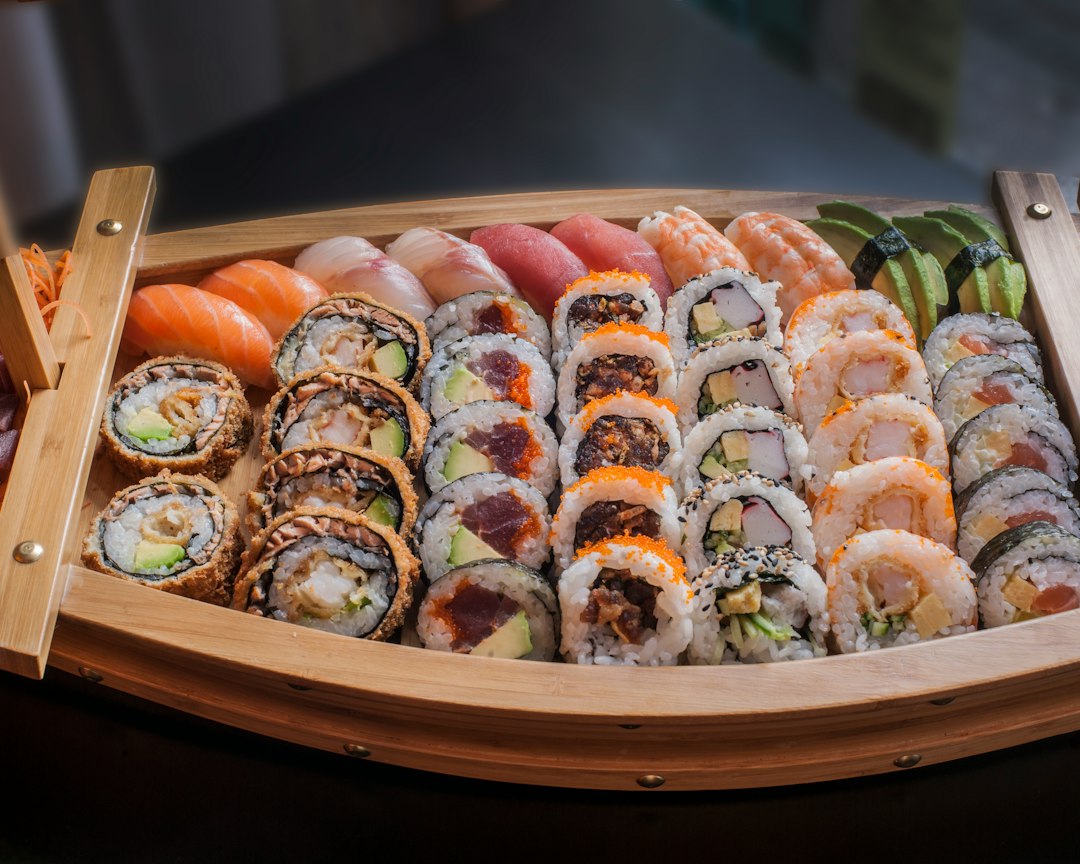
The food scene here is better than it has any right to be, and the reason is history as much as talent.
The Japanese-Canadian community didn’t just farm sugar beets — they brought food traditions that took root. Nakagama Co. Ltd is the oldest Japanese grocery in Alberta, and walking in feels like stepping into a different Lethbridge. Sushi-grade fish, imported pantry staples, the kind of quiet specificity that tells you this isn’t a novelty shop. It’s a community institution. A few blocks away, The Lighthouse Akari Sushi is where chef Yukinari Takahashi turns that same cultural heritage into something contemporary. If you eat sushi once in Lethbridge, eat it here.
Two Guys & A Pizza Place is the local legend. Featured on Food Network’s You Gotta Eat Here!, it’s a craft pizza operation with over 100 beers on tap and creations like the Kinda Big Dill — dill pickle pizza, which sounds wrong until you try it. The Margherita is excellent if you’d rather not risk it.
Bourbon & Butter is the fine dining option, and it earns the label. Brûléed bone marrow, duck breast, prime rib — the menu is confident and the execution is sharp. If you’re going to splurge once, this is the place.
Tacos Made in Mexico is a family-run downtown spot with summer street-side seating and handmade tamales that are worth arriving early for. Antojitos Latin Market and Cafe does Colombian empanadas that would hold up in Bogotá.
For mornings, the choice is between The Penny Coffee House — 25 years in business, French press coffee, vintage soul — and Bread, Milk & Honey, which opens early and does pour-over with banana cream pie that somehow works as breakfast.
The real story, though, is what’s growing around the city. The surrounding region produces over $8 billion annually across 65+ specialty crops. Broxburn Farms does red pepper soup and pie alongside U-Pick strawberries that last into September. Little Gem Winery makes haskap berry wines and ciders — haskap is Alberta’s answer to blueberries, tart and complex. Broek Pork Acres raises Berkshire pork and sells it from the farm. Drive twenty minutes in any direction and you’re in the food corridor, which gives the city’s restaurants a terroir story that most prairie cities can only dream about.
Day Trips Worth the Drive
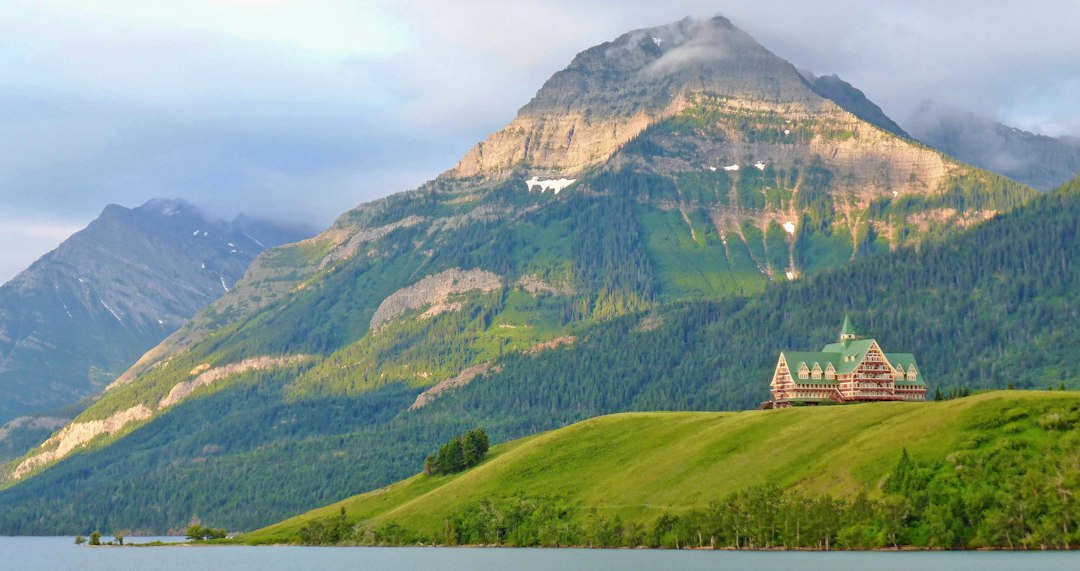
Waterton Lakes National Park is 90 minutes southwest, and it’s the un-Banff — smaller, quieter, with the Rocky Mountains dropping directly into the prairies with no foothills to soften the transition. The Bears Hump hike gives you one of the best viewpoints in the Canadian Rockies for minimal effort. Boat cruises cross the lake into Montana.
Frank Slide is 90 minutes west. In 1903, 82 million tonnes of limestone crashed off Turtle Mountain and buried part of the town of Frank in under two minutes — Canada’s deadliest rockslide. The interpretive centre is excellent, and the 1.5 km trail through the debris field is eerie and humbling. $18 CAD for adults.
The Birds of Prey Centre in Coaldale, just 20 minutes east, is a raptor rescue facility with flying demonstrations every 90 minutes. It’s one of those places you stop at because it’s on the way and remember because it’s genuinely good. Open May through September.
The Remington Carriage Museum in Cardston, about an hour south, houses 330 horse-drawn vehicles — the largest collection in North America. It sounds niche, and it is, but the craftsmanship is extraordinary and the building itself is worth the drive.
Ready to Plan Your Trip to Lethbridge?
You’ve done the reading. Here’s everything you need to make it happen.
🎟️ What to Book in Advance
- Head-Smashed-In Buffalo Jump guided tour
- Writing-on-Stone Provincial Park interpreter-led tour
- Browse more Lethbridge experiences on Viator
Some links in this post are affiliate links. If you book through them, CuriosityTrail earns a small commission at no extra cost to you. Recommendations are chosen on merit; commissions never decide what’s included.