48 Hours in Auckland: Harbour, Museum, and the Best Flat White You’ll Ever Have
Quick Essentials
- ✈️ Flights:
Search flights to Auckland
| Direct from Sydney, Melbourne, Los Angeles, San Francisco, Singapore - 🏨 Hotels:
Browse hotels in Auckland
| The Hotel Britomart or Ponsonby guesthouses — our picks below - 🎟️ Top Experience:
Auckland Scenic Harbour Cruise
— 90 minutes on the Waitematā that reframes the whole city - 🚗 Car Rental:
Compare rental cars in Auckland
💰 Budget Range: $180–$350 NZD per day for mid-range to comfortable splurge (accommodation, meals, one activity)
The Kind of City That Doesn’t Rush You
Auckland gets underestimated. Most travelers touch down, glance at the Sky Tower, and catch a connecting flight to Queenstown or Rotorua. That’s a mistake — not a tragic one, but the kind you only recognize in hindsight, when someone describes the light on the Waitematā at six in the evening and you realize you never saw it.
The thing about Auckland is that it doesn’t perform for you. There’s no single landmark that demands a selfie, no one street where every tourist ends up. Instead there’s a harbour that shapes everything — the commute, the dining, the morning light — and a café culture that’s quietly become one of the best in the Southern Hemisphere. The War Memorial Museum anchors the cultural side with a depth that surprises people who came expecting a regional history exhibit and left understanding something real about Kiwi identity.
Forty-eight hours is enough. Not to see everything — Auckland isn’t that kind of place — but to settle into its rhythm and leave understanding why people live here on purpose.
Auckland War Memorial Museum: Where Kiwi Identity Lives
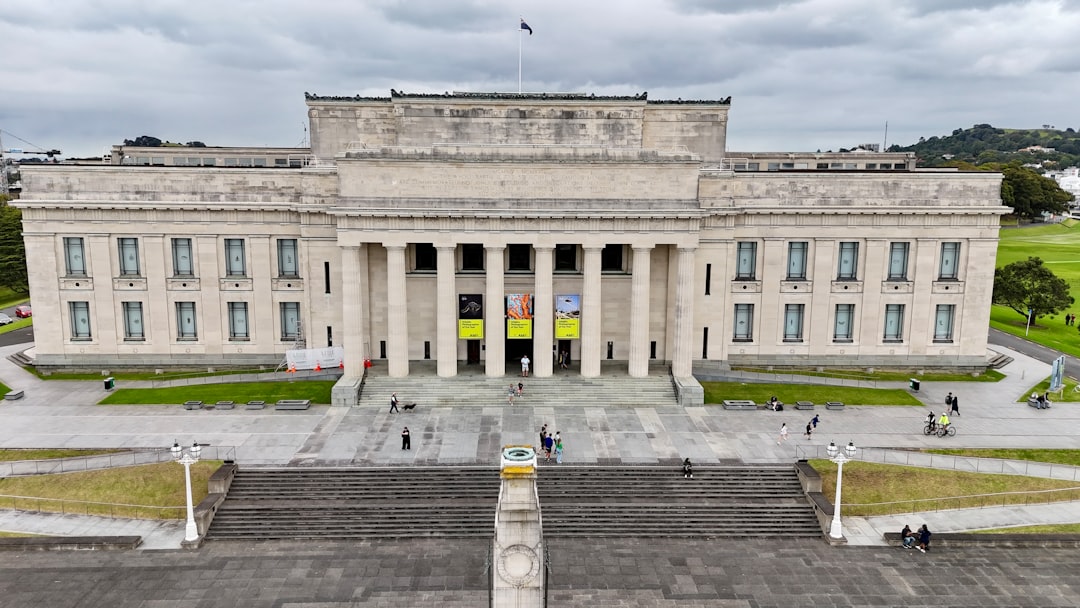
Start here. Not because it’s the biggest attraction, but because everything else in Auckland makes more sense after you’ve spent a morning inside Tāmaki Paenga Hira.
The museum sits on Pukekawa, a hill inside the Auckland Domain — a volcanic crater that’s become the city’s most important green space. If you can manage it, walk through the Domain at dawn before the museum opens at ten. The park is quiet then, the light is soft through the trees, and you’ll have the paths to yourself. It’s the kind of start that sets the right pace.
Inside, the Māori and Pacific galleries are the reason to come. The taonga — ancestral treasures — are presented with a care that goes beyond curation. There’s a full marae (meeting house) you can enter, and if you time it right, the cultural performance at 11:15am is worth building your morning around. It includes waiata, haka, and poi, performed with a conviction that makes it clear this isn’t a show — it’s an invitation. The museum calls it a performance; it feels more like a welcome.
The natural history floors are strong too — the volcano simulator gives you a visceral sense of what it means to live on a landscape shaped by eruptions. Auckland has 48 volcanic cones within the city limits. That fact lands differently when you’re standing inside a recreated eruption.
Plan three hours minimum. The café inside is overpriced — save your coffee for after. Auckland Museum entry tickets on GetYourGuide.
The Harbour Is the City
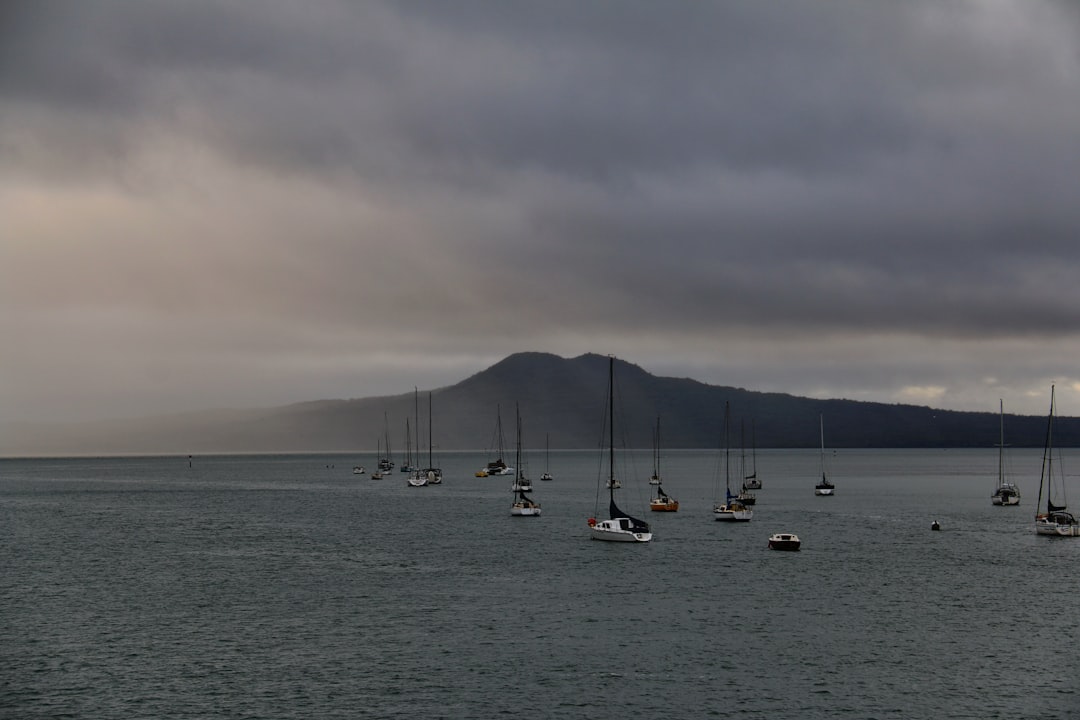
Other cities have waterfronts. Auckland has a harbour that functions as its central nervous system. The Waitematā isn’t scenery — it’s infrastructure, commute route, recreation, and the reason the light in this city has that particular quality that people who live here stop noticing and visitors never forget.
The best way to understand this is from the water. The Auckland Scenic Harbour Cruise runs 90 minutes from the Downtown Ferry Terminal, looping past the Harbour Bridge, along the shoreline of Devonport, and out toward Rangitoto — the volcanic island that sits like a dark symmetrical dome on the horizon. The commentary is better than you’d expect, and the perspective on the city skyline from the water is the one that sticks. Book the Auckland harbour cruise.
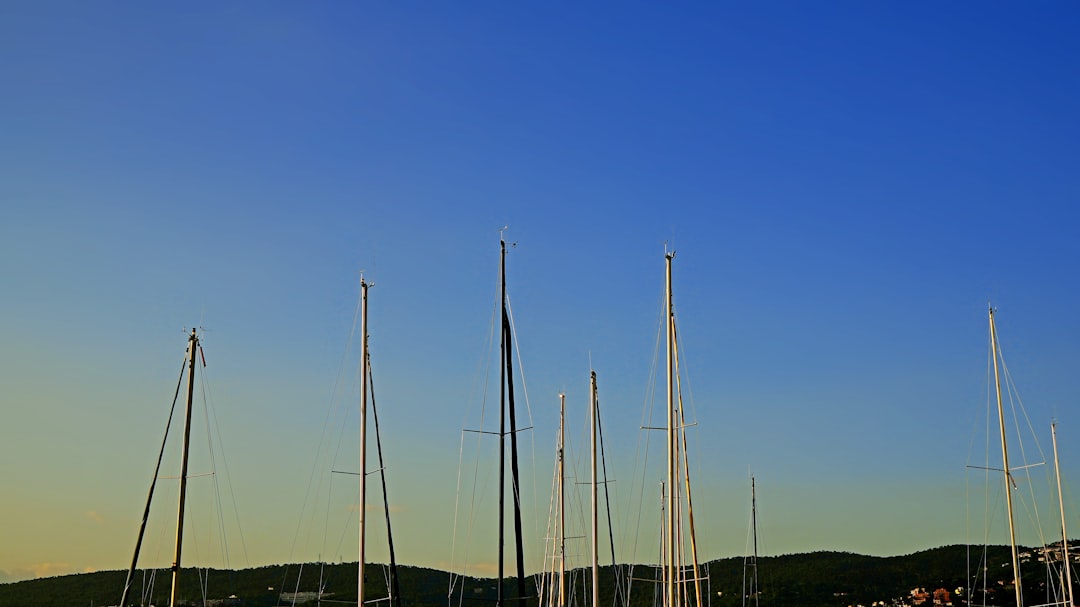
Back on land, Viaduct Harbour is where Auckland’s boat culture becomes visible. This is a serious sailing city — it hosted the America’s Cup for a reason — and the marina is filled with everything from racing yachts to weekend dinghies. Walk south through the Viaduct into Wynyard Quarter, where the waterfront has been redeveloped into something that manages to be pleasant without feeling corporate. The fish market here is worth a stop.
If you have an evening free, the dinner cruise on the Waitematā combines a multi-course meal with a sunset sailing that makes you understand why Auckland calls itself the City of Sails without rolling your eyes. Book the dinner sailing experience.
The Devonport Crossing and What’s Across the Water
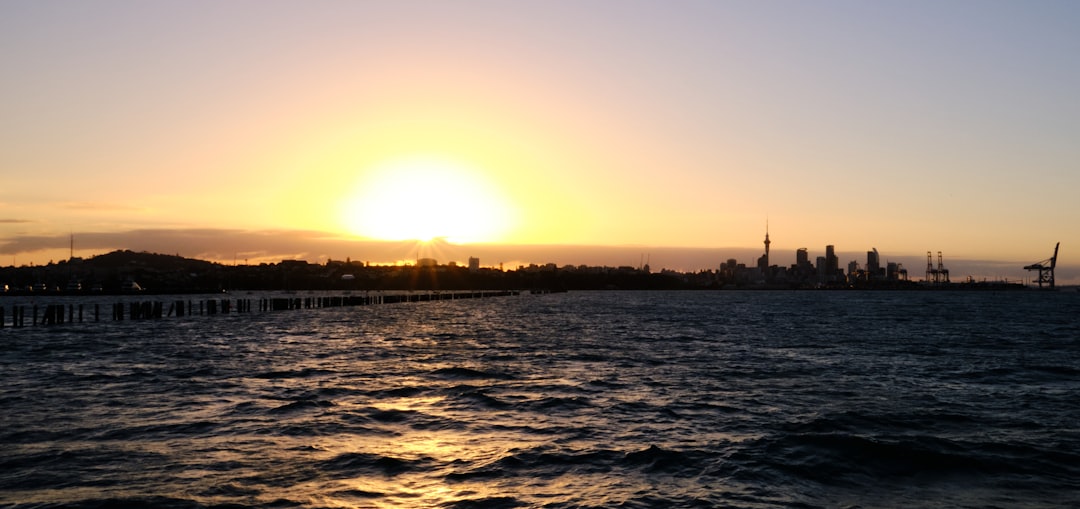
Everyone takes the ferry to Devonport during the day. Take it at dusk instead.
The crossing is twelve minutes — just long enough to watch the Auckland skyline rearrange itself against the Waitakere Ranges as the light drops. It costs a few dollars and gives you the best free view in the city. Devonport itself is a seaside village with a pace that feels deliberately slower than the CBD. Walk the main street, climb North Head for the harbour panorama, and catch the ferry back after dark when the Sky Tower is lit up and the city looks like it belongs on a postcard it’s too modest to print.
This is the side trip that costs almost nothing and changes how you think about Auckland. The city is two things at once — harbour city and harbour town — and you need to cross the water to see both.
Where to Stay: Harbour Side or Village Side
The Hotel Britomart. New Zealand’s first 5 Green Star hotel, right at the waterfront. You’re steps from the ferry terminal, the Viaduct, and the curated collection of restaurants and bars that make Britomart the best evening neighborhood in the city. The design is thoughtful — warm materials, local art, none of the anonymous international hotel feeling. This is the obvious choice for a 48-hour harbour-focused stay. → The Hotel Britomart on Booking.com
Ponsonby. A twenty-minute walk from the CBD, with its own distinct personality. Ponsonby Road is lined with cafés, boutiques, and the kind of restaurants that locals argue about. The guesthouses here tend toward the boutique end — smaller, quieter, with the residential neighborhood feel that some travelers prefer over a hotel in the business district. → Boutique stays in Ponsonby
Parnell. Tree-lined streets, old-world charm, and the closest neighborhood to the Auckland Domain and the museum. If your itinerary puts the War Memorial Museum at the center — which it should — Parnell means you can walk there in ten minutes instead of taking a bus. The Saturday farmers’ market here is one of the best in the city. → Hotels in Parnell, Auckland

Eating and Drinking Like Auckland Does
The flat white originated somewhere between Auckland and Melbourne, depending on who you ask. Don’t ask. Just order one. The coffee here is exceptional and it’s everywhere — you’ll find a good one without trying. If you want to try, D.O.S.E On High is a small espresso bar in the CBD with a gothic aesthetic and a staff that treats each cup like a cocktail. Mt Atkinson roasts their own beans and does the purist thing well. But the best flat white might be the one you stumble into at whatever neighbourhood café has the longest queue of locals at 8am.
For lunch, Wynyard Quarter’s seafood market is the move. Simple, fresh, no pretension. New Zealand crayfish — rock lobster, sweeter and firmer than what you’re used to — shows up at places like Lobster & Tap and Oyster and Chop if you want it with table service.
Dinner is where Auckland has changed the most. The traditional foodie neighbourhood was Ponsonby, but the energy has shifted to Karangahape Road — K-Road — where a wave of young chefs have opened personality-driven restaurants in a neighbourhood that’s still a little rough around the edges. That’s where experienced travelers end up, and the food justifies the detour.
Two things you shouldn’t leave without eating: the hāngi-inspired pork belly at Homeland, Peter Gordon’s waterfront restaurant, where the meat is paired with apple purée made from roasted whole apples and makrut lime leaves — the closest thing to traditional earth-oven cooking you’ll find without leaving the city. And hokey pokey ice cream at Giapo, where the Kiwi classic of vanilla with honeycomb toffee is elevated into something theatrical and served in a Yorkshire pudding bowl topped with a chocolate replica of the Sky Tower.
New Zealand sauvignon blanc is intense, grassy, passionfruit-forward, and pairs perfectly with seafood at the harbour. Order it by the glass at any decent wine bar in Britomart.
The Auckland Food Walking Tour covers the central city in three hours with a knowledgeable guide. It’s the fastest way to find the spots you’d otherwise walk past. Book the Auckland Food Walking Tour.
If You Have an Extra Half-Day
Waiheke Island is a 35-minute ferry ride and home to more than 30 wineries. It’s a full half-day minimum, ideally a full day, and it turns Auckland from a city break into something more like a wine region that happens to have a skyline. Waiheke Island Hop-On Hop-Off Explorer.
Rangitoto Island is the volcanic dome you’ve been staring at from every harbour viewpoint. The summit walk takes about an hour each way through native bush and lava fields, and the 360-degree view from the top puts Auckland’s geography into focus — 48 volcanoes, two harbours, and a city built in between.
Saturday Parnell Farmers’ Market — if your 48 hours includes a Saturday, go early. Thirty-odd stalls of Kiwi produce, baking, and coffee. It’s the neighbourhood at its most alive.
Plan Your Trip to Auckland
Best time to visit: January–March — summer crowds are thinner than you’d think, the harbour is at its calmest, and every café in Britomart has its tables outside.
✈️ Getting There
Search flights to Auckland on Skyscanner
🏨 Where to Stay
-
Ponsonby guesthouses — residential feel with neighbourhood cafés and boutiques
-
The Hotel Britomart — waterfront location, walking distance to everything
🎟️ What to Book in Advance
📦 Pack Right
Patagonia Torrentshell 3L Rain Jacket
— Auckland’s weather changes fast, and you’ll want something packable that fits in a day bag without bulk.
Some links in this post are affiliate links. If you book through them,
CuriosityTrail earns a small commission at no extra cost to you.
Recommendations are chosen on merit; commissions never decide what’s included.