Visiting Bangalore, India: A Complete Guide
Quick Essentials
- 📍 Best Time to Visit: October through February — morning temperatures drop to 15°C, afternoons stay warm, and the January Lalbagh Flower Show is worth timing your trip around.
- ✈️ Getting There: Search flights on Skyscanner | Direct from Singapore, Dubai, London Heathrow
- 🏨 Where to Stay: Browse Bangalore hotels on Booking.com
- 🎟️ Don’t Miss: Bangalore heritage walking tour on GetYourGuide
- 💰 Budget Range: $60–$150 per day mid-range; $200+ for heritage hotels and nice dinners
The City That Runs on Two Clocks
Bangalore exists on two timelines. One runs on server pings and Slack notifications — the city that built India’s tech industry, where WeWork spaces outnumber temples and a startup launches before breakfast every morning. The other timeline is older, slower, and smells like jasmine garlands and filter coffee at 6am. The garden city. Hyder Ali’s 240-acre botanical garden. Cubbon Park’s century-old trees. Breakfast institutions that have been flipping dosas since before your parents were born.
What makes Bangalore interesting for a short visit — and 24 to 48 hours is genuinely enough — is that both timelines coexist on the same streets. You’ll drink a craft IPA brewed with barnyard millet in the evening and eat a rava idli invented during a WWII rice shortage the next morning. The city doesn’t ask you to choose between old and new. It just hands you both.
Most people fly through Bangalore on business and see the inside of a Uber and a hotel lobby. That’s a waste. Two days here, with some focus, gives you ancient parks, the best South Indian breakfast run of your life, a microbrewery scene that makes Portland look restrained, and a market at dawn that’s worth setting an alarm for.
Morning: The Garden City Wakes Up
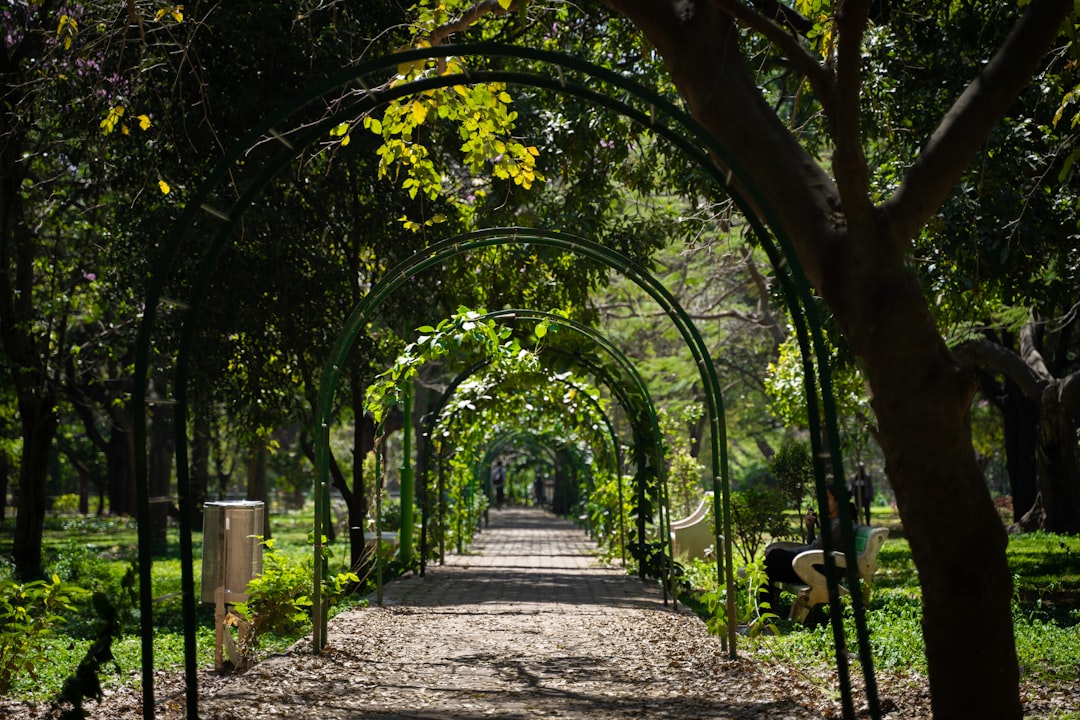
Start at Lalbagh Botanical Garden. Not because it’s the obvious move, but because it sets the right calibration for the rest of your trip. This isn’t a manicured European park — it’s a 240-acre living collection started in 1760 by Hyder Ali, expanded by his son Tipu Sultan, and still actively used for botanical research. Walk past the Glass House (modeled on London’s Crystal Palace) and find the exposed peninsular gneiss boulder near the watchtower. That rock is over three billion years old — one of the oldest exposed formations on Earth. Most visitors walk right past it.
If you come in late January, the Lalbagh Flower Show fills the Glass House with elaborate displays. It’s a genuine local event, not staged for tourists — families and flower enthusiasts from across Karnataka pack the paths.
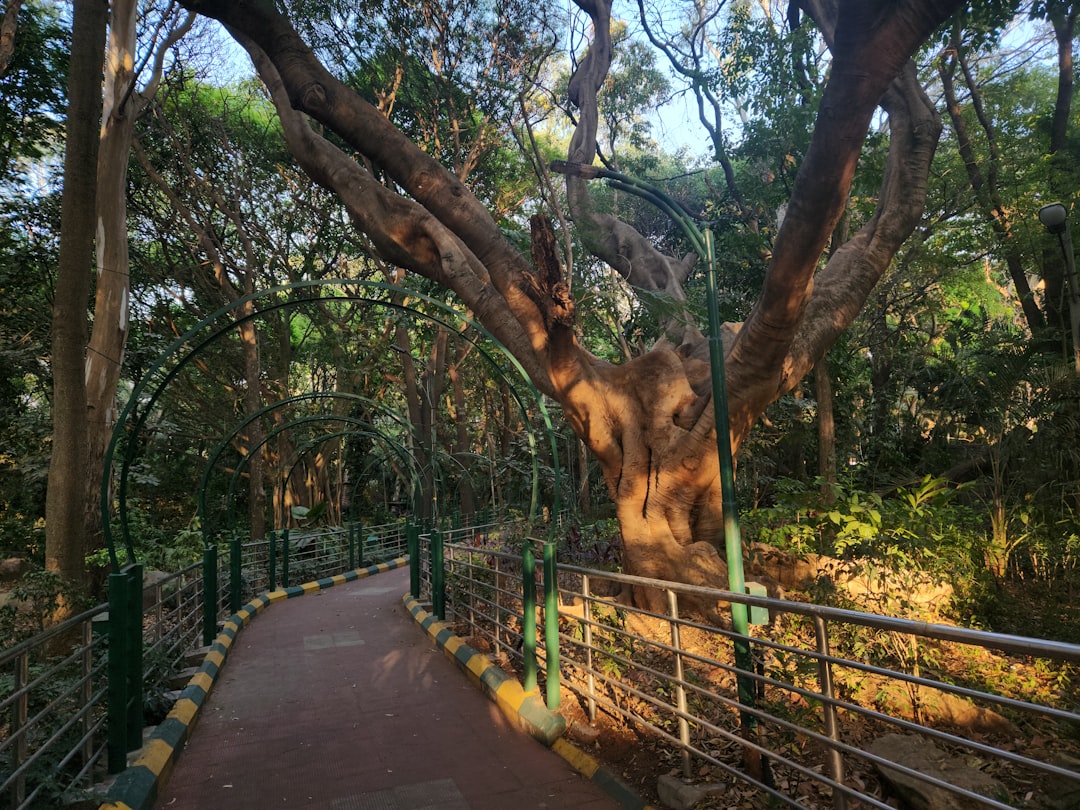
From Lalbagh, head to Cubbon Park. Three hundred acres of rain trees, Gulmohar, and century-old oaks sitting right in the city center. The High Court building (Attara Kacheri) anchors one end with red brick and Corinthian columns. The park is closed Mondays. On a weekday morning, it belongs to walkers, yoga groups, and the occasional napping civil servant. It’s one of the few places in Bangalore where you feel the city breathing slowly.
Heritage walk covering Cubbon Park, Vidhana Soudha, and the Cantonment area
Midday: Eat Like Bangalore Does
Here’s where Bangalore quietly becomes one of the great food cities. Not for haute cuisine — for the breakfast institutions.
MTR (Mavalli Tiffin Rooms) has been open since 1924, a hundred meters from Lalbagh’s gate. During WWII, when rice supplies dried up, the kitchen improvised with semolina. That accident became the rava idli — steamed, studded with cashews, served with coconut chutney and sambar. They still make it better than anyone. Arrive before 8am or expect a queue. Three people eat well here for under ₹600.
CTR (Shri Sagar) in Malleshwaram does the definitive benne masala dosa — Davangere-style, crisp outside, yielding inside, unapologetically buttery. The original location has been here for decades. They’ve opened at the airport now too, but the original is the point.
Brahmin’s Coffee Bar in Basavanagudi doesn’t have menus or seating. You stand. You eat idli-vada with legendary coconut chutney. You drink filter coffee. You leave satisfied. It’s the most concentrated Bangalore morning experience you can have in twenty minutes.
This is the darshini culture — Bangalore’s network of standing-room, self-service tiffin counters where the city actually eats breakfast. No reservations, no fuss, no Instagram staging. Experienced travelers who skip this for hotel breakfast miss the city’s real rhythm entirely.
Bangalore street food tour covering darshini culture and VV Puram food street
Afternoon: Old Bangalore, Still Here
South of MG Road, between the tech parks and the traffic, old Bangalore still operates on its own terms. The Bull Temple in Basavanagudi holds a massive granite monolith of Nandi, carved in Dravidian style centuries ago. It anchors a neighborhood that feels closer to a Karnataka temple town than to a tech hub.
Tipu Sultan’s Summer Palace is a teak-and-stone structure that rewards a quick visit — not for the museum inside, which is modest, but for the architecture itself and the reminder that this city had power and ambition long before software.
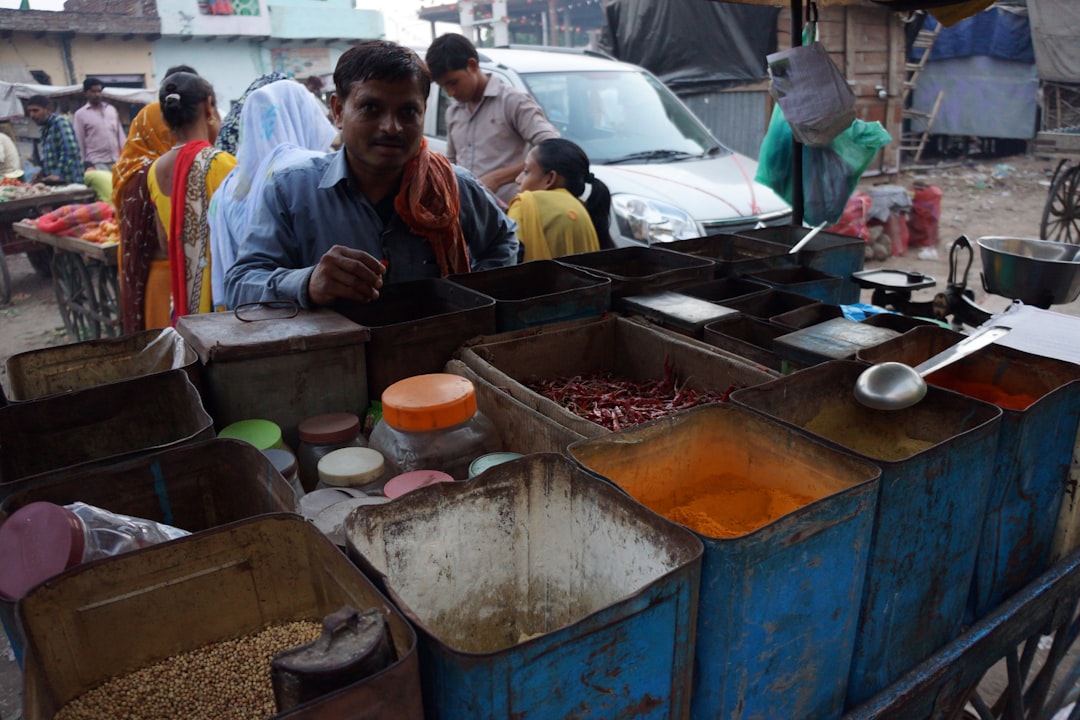
If you can handle early mornings, KR Market (City Market) at dawn is the most atmospheric experience in the city. Bangalore’s oldest market, operating since 1928. The flower section is a sensory avalanche — mountains of jasmine, marigold, and rose garlands stacked higher than your head, sold by the kilogram to temple devotees and wedding decorators. Most visitors skip it because it requires a 6am start. That’s exactly why it’s worth it.
Guided heritage walk through old Bangalore, Tipu Sultan’s Palace, and Bull Temple

Evening: The Pub Capital Comes Alive
Bangalore has over seventy microbreweries. Seventy. The city earned its “pub capital of India” tag honestly, and the scene keeps expanding — the 2025 Bangalore Craft Crawl saw twenty breweries collaborating to create Indian-ingredient lagers using jackfruit, biryani spices, and foxtail millet. This isn’t imitation Western beer culture. It’s something distinctly Bangalore.
Toit in Indiranagar is where the craft revolution started in 2010. Their Basmati Blonde and Tintin Toit IPA are local reference points. Wood-fired pizza is better than it needs to be. Expect a crowd after 7pm.
Uru Brewpark is Bangalore’s first dedicated beer garden — 6,000 square meters with over twenty brews on tap. If you want space and variety, this is the one.
Indian Craft Brewery (ICB) at Manyata Business Park is the newest heavyweight — a 1,500-seat microbrewery with experiential zones they call COAST (Culture, Opinion, Art, Sustainability, Taste). They’ve partnered with Saving Grains to repurpose spent grains into granola and crackers. It’s very Bangalore — where tech-startup thinking meets brewing.
Walk Indiranagar’s 100 Ft Road or Koramangala’s bar strip for more. Both neighborhoods are walkable, metro-connected, and full of options that range from serious to silly.
Bangalore craft brewery experience
If You Have a Second Day
Nandi Hills at sunrise is the move. Sixty kilometers north, the hilltop fort sits at 4,849 feet — Tipu Sultan’s former summer retreat. Leave by 4:30am to catch the dawn. The sunrise views over the plateau are worth the early alarm, and the drive back passes through surprisingly rural landscape for a city this large.
Nandi Hills sunrise trip from Bangalore
Back in the city, spend the late afternoon at VV Puram Food Street (Thindi Beedi) near Lalbagh. This is where Bangaloreans eat in the evening — dosas, chaats, sugarcane juice, holige (sweet flatbread) from a dozen stalls. Standing, eating, moving. It’s the perfect counterpoint to the morning darshini experience.
If you need structured culture, Bangalore Palace is worth an hour. Built to resemble Windsor Castle for the Wodeyar royal family, it sits on 45,000 square feet of Tudor-style architecture surrounded by grounds that host concerts and the October Palace Festival. The interior is more interesting than the exterior suggests.
For a deeper Karnataka food experience, Bangalore Oota Company (BOC) runs only six tables and requires a reservation the day before. The female-led kitchen serves home-style Mangalorean and Gowda dishes that you won’t find on any tourist menu.
Where to Stay (and Why It Matters in Bangalore)
Bangalore sprawls. Traffic can turn a five-kilometer trip into a forty-minute crawl. Where you stay determines whether you walk to dinner or spend your evening in a cab.
Indiranagar is the right call for most travelers on this kind of trip. The best concentration of brewpubs, cafés, and restaurants sits along 100 Ft Road. The Namma Metro connects you to the rest of the city. Bloom Hotel runs about $40/night and puts you in the middle of everything.
→ Hotels in Indiranagar on Booking.com
MG Road / Richmond Town is better for the garden-city angle — walking distance to Cubbon Park, Lalbagh, UB City, and Commercial Street. More hotel variety here, from business chains to heritage properties. The Vivanta Bengaluru or Conrad Bengaluru are solid picks.
→ Hotels near MG Road on Booking.com
Taj West End is the splurge. An 1887 heritage property set on twenty acres of gardens — it feels like a private botanical garden with rooms attached. One of the few hotels in Bangalore that tells a story. Book a garden-facing room.
→ Taj West End on Booking.com
Getting around: The Namma Metro covers the core corridors well. For everything else, Ola and Uber are cheap and reliable. Auto-rickshaws are part of the experience — negotiate the fare before you get in, or insist on the meter. Don’t rent a car. Bangalore traffic is not a drive-yourself situation.
Practical notes: UPI (phone-based payments) is accepted almost everywhere and preferred by most vendors. Carry some cash for market stalls and darshinis. Tipping is appreciated but not expected at casual spots — 10% at nicer restaurants is plenty. Kempegowda Airport is 35–40 km from the city center; plan 60–90 minutes for the transfer depending on traffic.
Ready to Plan Your Trip to Bangalore?
You’ve done the reading. Here’s everything you need to make it happen.
Some links in this post are affiliate links. If you book through them, CuriosityTrail earns a small commission at no extra cost to you. Recommendations are chosen on merit; commissions never decide what’s included.