Bucharest Rewards the Patient Traveler — Here’s How to Earn It
Quick Essentials
- ✈️ Flights:
Search flights to Bucharest
- 🏨 Hotels:
Browse hotels in Bucharest
- 🎟️ Top Experience:
Palace of Parliament guided tour
- 🚗 Car Rental:
Compare rental cars in Bucharest
The City That Grows on You
Bucharest doesn’t seduce on arrival. You step out of Henri Coandă airport, ride past blocks of concrete apartment towers with satellite dishes clustered like barnacles, and wonder what you’ve gotten yourself into. The taxi — use Bolt, not the guys with laminated signs — threads through roundabouts that don’t seem to follow any rule a North American would recognize. And then you turn a corner and there it is: a crumbling art nouveau mansion with wrought-iron balconies, half-hidden behind a construction fence, and across the street a terrace full of people eating better than you have in weeks.
That’s Bucharest. The gap between first impression and actual experience is the widest of any European capital I know. Romania may not be the first place that comes to mind when you’re booking a city break, but once you’ve been, you start looking at flights back before the return trip is over. There’s a balance here — rich history, modern creative energy, old-world architecture, and food that would cost three times as much two time zones west — that makes the city feel like something you’ve discovered rather than something you’ve been sold.
This is a post for the traveler who has already done Prague and Budapest, maybe even Belgrade, and wants the next one. Bucharest is it. But you have to give it a day to show you what it’s got.
The Architecture of Layers
Every block in central Bucharest tells three or four stories at once. An 18th-century Orthodox church sits between a Ceaușescu-era apartment block and a converted warehouse bar. A belle époque pharmacy with original tile work operates next door to a concept store selling Romanian-designed ceramics. Nothing matches, and that’s the point.
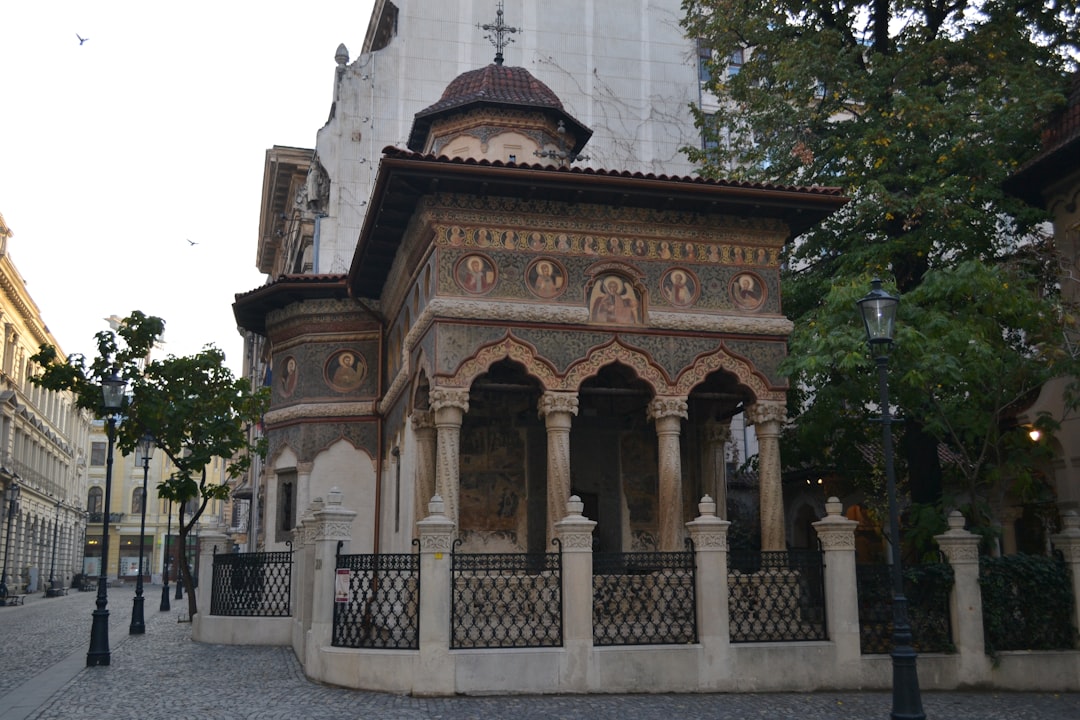
Start with Stavropoleos Church, tucked just off the main Old Town drag on Strada Stavropoleos. Built in 1724, its Brâncovenesc facade — a uniquely Romanian blend of Byzantine, Ottoman, and late Italian Renaissance — is one of the most detailed pieces of ecclesiastical architecture in southeastern Europe. The inner courtyard monastery is so quiet you can hear pigeons in the eaves. Most visitors walk right past it on the way to a bar. Don’t.
From there, wander the covered passages. Bucharest has a network of pasaje connecting the major boulevards through old courtyards and apartment blocks. Pasajul Villacrosse is the one you’ll find on Instagram — a glass-covered, fork-shaped arcade with coffee shops in the atrium. But the unmarked passages between Calea Victoriei and Lipscani are better. They feel like shortcuts through a city that hasn’t decided what century it wants to live in.
For the bigger picture, book the Communist Bucharest walking tour. It covers the Ceaușescu-era demolitions that erased a quarter of the old city to build the Palace of Parliament and the Boulevard of the Victory of Socialism. The architecture stops being ugly and starts being tragic once you understand what it replaced. The ‘Undeva în Comunism’ museum-café, where you sit among artifacts of the communist era and drink coffee from original equipment, is worth an hour on its own.
→ Communist Bucharest walking tour
Where to Stay: Three Neighborhoods, Three Speeds
Old Town (Centru Vechi) is the obvious base and, for a first visit, the right one. You’re walking distance to Stavropoleos, the passages, the Palace of Parliament, and the highest concentration of restaurants. The Filitti Boutique Hotel is the pick here — Dutch-owned, set in a restored historic building with a quiet internal courtyard that filters out the Old Town noise. Excellent breakfast. The kind of place where the owner actually cares whether you had a good day.
→ Filitti Boutique Hotel
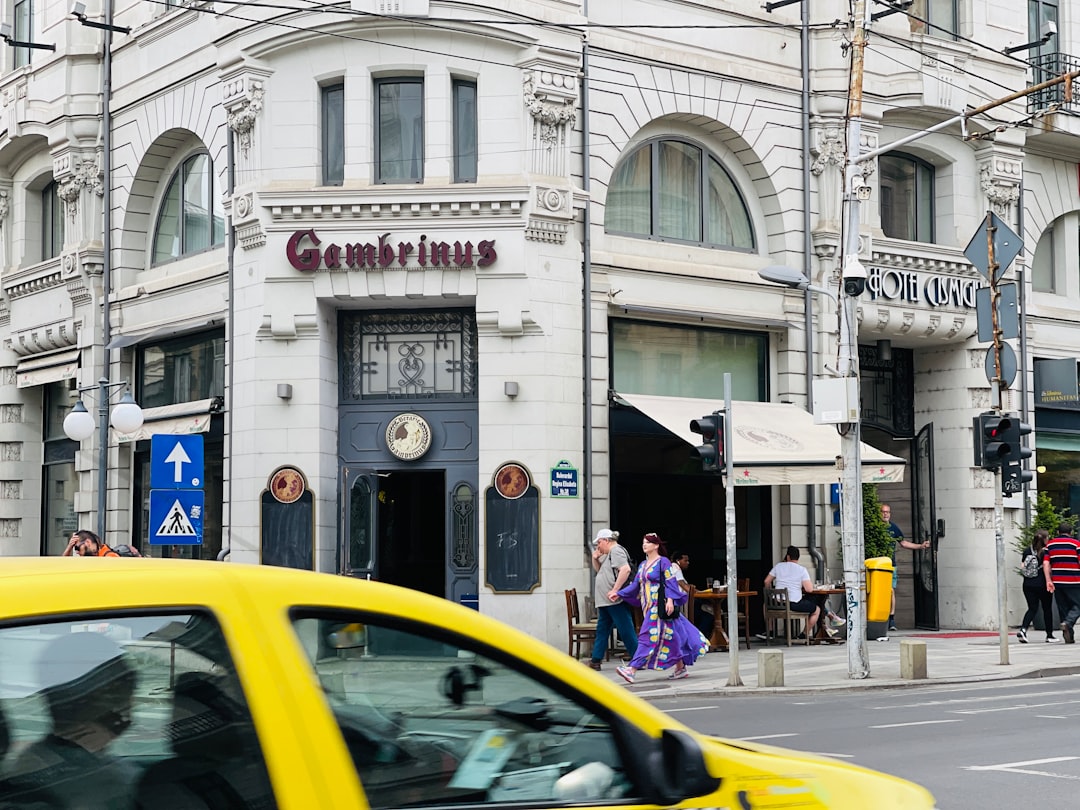
Calea Victoriei / Cișmigiu is for the traveler who wants elegance without the bar-crawl energy of Old Town at midnight. Grand Hotel Continental occupies an 1826 building on Bucharest’s grandest boulevard — preserved period details, marble bathrooms, classical furnishings, and a location steps from Revolution Square and the National Art Museum. You walk out the front door onto the most beautiful street in the city.
→ Grand Hotel Continental Bucharest
Floreasca is for the return visitor or the food-obsessed. An upmarket residential neighborhood north of the center with the city’s best concentration of contemporary restaurants and wine bars. Less tourist traffic, more local rhythm. You’ll need Bolt to get to the Old Town, but you’ll eat better than anyone staying there.
→ Hotels in Floreasca, Bucharest
Beyond the Obvious: What to Do When You’ve Already Seen the Palace
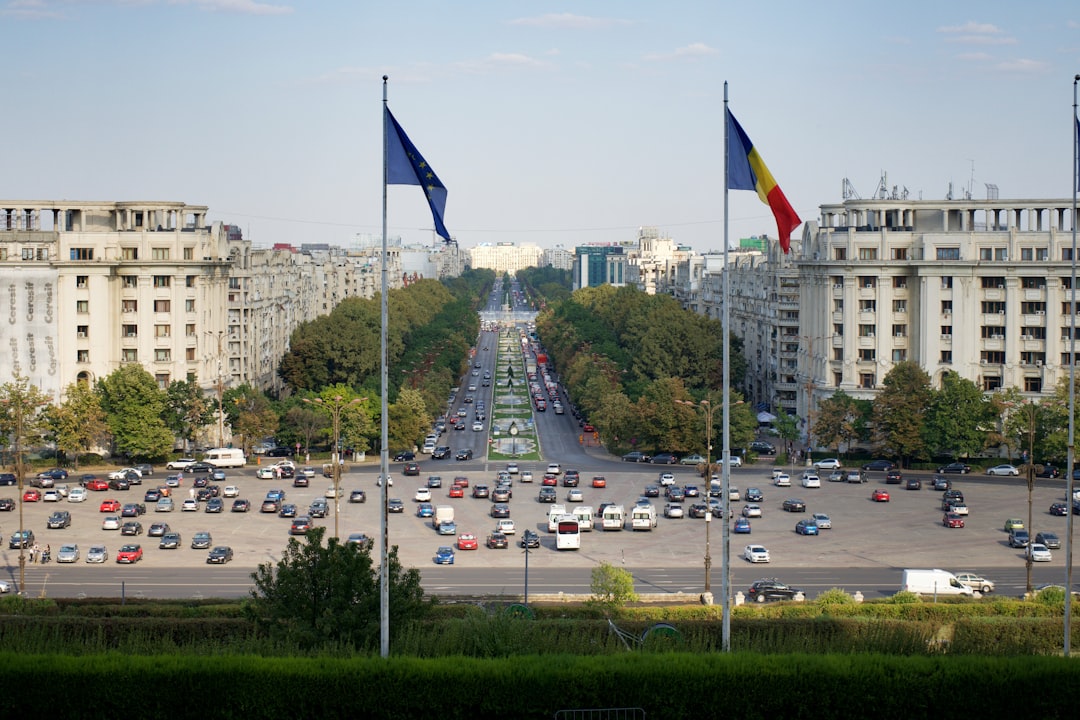
The Palace of Parliament is the thing everyone does, and you should too — it’s the world’s heaviest building and second-largest administrative structure, and walking through its absurd marble hallways is a study in what happens when ego outpaces a nation’s resources. Book the Standard Tour a day ahead and bring your passport. But the Underground Tour, which adds the unfinished nuclear bunker beneath the building, is the one that stays with you.
→ Palace of Parliament guided tour
After that, go deeper. The Village Museum in Herăstrău Park is an open-air collection of traditional Romanian rural homes transported from across the country. It sounds like a school field trip. It isn’t. The craftsmanship is extraordinary — carved wooden gates, thatched roofs, painted interiors — and on a weekday afternoon you’ll have it nearly to yourself.
For a half-day escape, drive thirty minutes north to Snagov Monastery, set on an island in the middle of Snagov Lake. This is where Vlad the Impaler is allegedly buried, though the monastery itself predates him by a century. The lake approach by boat is serene, and tourist traffic is minimal. It’s the kind of side trip that changes the shape of a city visit.
→ Snagov Monastery day trip from Bucharest
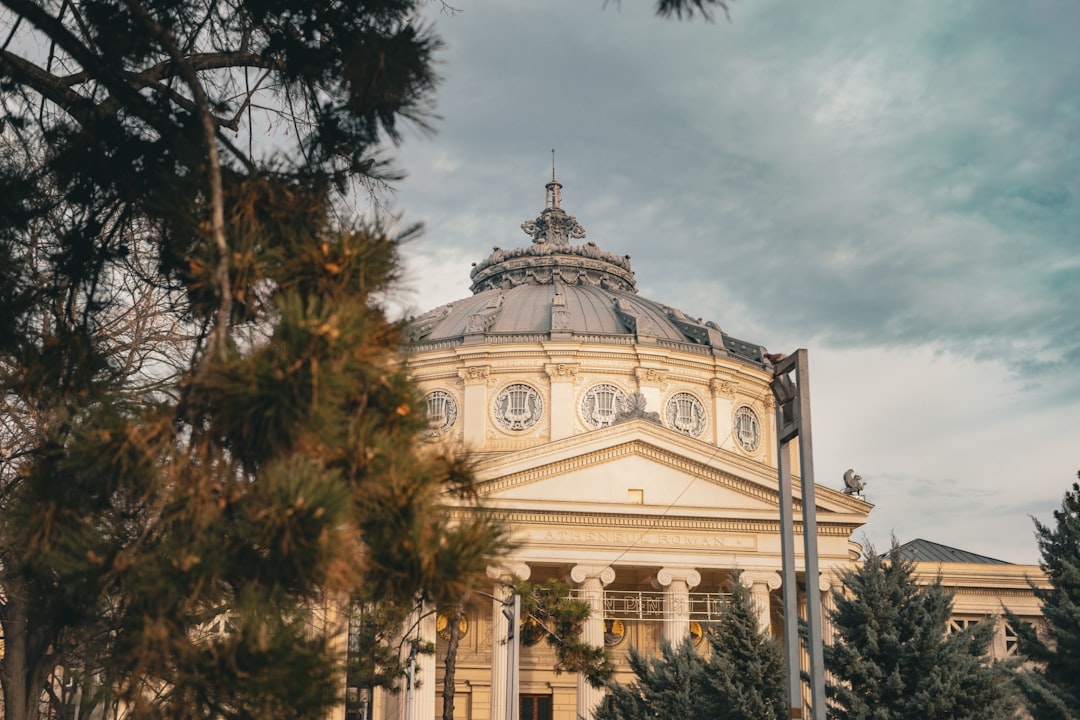
If your timing lines up with the George Enescu International Festival in late August through mid-September, book tickets to anything at the Romanian Athenaeum. The building — a neoclassical concert hall from 1888 — is worth the visit even without world-class orchestras playing inside it. With them, it’s one of the great live music experiences in Europe.
The Table: Where (and What) to Eat
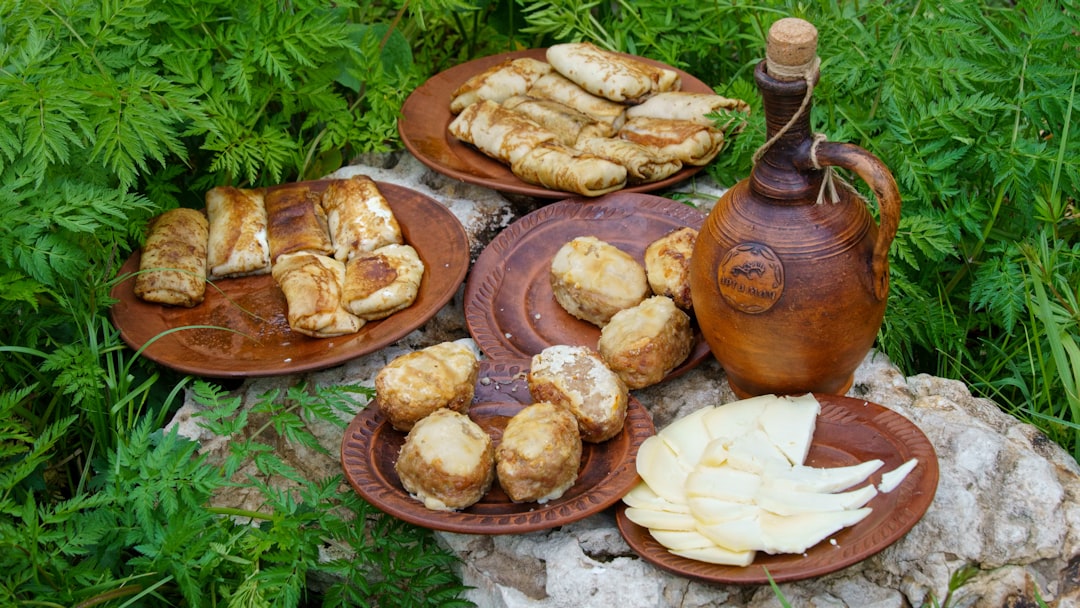
Start with the street food and work your way up. Mititei — skinless grilled sausages of beef, lamb, and pork loaded with garlic — are the national snack. You’ll find them at every terrace in Old Town, served with mustard and fresh bread and a cold Ursus beer. They’re simple, they’re perfect, and they cost almost nothing.
For traditional Romanian cooking done properly, Vatra is the reliable choice. The sarmale — cabbage rolls stuffed with spiced pork and rice, slow-cooked and served with sour cream and maize polenta — are textbook. Finish with papanași: fried doughnuts filled with sweet cheese, topped with sour cream and fruit jam. They’re heavier than they sound and better than they have any right to be.
The modern scene is where Bucharest has quietly gotten extraordinary. Kane, run by former Top Chef Romania winner Alex Iacob, serves 100% local products in creative preparations that recontextualize Romanian ingredients without losing their identity. KAIAMO, recognized by Gault & Millau and the 50 Best Discovery guide, pushes further into fine dining territory. And Zexe revives aristocratic Romanian recipes — turkey jelly with quail eggs, pike roe, calf brain — that most restaurants abandoned decades ago. These are restaurants that would be booked solid and twice the price in Paris. Here, you can walk in on a Tuesday.
Don’t skip the wine. Romanian Fetească Neagră — a deep, aromatic indigenous red — is wildly underpriced compared to anything you’d drink in France or Italy. Both Kane and KAIAMO have strong Romanian lists. Ask the sommelier to walk you through the local varietals. You’ll leave with bottles in your luggage.
Getting Around and Practical Notes
Use Bolt or Uber exclusively. Regular taxis in Bucharest are a gamble — overcharging is common and the experience is reliably worse. Bolt is cheap (a cross-city ride rarely exceeds €5) and the drivers know the one-way streets better than any map app.
The metro covers the main corridors and is clean and efficient, but the real pleasure of Bucharest is walking. The central area — Old Town, Calea Victoriei, Cișmigiu, University — is compact enough to cover on foot in a day. Wear comfortable shoes; the sidewalks are uneven in the best possible way.
Cash is still king at markets and some older restaurants, though cards are accepted widely in the center. Tipping 10% is standard at restaurants; round up for coffee and Bolt rides. Romania uses the leu, not the euro — but ATMs are everywhere and the exchange rate means your euros stretch remarkably far.
Plan Your Trip to Bucharest
Best time to visit: Late April through June — mild temperatures, blooming parks, and the Open Streets weekends on Calea Victoriei make the city feel electric.
✈️ Getting There
Search flights to Bucharest on Skyscanner
🏨 Where to Stay
-
Filitti Boutique Hotel — Restored Old Town gem with a courtyard that earns its quiet
-
Grand Hotel Continental — Belle époque grandeur on Calea Victoriei
🎟️ What to Book in Advance
Some links in this post are affiliate links. If you book through them,
CuriosityTrail earns a small commission at no extra cost to you.
We only recommend things we’d book ourselves.