The Cotswolds at a Proper Pace: Where to Base, What to Skip, and How to Slow Down
Quick Essentials
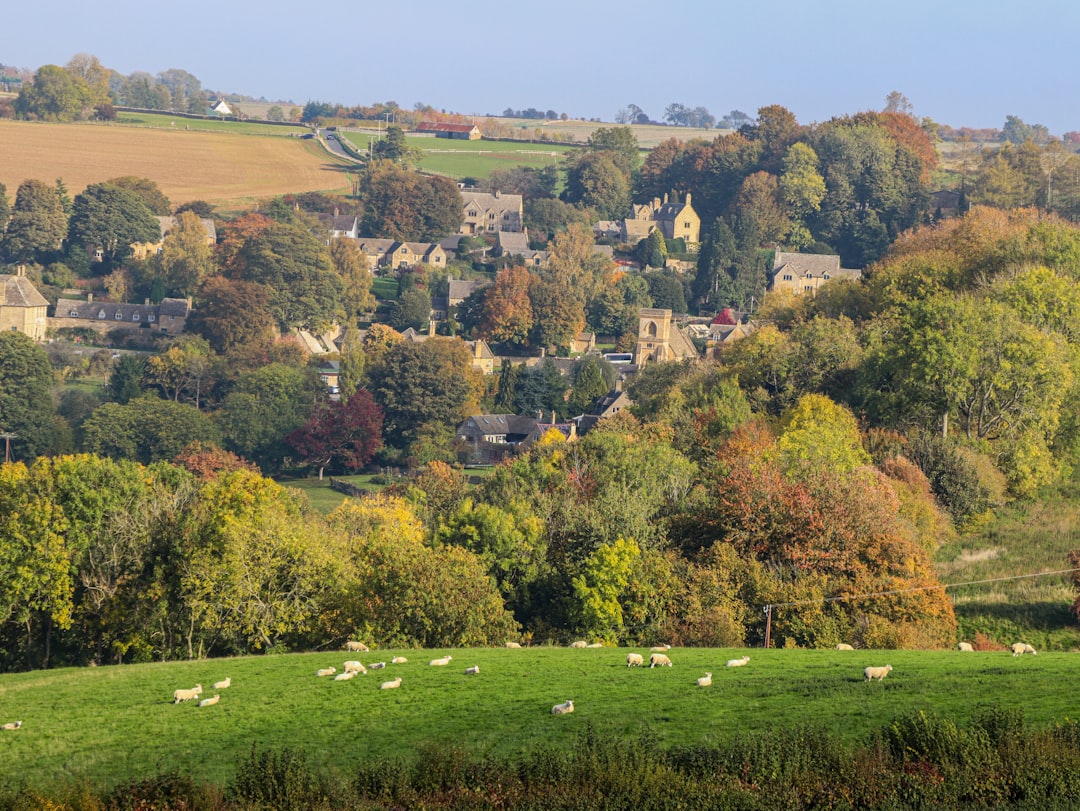
- 📍 Best Time to Visit: Late April through June — wildflowers carpet the meadows, lambs dot the hillsides, and the summer tour buses haven’t arrived yet.
- ✈️ Getting There: Search flights on Skyscanner | Direct from New York, Toronto, Vancouver, then 90 minutes by car or train
- 🏨 Where to Stay: Browse Cotswolds hotels on Booking.com
- 🎟️ Don’t Miss: Guided Cotswold villages walking tour on GetYourGuide
- 🚗 Car Rental: Compare rental cars on Skyscanner | Useful for reaching your base and day trips to the southern Cotswolds
- 💰 Budget Range: £120–£250 per day for comfortable travel with good pub meals, or £300+ for manor house stays
The Case for Not Having an Itinerary
The Cotswolds has a problem, and it’s your Instagram feed. Every travel reel shows the same breathless car route — Bourton-on-the-Water, Bibury, Castle Combe, repeat — filmed from a car window at a pace that turns 800 square miles of some of England’s most layered countryside into a drive-through highlight reel.
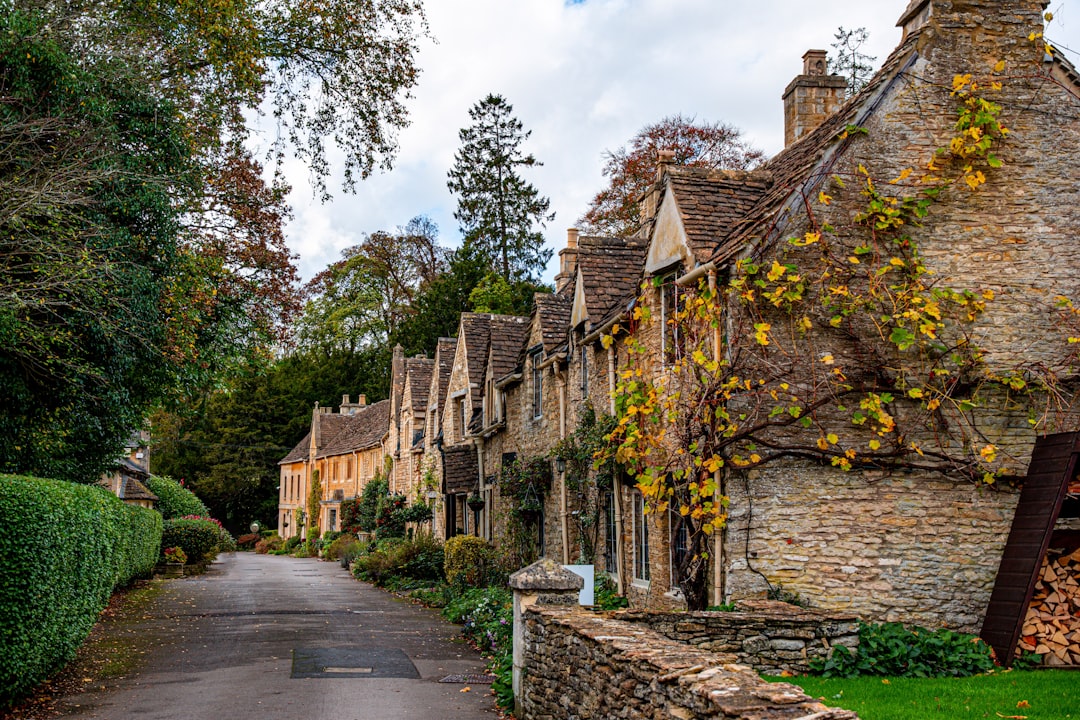
It’s the wrong way to do this. The Cotswolds rewards the opposite approach: pick a village, unpack, walk to a pub, wake up the next morning and walk somewhere else. The honey-colored stone that makes every photograph look like a period drama set is genuinely everywhere. You don’t need to race between the famous ones.
The trick is choosing where to anchor yourself and then letting the surrounding landscape fill your days without a checklist. Three or four days in one base will show you more of the Cotswolds than a week of constant driving — and you’ll actually remember the taste of the pint you had after that walk along the River Eye, rather than the name of the fourteenth village you photographed from the car park.
Picking Your Base: Three Cotswold Hubs Compared
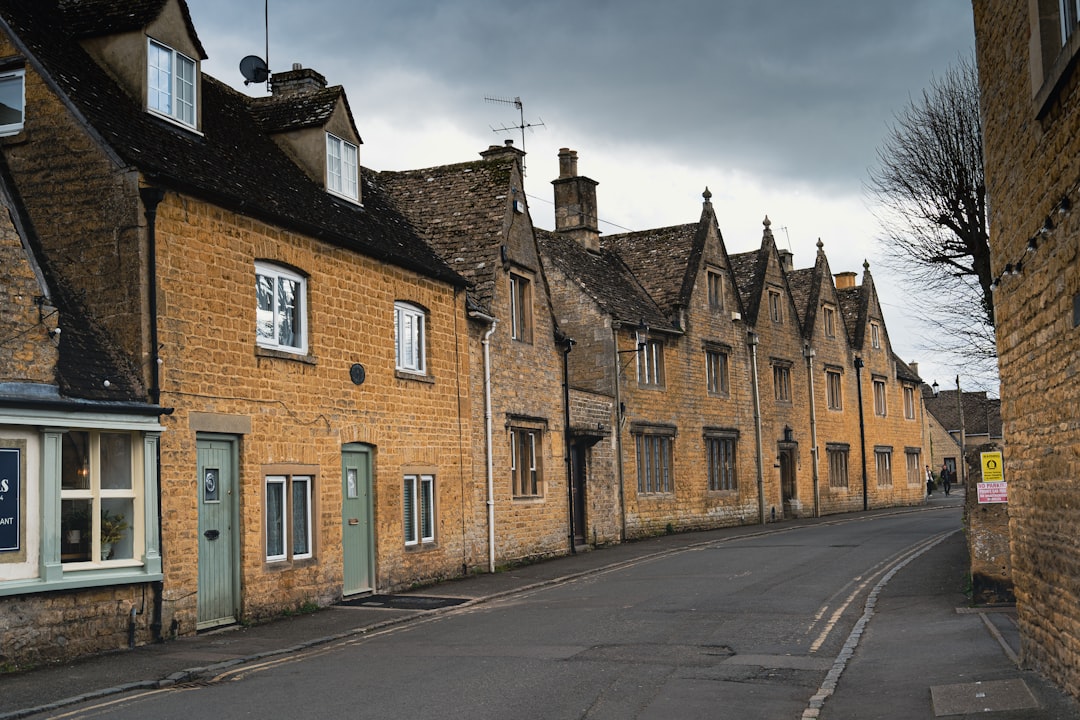
Stow-on-the-Wold sits at the intersection of several ancient roads and works as a central pivot point. The market square has antique shops and good pubs, and from here you’re a short drive — or a long, rewarding walk — from Bourton-on-the-Water, the Slaughters, and the Windrush Valley. It’s a working town, not a museum, and that distinction matters. Stay at the Porch House, which claims to be England’s oldest inn (dating to 947 AD) and backs up the claim with flagstone floors and exposed beams that look every year of it. → Browse Stow-on-the-Wold hotels on Booking.com
Chipping Campden is quieter, more refined, and farther north. Its High Street is one of the finest in England — a long curve of wool merchants’ houses and the Jacobean Market Hall. From here you’re at the northern terminus of the Cotswold Way, with Broadway, Snowshill, and the Vale of Evesham in easy reach. This is the base for people who want to walk seriously. The town is also less overrun than Stow or Bourton, which matters on a Saturday in June. → Browse Chipping Campden hotels on Booking.com
Cirencester anchors the southern Cotswolds and feels more like a small city than a village — Roman roots, a solid independent restaurant scene, and a position that puts Painswick, Tetbury, and the Duntisbournes all within a half-hour drive. If you want to stay in a pub with character, the Royal Oak in Tetbury has rooms with upcycled furnishings and a vintage jukebox in the bar. → Browse Cirencester area hotels on Booking.com
For most first-time visitors who’ve traveled enough to know what they like, Chipping Campden is the right call. It’s photogenic without being overexposed, walkable without being tiny, and it doesn’t empty out the second a tour bus leaves.
The Villages Worth Your Morning
Here’s the honest assessment: some of the famous Cotswold villages are famous because they deserve it, and some are famous because they have a car park.
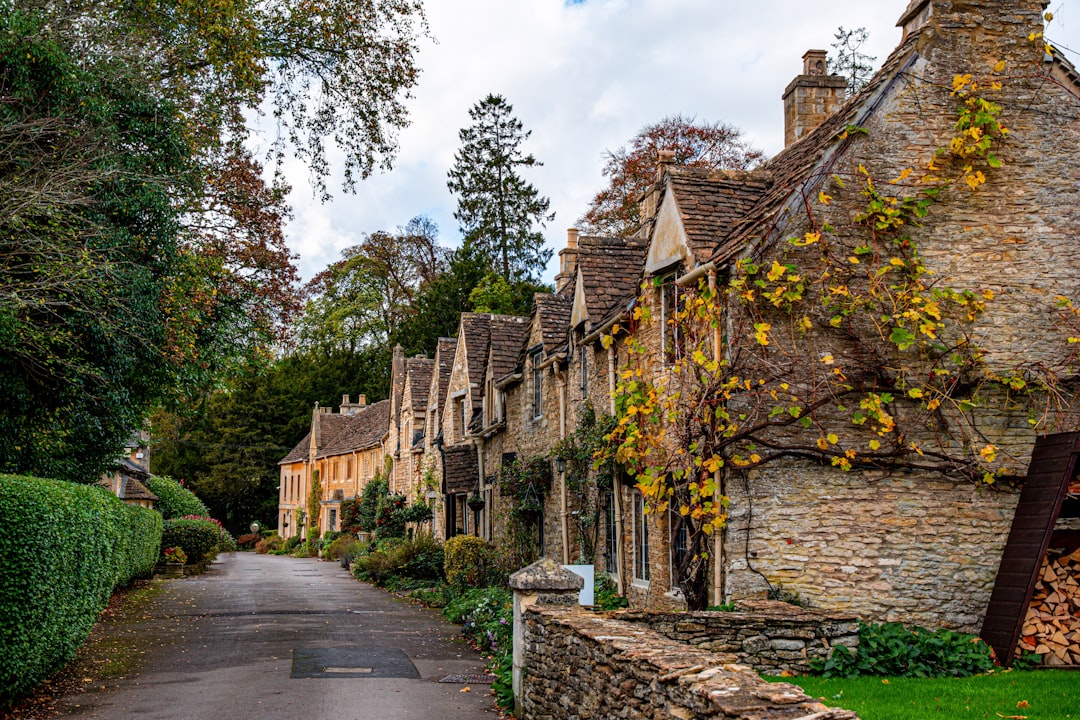
Lower Slaughter is the real thing. Walk there from Bourton-on-the-Water along the riverside footpath — it takes about twenty minutes and the approach is better than the village itself, though the village itself is lovely. The old mill sits at a bend in the River Eye, and on a weekday morning the only sound is water. Upper Slaughter, a ten-minute walk further, has even fewer visitors and a fine church.
Snowshill is a tiny hamlet perched on a steep escarpment with views across the Vale of Evesham that will pin you to the spot. The National Trust’s Snowshill Manor is a Tudor house crammed with 22,000 objects — samurai armor, musical instruments, vintage bicycles — collected by the eccentric Charles Paget Wade, who slept in a cottage so his collection could have the house. It’s delightfully weird and genuinely memorable. → Explore Cotswold village tours on GetYourGuide
Painswick, the self-appointed “Queen of the Cotswolds,” is elegant rather than quaint. The churchyard of St Mary’s has 99 clipped yew trees — legend says the devil kills the hundredth whenever one is planted — and the streets have a Palladian confidence that feels more Bath than Bibury.
The Duntisbournes are the hidden ace. Four hamlets strung along a stream so small the road fords it in places. At Duntisbourne Rouse, the Saxon church of St Michael has wall paintings dating to the 11th century. You will almost certainly be alone here.
And the honest skips: Bourton-on-the-Water is pretty but choked with visitors by 10am in summer. If you’re going, go at 8am or skip it entirely and walk to the Slaughters instead. Bibury’s Arlington Row is worth seeing once but the Instagram crowd has made it exhausting on weekends.
Country Pubs and Where to Eat Well
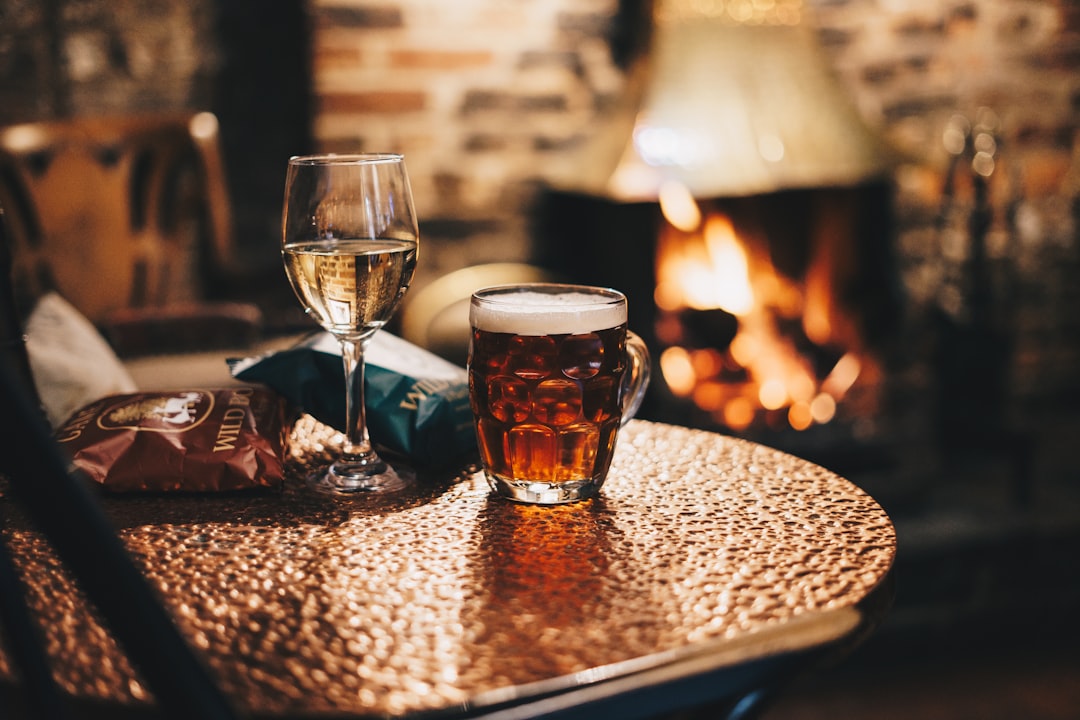
The Cotswold pub is the engine of daily life here, and eating well means finding the ones where the kitchen takes the food as seriously as the beer.
The King’s Head Inn in Bledington sits on the village green with a cricket pitch beside it, which is about as English as a setting gets. The food is a step above standard pub fare without drifting into gastro-pretension, and the rooms upstairs are worth booking if you want to sleep where you drink. → The King’s Head Inn on Booking.com
The Fox Inn in Broadwell does seasonal food that changes weekly and doesn’t announce itself with a blackboard manifesto. Just good ingredients handled properly. The Bull in Charlbury, opened by the team behind London’s The Pelican, earned a Michelin Bib Gourmand and pulls a well-heeled crowd from Oxford on weekends — book ahead.
For a cream tea that doesn’t feel like a tourist performance, Huffkins in Burford has been baking since 1890 and the scones are plain and excellent. At the other end of the formality spectrum, The Wild Rabbit in Kingham serves an organic British tasting menu in a converted pub that costs accordingly but delivers.
Two things to seek out specifically: Bibury trout, pan-fried, from the trout farm that’s been operating since the Victorian era. And Stinking Bishop cheese, a pungent washed-rind wheel made with Gloucester cattle milk by a single producer — Charles Martell — in the village of Dymock. You’ll find it at the Stroud farmers’ market, which runs every Saturday morning and is one of the best food markets in England, full stop.
And do the Cotswolds Distillery tour near Stourton. They make the region’s first proper gin — lavender-forward, distinctive — and a single malt whisky that’s getting better with every release. → Cotswolds Distillery tour and tasting on GetYourGuide
Walks That Earn Your Lunch
The Cotswolds were made for walking, and you don’t need to be a serious hiker to enjoy it. The footpaths are well-maintained, the distances between villages are short, and the landscape unrolls in gentle folds rather than dramatic ascents.
The walk from Bourton-on-the-Water to Lower Slaughter along the River Eye is the easiest introduction — flat, beautiful, and about twenty minutes each way. Extend it to Upper Slaughter and back for a full morning loop.
A section of the Cotswold Way from Chipping Campden to Broadway Tower covers about six miles of escarpment walking with long views west across the Severn Vale. Broadway Tower itself is a folly built on one of the highest points in the Cotswolds, and on a clear day you can see into Wales. This is a half-day walk with a solid pub lunch at the end in Broadway. → Cotswold Way guided day hike on GetYourGuide
For something quieter, the circular walk from Painswick through the Slad Valley follows the landscape that Laurie Lee wrote about in Cider with Rosie. The paths wind through beech woods and open meadows, and the Woolpack Inn in Slad — Lee’s local — is still there for a pint at the finish.
What Most Visitors Get Wrong
The first mistake is trying to see too many villages in one day. Three is plenty. Two is better. One, with a long walk to get there and a pub lunch when you arrive, is ideal.
The second is driving everywhere. The narrow lanes between villages are beautiful but stressful to navigate, the car parks are small and expensive, and the best views are from the footpaths, not the roads. Rent a car for getting to your base and for reaching the southern Cotswolds from the north if you want variety, but let your feet handle the daily exploring.
The third is visiting only in summer. The Cotswolds in September, when the harvest festivals start and the crowds evaporate, might be the best version of itself. October brings extraordinary foliage at Westonbirt Arboretum and Batsford Arboretum. Even winter has its case — Christmas markets in Cirencester and Cheltenham, empty footpaths, log fires in every pub.
And a practical note for North American visitors: pubs often stop serving food at 2:30pm and many don’t reopen for dinner until 6 or 6:30. Plan accordingly or you’ll find yourself eating crisps for lunch.
When to Go and What to Time It Around
Late April through mid-June is the sweet spot. The wildflowers are extraordinary, the lambing fields are idyllic, and the bluebell woods — particularly around Painswick — are worth the trip alone. The Badminton Horse Trials in early May and the Cotswold Lavender fields near Snowshill opening in mid-June give you specific reasons to time a visit.
September through mid-October is the experienced traveler’s window. The Broadway Food Festival in mid-September showcases Cotswold producers, the literature festival in Cheltenham runs ten days in October, and the autumn color rivals New England with a fraction of the crowd.
Late May brings the Cooper’s Hill Cheese Rolling — a gloriously unhinged tradition where competitors sprint down a near-vertical slope chasing a wheel of Double Gloucester. It’s exactly as absurd as it sounds and worth seeing once.
Avoid the school summer holidays (late July through August) unless you enjoy queuing for a parking space in Bourton-on-the-Water.
Ready to Plan Your Trip to the Cotswolds?
You’ve done the reading. Here’s everything you need to make it happen.
🎟️ What to Book in Advance
- Guided Cotswold villages walking tour
- Cotswold Way day hike from Chipping Campden
- Cotswolds Distillery gin and whisky tasting
🏨 Where to Stay
- Chipping Campden pubs and hotels — Refined base with the best High Street and serious walking access
- The King’s Head Inn, Bledington — Classic honey-stone pub with rooms on the village green
📦 Pack Right
A good pair of waterproof walking shoes — the footpaths are muddy even in summer. → Merrell Moab 3 Waterproof Hiking Shoe
Some links in this post are affiliate links. If you book through them, CuriosityTrail earns a small commission at no extra cost to you. Recommendations are chosen on merit; commissions never decide what’s included.