Salzburg Beyond the Sound of Music: What Experienced Travelers Actually Doing
Quick Essentials
- 📍 Best Time to Visit: June through early September — the trick fountains are running, the fortress terrace is open, and late July puts you at the front edge of the Salzburg Festival without the full-August crush.
- ✈️ Getting There: Search flights to Salzburg on Skyscanner | Direct from London, Frankfurt, Amsterdam, and most European hubs.
- 🏨 Where to Stay: Browse Salzburg hotels on Booking.com
- 🎟️ Don’t Miss: Hohensalzburg Fortress entry and audio guide on GetYourGuide
- 💰 Budget Range: €150–€300 per day for two — mid-range dining, good hotel, one booked experience per day.
The Problem with Salzburg
Salzburg has too much. That sounds like a compliment, and it is, but it creates a real problem for anyone trying to plan a visit. The Sound of Music tour alone eats half a day. The salt mines take another. The fortress demands a morning. Hellbrunn Palace with those trick fountains — another two hours. And you haven’t walked the Altstadt yet, haven’t sat down for Nockerl, haven’t crossed the river to see what’s on the other side.
Most visitors try to do everything and end up doing all of it badly, collapsing into a Getreidegasse café at 4pm with aching feet and a vague sense they missed the point. Salzburg rewards the opposite approach. Fewer things, done slowly. The city has been here since before the hotel you’re sleeping in opened — and if you’re staying at the Goldener Hirsch, that hotel has been operating since the 1200s. There is no rush.
This guide is about choosing well. What to do, what to skip, and where Salzburg hides its best layers under the obvious ones.
The Altstadt on Foot: Slow Down or Miss Everything
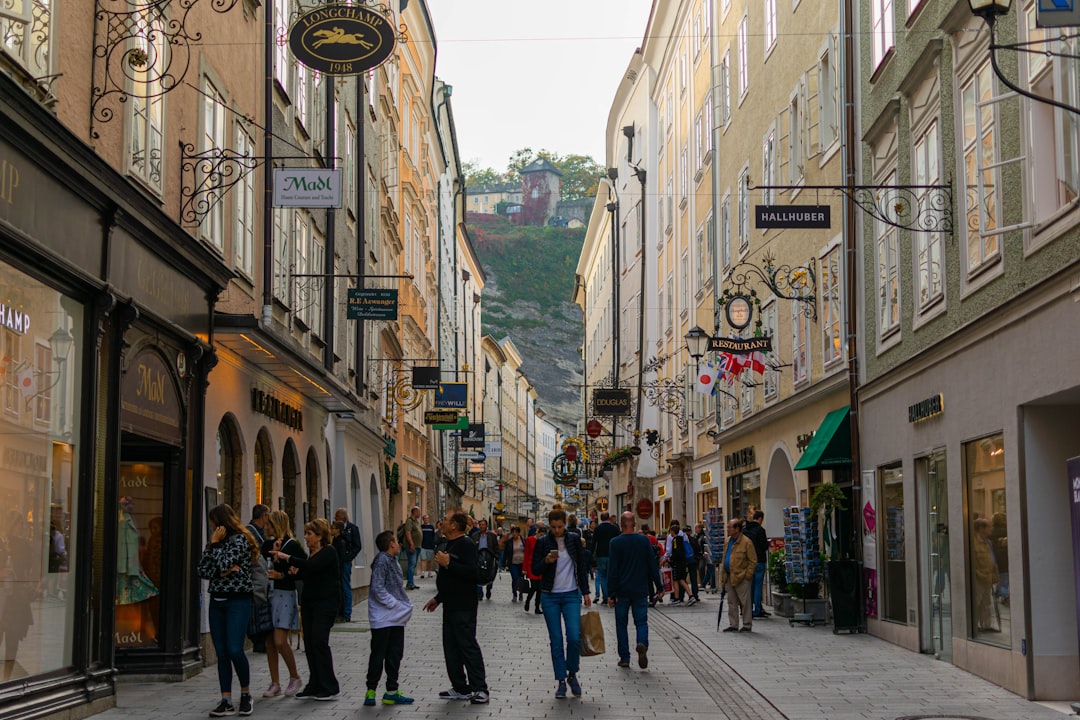
The Old Town is compact enough to cross in twenty minutes if you’re in a hurry. Don’t be. Salzburg’s Altstadt is a UNESCO World Heritage site, and its best details are above eye level — wrought-iron signs, Baroque facade details, window boxes that someone has been tending for decades.
Start at Residenzplatz, the central square where the cathedral, the Residenz palace, and the Glockenspiel carillon all converge. The cathedral itself is worth ten minutes inside — the Untersberg marble facade catches morning light beautifully, and the dome interior is more restrained and elegant than you’d expect from the outside.
Walk south toward St. Peter’s Abbey. Most tourists pass by the entrance heading for the fortress funicular, but stop. St. Peter Stiftskulinarium, the restaurant inside the abbey complex, has been serving meals for over 1,200 years. That’s not a typo. It’s one of the oldest restaurants in Europe, and it’s surprisingly unstuffy — this is a working lunch spot, not a museum piece.
Then there’s the other side of the river. The Neustadt — “new town,” though nothing about it feels new — has a different rhythm. Mirabell Palace and its gardens sit here, the spot where the “Do Re Mi” scene was filmed. The gardens are lovely and free, and from June 2026, a new UNESCO Museum opens in the Orangery. Worth checking in on.
Sound of Music: Take the Tour, Then Move On
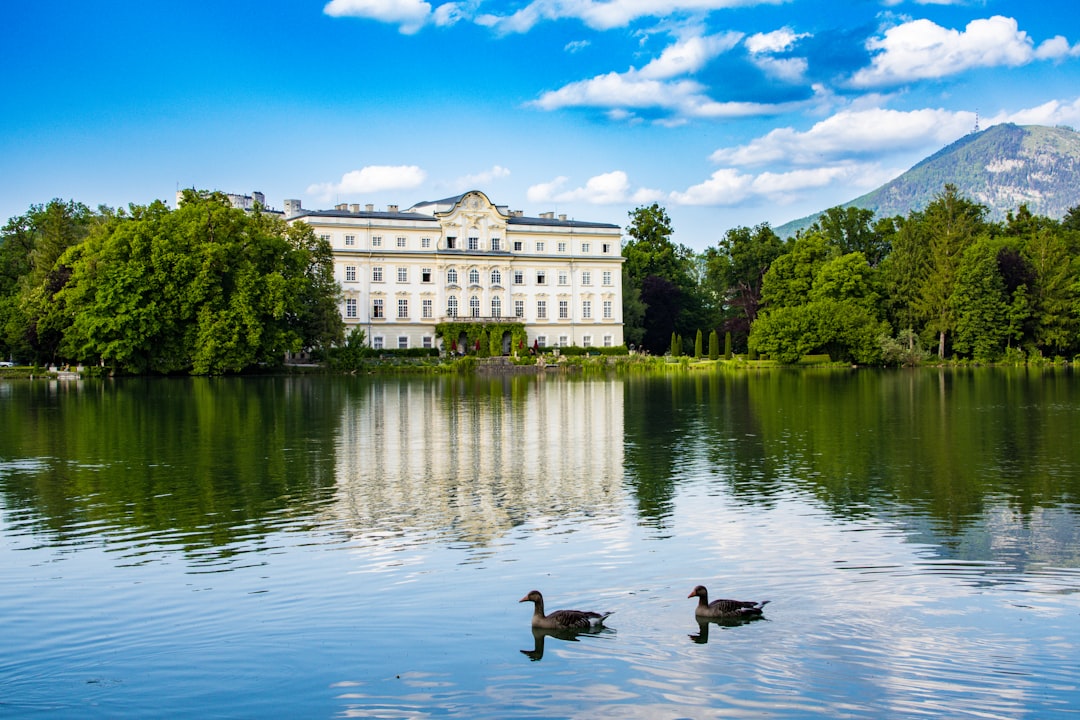
Here’s the thing about the Sound of Music tour: it’s good. The half-day guided version hits Mirabell Gardens, Nonnberg Abbey, Leopoldskron Palace, the Hellbrunn gazebo, and the church at Mondsee, and the guides are genuinely entertaining. If you have any affection for the film at all, take the tour. It’s a pleasure.
But — and this matters — it is one layer of a city that has many. The tour takes about four hours. Some visitors build their entire Salzburg trip around it and leave feeling like they’ve “done” the city. They haven’t. In September 2026, a dedicated Sound of Music Museum opens in Salzburg, telling the true story of the von Trapp family and the making of the film. That’s worth circling back for if you’re visiting in autumn.
Original Sound of Music guided tour on GetYourGuide
Going Underground: The Salt Mines
Salzburg means “Salt Fortress,” and the salt trade built this city’s wealth. The Berchtesgaden salt mines, just across the German border, offer one of the more unusual half-day trips you’ll take anywhere in Europe.
You suit up in protective gear, ride a mine train a quarter mile into the mountain, slide down wooden chutes between levels, raft across a subterranean lake they call Mirror Lake, and walk through the Salt Cathedral. It sounds like a theme park attraction. It isn’t. These mines have been operating for over 500 years, and the experience balances education with genuine wonder.
Practical notes: wear closed shoes and long trousers — it’s cool and dusty underground. The combo tour that pairs the salt mines with the Sound of Music locations makes for a long day (ten hours on the bus). If you tire easily or simply prefer not to rush, separate them. Book at least three to five days ahead in summer — July and August sell out regularly.
Berchtesgaden Salt Mines tour from Salzburg on GetYourGuide
Fortress, Ridge, Views
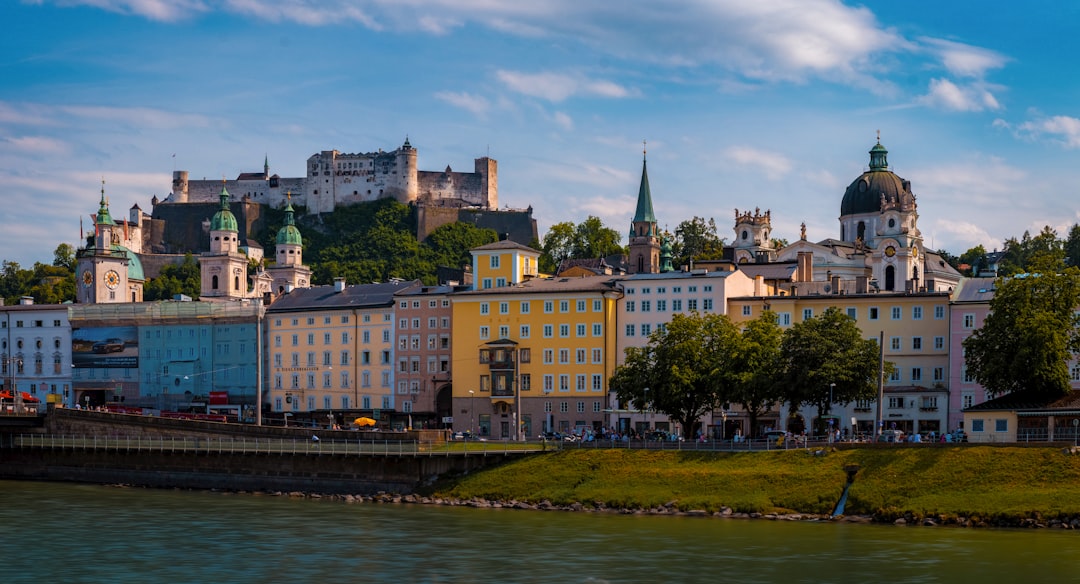
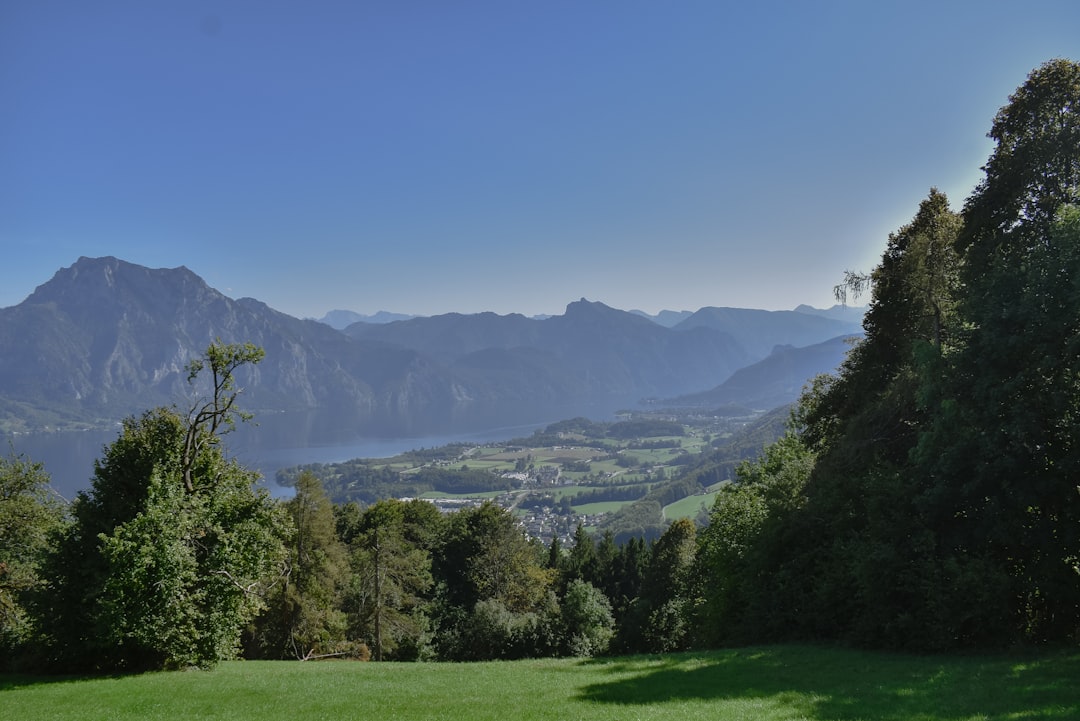
Hohensalzburg Fortress is an 11th-century fortification perched on a hill above the city, and it’s the kind of sight that pulls your eye upward from almost everywhere in the Altstadt. Most visitors take the funicular up, walk around the fortress, and take the funicular back down. That’s fine. But if you have the knees for it, walk the Mönchsberg ridge trail instead of descending the way you came.
The ridge trail runs along the top of the cliff that frames the Old Town’s western edge. It’s largely uncrowded — most tourists are already back in Getreidegasse buying Mozart-branded chocolates — and the panoramic views of the city, the river, and the Alps beyond are the kind of thing you actually remember from a trip, months later.
Hohensalzburg Fortress entry with audio guide on GetYourGuide
Where to Sleep: Three Neighborhoods, Three Moods
The Altstadt is where you want to be if it’s your first Salzburg visit. Steps from the Cathedral, Residenzplatz, and the fortress funicular. Hotels here are pricier but you trade money for time — everything is walkable, and the evening atmosphere, once the tour groups leave, is genuinely magical. The Hotel Goldener Hirsch has been operating as a hotel since the 1200s and anchors the street with a quiet sense of permanence that no boutique-by-formula hotel can replicate.
→ Hotel Goldener Hirsch on Booking.com
The Neustadt sits across the Salzach River. Slightly cheaper, still completely walkable, and home to Hotel Sacher Salzburg — riverfront, elegant, and yes, they serve the original Sacher-Torte. If you want luxury without the Altstadt premium, this is the move.
→ Hotel Sacher Salzburg on Booking.com
Nonntal is a quiet residential neighborhood a fifteen-minute walk south of the Old Town. It’s where you go when you want to decompress after full sightseeing days without hotel-bar prices. Less character than the Altstadt, more peace.
→ Browse Nonntal hotels on Booking.com
The Table: What Salzburg Eats and Drinks
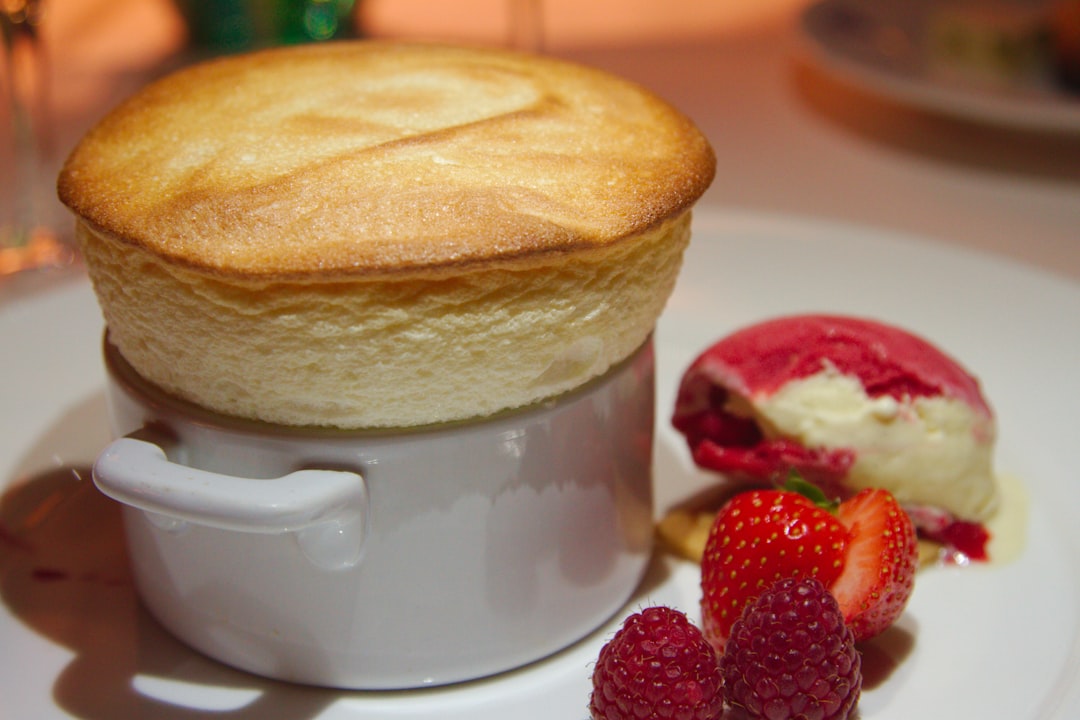
Salzburger Nockerl are non-negotiable. This towering soufflé — each powdered-sugar peak representing one of Salzburg’s mountains — arrives at your table looking architectural. It’s sweet, airy, and built on a cherry sauce base. Order it at St. Peter Stiftskulinarium for the full effect.
Original Mozartkugeln from Konditorei Fürst on the Alter Markt are the real thing — handmade, pistachio marzipan and nougat wrapped in dark chocolate. The mass-produced versions sold everywhere else in town are a different product entirely. Fürst is small and easy to miss. Don’t.
Augustinerbräu Kloster Mülln is Salzburg’s great beer hall, built into a former monastery. Stone mugs, long wooden tables, self-serve food stalls lining the corridors. The beer culture here dates to the 14th century, and this is Austria’s most popular beer, brewed on-site. Go in the evening. Sit outside if weather allows.
Käsespätzle — Austria’s version of mac and cheese, with soft dumpling noodles and melted cheese under a crust of fried onions — is the dish you’ll crave afterward. Bärenwirt and Gasthaus Zwettler’s both do it well.
Schweinsbraten at Sternbräu is roast pork the way it’s supposed to be done: slow-roasted shoulder with caraway and garlic, served with dumplings. Sternbräu has been at this for over a century.
Salzburg’s Modern Surprise
Every visitor comes for the Baroque. Fewer notice the modern layer underneath. Red Bull’s global headquarters sit here — the company was founded in Austria — and Hangar-7 at Salzburg Airport is worth the detour. It’s a curved-glass hangar housing a collection of historic aircraft, Formula 1 cars, and art installations. Inside, Ikarus restaurant rotates Michelin-level guest chefs from around the world each month. It’s the most unexpected dining experience in Salzburg, and it exists because of an energy drink.
This juxtaposition — a 1,200-year-old restaurant and a Red Bull-funded hangar with a rotating Michelin kitchen — is what makes Salzburg more interesting than its reputation suggests. The city isn’t frozen in amber. It just hides its contemporary ambitions behind all that marble.
2026: A Good Year to Go
Mozart’s 270th birthday is being celebrated throughout the city with special tours, culinary events, and cultural programming. The Salzburg Summer Festival runs July 17 to August 30, with new productions of Strauss’s Ariadne auf Naxos and Bizet’s Carmen. The new Sound of Music Museum opens in September. The UNESCO Museum in the Mirabell Gardens Orangery opens in June.
If you’re weighing when to visit, 2026 makes a strong case for itself.
Ready to Plan Your Trip to Salzburg?
You’ve done the reading. Here’s everything you need to make it happen.
🎟️ What to Book in Advance
- Hohensalzburg Fortress entry and audio guide
- Original Sound of Music filming locations tour
- Browse more Salzburg experiences on Viator
Some links in this post are affiliate links. If you book through them, CuriosityTrail earns a small commission at no extra cost to you. Recommendations are chosen on merit; commissions never decide what’s included.