Edmonton Surprised Us: River Trails, Perogies, and a Prairie Arts Revival
Quick Essentials
- ✈️ Flights:
Search flights to Edmonton
- 🏨 Hotels:
Browse hotels in Edmonton
- 🎟️ Top Experience:
Private River Valley walking tour with Indigenous storytelling
- 🚗 Car Rental:
Compare rental cars in Edmonton
The One You Weren’t Expecting
Edmonton is rarely high on anyone’s list. It’s easy to drive past on the way to Jasper and never think to stop. Calgary has the reputation. Vancouver has the scenery. Edmonton is just… there, on the flat bit between them.
That’s wrong. The flat bit between two famous places is usually where the interesting people end up — the ones who can’t be bothered with the fuss of being fashionable. And that describes Edmonton rather well.
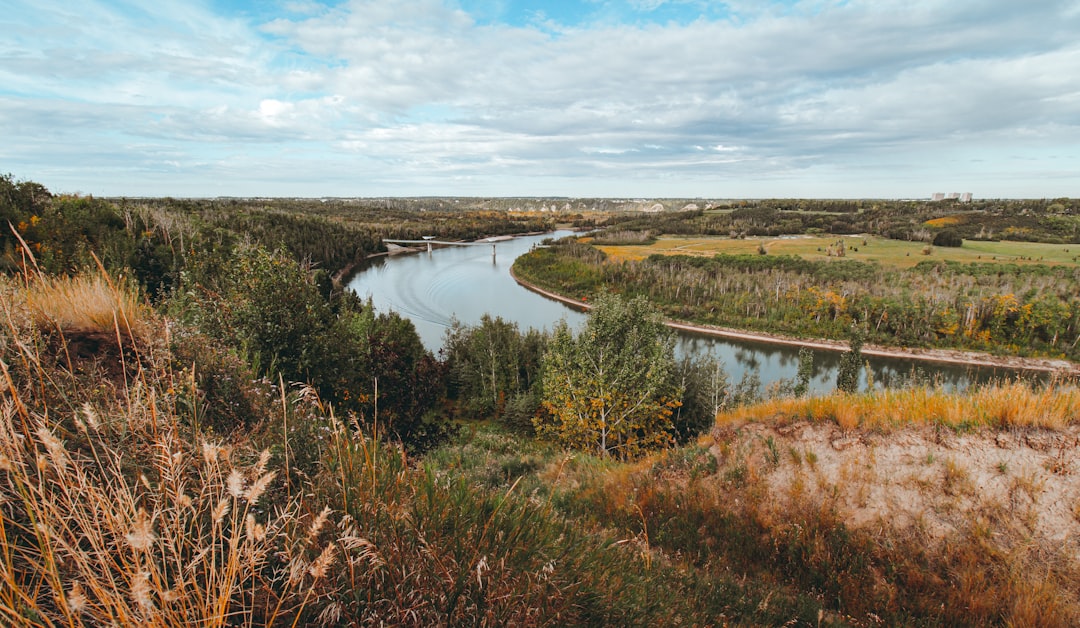
What pulls you in is a statistic: Edmonton’s river valley park system is the largest urban parkland in North America. Larger than Central Park. Larger than Stanley Park. Over 160 kilometres of trails cutting through forest ravines in the middle of a prairie city. That’s worth investigating. The city also has the kind of Ukrainian food heritage you can’t find this side of Lviv, and a downtown arts district that’s genuinely come alive in the last few years — bonuses you may not be prepared for.
The River Valley Nobody Mentions
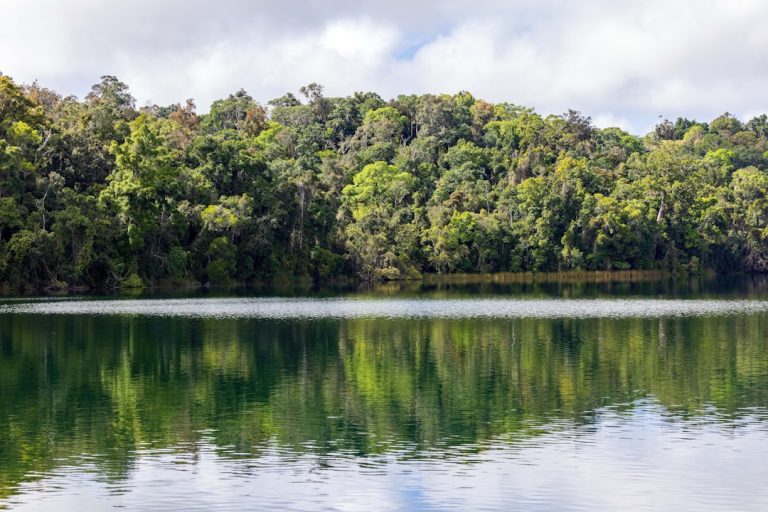
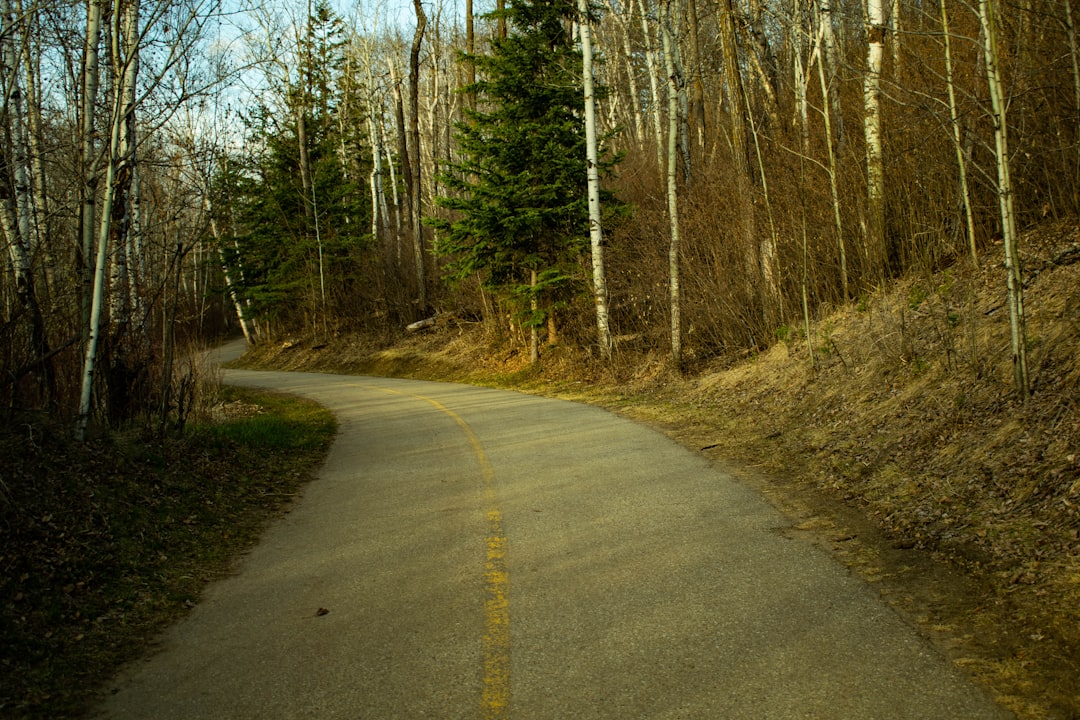
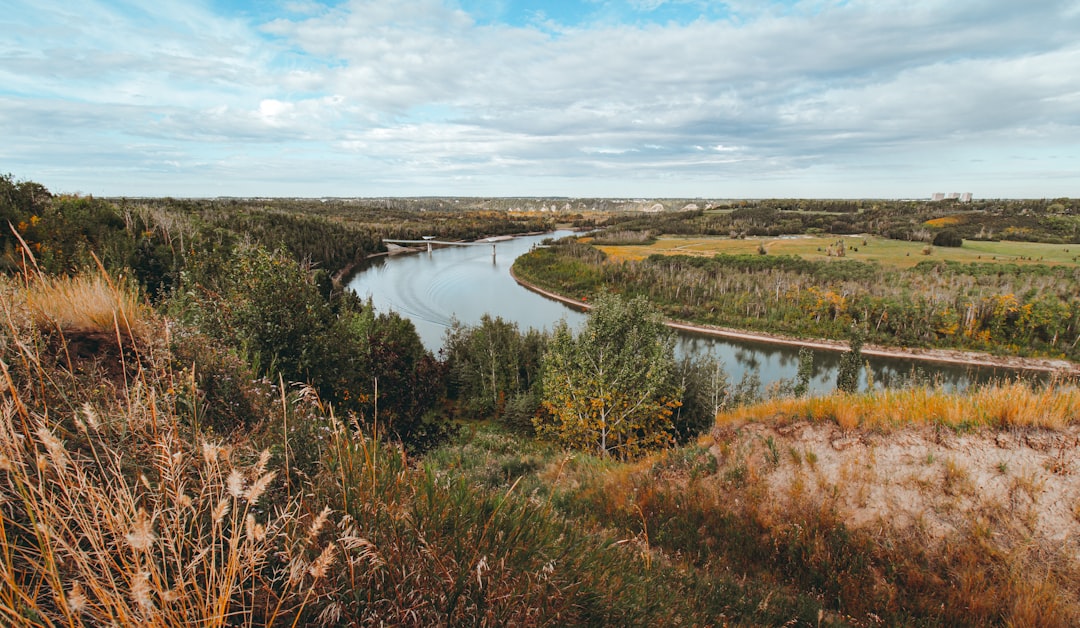
Start with the scale of it, because it’s the thing that changes how you think about Edmonton. The North Saskatchewan River carved a valley through the city, and instead of filling it with condos, Edmonton kept it wild. Forested ravines, paved multi-use paths, and dirt single-track run from one end of the city to the other. The Amisk Waciw Meskanaw Trail, already 75 per cent complete, will eventually stretch over 100 kilometres connecting Devon to Fort Saskatchewan. That’s not a park trail. That’s a corridor.
The section I’d tell you to walk is Mill Creek Ravine. You drop in from a residential street and within minutes you’re under a canopy thick enough to swallow the city noise completely. On a Sunday morning the locals walk their dogs off-leash and nobody seems in any rush. It feels like a village footpath, not a trail in a city of a million people.
If you want something more structured, a private guided walk through the river valley runs about three hours and includes Indigenous storytelling and a sharing circle — a perspective on the land that the trail markers don’t give you. Private River Valley walking tour
For the more ambitious: the Victoria Park Loop via Groat Bridge gives you proper views of the downtown skyline from below, framed by parkland on both sides. Bring a light rain jacket in July. It’s the wettest month and the valley holds moisture.
Eating Edmonton: Perogies, Green Onion Cakes, and the Quiet Boom
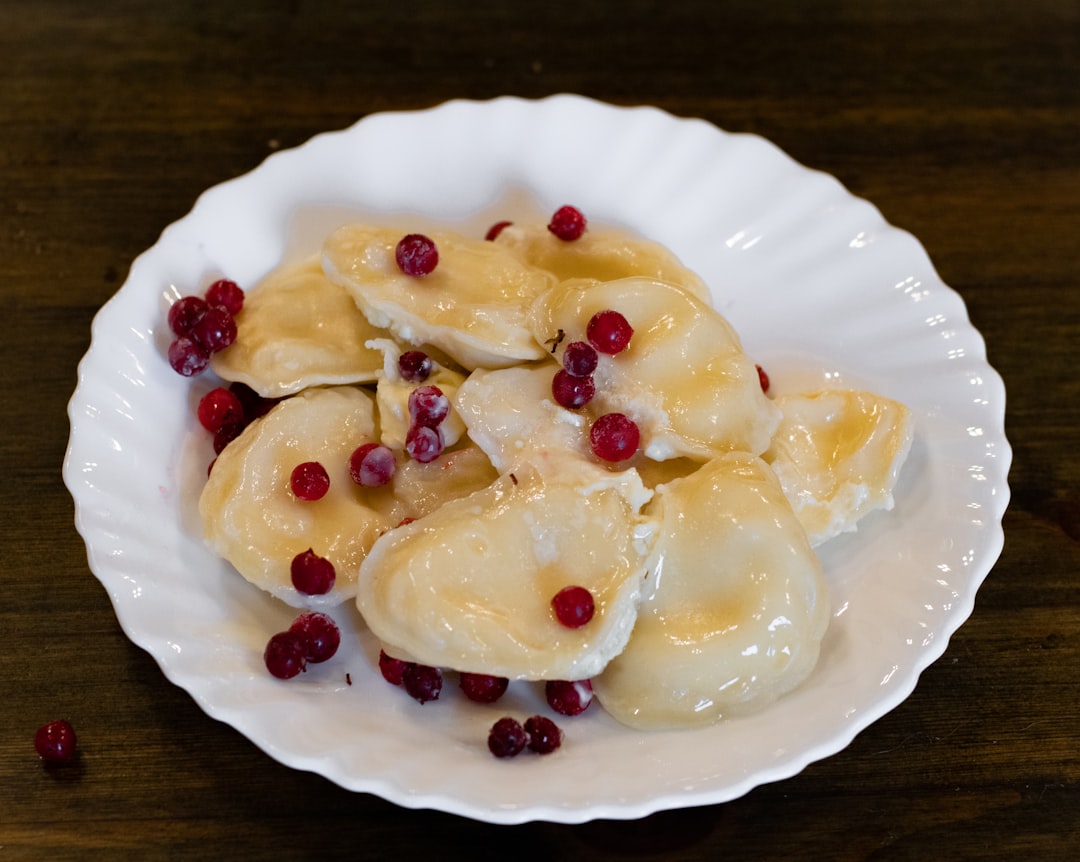
This is where Edmonton gets genuinely interesting for anyone who eats as a form of tourism. The city’s Ukrainian community arrived over a century ago and left their kitchens open. Perogies here aren’t a novelty — they’re a staple, available at community events, church potlucks, festival stalls, and restaurants that treat them seriously.
Uncle Ed’s Ukrainian Restaurant is the one to find. Potato and cheese is the classic filling, but the sauerkraut variety is better, and they do a dessert perogy stuffed with fruit that sounds odd and works completely. Next door, Mundare Sausage House sells frozen take-home packs if you want to bring the evidence back. Don’ya Ukraine’s Kitchen is a different story — Canada’s first Ukrainian kitchen run entirely by newcomers from Ukraine, started as a project to employ people who’d just arrived. The Thursday night special of handmade pierogis, borscht, garlic sausage, and cabbage rolls is worth rearranging your evening for.
Then there are the green onion cakes. Edmonton has claimed these as its own — crispy on the outside, chewy on the inside, studded with scallions. You’ll find them at every festival and farmers’ market, and the locals are rightly obsessed.
What surprises is the South Asian boom happening alongside the Ukrainian heritage. Hanjan has switched all three Edmonton locations to halal chicken, reflecting a community that’s growing fast and eating well. The food scene here isn’t one story. It’s several, layered on top of each other, and that layering is what makes it worth exploring on foot.
And the donairs — Charles Smart Donair on Whyte Avenue opened in 1982, Edmonton’s first, and it’s still going. That kind of longevity tells you something about whether the food is any good.
The Arts District Wakes Up
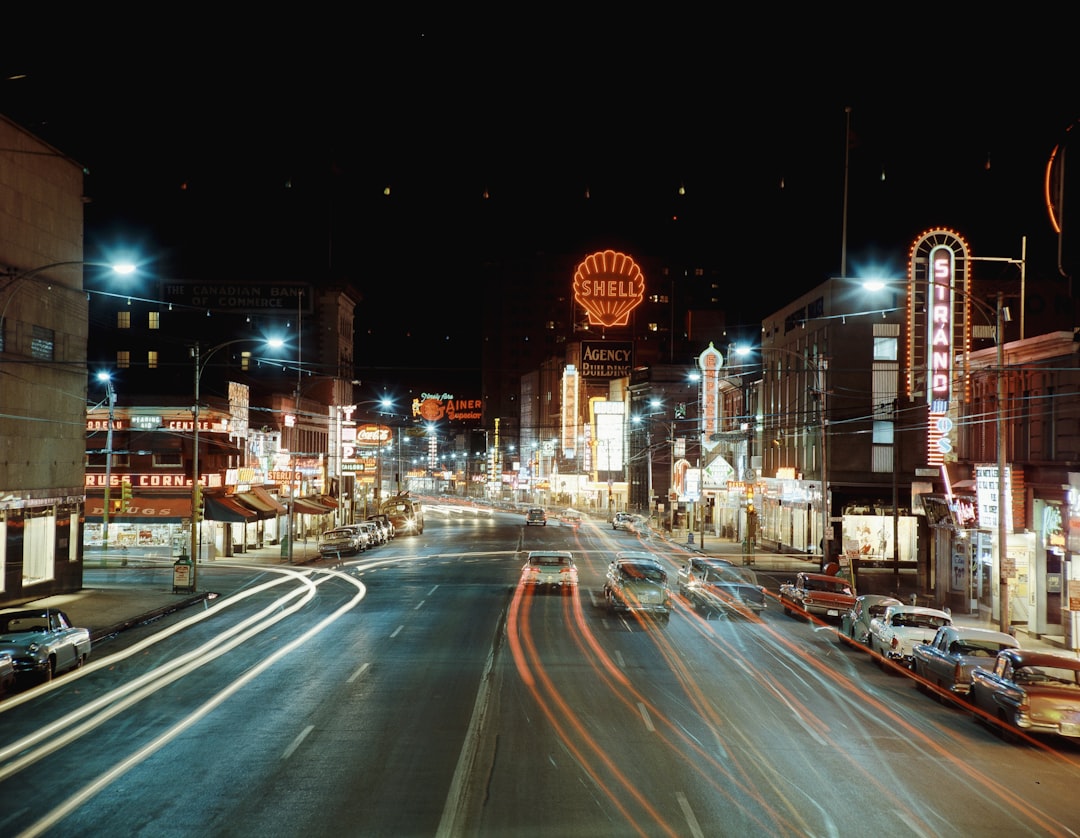
Downtown Edmonton has a cultural core that most visitors don’t realize exists. The Arts District sits in the eastern section of the downtown, anchored by Churchill Square, and it concentrates three serious venues within walking distance of each other: the Art Gallery of Alberta, the Citadel Theatre, and the Winspear Centre.
The Art Gallery of Alberta — the AGA — is the standout, and not just for what’s inside. Randall Stout designed the building as a swooping, angular form that looks like it’s in conversation with the river valley below. It holds over 6,000 works. The permanent collection leans into Canadian and Indigenous art, and the temporary exhibitions are more ambitious than you’d expect for a prairie city. That’s a sentence I’m going to take back, actually, because “more than you’d expect” is exactly the condescending framing Edmonton doesn’t deserve. The exhibitions are ambitious. Full stop.
The Citadel Theatre, a few minutes’ walk across Churchill Square, runs one of Canada’s largest regional theatre programmes. The Winspear Centre, home to the Edmonton Symphony Orchestra, fills the third corner of the triangle. What’s striking is that these aren’t spread across a sprawling metro — they’re concentrated in a few walkable blocks, which means an afternoon gallery visit can turn into an evening performance without a car ride or any real planning.
In March 2026 the district held its first Arts District Day — free access to the AGA, the Citadel, and the Winspear, with pop-up performances, workshops, and live music spread across all three venues. If they run it again, time your visit.
Old Strathcona and Whyte Avenue: The Neighbourhood That Does the Work
Cross the river south and you’re in Old Strathcona, the neighbourhood centred on Whyte Avenue (82nd Avenue, if you’re reading a map). This is where Edmonton puts its personality on display.
The stretch is walkable and browsable in the best sense — independent record shops, vintage stores, and the kind of owner-operated retail that most North American cities have cheerfully paved over. It’s also the home ground of the Edmonton Fringe Festival, North America’s largest, which takes over the whole district every August. Even outside festival season, the live theatre and comedy scene here is active. The Comic Strip has hosted acts from The Daily Show and Just for Laughs.
For dinner, Whyte Avenue is where the food walk starts. A guided tasting across the neighbourhood’s independent restaurants covers ground you wouldn’t find on your own. Edmonton food tour on Whyte Avenue
Stay in this neighbourhood if you can. The energy is better than downtown after dark, and you’re a short ride from the river valley trails in the morning.
Beyond the City: Elk Island and the Dark Sky
Thirty-five minutes east of Edmonton, Elk Island National Park is the kind of day trip that changes a weekend into something worth remembering. Free-roaming plains bison and wood bison share the parkland — these are genetically pure herds, carefully managed, and seeing them at close range from the car or a walking trail is quietly thrilling. The plains bison can weigh up to 900 kilograms and they stand their ground with an indifference to passing humans that feels ancient and earned.
Astotin Lake offers canoeing and kayaking if you want to slow the pace further. Paddle out to one of the small islands and you’ll likely have it to yourself — a useful corrective if the festival crowds in the city have been thick. But the real draw is what happens after sunset. Elk Island has dark-sky-preserve status, which means minimal light pollution and some of the best stargazing near any major Canadian city. On a clear night, the Northern Lights are visible here with surprising regularity. If you’ve never seen them, this is a low-effort way to try — no Arctic expedition required, just a 35-minute drive and a clear sky.
A full-day Elk Island excursion from Edmonton, with bison viewing and lake time, is bookable and worth the structure if you don’t have a car. Elk Island National Park day trip
When to Time It
Edmonton’s summer is short and intense. June through August is the window, with average highs around 23°C and extraordinarily long days — in late June, the sun doesn’t set until after 10 pm. The festival calendar packs into this window with a density that’s hard to match: K-Days runs ten days in mid-to-late July with midway rides and fireworks. The Edmonton Folk Music Festival takes over Gallagher Hill’s natural amphitheatre in early August. The Fringe Festival fills Old Strathcona through August. And in between, the Jazz Festival, the Cariwest Caribbean Arts Festival, and Heritage Festival all make their case.
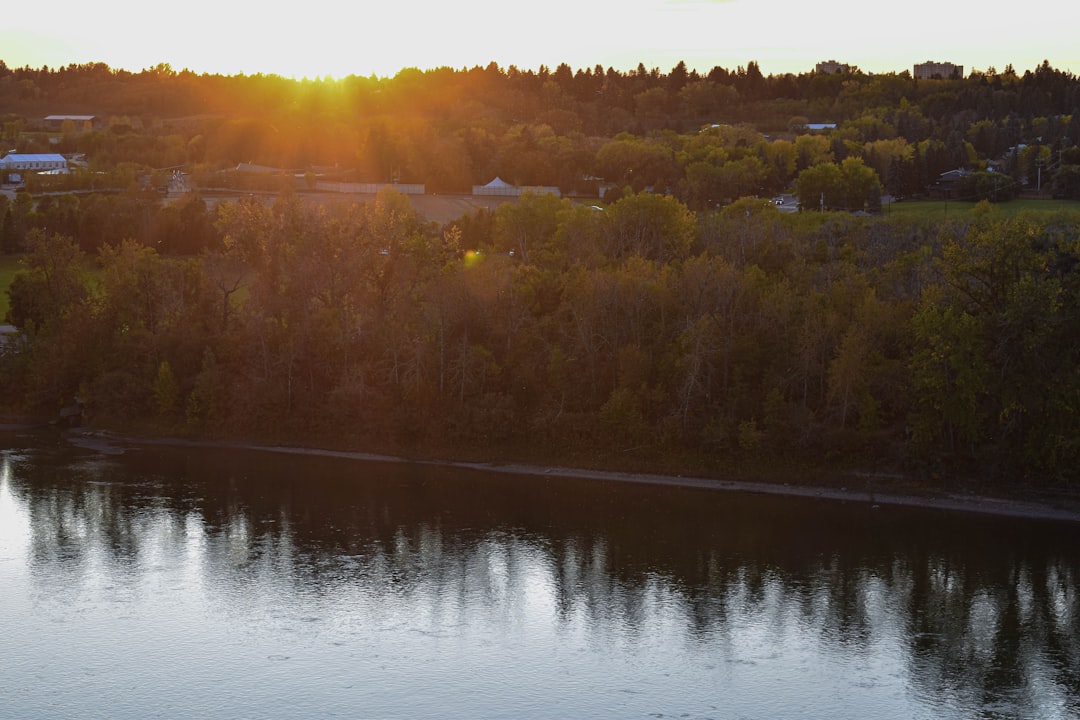
September is quieter and cooler — leaves turning, crowds thinning, temperatures still walkable at around 19°C during the day. If you want the city without the festival circus, that’s your month. The river valley is arguably more beautiful in early autumn, when the aspens along the North Saskatchewan turn gold and the trails are emptier. October brings the Canadian Finals Rodeo to Rogers Place and Pumpkins After Dark — 6,000 hand-carved pumpkins lit up after sunset, which is more impressive than it has any right to be.
Where to Sleep
Fairmont Hotel Macdonald. Edmonton’s grand dame, sitting on a river bluff with views across the valley. Spa, restaurant, a five-minute walk to the Arts District. This is the splurge. Fairmont Hotel Macdonald
Old Strathcona / Whyte Avenue area. The neighbourhood recommendation for anyone who prioritises eating and walking over hotel prestige. Smaller properties, but you’re in the middle of the best food and nightlife. Hotels in Old Strathcona
Downtown / ICE District. Rogers Place, Churchill Square, and the Citadel Theatre are all within reach. The Hyatt Place Edmonton-West pulls a 9.0 guest rating for a reason — modern, comfortable, no nonsense. Downtown Edmonton hotels
Plan Your Trip to Edmonton
Best time to visit: June through August — sunsets after 10 pm, festival season stacked, river valley trails at their best.
✈️ Getting There
Search flights to Edmonton on Skyscanner
🏨 Where to Stay
Old Strathcona neighbourhood — walkable, independent restaurants, Fringe Festival home base
Fairmont Hotel Macdonald — river valley views, spa, five minutes from the Arts District
🎟️ What to Book in Advance
- Private River Valley walking tour with Indigenous storytelling
- Edmonton food tour on Whyte Avenue
- Browse more Edmonton experiences on Viator
📦 Pack Right
Lightweight packable rain jacket
— July is Edmonton’s wettest month and the river valley holds moisture.
Some links in this post are affiliate links. If you book through them,
CuriosityTrail earns a small commission at no extra cost to you.
Recommendations are chosen on merit; commissions never decide what’s included.