Duluth, Minnesota: Where Scandinavian Roots Meet a Lake Superior Brewing Renaissance
Quick Essentials
- Best Time to Visit: June through September — brewery patios are open, the lake is swimmable, and by September the North Shore maples start turning before the crowds arrive.
- ✈️ Getting There: Search flights on Skyscanner | Direct from Minneapolis–St. Paul (2.5-hour drive), Chicago, and Denver
- Where to Stay: Browse Duluth hotels on Booking.com
- ️ Don’t Miss: North Shore helicopter tour on GetYourGuide
- Car Rental: Compare rental cars — you’ll want wheels for the North Shore day trips
- Budget Range: $150–$300 per day for two, covering a good hotel, meals at local spots, and a brewery crawl
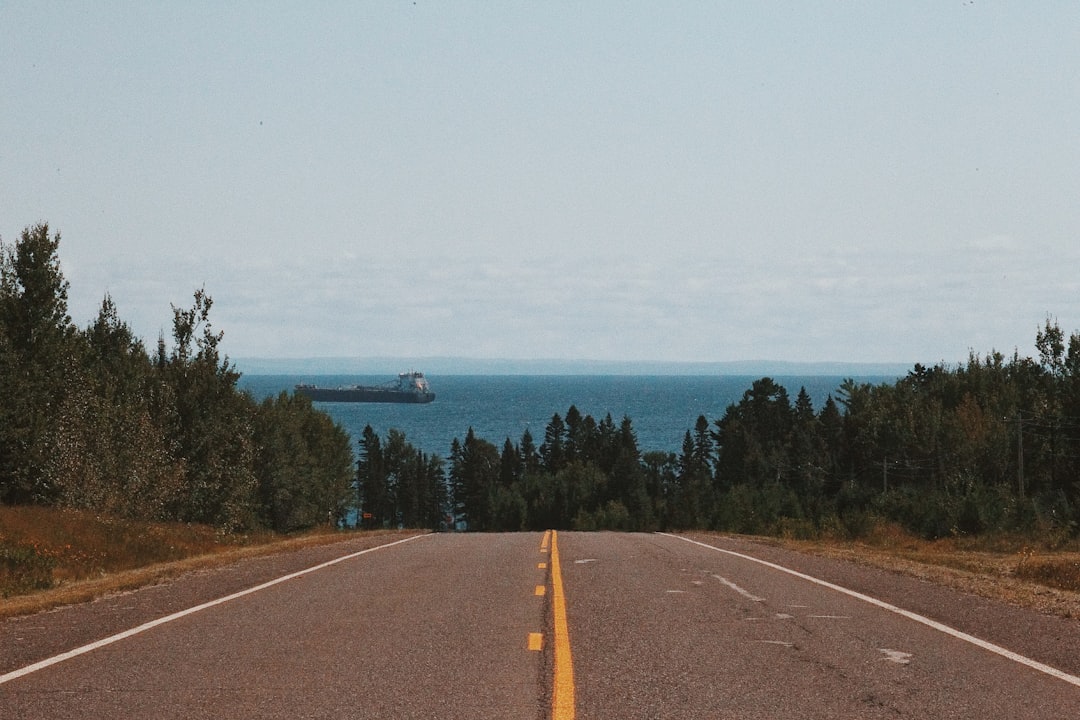
Duluth doesn’t look like what you expect. I mean this literally. You drive north from the Twin Cities through two and a half hours of flat Minnesota farmland and then the road drops — suddenly, steeply — and there’s Lake Superior, stretching out like an ocean you didn’t know was there. The city is built on a hillside that tumbles toward the water, and everything about the place is shaped by that slope and that lake.
Duluth is easy to drive past. The usual pattern is to take Highway 61 up the North Shore and treat the city as a gas stop, a place to grab coffee before the scenery started. That’s a genuine mistake. Duluth is the scenery. It’s a working port city with a Scandinavian soul, a craft beer scene that rivals cities five times its size, and a canal district that manages to be both tourist-friendly and actually interesting. Give it a long weekend and you’ll likely wish you’d given it a week.
What makes it worth your attention if you’ve already done the obvious Midwest destinations: Duluth has layers. There’s the Lake Superior waterfront everyone sees. But behind it there’s a mid-century modern architecture story almost nobody talks about, a Scandinavian heritage that’s still alive in the food and the culture (not just in museum displays), and a collection of craft breweries that have turned Lake Superior water into something genuinely worth traveling for.
Walking the Canal
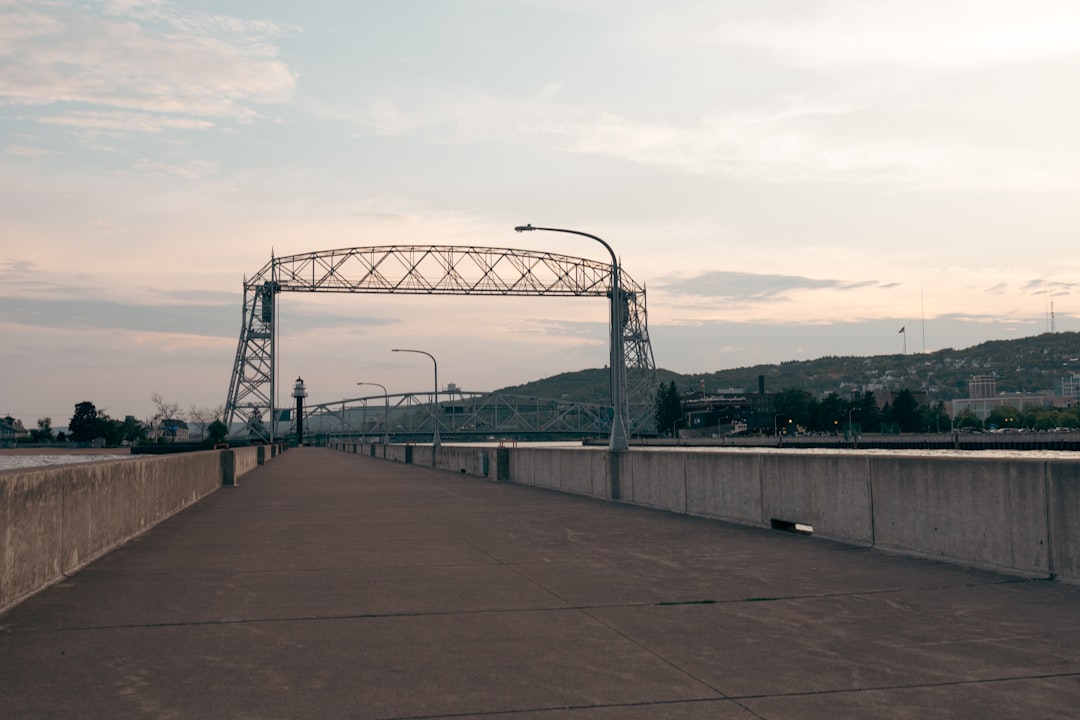
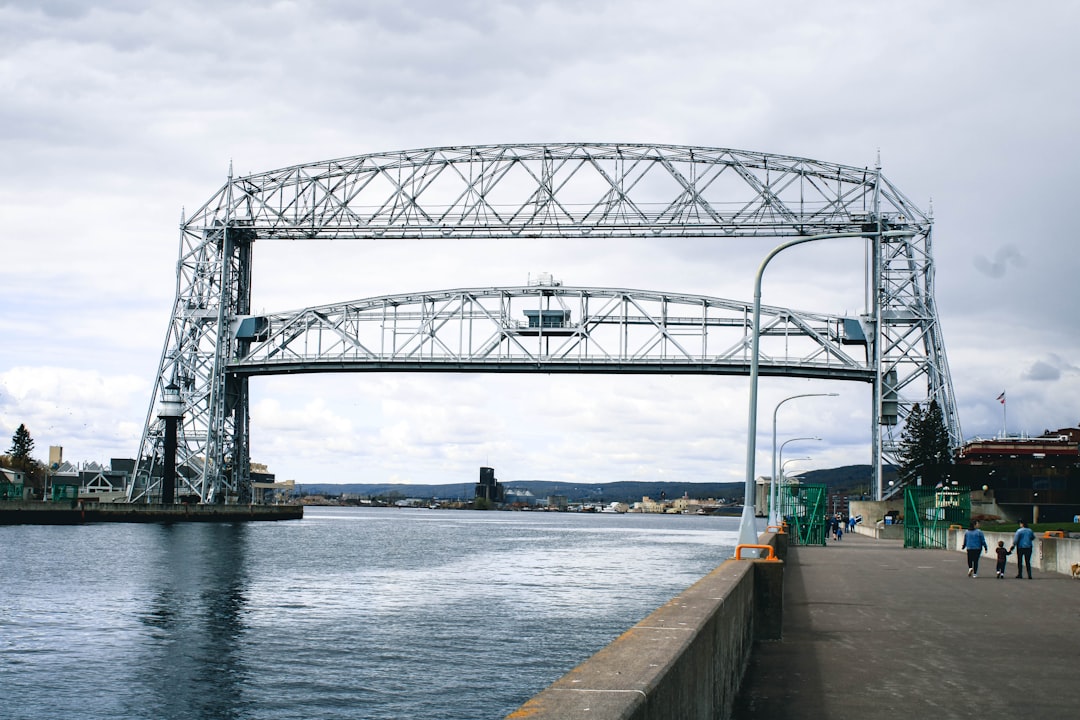
Canal Park is where most visitors start, and it earns the attention. The Aerial Lift Bridge is the kind of infrastructure that becomes a landmark — 138 feet of steel rising in under a minute as thousand-foot ore boats and oceangoing freighters glide through the canal below you. Stand on the pier and watch it happen; you don’t get bored of this.
The Lakewalk stretches 4.2 miles along the shore, connecting Canal Park to the eastern neighborhoods. It’s not a hike — it’s a stroll, the kind you do with coffee in hand while the lake does all the work of being beautiful. The district itself is a converted warehouse neighborhood, the kind of adaptive reuse that works because the bones are good. Brick buildings that once stored grain now hold breweries, restaurants, and the occasional antique shop that’s actually worth browsing.
Stay here if you want to walk to everything. Canal Park Lodge has lakefront rooms with views of the bridge, and Endion Station Inn is a boutique option for travelers who prefer character over square footage.
→ Browse Canal Park hotels on Booking.com
Scandinavian Duluth, Still Living
Here’s what’s surprising: the Scandinavian heritage in Duluth isn’t a heritage-trail thing you have to seek out. It’s just there, woven into the daily life of the city. Vikre Distillery makes two styles of aquavit — the traditional Scandinavian spirit — using foraged botanicals from the North Woods and water from the lake itself. The lighter version is bright with caraway and cardamom. The aged version is rich, almost raisiny, and genuinely distinctive. Order it at the distillery bar; they make creative cocktails with it that are worth sitting down for.
Cedar + Stone is the experience people talk about for years. It’s a wood-fired Nordic sauna that floats — actually floats — on Lake Superior in Duluth’s harbor. You sweat in the sauna, then walk out and plunge into the Great Lake. The cold takes your breath in a way that’s more exhilarating than uncomfortable.
Scandinavian North, a shop with roots in Jönköping, Sweden, sells the kind of curated Scandinavian goods — textiles, dishcloths, treats, jewelry — that you won’t find at a generic import store. It’s specific and personal in the way that the best small shops always are. The Swedish Cultural Society also hosts Midsommar celebrations with flower crown-making and a maypole raising, which is the kind of living tradition that makes a place feel genuinely distinct.
The Brewing Renaissance
Duluth has more good breweries per capita than it has any right to. The water helps — Lake Superior water is exceptionally clean, and several breweries use it directly. But the quality goes beyond the water.
Bent Paddle Brewing Co. is the one to start with. It’s family- and women-owned, and their taproom has the feel of a place that’s genuinely part of the community, not performing the role. Try the Cold Press Black — a coffee-infused dark ale that’s become their flagship for good reason. Ursa Minor pairs creative stouts (the blueberry lactose pastry stout called “You’re Turning Violet, Violet!” is as good as its name is ridiculous) with wood-fired pizzas in a combination that shouldn’t work this well but absolutely does.
Canal Park Brewing has the best patio view — you’re looking at the lake — and their Nut Hatchet Brown Ale has won awards that feel deserved. Fitger’s Brewhouse is the veteran, housed in a converted 1880s brewery building that’s now a complex of hotel, restaurant, and taproom. Lake Superior Brewing rounds it out with the Kayak Kolsch and Sir Duluth Oatmeal Stout.
You could do a full day of brewery-hopping and never feel like you were repeating yourself.
The Table: What to Eat and What to Order
Northern Waters Smokehaus has a cult following for its smoked fish, and the cult is right. The lake trout and whitefish sandwiches are the kind of food that doesn’t travel — you eat them here, where the fish came from the lake you’re looking at. Get there before the lunch rush or expect a line.
New Scenic Café is a small roadside spot on the way to the North Shore that serves Nordic-leaning food — seared scallops, house-made Swedish meatballs, a salmon burger — with a seasonal menu that rotates based on what’s available. Make a reservation. It’s small and popular for exactly the right reasons.
Fitger’s Brewhouse does a wild rice burger that’s distinctly Minnesota — locally harvested wild rice pressed into a patty that has more character than the beef version. Zeitgeist downtown brings global influences to a creative menu; the coconut curry rice bowl is a pleasant surprise. Sara’s Table Chester Creek Café has been doing farm-to-table since 2002, back when it was just called “knowing your farmer.”
The Architecture Nobody Mentions
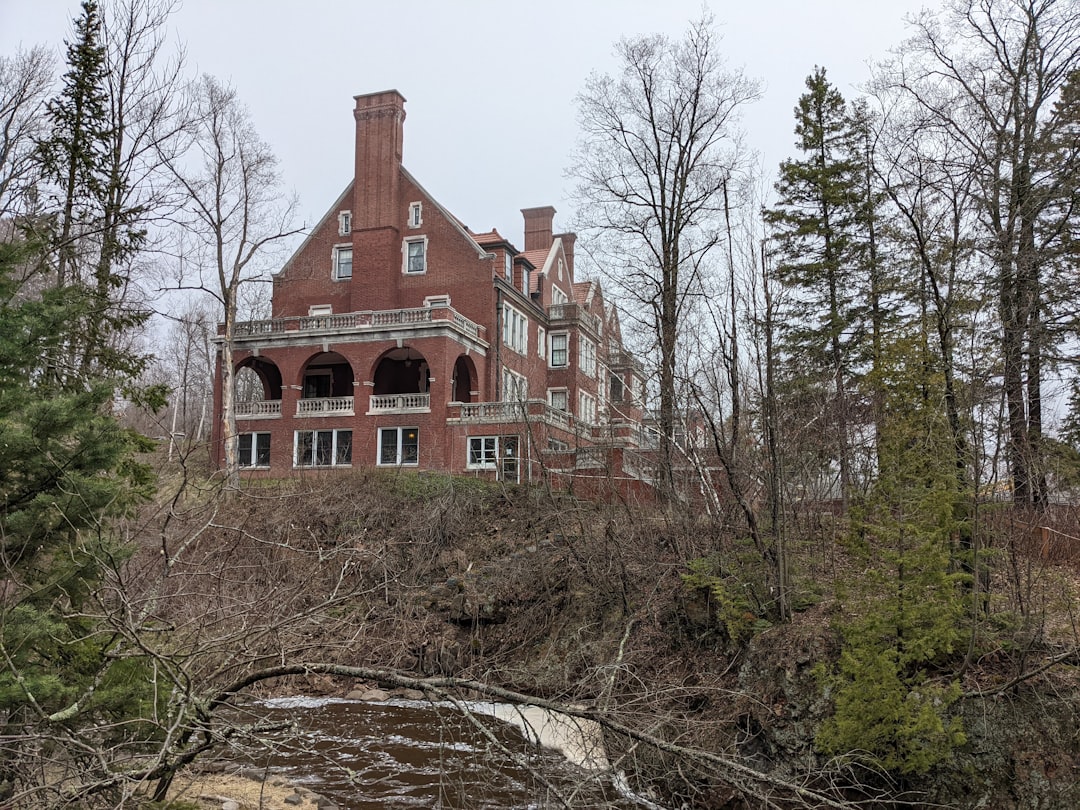
This is the discovery most visitors miss. Duluth is defined by its boom-era brownstone and brick — the old-money buildings from when iron ore and grain made the city rich. But scattered across the hillside, almost hidden, is a body of mid-century modern residential architecture that the Duluth Preservation Alliance calls “uncharted territory.”
Marcel Breuer — the Hungarian-born Modernist who designed some of the twentieth century’s most influential buildings — built the Alworth-Starkey House here in 1955. It seems to leap off its hillside toward the lake, all dramatic angles and glass. It’s a private home, not a museum, but knowing it’s there changes how you look at the residential neighborhoods as you drive the hillside streets. There are more mid-century gems scattered throughout, and the city is only beginning to recognize them as part of its architectural identity.
The adaptive reuse projects are worth noting too. Fitger’s Brewery complex is the most visible — a 140-year-old brewery turned hotel-restaurant-shopping complex — but the entire Canal Park warehouse district is a study in what happens when old industrial bones get good new tenants.
Day Trip: Highway 61 and the North Shore
You cannot come to Duluth and not drive at least part of Highway 61 north along the shore. The road hugs Lake Superior for 150 miles, and the small towns along it have a quality that genuinely recalls coastal New England — weathered, specific, proud of what they are.
Two Harbors is 25 miles northeast and worth a stop. You can tour the 1886 Edna G. tugboat, visit an 1892 lighthouse, and stand where the 3M company got its start in a venture that had nothing to do with tape. Gooseberry Falls is the waterfall everyone stops for — deservedly — and Split Rock Lighthouse, perched on a cliff 130 feet above the lake, is the kind of site that earned its postcard status.
If you have the time, keep going to Grand Marais. It’s an arts-and-food town that serves as the gateway to the Gunflint Trail and the Boundary Waters Canoe Area Wilderness.
→ North Shore helicopter tour — 30 minutes of harbor and coastline views that put the whole geography in perspective.
Ready to Plan Your Trip to Duluth?
You’ve done the reading. Here’s everything you need to make it happen.
️ What to Book in Advance
- North Shore 30-Mile Helicopter Tour & Harbor Views
- Lost Lanterns of the Lake Ghost Tour
- Browse more Duluth experiences on Viator
Pack Right
Marmot PreCip Eco Rain Jacket — Lake Superior makes its own weather, and a sunny morning can become a misty afternoon without warning.
Some links in this post are affiliate links. If you book through them, CuriosityTrail earns a small commission at no extra cost to you. Recommendations are chosen on merit; commissions never decide what’s included.