Visiting Tacoma, Washington: A Complete Guide
Quick Essentials
- 📍 Best Time to Visit: June through September — July and August bring 74–76°F days with only four or five rain days, which by Pacific Northwest standards qualifies as a minor miracle.
- ✈️ Getting There: Search flights on Skyscanner | Direct flights to Seattle-Tacoma International (SEA), then 25 minutes south on I-5
- 🏨 Where to Stay: Browse Tacoma hotels on Booking.com
- 🎟️ Don’t Miss: Museum of Glass Hot Shop experience on GetYourGuide
- 🚗 Car Rental: Compare rental cars on Skyscanner | Useful for Point Defiance and day trips, but downtown is walkable
- 💰 Budget Range: $150–$300 per day for a couple — mid-range hotel, proper sit-down meals, museum entry, and a brewery crawl with change to spare.
Tacoma has spent the better part of forty years being introduced as Seattle’s little brother. The kind of city you drive past on your way somewhere more photogenic. And for a stretch in the 1980s and ’90s, when the paper mills were still running and the Tacoma Aroma was a genuine thing, that reputation was probably fair.
It isn’t anymore.
What happened here — quietly, without the venture capital fanfare that reshaped Portland or the tech money that rewired Seattle — is one of the more interesting urban reinventions on the West Coast. A cluster of world-class museums appeared on the waterfront. Old warehouses along the Thea Foss Waterway became loft apartments with views across Commencement Bay. A food scene took root that leans hard into Pacific Northwest ingredients without charging Seattle prices for the privilege. And a brewery district emerged that traces its lineage back to the 1880s, when Puget Sound Brewing Co. and Pacific Brewing & Malting were already in business.
The best part? Almost nobody outside Washington knows about it yet. Which means the restaurants take walk-ins, the hotels cost two-thirds what you’d pay thirty miles north, and the Chihuly Bridge of Glass — all 500 feet of it — is practically empty after dark.
Glass, Art, and History in Three Blocks
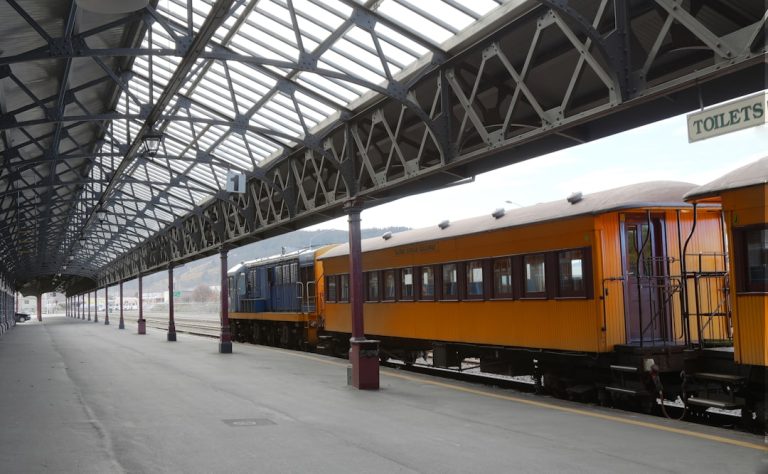
The Museum District is where Tacoma’s reinvention story becomes tangible. Three major institutions form a tight triangle downtown: the Museum of Glass, the Tacoma Art Museum, and the Washington State History Museum, all connected by the Chihuly Bridge of Glass and anchored by the beautifully restored Union Station.
The Bridge itself is reason enough to visit. Dale Chihuly grew up in Tacoma, and the 500-foot pedestrian overpass that bears his work is free and open 24 hours a day. Three permanent installations line the span — the Seaform Pavilion, where more than two thousand glass objects are mounted on the ceiling to create the effect of swimming beneath a coral reef; the Venetian Wall, showcasing Chihuly’s ornate Venetian series; and at the center, two turquoise crystal towers rising forty feet, glowing blue when lit at night. Come after sunset. The crowds are gone and the glass catches light in ways that daytime doesn’t reveal.
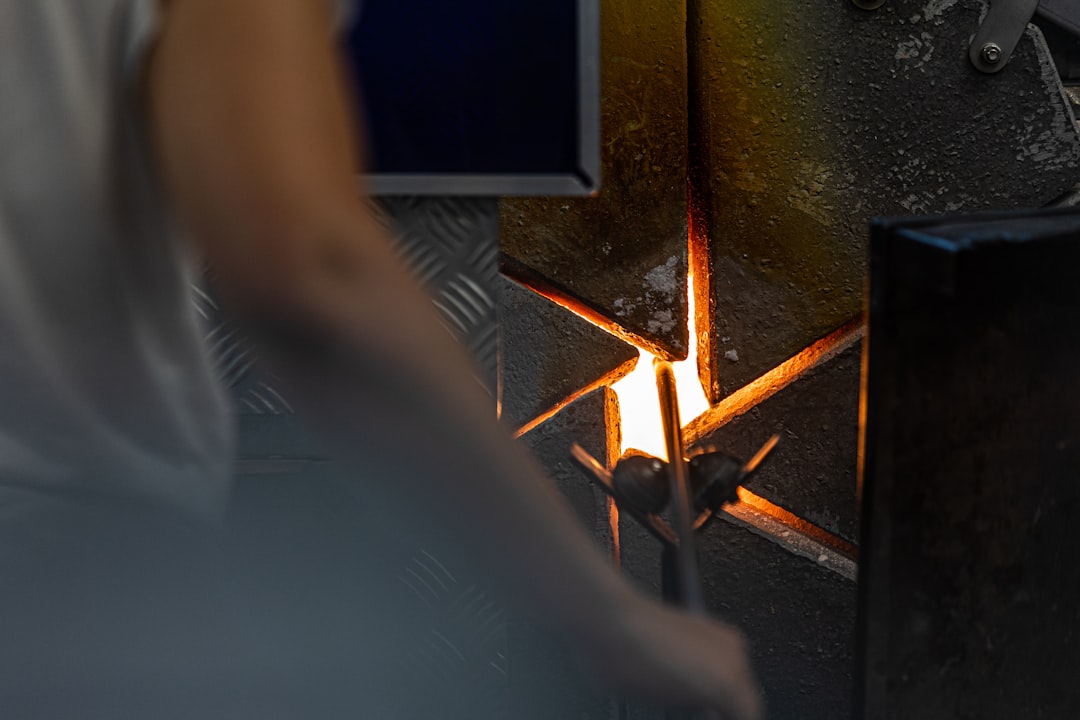
The Museum of Glass sits beneath an iconic steel cone at the bridge’s south end. Its beating heart is the Hot Shop — a working glass studio where visitors watch artists shape molten glass in real time, close enough to feel the furnace heat. A note for 2026: the museum’s traditional gallery spaces are closed for a capital renovation project and won’t reopen until early fall. But the Hot Shop, Education Studio, Store, and Cafe remain open and running without disruption. Frankly, the Hot Shop is what most people come for anyway.
Photo by Reed Naliboff on UnsplashThe Tacoma Art Museum, a short walk north, holds one of the stronger collections of Pacific Northwest and Western American art in the region. And the Washington State History Museum, housed in a handsome building that mirrors Union Station’s architecture, covers the state’s story from indigenous peoples through the timber and railroad eras with more depth than the name suggests.
On August 8, 2026, all three museums host the 21st annual IN THE SPIRIT Arts Market and Northwest Native Festival — a free, day-long celebration of indigenous art and culture that’s worth timing a trip around.
Walking the Waterfront: From Warehouses to Something Better
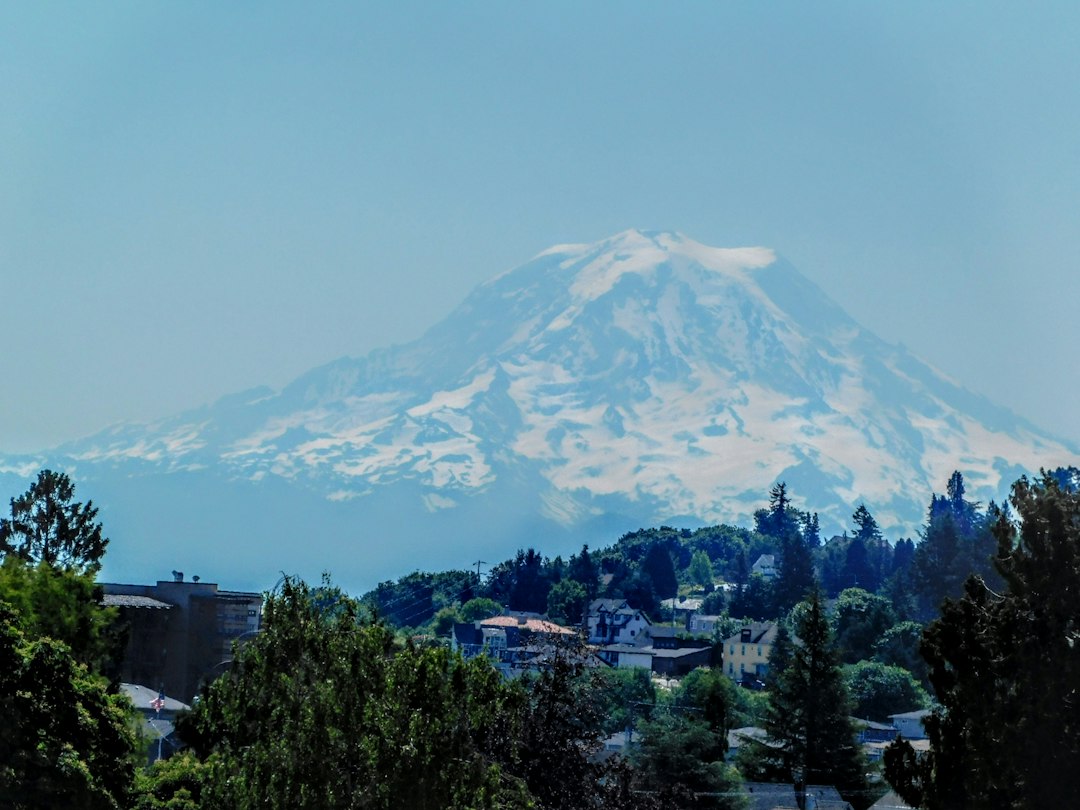
The Thea Foss Waterway tells the revitalization story in concrete terms. What was once an industrial channel lined with warehouses and rail yards is now a walkable waterfront where former industrial buildings house loft apartments, restaurants, and small businesses. The views across Commencement Bay to Mount Rainier are absurdly good for a city this affordable.
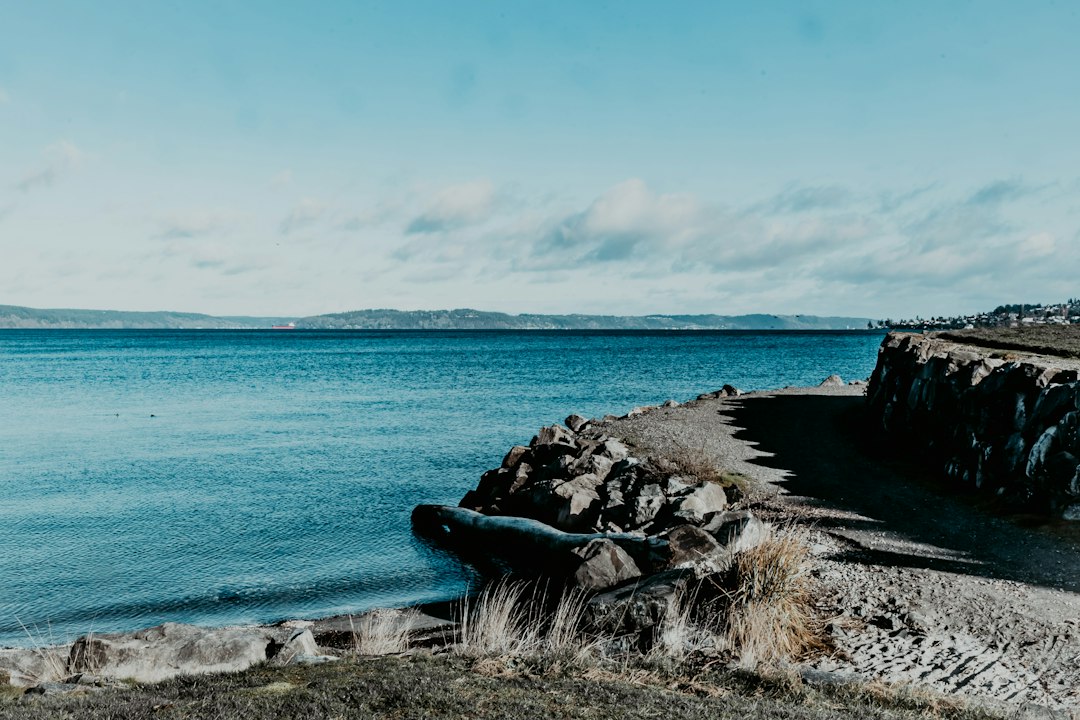
From the Museum District, the Ruston Way waterfront stretches two miles northwest toward Point Defiance, with a paved trail that connects parks, beaches, and a string of waterfront restaurants. It’s the kind of walk that reminds you the Pacific Northwest isn’t all rain and coffee — there’s actual coastline here, and on clear days, the Olympic Mountains stack up across the Sound like a painting someone left hanging in the wrong latitude.
Point Ruston, one of the newer developments along this stretch, adds shopping and dining in a family-friendly setting. It’s pleasant enough, though the real draw is using it as a waypoint on the longer walk.
A guided Tacoma Waterfront and Port tour covers the waterway’s industrial history and transformation in about two hours — worth it if you like cities that can explain their own scars. Book the Tacoma Waterfront and Port tour on GetYourGuide
Private e-bike tours combine Ruston Way scenery with local stories at a pace that covers more ground than walking. Book a private e-bike tour on GetYourGuide
Where to Stay: Hotels That Make the Case
Hotel Murano is the obvious first recommendation, and for once, the obvious choice is the right one. A boutique hotel with glass art installations on every floor — a nod to the Museum District steps away — and rooms that would cost twice the rate in Seattle’s comparable neighborhoods. Downtown location means walkable access to museums, restaurants, and the Theater District. Mid-range to splurge depending on the room.
→ Hotel Murano on Booking.com
Silver Cloud Hotel Tacoma Waterfront sits on Ruston Way with bay views, an outdoor pool, and direct trail access. Less urban, more scenic. A good fit if you’d rather wake up to water than city blocks.
→ Silver Cloud Hotel Tacoma Waterfront on Booking.com
McMenamins Elk Temple is the wildcard. The McMenamins chain has a habit of converting historic buildings into hotel-bar-restaurant compounds, and here they’ve taken a 1916 Elks Lodge and turned it into something with a rooftop bar, on-site brewery, and enough architectural character to keep you exploring the building for an hour. If you know McMenamins, you know what you’re getting. If you don’t — it’s worth finding out.
→ McMenamins Elk Temple on Booking.com
Where Tacoma Eats (and What to Order)
This is where Tacoma’s independence from Seattle becomes most convincing. The food scene here is rooted in the same Pacific Northwest larder — salmon, oysters, Dungeness crab, foraged mushrooms, local produce — but without the two-hour waits and the $22 appetizers.
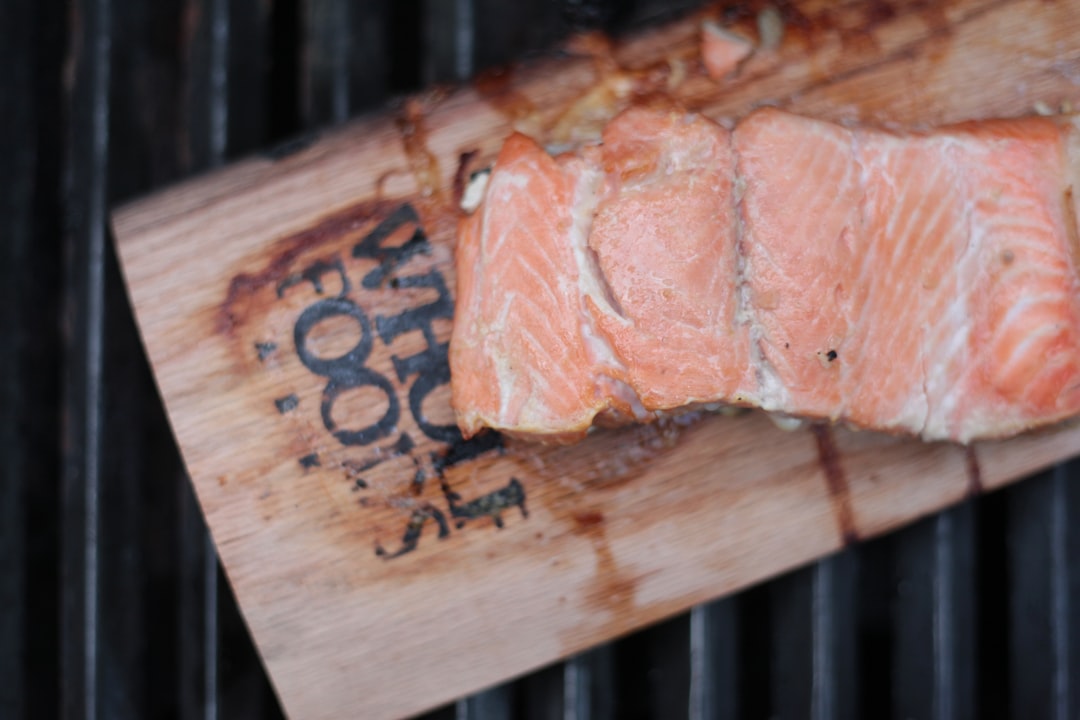
Harbor Lights has been serving Tacoma’s waterfront since 1959, and the portions haven’t gotten smaller. The alder-planked king salmon with huckleberry glaze is a genuine PNW signature dish — sweet, smoky, and specific to this region. The two-pound steamed clam bucket is the other move. Old-school charm, serious food.
E9 Brewing pairs traditional wood-fired pizza with a solid beer program in a converted fire station. Order the “Pizza That Has No Name” — mozzarella and goat cheese melting over chopped bacon and grilled shishito peppers, finished with a sweet chili honey drizzle. Pair it with the Tacoma Brew, their house Kolsch, which is light enough not to compete.
The Lobster Shop occupies prime real estate on Commencement Bay and has been a Tacoma dining institution for decades. Pacific Northwest seafood alongside prime dry-aged steaks, with a wine list that favors Washington State producers. This is the splurge dinner.
For oysters, Tacoma Taproom shucks Washington oysters to order alongside handcrafted sandwiches in a setting that doesn’t try too hard.
Photo by fr0ggy5 on UnsplashThe Brewery District Crawl
Tacoma’s brewing history stretches to the 1880s, and the modern Brewery District clusters enough walkable taprooms to fill a proper afternoon. Start with E9’s Kolsch, detour to Narrows Brewing for their Galloping Gertie IPA (named after the original Tacoma Narrows Bridge that famously collapsed in 1940), and finish with a Sneak Thief Milk Stout or a Wet Coast Cream Ale. None of these breweries are trying to be the next big thing. They’re just making good beer in a city that’s been doing it for a century and a half.
Stadium District and the Neighborhoods That Surprised Me
Most visitors to Tacoma stay within the Museum District waterfront, which is understandable but a mistake. A short walk north brings you to the Stadium District, where the city’s layered history lives in the architecture.
Stadium High School is the landmark — a French chateau-style building originally designed as a luxury hotel in the 1890s for the Northern Pacific Railroad. The railroad went bankrupt, the hotel never opened, and the building became a high school instead. It’s one of the more improbable school buildings in the country, and the surrounding neighborhood preserves Tacoma’s best Victorian-era residential architecture.
The district itself is walkable and lived-in. Parkway Tavern has been pouring pints since 1935. Frisko Freeze has been serving burgers and shakes from the same walk-up window since 1950. Ranko’s Pharmacy opened that same year. These aren’t tourist attractions — they’re the kind of long-standing neighborhood institutions that tell you a place is real.
The Proctor District, a bit further north, adds independent bookshops, bakeries, and the sort of neighborhood commercial street that many American cities have lost to strip malls. Worth a morning wander.
Point Defiance: The 760-Acre Secret
Point Defiance Park sits at the tip of Tacoma’s north end, and at 760 acres, it’s one of the largest urban parks in the country. The scale is hard to grasp until you’re inside it — old-growth forest trails, hidden beaches accessible by steep footpaths, dramatic bluffs overlooking the Narrows, and enough ground to spend a full day without retracing your steps.
The zoo and aquarium get the most visitors, but Fort Nisqually is the overlooked gem. It’s a reconstructed 1830s Hudson’s Bay Company fur trading post, relocated to the park in the 1930s, with costumed staff demonstrating blacksmithing and frontier trade goods. Two of the original 1843 structures still stand — among the oldest buildings in Washington State. It sounds niche, but the execution is better than you’d expect.
The rose garden is quietly excellent. The beaches — Owen Beach especially — offer views across the Narrows to Gig Harbor and Vashon Island that compete with anything on the Seattle waterfront.
A Puget Sound cruise departing from the Tacoma waterfront puts Mount Rainier, the Narrows Bridge, and Commencement Bay into perspective from the water. Book a Puget Sound cruise on GetYourGuide
Ready to Plan Your Trip to Tacoma?
You’ve done the reading. Here’s everything you need to make it happen.
🏨 Where to Stay
- Hotel Murano — glass art boutique hotel in the heart of the Museum District
- Silver Cloud Hotel Tacoma Waterfront — bay views and direct waterfront trail access
🎟️ What to Book in Advance
- Guided Tacoma Waterfront and Port tour
- Puget Sound cruise from Tacoma
- Browse more Tacoma experiences on Viator
Some links in this post are affiliate links. If you book through them, CuriosityTrail earns a small commission at no extra cost to you. Recommendations are chosen on merit; commissions never decide what’s included.