Palermo Beyond the Postcard: Street Food, Arab-Norman Splendor, and the Markets That Define Sicily
Quick Essentials
- ✈️ Flights:
Search flights to Palermo
- 🏨 Hotels:
Browse hotels in Palermo
- 🎟️ Top Experience:
Palermo Street Food & Market Walking Tour
- 🚗 Car Rental:
Compare rental cars in Palermo
A City Written in Layers
Palermo doesn’t introduce itself. It overwhelms you. The airport taxi drops you into traffic that operates on instinct rather than signage, past crumbling palazzo facades with laundry strung between balconies, and within five minutes you’ll pass a Norman church, an Arabic dome, and a Baroque fountain without realizing you’ve just crossed nine centuries on foot.
That’s the thing about Sicily’s capital — it’s not one city. It’s every city it has ever been, stacked on top of itself. Phoenician walls hold up Roman foundations that support Arab arches that someone enclosed with a Norman cathedral. The result is a place that looks, at first glance, like it’s falling apart. Stay a day longer and you’ll realize it’s just refusing to choose an era.
Most travelers give Palermo a day on their way to Taormina or the Aeolian Islands. That’s enough time to eat an arancina and take a photo of the cathedral. It is not enough time to understand why this city matters. The markets alone deserve a full morning. The Arab-Norman circuit deserves another. And the food — the real food, the cart food, the things your nonna wouldn’t recognize — deserves at least two dinners of trying things you can’t pronounce.
The Arab-Norman Circuit: Where Civilizations Collide
UNESCO inscribed nine Arab-Norman monuments across Palermo, Monreale, and Cefalù in 2015, but the designation almost undersells what’s here. This isn’t a collection of old buildings. It’s physical evidence of a century when Muslims, Christians, and Jews built a kingdom together — and the architecture shows it.
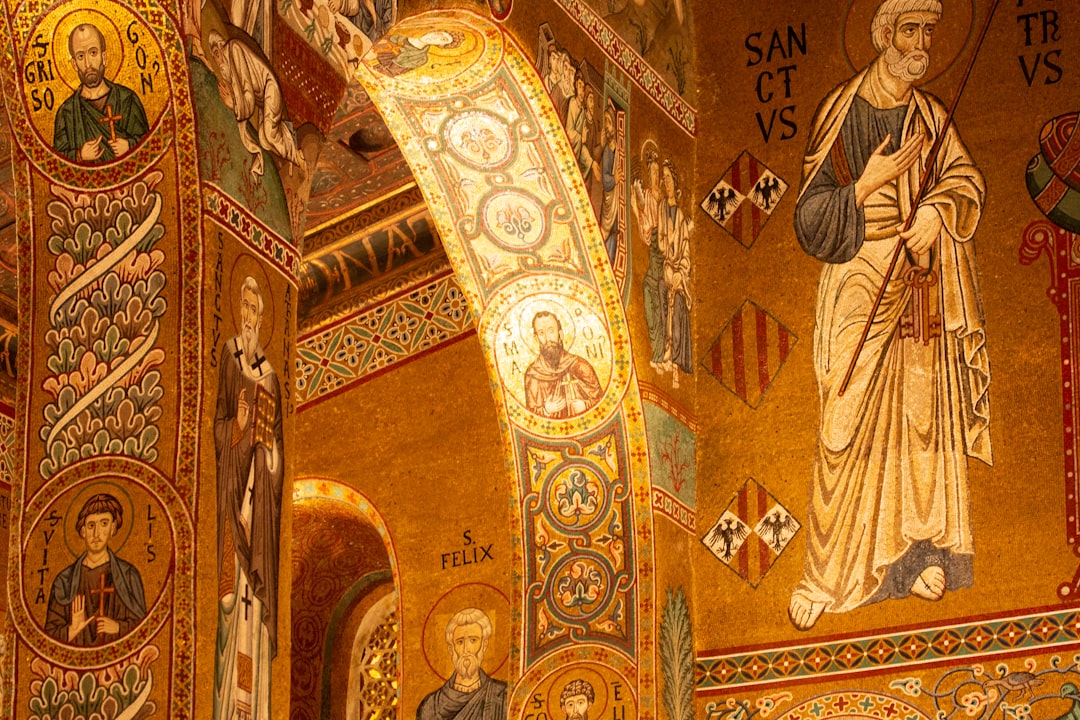
Start at the Cappella Palatina inside the Palazzo dei Normanni. This is the one. If you see nothing else in Palermo, see this chapel. Every surface is covered in 12th-century Byzantine mosaics — gold-ground scenes of Christ, the apostles, and Old Testament narratives — but look up. The ceiling is Islamic muqarnas, painted honeycomb vaulting that wouldn’t be out of place in a mosque in Fez. A Christian king commissioned Arab craftsmen to build the ceiling of his private chapel. That sentence alone is worth the trip.
Give the Cappella an hour. Most tour groups get fifteen minutes. You need time to let your eyes adjust to the gold, to find the hunting scenes in the ceiling paintings, to notice the Cosmati-work floors beneath your feet. Arab-Norman Palermo & Cathedral Walking Tour covers the Palazzo dei Normanni, the cathedral, and San Giovanni degli Eremiti in a single morning.
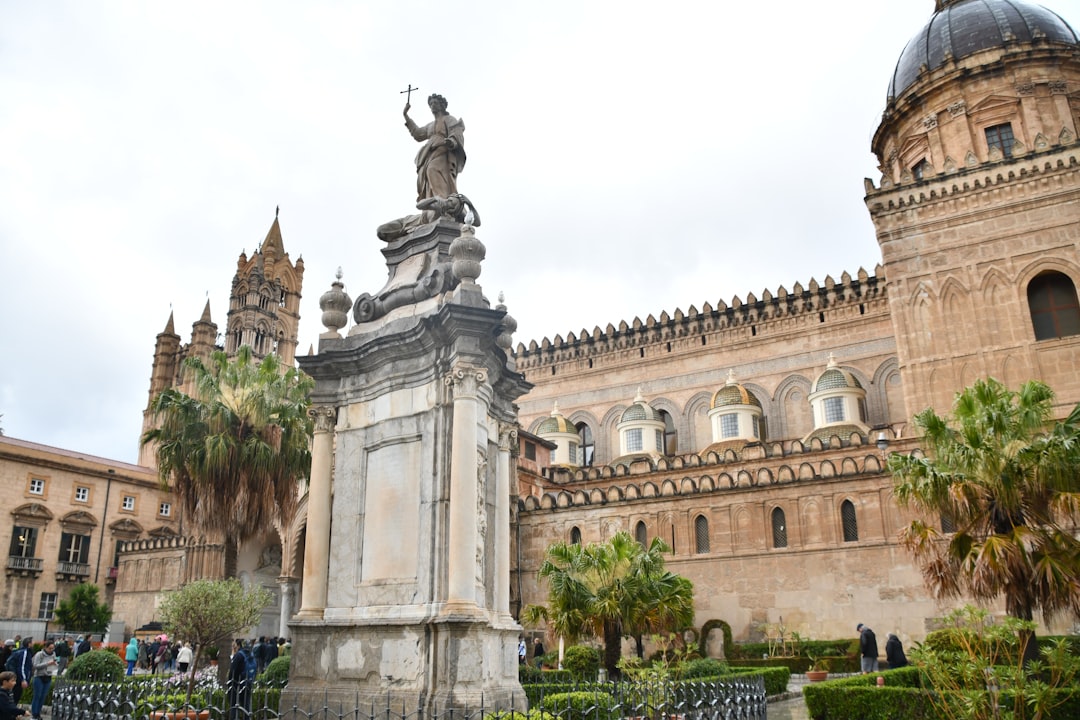
The Palermo Cathedral itself is a different kind of beautiful — more fortress than church, its exterior a timeline of every civilization that added a wing, a dome, or a portal. The Norman apse is the oldest and most elegant part; the Neoclassical dome came much later and, honestly, doesn’t help. The royal tombs inside hold the remains of Roger II and Frederick II, two of the most consequential rulers in Mediterranean history.
Don’t skip San Giovanni degli Eremiti. The red domes are pure Arab geometry, the cloister garden is one of the quietest places in central Palermo, and the whole complex takes twenty minutes. It’s a palate cleanser between the intensity of the cathedral and the chaos of the markets.
For the full experience, take a half-day to reach Monreale, a short bus ride up the hill above Palermo. The cathedral there holds 6,340 square meters of golden mosaics — the largest and best-preserved Byzantine mosaic cycle in Italy. The Christ Pantocrator in the apse is 13 meters tall. You won’t forget it.
Into the Markets: Ballarò, Capo, and the Vucciria
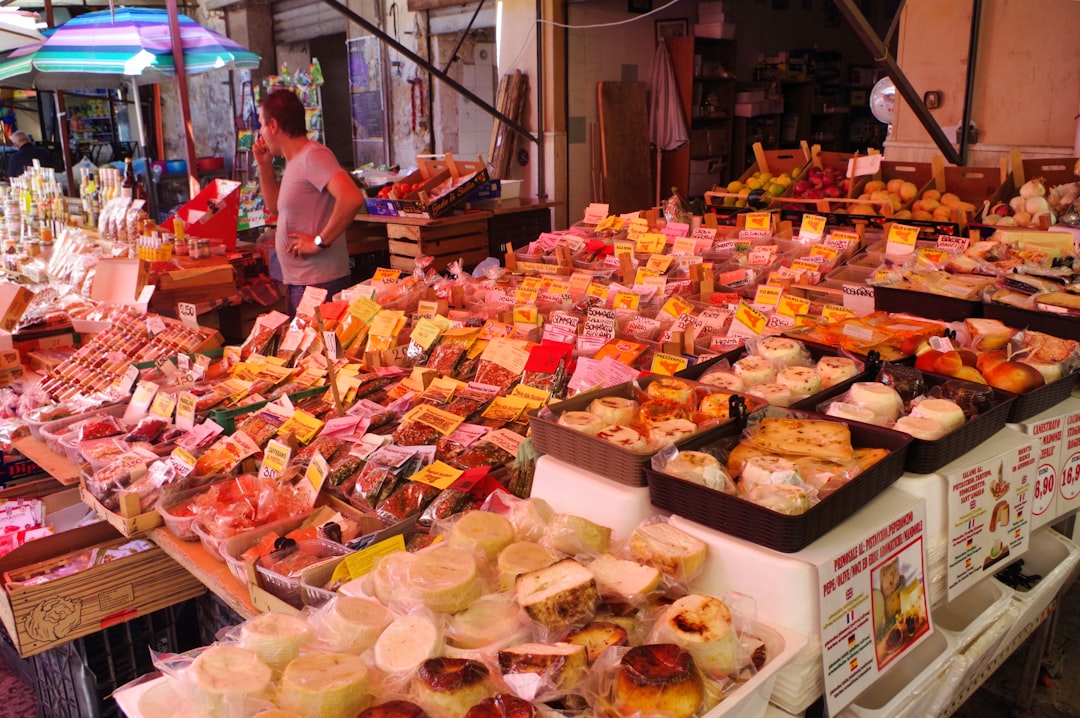
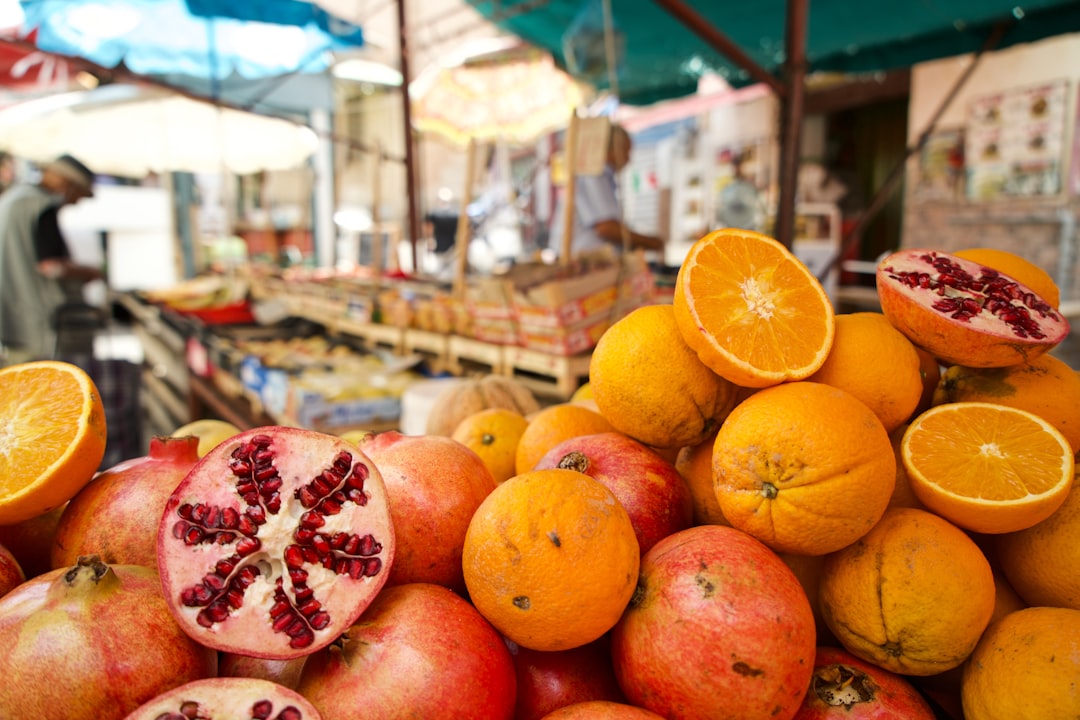
Palermo’s historic markets aren’t quaint. They’re loud, dense, slightly chaotic, and operating on a social logic that predates the European Union by about a thousand years. The vendors chant prices like auctioneers — an Arabic tradition called abbanniata that’s been continuous here since the 9th century.
Ballarò is the one to start with. It’s the oldest and the biggest, stretching from Piazza Casa Professa through narrow streets toward Piazza del Carmine. The stalls sell everything — swordfish steaks cut to order, bins of sun-dried tomatoes, towers of eggplant, and street food carts where a panelle sandwich costs less than two euros. Come before 10 AM if you want to see the fishmongers at their most theatrical.
Capo is more compact and, some argue, more authentically local — fewer tourists, the same quality produce, and a different energy. The entrance through Porta Carini sets the tone: you walk through a stone arch and suddenly you’re in a market that could be in Tunis.
The Vucciria is the famous one, immortalized in Renato Guttuso’s 1974 painting. It’s also the most diminished. The daytime market is a fraction of what it was, but the piazza comes alive after dark — aperitivo stalls, grilled octopus, cheap wine, and a crowd that skews young and local. Come at 9 PM, not 9 AM.
The Street Food Canon
Palermo’s street food tradition isn’t a trend. It predates the word “foodie” by several centuries, and it operates on a simple principle: the best things are sold from carts, holes in walls, and market stalls by people who have been making one thing their entire lives.
Arancine are the obvious starting point — deep-fried rice balls the size of a fist, stuffed with ragù, mozzarella, or (if you’re lucky) pistachios. Note the feminine ending: Palermo says arancine, not arancini. Catania says otherwise. Do not bring this up unless you want a thirty-minute argument.
Panelle e crocchè are the real Palermo staple — thin chickpea fritters and potato croquettes stuffed together into a sesame roll. They’re crisp, salty, vaguely addictive, and cost almost nothing. Every market has a panelle guy. Find one with a line.
Pani ca meusa is the litmus test. It’s a soft roll filled with boiled and fried veal spleen, served schietta (with lemon) or maritata (with ricotta and caciocavallo cheese). It sounds challenging. It tastes extraordinary — rich, tangy, slightly funky, and utterly specific to this city. The best-known cart is at Porta Nissa near Piazza Marina, but any market vendor with a blackened copper pot is worth trying.
Sfincione is Palermo’s pizza — except it’s not pizza. It’s thick, spongy dough topped with tomato, slow-cooked onions, anchovies, breadcrumbs, and caciocavallo. You’ll find it sold from glass-fronted carts and bakery windows throughout the old city. It’s better at room temperature than hot, which tells you something about how long it’s been perfected.
And then there’s granita con brioche — almond, pistachio, or mulberry granita scooped into a warm, pillowy brioche bun. This is breakfast, not dessert. Order it at a neighborhood bar around 8 AM and watch how everyone else eats it. They dip.
A guided street food walk is the fastest way to navigate all three markets in one morning. Palermo Street Food & Market Walking Tour hits Ballarò and Capo with a local guide and enough tastings to replace lunch.
Faded Grandeur: Palermo’s Palazzi and Hidden Oratories
The parts of Palermo that most tourists walk past are often the most rewarding. The Kalsa quarter, east of the Quattro Canti, is full of half-restored palazzi with ornate balconies, cracked frescoes visible through open doors, and courtyards where bougainvillea grows through former ballrooms.
Palazzo Abatellis houses the Regional Gallery of Sicily and contains one painting that would be famous anywhere: the Triumph of Death, a massive 15th-century fresco of a skeletal horseman. The building itself — a Catalan Gothic palace — is as compelling as the collection inside.
Palazzo Mirto, nearby, is smaller and stranger — an aristocratic residence preserved exactly as the last family left it, with 18th-century chinoiserie wallpaper, a tiny private theater, and a leather-walled smoking room. It feels like walking into someone’s life, not a museum.
But the real hidden treasures are the Serpotta oratories. Giacomo Serpotta, an 18th-century Palermitan, covered the interiors of several small oratories in white stucco figures of astonishing fluidity and detail. The Oratorio di San Lorenzo, near Piazza Marina, is extraordinary — every surface alive with allegorical figures, putti, and draped fabric rendered in plaster. The empty frame where Caravaggio’s Nativity hung before it was stolen by the Mafia in 1969 is still on the wall. Nobody talks about it. It’s just there.
Where to Settle In
Kalsa is where I’d stay. The neighborhood sits between the old harbor and the botanical gardens, walkable to everything, but quieter than the streets around Quattro Canti. Boutique hotels in restored palazzi are the move here — stone staircases, original tile floors, rooftop terraces with cathedral views. Browse boutique hotels in the Kalsa quarter
Centro Storico near Teatro Massimo puts you at the intersection of the Capo market, the opera house, and Via Maqueda’s evening passeggiata. It’s louder, busier, and closer to the chaos that makes Palermo what it is. If you like hearing the city from your window, stay here. Browse hotels near Teatro Massimo
For something calmer, the Via Libertà corridor offers tree-lined boulevards, Art Nouveau facades, and upscale restaurants — a 15-minute walk from the historic center but a different world in atmosphere. This is where well-heeled Palermitans live, and the aperitivo scene reflects it. Browse hotels along Via Libertà
Practical Notes for the Experienced Traveler
Palermo is a cash-heavier city than northern Italy. Market vendors, many trattorias, and nearly all street food carts are cash-only. ATMs are plentiful but carry small bills.
The passeggiata along pedestrianized Via Maqueda from Teatro Massimo to Quattro Canti is essential. It starts around 7 PM, peaks around 9, and is the best free show in the city — families, couples, performers, gelato vendors, and the golden light bouncing off Baroque facades.
Palermo’s buses work but aren’t intuitive. Walking covers most of the historic center. For Monreale, the AST 389 bus runs from Piazza Indipendenza every 30 minutes. For Mondello beach, bus 806 from Politeama.
Tipping is not expected in trattorias (a coperto is already on the bill) but rounding up at a bar or leaving a euro at a street food stall is appreciated.
Plan Your Trip to Palermo
Best time to visit: April through June — warm days, light crowds, and hotel rates a third below peak summer prices.
✈️ Getting There
Search flights to Palermo on Skyscanner
🏨 Where to Stay
-
Boutique hotels in the Kalsa quarter — restored palazzi, rooftop terraces, walkable to everything
-
Hotels along Via Libertà — tree-lined elegance, a calm base for market-heavy days
🎟️ What to Book in Advance
- Palermo Street Food & Market Walking Tour
- Arab-Norman Palermo & Cathedral Walking Tour
- Browse more Palermo experiences on Viator
Some links in this post are affiliate links. If you book through them,
CuriosityTrail earns a small commission at no extra cost to you.
Recommendations are chosen on merit; commissions never decide what’s included.