Visiting Rotterdam, Netherlands: A Complete Guide
Quick Essentials
- 📍 Best Time to Visit: May through September — long northern evenings and warm enough to walk the waterfront for hours without a jacket.
- ✈️ Flights: Search flights to Rotterdam on Skyscanner | Direct from most major European hubs; Schiphol is 25 minutes by train.
- 🏨 Hotels: Browse hotels in Rotterdam | Kop van Zuid for design hotels, Centrum for walking distance to everything.
- 🎟️ Top Experience: Rotterdam Architecture & WWII Walking Tour
- 💰 Budget Range: €120–€250 per day for mid-range to comfortable — Rotterdam is notably cheaper than Amsterdam.
The City That Chose the Future
Rotterdam makes more sense when you know what happened on May 14, 1940. Fifteen minutes of German bombing leveled the medieval city center, killed 900 people, and left 85,000 homeless. Most cities that suffer that kind of destruction rebuild what was lost. Rotterdam didn’t.
Instead, the city hired architect Cornelis van Traa to draft a plan for something entirely new — spacious boulevards, modernist blocks, Europe’s first car-free shopping street. Where Amsterdam preserved its canal houses and tourist-ready charm, Rotterdam looked forward. It’s been looking forward ever since, stacking ambitious architecture decade over decade until the skyline reads like a timeline of postwar European design.
That’s what makes Rotterdam one of the most interesting cities in Europe for anyone who’s already done the canal boats and cobblestones. This is a city that wears its choices on its sleeve — literally, in glass and steel and occasionally in bright yellow cubes tilted at improbable angles. It’s not pretty in the way Amsterdam is pretty. It’s compelling in a way that stays with you longer.
A City Rebuilt From Scratch
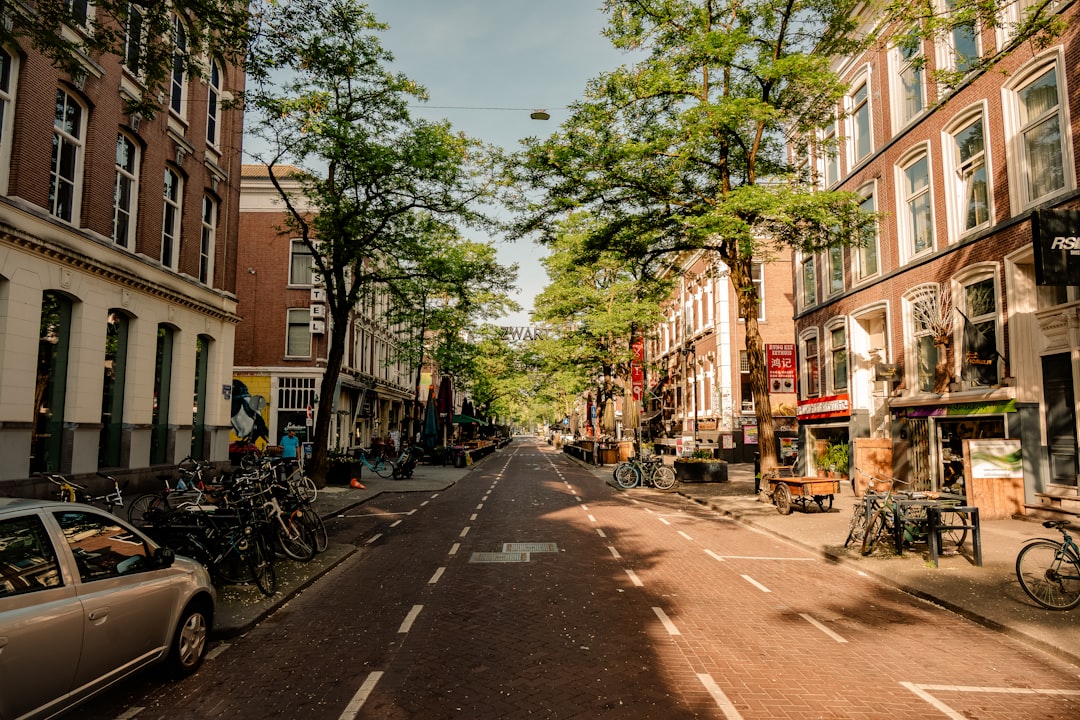
The reconstruction story isn’t just context — it’s the reason Rotterdam feels the way it does. After the bombing, the rubble was cleared and Van Traa’s Basic Plan laid out a city built around light, air, and space. The Lijnbaan, completed in 1953, became the Netherlands’ first pedestrian shopping street and a template that cities across Europe copied for decades.
What strikes you walking the Lijnbaan today isn’t the shops. It’s the scale. Rotterdam’s city center feels open in a way that no medieval European city does, and once you understand why, every wide boulevard and glass facade tells the same story: this city was given the terrible opportunity to start over, and it took it seriously.
The Industry Building and the old Rotterdam Bank headquarters date from the immediate postwar years — sober, functional, determined. Then the ambition ramps up. The Cube Houses (1984) were Piet Blom’s answer to a question nobody asked: what if houses were tilted 45 degrees and stacked over a pedestrian bridge? One of them is open as a show house, and it’s worth walking through just to understand how disorienting and oddly livable the interior is.
The Architecture That Matters
Everyone photographs the Cube Houses. Fair enough — 39 bright yellow tilted cubes make for an obvious shot. But Rotterdam’s real architectural story is deeper and stranger than its most Instagrammed building.
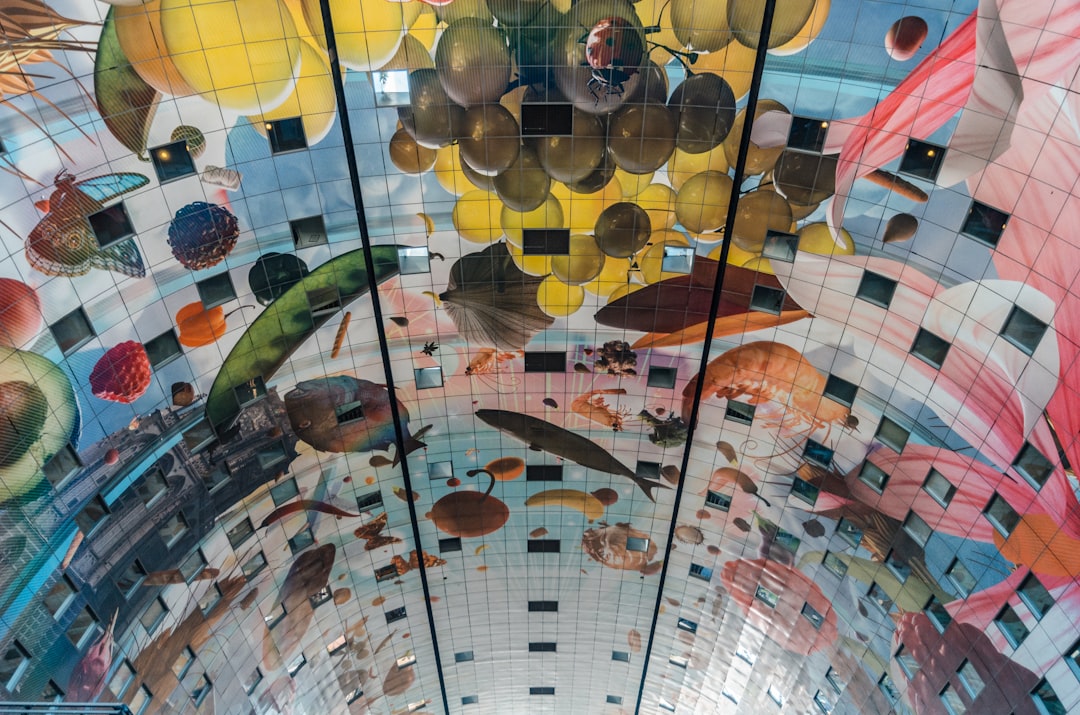
Markthal is the one that earns its reputation. A horseshoe-shaped residential arch covers an open-air market, with a 36,000-square-foot mural — the “Horn of Plenty” — painted across the interior ceiling. You’re buying cheese and herring under what amounts to a Sistine Chapel of food art. The apartments wrapping the arch have windows overlooking the market floor. It’s residential, commercial, and genuinely beautiful all at once.
De Rotterdam, Rem Koolhaas’s stacked glass towers on the Wilhelmina Pier, looks like three buildings shoved together mid-slide. It’s the largest building in the Netherlands and somehow manages to feel like an argument about what density should look like.
Central Station reopened in 2014 with a pointed steel canopy that angles toward the city center like an arrow. It’s the first thing you see arriving by train, and it sets the tone immediately: Rotterdam doesn’t do quaint.
The Buildings You Haven’t Heard Of
Skip the top-ten lists for a moment. The Van Nelle Factory, a UNESCO World Heritage site on the edge of the city, is a 1920s industrial masterpiece — glass curtain walls, mushroom columns, a factory designed to let in maximum daylight for workers making coffee and tobacco. It predates the war, survived the bombing, and now houses creative studios. You can visit on select open days, and it’s worth planning around.
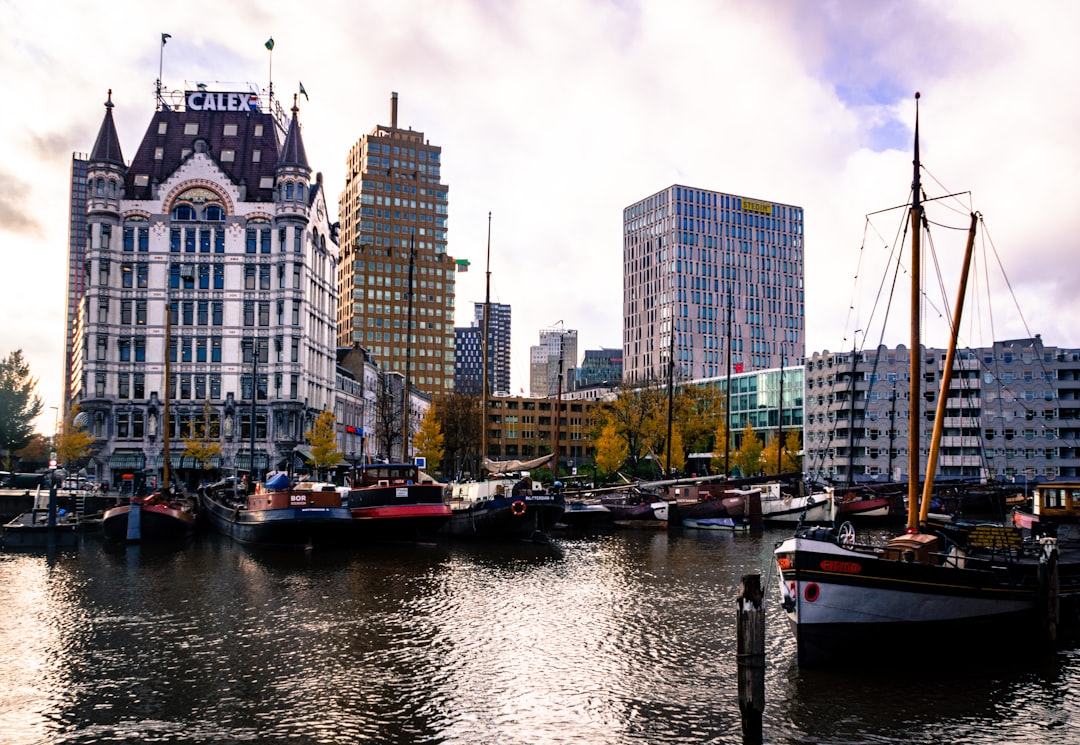
The Witte Huis (White House), built in 1898, is Europe’s oldest high-rise. It stands near the Oude Haven surrounded by postwar architecture, and the contrast tells Rotterdam’s entire story in a single glance — the lone survivor, elegant and slightly bewildered, towering over nothing because everything around it was rebuilt at a different scale.
Rotterdam is also becoming a leader in climate-adaptive design. Water plazas that double as basketball courts during dry weather, green roofs mandated on new construction, the Benthemplein water square — these aren’t theoretical. They’re built and functional and they’re changing what Dutch cities look like.
Neighborhoods Worth Wandering
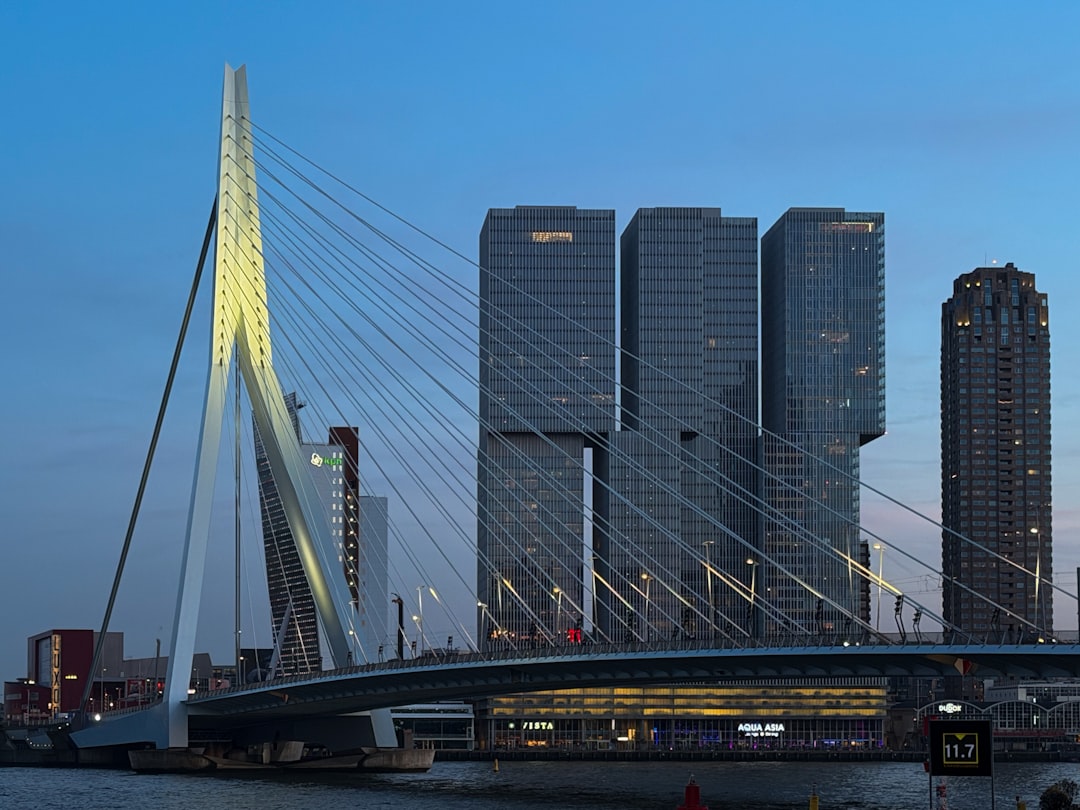
Kop van Zuid is Rotterdam’s most deliberate reinvention. This former dockyard across the Erasmus Bridge has been reshaped into a waterfront district of design hotels, Koolhaas towers, and the Hotel New York — the former headquarters of the Holland America Line, now a restaurant and hotel where you should absolutely order the bitterballen at the bar while looking out at the Maas. The building itself feels like emigration history made habitable.
→ Browse hotels in Kop van Zuid
Delfshaven is the counterpoint. This is the Rotterdam that existed before 1940 — historic canals, 17th-century buildings, the church where the Pilgrims prayed before sailing to America. It survived the bombing because it sat outside the target zone. Charming breweries, narrow streets, and a completely different pace. It’s a twenty-minute tram ride from Centrum and feels like a different century.
→ Browse hotels near Delfshaven
Centrum puts you in walking distance of the Cube Houses, Markthal, Central Station, and most of the architectural landmarks. Hotels run pricier here, but you’ll walk everywhere.
→ Browse hotels in Rotterdam Centre
Seeing It Right
The best way into Rotterdam’s architecture is on foot with someone who knows the stories. A guided walking tour covering the Cube Houses, Markthal, the postwar rebuilding, and the WWII history fills in the context that makes every building make sense.
→ Rotterdam Architecture & WWII Walking Tour
A harbor cruise shows you the working port side of Rotterdam — this is still Europe’s largest port, and the industrial waterfront architecture you see from the water is a different kind of impressive.
→ Rotterdam Harbor Sightseeing Cruise
If Kinderdijk is on your radar — the UNESCO windmill complex about 15 kilometers east — it pairs well with a Rotterdam stay. Nineteen windmills from the 1740s in a flat polder landscape. The contrast with Rotterdam’s skyline is almost surreal.
→ Rotterdam Architecture Highlights Tour including the Depot
The Table: Eating and Drinking in Rotterdam
Bitterballen at Hotel New York. Crispy, creamy Dutch bar snacks with mustard and a cold beer, served in a building that used to process transatlantic passenger tickets. The setting matters as much as the food.
Broodje haring from a market stall or the Central City market. Raw herring on a soft roll with onions and pickles. If you’re feeling traditional, hold the fish by the tail and eat it top-down. No one will judge you for using a fork instead.
Indonesian rijsttafel — Rotterdam’s colonial history means excellent Indonesian restaurants. Order the rijsttafel: a rice table with 12 to 20 small dishes, enough to wreck a table and an evening in the best way. This is a group dinner, not a solo meal.
Stroopwafels from the Markthal, fresh and warm. Not the packaged kind from Schiphol. The difference is substantial.
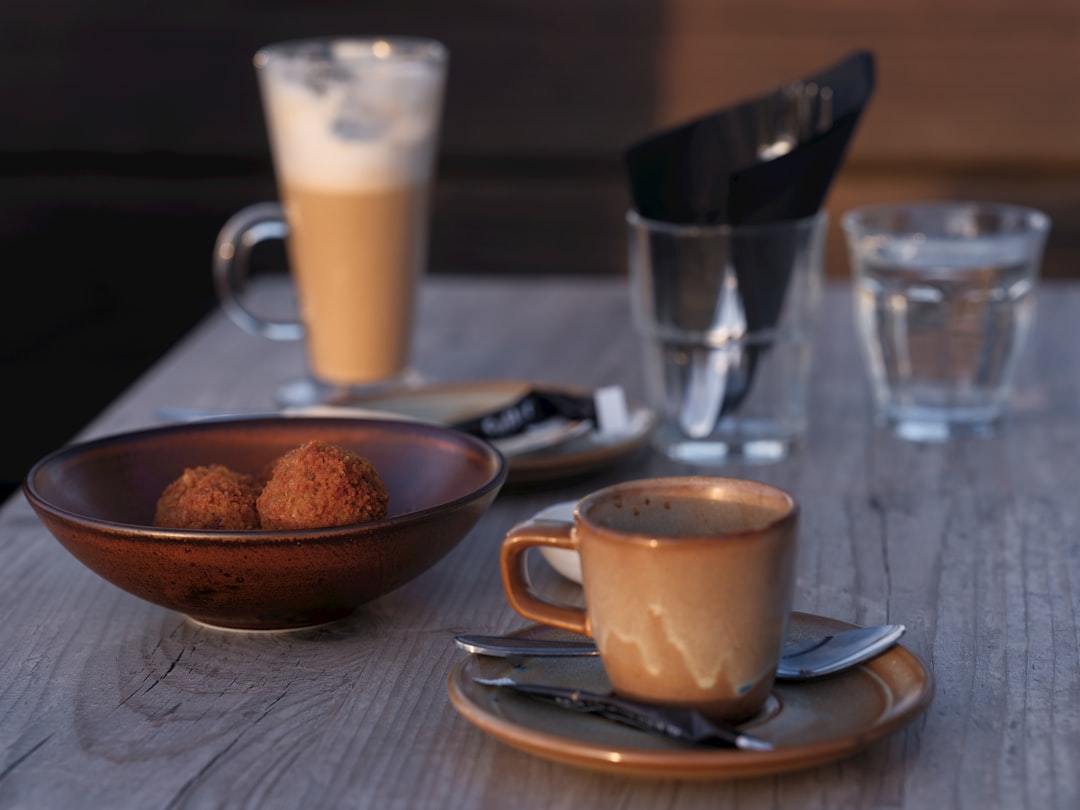
Koffie verkeerd — the Dutch café au lait, and the way to signal you’ve been here before. Rotterdam’s café scene is quietly excellent.
Plan Your Trip to Rotterdam
Best time to visit: May through September — warm enough to walk the waterfront all evening, and the city’s festival calendar is in full swing.
✈️ Getting There
Search flights to Rotterdam on Skyscanner
🏨 Where to Stay
- Hotels in Rotterdam Centre — walking distance to Markthal, Cube Houses, and Central Station.
- Hotels in Kop van Zuid — waterfront design district with views of the Erasmus Bridge.
🎟️ What to Book in Advance
- Rotterdam Architecture, Highlights & WWII Walking Tour
- Rotterdam Harbor Sightseeing Cruise
- Browse more Rotterdam experiences on Viator
📦 Pack Right
Allbirds Wool Runners — Rotterdam is flat but you’ll cover serious ground on foot. Comfortable walking shoes with good grip are non-negotiable.
Some links in this post are affiliate links. If you book through them, CuriosityTrail earns a small commission at no extra cost to you. Recommendations are chosen on merit; commissions never decide what’s included.