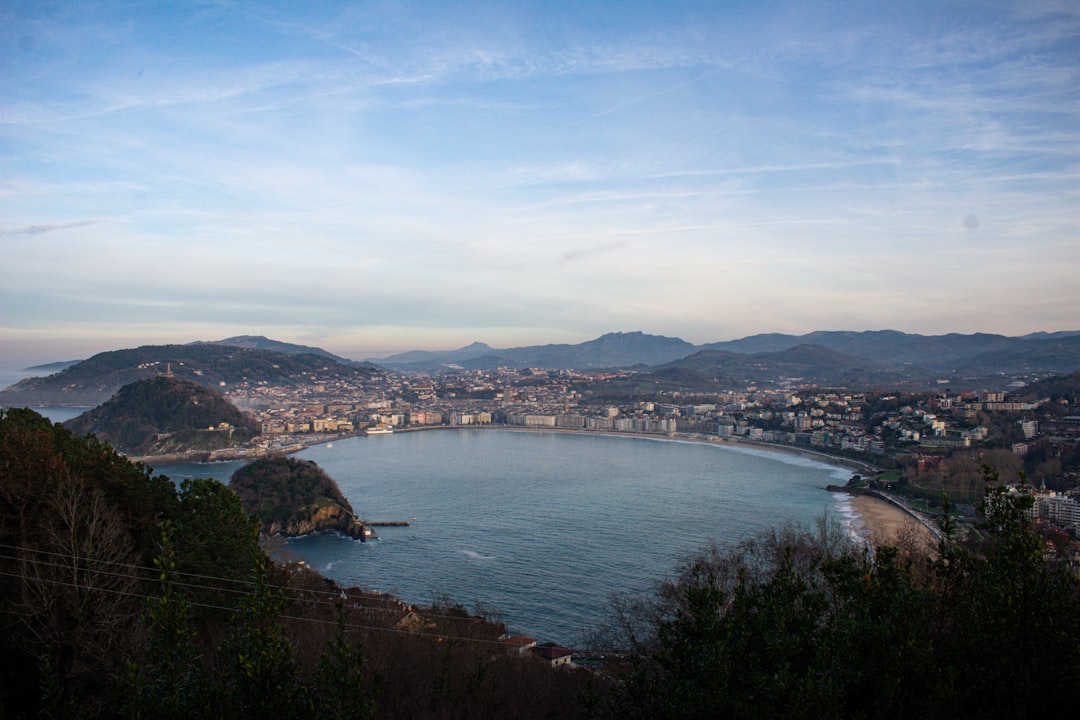
Visiting San Sebastián, Spain: A Complete Guide
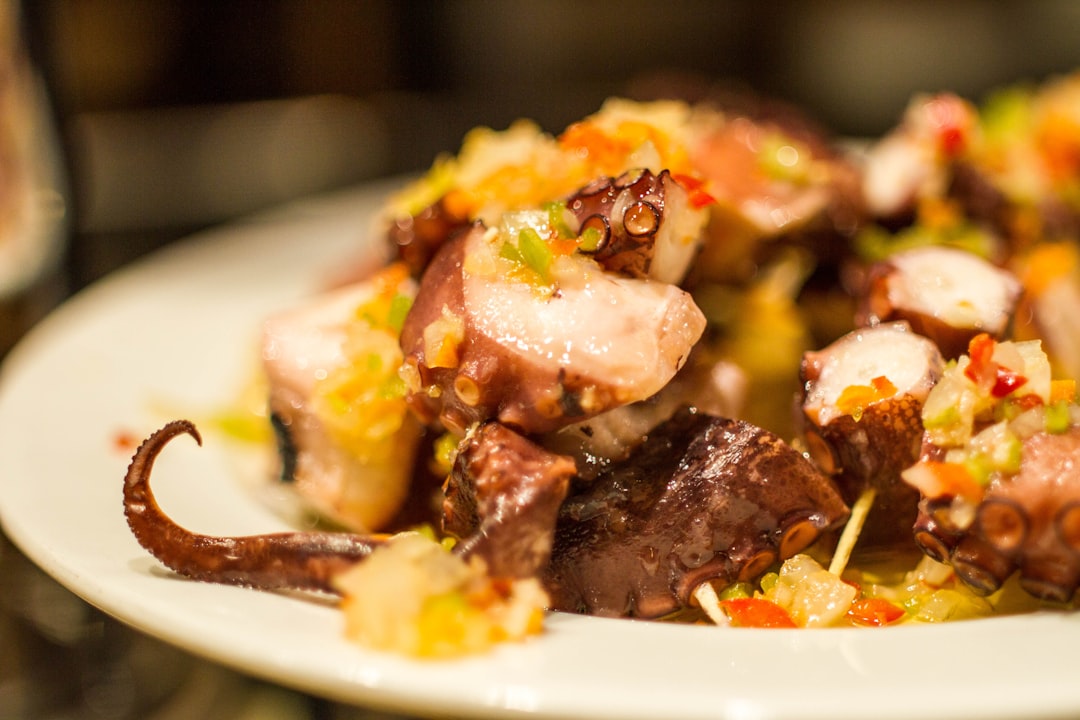
Quick Essentials
- 📍 Best Time to Visit: May–June or September–October — warm enough for open-air bar-hopping, thin enough crowds to actually reach the counter at Ganbara
- ✈️ Getting There: Search flights on Skyscanner | Direct from Madrid, Barcelona, London, and Paris
- 🏨 Where to Stay: Browse San Sebastián hotels on Booking.com
- 🎟️ Don’t Miss: Pintxos & wine evening tour on GetYourGuide
- 💰 Budget Range: €120–€220 per day for mid-range to splurge (pintxos add up faster than you think)
The City That Eats Standing Up
San Sebastián has a problem most cities would kill for: too much good food in too small a space. The Parte Vieja alone packs more Michelin-quality bites per square meter than neighborhoods ten times its size. But here’s what the “world’s best food city” rankings miss — this is a place where architecture tells you as much as the menu does.
Walk the curve of La Concha and you’re tracing a line from 1845, when Queen Isabel II showed up for a doctor-prescribed swim and accidentally invented the European beach resort. The Belle Époque facades and iron railings that followed turned a fishing port into the summer capital of Spain. The pintxo bars came later, filling the medieval streets behind the beach with something more democratic. No reservations. No dress code. Just a napkin on the bar and the conviction that a €3 bite of cod should be transcendent.
This guide moves you through the city the way the city wants to be eaten — on foot, neighborhood by neighborhood, with architecture between courses. Start in the Parte Vieja, cross the river to Gros, then walk west to Antiguo. By the end you’ll have covered three beaches, one century of ironwork, and more pintxos than you planned.
A Quick Geography of Hunger
San Sebastián is walkable in a way that makes a rental car pointless. Three neighborhoods, three beaches, all connected by waterfront paths you’ll walk without noticing the distance.
Parte Vieja sits between Monte Urgull and the river, a grid of narrow streets so dense with pintxo bars that choosing one feels like a commitment. This is ground zero — where the gilda was invented, where the crowds are thickest, and where the quality ceiling is highest.
Gros is across the Urumea River, facing Zurriola Beach and its surfers. Fewer tourists, more locals, a younger energy. The pintxo bars here are just as good and half as crowded. Most visitors never cross the bridge. That’s their loss.
Antiguo stretches west past Ondarreta Beach to Eduardo Chillida’s Wind Comb sculptures. The food scene is quieter, the architecture more residential, and the views — especially at sunset — compete with anything on the promenade.
Parte Vieja: The Original Pintxo Gauntlet
Two streets do the heavy lifting: Calle Fermín Calbetón and Calle 31 de Agosto. But don’t limit yourself to those — some of the best bars are tucked one block off the obvious route.
Ganbara is worth the wait. The counter is a still life of whatever’s in season — foraged mushrooms in autumn, fat langoustines on ice in summer, Basque peppers piled in glossy heaps. Point at what looks good. You won’t be wrong. The setas a la plancha (grilled wild mushrooms) with a slow-cooked egg is the dish that keeps people coming back year after year.
Borda Berri operates differently. No counter display. You order from a chalkboard menu and wait. The fake Idiazábal risotto — it’s actually orzo — has become one of the most talked-about pintxos in the city. The pork rib kebab is the other reason to stand in line.
La Viña does one thing that matters more than anything else on the menu: tarta de queso. This is the bar that invented burnt Basque cheesecake before Instagram discovered it. The original is still better than every imitation you’ve had. Order a slice and a txakoli. Don’t overthink it.
Bar Sport is louder, more chaotic, and completely essential. The anchovy pintxos here are textbook.
The strategy is simple: one or two bites per bar, a glass of txakoli poured from height, then move on. Three bars is a light evening. Five is ambitious. Seven is a story you’ll tell.
La Concha and the Belle Époque Promenade
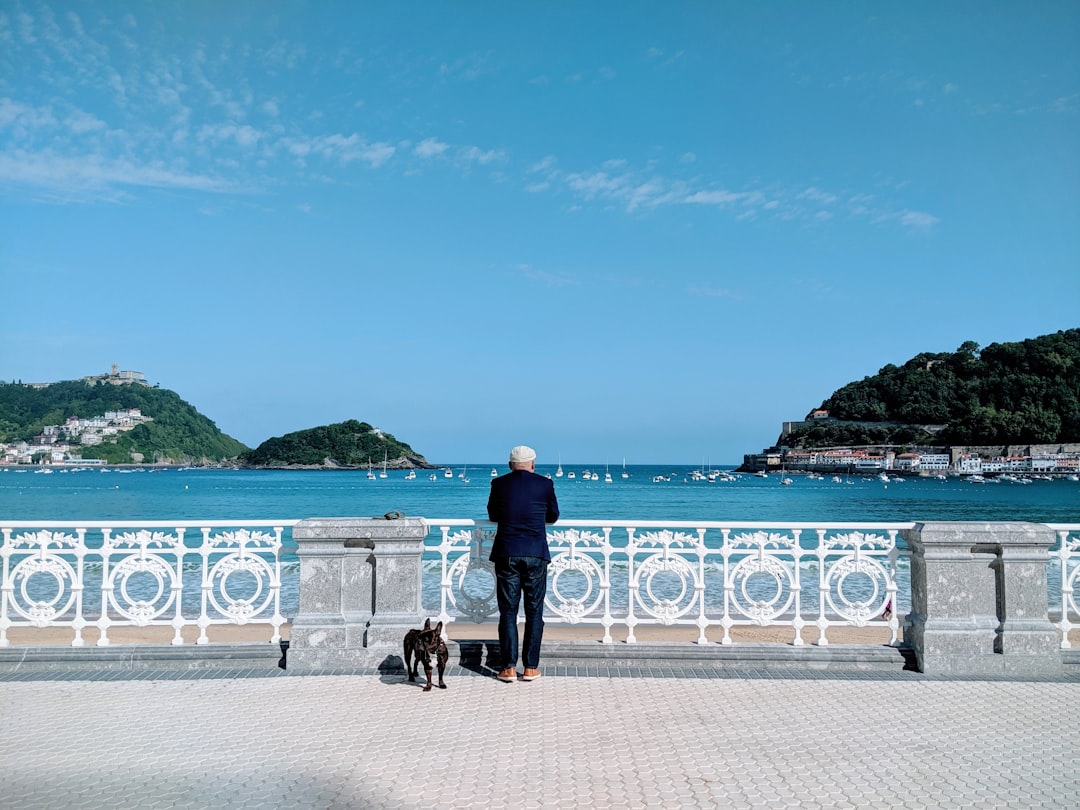
The walk from the Parte Vieja to La Concha is the transition between eating and breathing. The beach itself is a perfect crescent — you already know that from photographs. What you don’t know until you’re there is how the architecture frames it.
The ornate wrought-iron railings along the promenade were designed by Juan Rafael Alday and installed in 1916. They’re over a century old, and they’ve become the most photographed detail in the city for good reason — at sunset, when the light catches the ironwork against the bay, the whole promenade feels like a set piece from a lost era.
La Perla, the former high-society spa at the western end of the beach, was inaugurated by King Alfonso XIII that same year. The building has been modernized but the bones are still there. You can see why European aristocrats made this their summer destination — the curve of the bay, the mountains on both sides, the water that’s somehow always the right shade of blue.
Walk the full promenade. Don’t stop at the halfway point like most people do. The views improve as you move west, and the crowds thin out noticeably past Miramar Palace.
Guided walking tour of La Concha’s Belle Époque architecture
Crossing the Urumea: Where the Locals Actually Go
Gros feels like a different city. The surf culture at Zurriola Beach sets a different tempo — board shorts instead of linen, cider instead of txakoli, and pintxo bars where you can actually get a spot at the counter on a Saturday night.
The neighborhood doesn’t try as hard, and that’s exactly why it works. The residential streets between the beach and the river are lined with bars that serve locals who know what they want. You won’t find tour groups here.
Come here for a second crawl after you’ve done the Parte Vieja. The contrast is part of the experience — same city, same quality, completely different atmosphere. If you’re staying more than two nights, consider booking in Gros instead of the Old Town. The hotels are quieter, the prices are gentler, and you’re a five-minute walk from everything.
Boutique hotels in Gros, San Sebastián
West to Antiguo: Chillida’s Wind Comb and the Quiet Side
Most visitors turn around at La Concha. Keep walking.
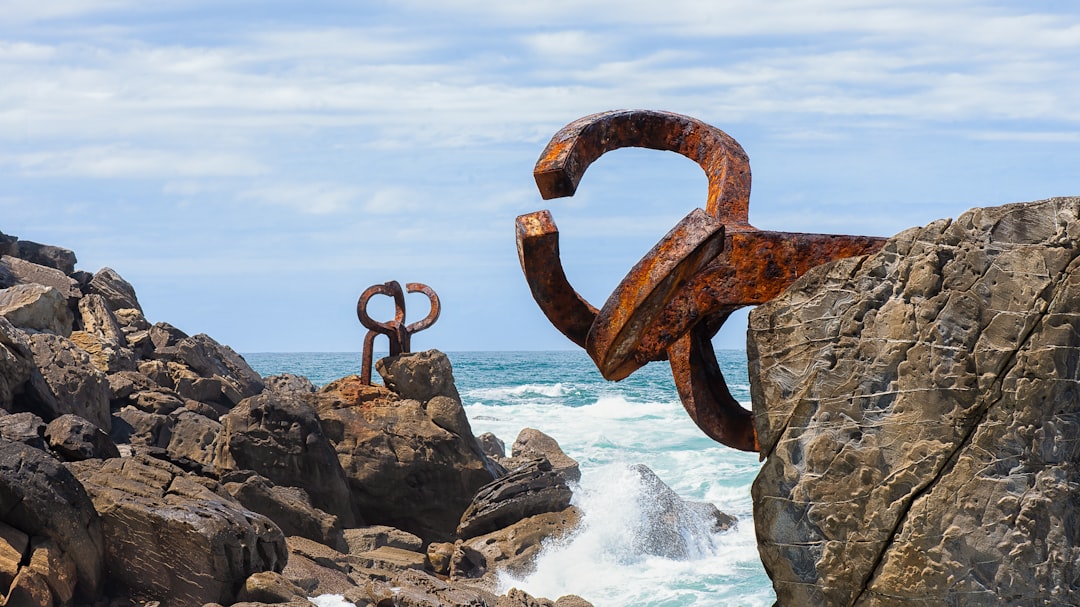
Past Ondarreta Beach, at the foot of Monte Igueldo, Eduardo Chillida’s Peine del Viento (Wind Comb) sculptures sit embedded in the coastal rocks. Three rusted-steel forms, each weighing nine tonnes, reaching into the Cantabrian wind. The terrace beneath your feet has vents that shoot air and spray upward when waves hit — Chillida designed the landscape as part of the piece.
This is one of the most powerful public artworks in Europe, and it’s free, uncrowded, and completely unprotected from the elements. Go when the wind is up. The sculptures were made for weather.
The Antiguo neighborhood behind the beach is residential and quiet. Plaza Gorgatxo, beside the old pelota court, has a handful of pintxo bars worth finding — La Cervecería del Antiguo does a confit of cod with pistachio emulsion that’s worth the walk alone.
What to Eat and What to Drink with It
Five things you need to order, no matter which neighborhood you’re in:
Gilda. The original pintxo — anchovy, olive, and guindilla pepper on a skewer. Named after Rita Hayworth’s role in the 1946 film. Every bar makes it. Judging each version is half the fun.
Txakoli. The slightly sparkling Basque white that’s poured from absurd height to aerate it. It’s the default drink with pintxos, and ordering anything else feels like wearing shoes on the beach.
Bacalao al pil-pil. Salt cod in an emulsified garlic and olive oil sauce that takes real skill to pull off. This is the dish that defines Basque cuisine — deceptively simple, technically demanding.
Txuletón. A massive dry-aged beef rib steak, often from retired dairy cows. Split it with someone. Order it rare. Argue about nothing else for the rest of the evening.
Tarta de queso at La Viña. Already mentioned. Mentioning it again. It’s that good.
Basque cooking class with market tour in the Old Town
When to Go and What to Know
September is the sweet spot. Beach weather, thinning crowds, the Film Festival adding glamour if you want it. May and June are close seconds — everything’s open, the terraces are full, and you’ll still get a table.
Avoid August unless you’re specifically after Semana Grande’s fireworks and chaos. The city triples in population and pintxo bar lines double.
Cider season (January–April) is worth knowing about. The sagardotegiak outside the city serve set menus with cider poured straight from towering barrels. It’s messy, loud, and completely Basque.
Practical notes for North Americans: Everything in the Parte Vieja is cash-friendly but cards are accepted nearly everywhere now. Dinner starts at 9pm. Pintxo crawling starts at 8pm. Lunch is 1:30–3pm. Adjust your internal clock or eat alone.
San Sebastián is a 20-minute bus ride from the French border. If you’ve been to Biarritz, you already know the architectural DNA — both cities share the same Belle Époque inheritance. If you haven’t, that’s a day trip worth making.
Ready to Plan Your Trip to San Sebastián?
You’ve done the reading. Here’s everything you need to make it happen.
🎟️ What to Book in Advance
- Pintxos & Wine Evening Tour with Local Guide
- Basque Cooking Class with Market Visit
- Browse more San Sebastián experiences on Viator
Some links in this post are affiliate links. If you book through them, CuriosityTrail earns a small commission at no extra cost to you. Recommendations are chosen on merit; commissions never decide what’s included.