Valencia, Spain: The Quietly Brilliant City That Deserves Your Next Trip
Quick Essentials
- 📍 Best Time to Visit: Late April through May or mid-September through October — warm enough to swim, cool enough to walk for hours, and the summer tourist crush hasn’t arrived (or has already left).
- ✈️ Getting There: Search flights on Skyscanner | Direct from London, Paris, Amsterdam, and most European hubs. From North America, connect through Madrid or Barcelona.
- 🏨 Where to Stay: Browse Valencia hotels on Booking.com
- 🎟️ Don’t Miss: Albufera boat ride and paella lunch on GetYourGuide
- 💰 Budget Range: €100–€180 per day for a couple — mid-range hotels, real meals out, museum entries, and a good bottle of wine.
The City That Stopped Competing
Barcelona gets the first trip. Madrid gets the second. Valencia gets the trip where you finally stop performing as a tourist and just live somewhere for a few days.
That’s not a backhanded compliment. Valencia’s genius is in the calibration. A medieval quarter that hasn’t been polished into a theme park. A futuristic architectural complex that somehow doesn’t feel like it’s compensating for anything. A food culture so deeply rooted that the locals get visibly annoyed when you order seafood paella — because the real paella has chicken and rabbit, and they’d like you to know that.
The city runs on Mediterranean time, which means lunch at 2:00, dinner at 9:30, and an afternoon pace that visitors from northern latitudes initially mistake for laziness and eventually recognize as wisdom. There are 300 days of sunshine a year here. Nobody’s in a hurry.
When Calatrava Built a City Inside a City
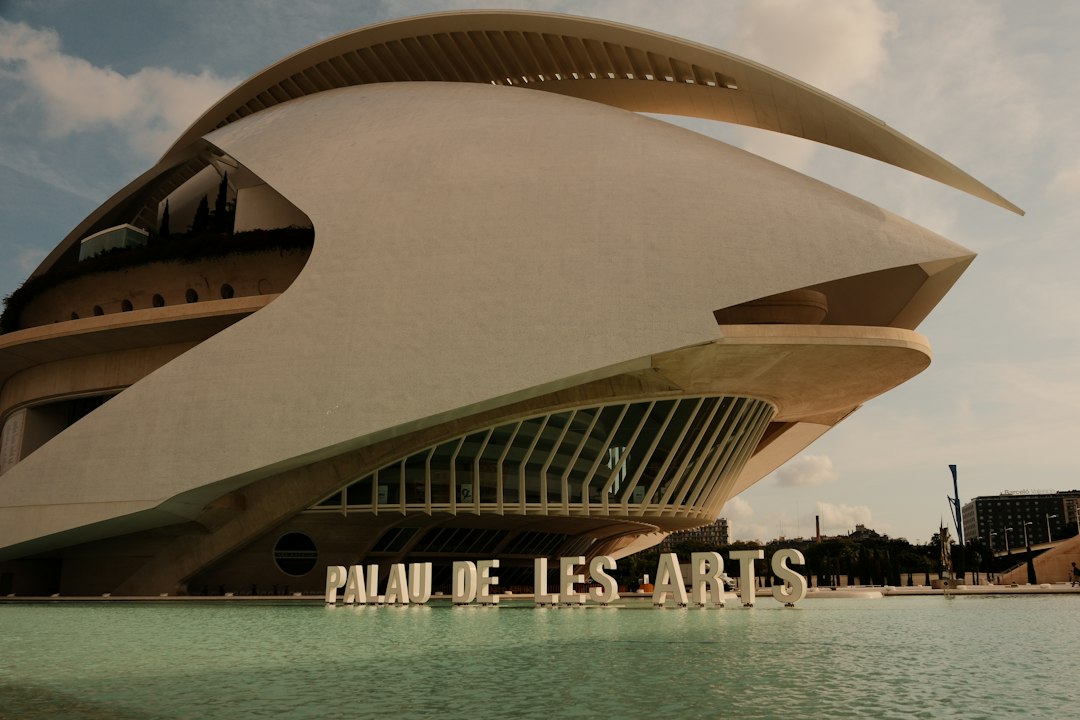
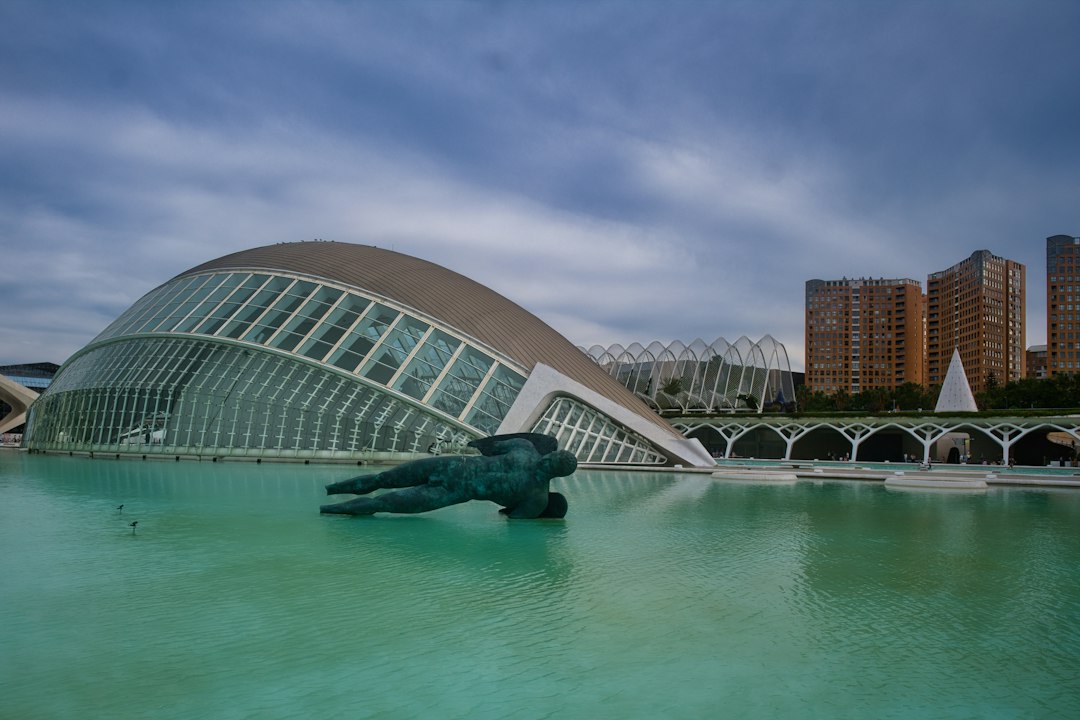
The City of Arts and Sciences is the reason Valencia appears on architecture mood boards worldwide. Santiago Calatrava — a Valencian native, which matters — designed this sweeping complex along two kilometers of a drained riverbed. The Hemisfèric looks like a massive eye opening over still water. The Príncipe Felipe Science Museum stretches like the skeleton of a whale. The Palau de les Arts rises like a helmet from some civilization more advanced than ours.
It’s extraordinary. It’s also controversial in exactly the way that makes it interesting.
Locals will tell you, with some heat, about the budget overruns, the structural cracks that appeared in the Opera house’s ceramic cladding, and the irony that Valencia spent billions on a futuristic complex while underfunding its public transit. Calatrava is both Valencia’s most famous son and its most argued-about one. The architecture is better for knowing this — it stops being a postcard and becomes a story about ambition, identity, and the complicated things cities do to reinvent themselves.
Visit in the early morning or late afternoon. The light reflecting off the pools is genuinely cinematic, and you’ll avoid the midday heat that makes the white surfaces unbearable in summer. The Oceanogràfic — Europe’s largest aquarium — is worth the entry fee for the architecture alone, designed not by Calatrava but by Félix Candela, whose shell structures feel like origami made of concrete. Book a guided tour of the City of Arts and Sciences
Where Paella Was Actually Born
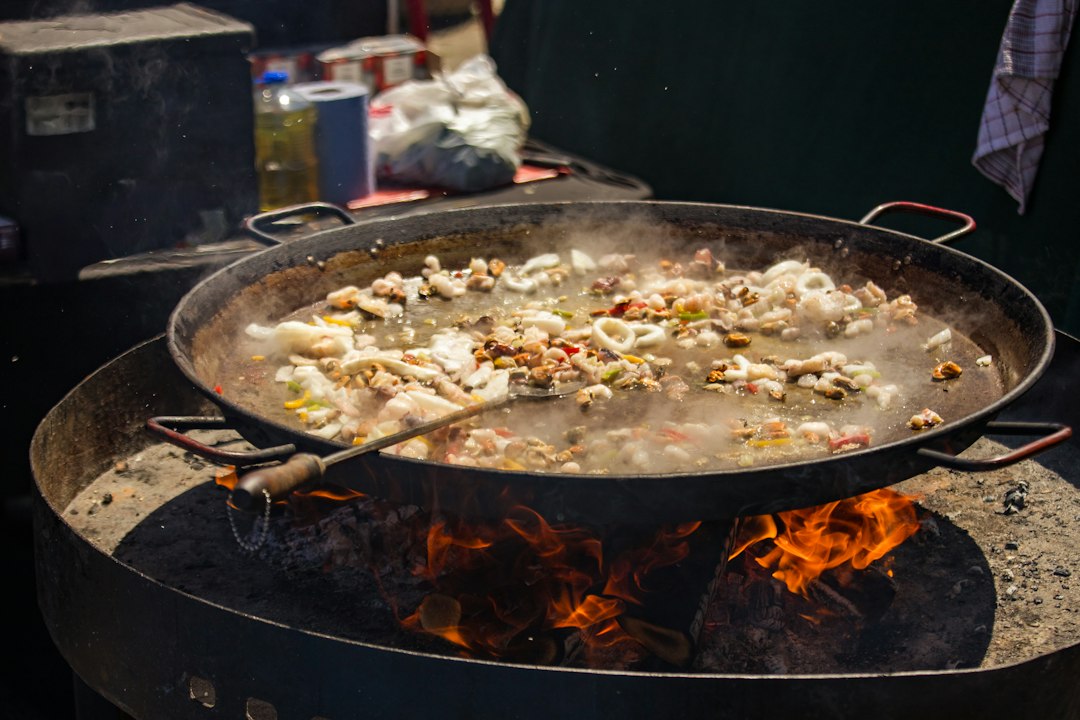
Let’s settle this. Paella Valenciana — the original, the real one — is made with chicken, rabbit, green beans, garrofón (a large flat white bean), tomato, saffron, and rice cooked over a wood fire until a crackling crust forms on the bottom. That crust is called the socarrat, and if your paella doesn’t have it, you’re at the wrong restaurant.
The dish was born in the rice paddies around the Albufera lagoon, a coastal wetland about twenty minutes south of the city center. The village of El Palmar, perched at the lagoon’s edge, has more paella restaurants than residents. This is where you should eat it.
The experience is worth building a half-day around. Take a boat through the Albufera’s reed channels, watch the light flatten across rice fields that stretch to the horizon, then sit down to a wood-fired paella that takes forty minutes to cook and about six minutes to disappear. Casa Carmela, back in the city, does an equally serious version — they’ve been cooking over orange-wood fire since 1922. Go at lunch. Paella is a midday dish. Ordering it at dinner marks you as someone who arrived yesterday.
Book an Albufera boat ride and paella lunch
And while you’re in the Albufera, order the all i pebre — an eel stew thick with garlic and paprika that you won’t find anywhere else in Spain. It’s not beautiful, but it’s extraordinary.
Three Neighborhoods Worth Getting Lost In
El Carmen is the medieval quarter, and it does what medieval quarters do — narrow streets that dead-end into tiny plazas, churches converted into galleries, street art on crumbling walls that UNESCO hasn’t quite gotten around to protecting. The Torres de Serranos are here, twin gate towers from the 14th century that you can climb for free. Go half an hour before sunset. The view stretches across the old city to the Turia Gardens, and nobody charges you €15 for the privilege.
Walk south from El Carmen and you’ll cross into Ruzafa, which has quietly become one of Europe’s most interesting food neighborhoods. This is where young Valencians actually spend their weekends — brunch at Copenhagen, natural wine at La Lola, dinner at whatever just opened. The Ruzafa market anchors the scene, smaller and less photographed than the Central Market but more revealing of how locals actually eat. If you stay here, you’ll walk fifteen minutes to the old city and feel like you live in the place rather than visiting it. Browse Ruzafa hotels on Booking.com
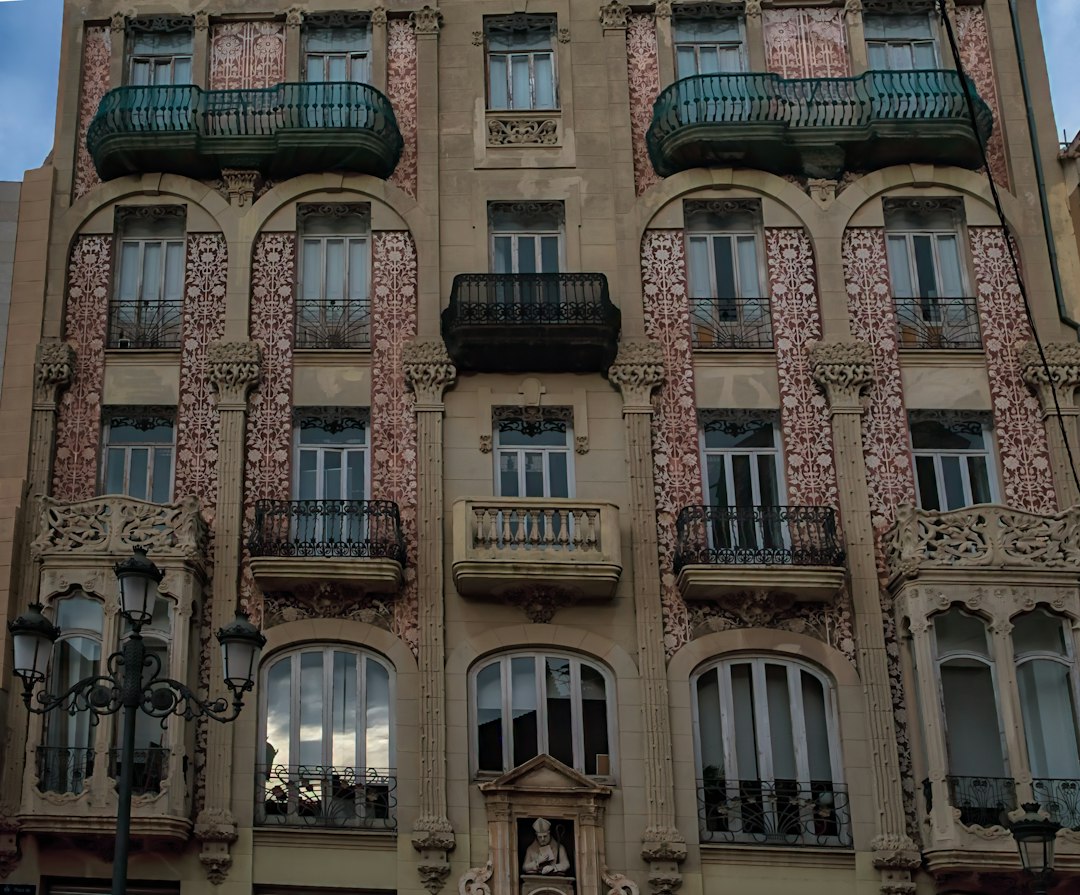
Then there’s El Cabanyal, the former fishing neighborhood a ten-minute tram ride toward the beach. The draw here is the tile work — Art Nouveau ceramic facades in turquoise, amber, and deep green that most tourists never see because they stop at the beach and turn around. Walk the back streets. The neighborhood is in the middle of a slow, contested renovation, which means you’ll see buildings of startling beauty next to ones that haven’t been touched in fifty years. That tension is part of the appeal.
The Central Market and What to Eat There
The Mercado Central is the largest fresh market in Europe — 86,000 square feet under a gorgeous Modernista dome of iron, stained glass, and ceramic tile. Come in the morning, preferably on a Saturday when locals are doing their actual shopping. The energy is different from a tourist market: people are arguing with vendors about the ripeness of tomatoes, not posing for photos.
What to seek out: Daniel’s stall for hand-squeezed orange juice (Valencia produces most of Spain’s oranges, a fact that becomes obvious here). The jamón ibérico counters, where you can ask for a small tasting plate. And the horchata stand — horchata de chufa, tiger-nut milk served ice-cold with fartons, the soft sugar-dusted pastry sticks you dip into it. It tastes like nothing you’ve had before.
For the horchata pilgrimage, though, take the short trip to Alboraya. Horchatería Daniel is the gold standard, and the setting — outdoor tables in a small town that grows the tiger nuts themselves — turns a drink into a destination.
Other things to eat in Valencia, in no particular order: esgarraet (roasted red pepper and salt cod, beautiful in its simplicity), fideuà (paella’s cousin, made with short noodles instead of rice — better than it sounds), and an Agua de Valencia at Café de las Horas in El Carmen. It’s cava, orange juice, vodka, and gin, served from a punch bowl. Yes, it’s touristy. It also tastes fantastic.
Book a Central Market food tour with tastings
The Turia: A River That Became a Park
In 1957, the Turia River flooded Valencia and killed eighty-one people. The government diverted the river south. What remained was a dry riverbed running nine kilometers through the center of the city. There was a plan to pave it into a highway. Citizens protested. They won.
Today, the Jardí del Túria is one of Europe’s great urban parks — a continuous green corridor from the Bioparc in the west to the City of Arts and Sciences in the east, with running paths, cycling lanes, fountains, orange groves, and the whimsical Gulliver playground (a reclining giant you can climb, designed for children, used liberally by adults). Rent a bike and ride the full length. It’s flat, partially shaded, and genuinely lovely. The fact that it exists instead of a highway says more about Valencia’s character than any architecture could.
When the City Burns
If your dates are flexible, plan around Las Fallas (March 1–19). This UNESCO-recognized festival fills Valencia with over 700 enormous papier-mâché monuments — satirical, irreverent, meticulously crafted — that the neighborhoods spend the entire year building. Every afternoon at 2:00, a mascletà (choreographed explosive fireworks) shakes the windows at Plaza del Ayuntamiento. On March 17–18, thousands of falleros in traditional dress offer flowers to the Virgin of the Forsaken. And on the night of March 19, they burn it all down. Every monument, in every plaza, set alight in a ceremony called La Cremà that fills the city with fire and heat and something close to joy.
It’s overwhelming. It’s loud. It smells like gunpowder for three weeks. And it’s unlike anything else in Europe.
Ready to Plan Your Trip to Valencia?
You’ve done the reading. Here’s everything you need to make it happen.
🎟️ What to Book in Advance
- Albufera boat ride and paella lunch in El Palmar
- City of Arts and Sciences guided tour
- Browse more Valencia experiences on Viator
Some links in this post are affiliate links. If you book through them, CuriosityTrail earns a small commission at no extra cost to you. Recommendations are chosen on merit; commissions never decide what’s included.