Visiting Edinburgh, Scotland: A Complete Guide
Quick Essentials
- 📍 Best Time to Visit: May through early July — the days stretch past 10pm, the festival crowds haven’t arrived, and you can walk into most restaurants without a reservation.
- ✈️ Getting There: Search flights on Skyscanner | Direct from London, Amsterdam, Dublin, and Paris
- 🏨 Where to Stay: Browse Edinburgh hotels on Booking.com
- 🎟️ Don’t Miss: The Scotch Whisky Experience — skip-the-line tasting on GetYourGuide
- 💰 Budget Range: £120–£250 per day for mid-range to splurge travel
Edinburgh doesn’t reveal itself the way most European capitals do. There’s no grand boulevard pulling you from the train station to the postcard view. Instead, you climb. You turn a corner into a close so narrow your shoulders nearly touch both walls, and suddenly there’s a courtyard with a 400-year-old garden that nobody else seems to know about. You descend stone stairs to a street that was ground level in the 1600s. Then you cross a bridge you didn’t realize was a bridge — Princes Street Gardens sixty feet below — and the city becomes something else entirely: wide avenues, uniform façades, the controlled elegance of a place that was designed on paper before a single stone was laid.
That’s the thing about Edinburgh. It’s two cities that agreed to coexist. The Old Town is vertical, medieval, slightly unhinged — closes stacked on closes, buildings that lean like they’ve been drinking. The New Town is horizontal, Georgian, precise enough to make an architect weep. They sit side by side on their respective ridges, separated by a valley that used to be a loch, and the tension between them gives Edinburgh an energy that cities twice its size can’t manufacture.
Most visitors stick to the Royal Mile, tick the Castle, and leave. That’s fine for a first trip. But Edinburgh rewards the second visit — and the third — because the real character lives in the spaces between the landmarks. The food scene alone has changed so dramatically in the past decade that anyone who last ate here in 2015 wouldn’t recognize it.
Two Cities Sharing a Skyline
The UNESCO World Heritage designation covers both the Old Town and the New Town as a single site, which tells you something. Neither half makes sense without the other. The Old Town grew upward because it had nowhere else to go — hemmed in by the Castle rock to the west and the palace to the east, medieval Edinburgh built ten-storey tenements when London was still mostly two. The New Town was the Enlightenment’s answer: James Craig’s 1767 plan laid out a grid of crescents and squares so rational it practically hums.
Walk the boundary. Start at the Mound, where the National Gallery sits between the two worlds, and you can feel the shift in your posture. Old Town pulls you inward — hunched against the wind, peering down stairwells. New Town straightens your spine. The proportions demand it.
Into the Closes: Old Town’s Vertical Maze
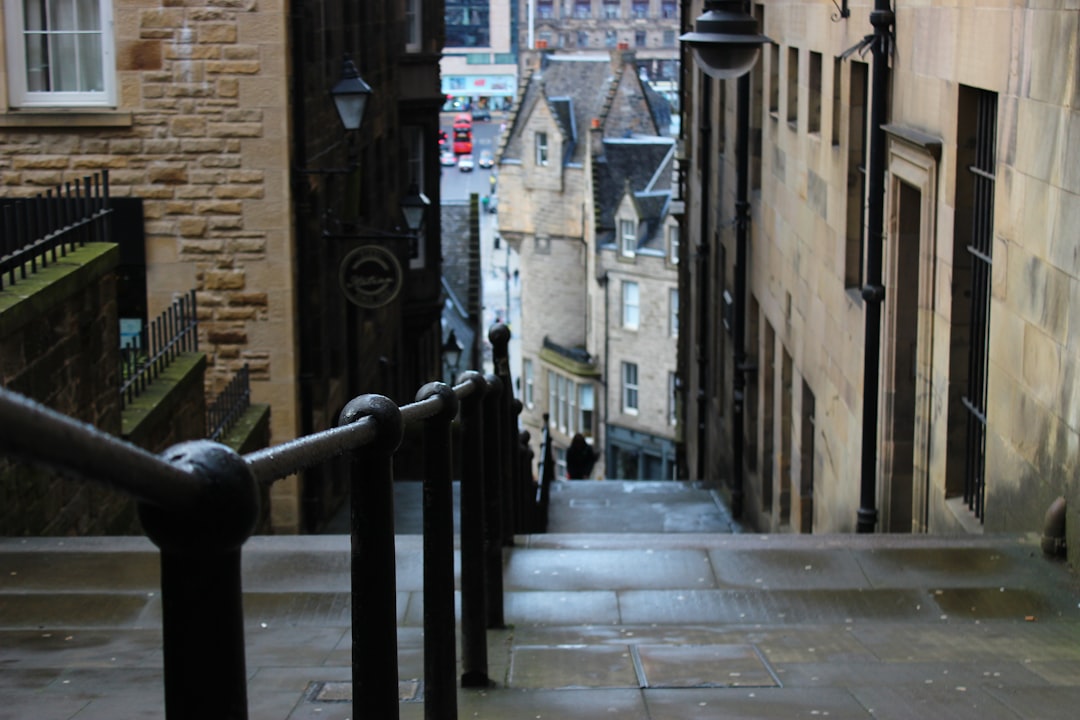
The Royal Mile gets the foot traffic, but the real Old Town lives one turn off the main drag. The closes — narrow alleyways that branch off the Mile like ribs from a spine — are where Edinburgh keeps its secrets.
Dunbar’s Close Garden is a walled seventeenth-century garden tucked behind the Canongate, fragrant and absurdly quiet for a spot thirty seconds from the tourist stream. Advocates Close drops steeply toward the Mound with views of the New Town rooftops that feel stolen. Riddle’s Court, recently restored, is a Renaissance courtyard where James VI once attended a banquet. None of these require tickets. None have queues.
Below the surface, Real Mary King’s Close takes you into the streets that were simply built over when the city expanded upward. It’s a one-hour guided tour through seventeenth-century rooms frozen at street level — now buried beneath the Royal Mile. The storytelling is sharp, and the claustrophobia is real. → Real Mary King’s Close guided tour on GetYourGuide
For the darker chapters, the Dark History Royal Mile Walking Tour covers plague, execution, and body-snatching with the kind of deadpan delivery that only Edinburgh locals pull off. Two hours, early evening, and worth it for the closes alone — the guides know alleys that don’t appear on maps. → Dark History Walking Tour on GetYourGuide
The New Town’s Quiet Confidence
Cross into the New Town and the city exhales. Charlotte Square is where the Georgian symmetry reaches its peak — the green at its center ringed by Robert Adam façades that look exactly as they did in 1791. The Georgian House, a National Trust property at No. 7, is worth twenty minutes for the period interiors alone.
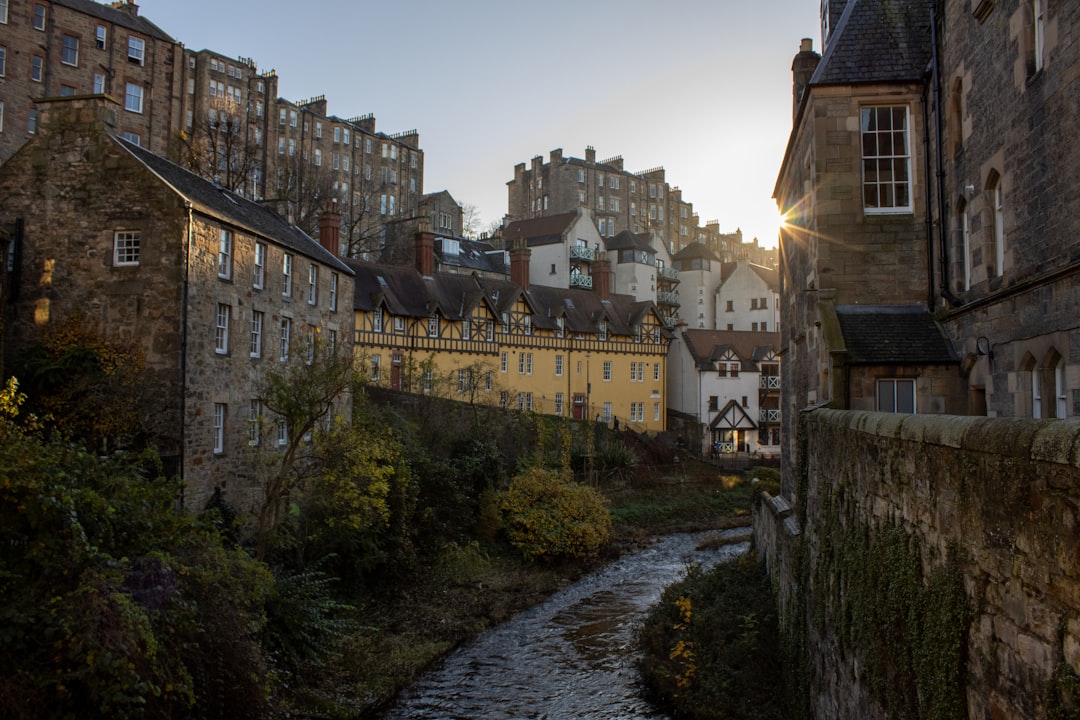
But the real New Town discovery is Stockbridge. Technically part of the New Town plan’s northern expansion, it feels more like a village that refused to be absorbed. The Sunday farmers’ market on Saunders Street draws locals for sourdough, Scottish cheeses, and wildflower honey. The charity shops here are genuinely good — this is the neighborhood where people donate cashmere. And the Water of Leith walkway starts at Stockbridge and drops into Dean Village, a perfectly preserved milling village sitting in a gorge you wouldn’t believe exists this close to Princes Street.
Walk the river path from Dean Village to the Scottish National Gallery of Modern Art. It takes forty minutes, follows the water the whole way, and constitutes one of the best urban walks in Britain that nobody queues for.
Where to Sleep Between the Two Towns
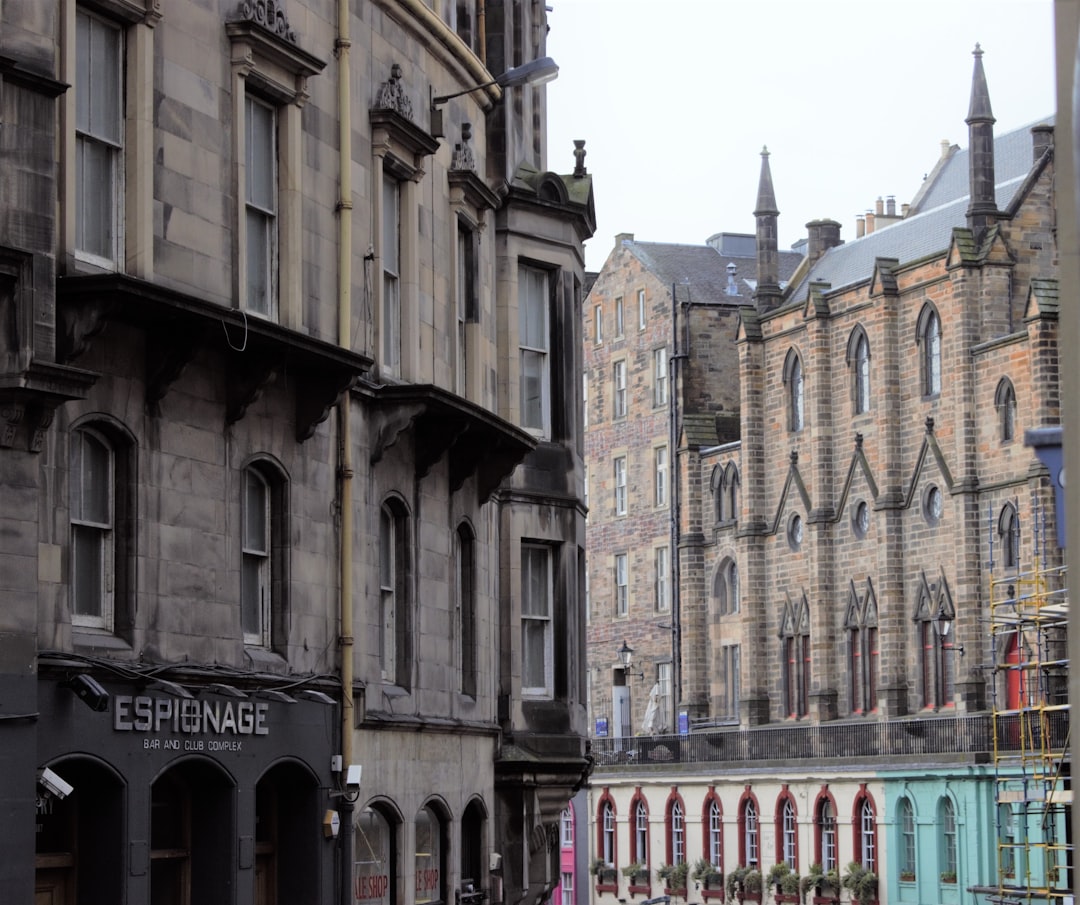
Edinburgh’s best accommodation decision is which city you want to wake up in. The Old Town puts you inside the atmosphere — cobblestones underfoot, the Castle visible from your window, and the closes lit like a Stevenson novel at night. The tradeoff is noise: the Royal Mile carries sound, and summer weekends bring stag parties. Stay a close or two off the main drag and you get the atmosphere without the 2am soundtrack. → Browse Old Town Edinburgh hotels on Booking.com
The New Town is the quieter bet. Hotels along George Street and around Charlotte Square tend toward the polished end — high ceilings, Georgian proportions, the kind of rooms where you find a decanter of whisky on the writing desk. You’re five minutes from Princes Street and ten from the Royal Mile, but the neighborhood feels residential after dark. If you want something with more character and less formality, look at Stockbridge — the boutique options there are smaller and priced more kindly.
For the food-obsessed, Leith is the move. The old docklands neighborhood has reinvented itself as Edinburgh’s dining capital, and staying here puts The Kitchin, Martin Wishart, and Lyla within walking distance. Hotels are newer, often waterfront, and roughly 30% cheaper than equivalent rooms in the Old Town. The bus into the center takes fifteen minutes. → Hotels in Leith on Booking.com
A City That Eats Above Its Weight
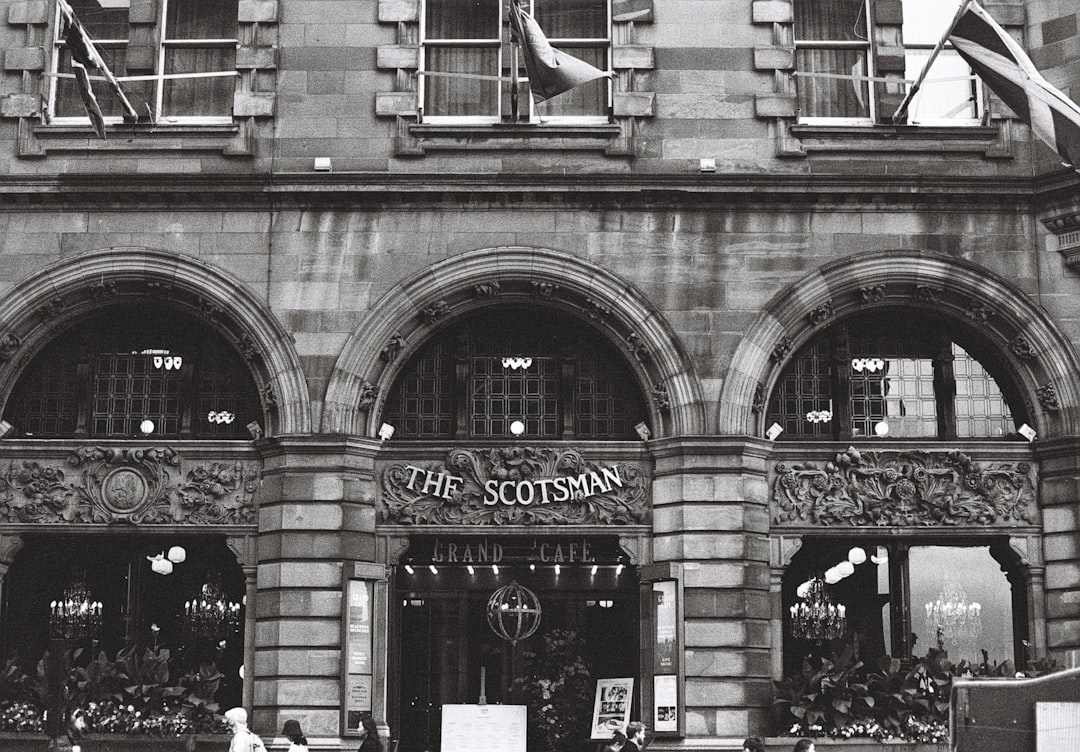
Edinburgh has seven Michelin stars now. Seven. For a city of half a million people, that’s a remarkable density. The epicenter is Leith — the old port neighborhood that spent decades being overlooked and has become the most exciting dining district in Scotland.
The Kitchin, Tom Kitchin’s flagship, does what the best Scottish cooking does: takes superb local ingredients and refuses to overwork them. Martin Wishart, a few doors down, brings French precision to Scottish produce. Lyla, the newest of the three, has already earned its star. You don’t need to eat at all three — but if you eat at one, make it The Kitchin and order whatever they’re doing with shellfish that week. → Hotels near Leith Shore on Booking.com
Back in the Old Town, Wedgwood on the Canongate is the quiet achiever — seasonal tasting menus that rival the starred places at half the price. For something less formal, Makar’s Mash Bar on the Mound serves haggis in over a dozen variations, and yes, you should try it even if you think you don’t like haggis. The whisky cream sauce makes converts.
Cullen skink — a thick, smoky haddock and potato soup — is the dish that catches people off guard. It’s comfort food of the highest order, and nearly every serious kitchen in the city does a version. Finish with cranachan if it’s berry season: toasted oats, whipped cream, Scottish raspberries, and a pour of whisky. It shouldn’t work this well.
For whisky itself, skip the tourist bars on the Mile and head to The Bow Bar on Victoria Street or the members’ bar at The Scotch Malt Whisky Society on Queen Street. The Scotch Whisky Experience at the Castle end of the Mile is the exception to the tourist-trap rule — the tasting is genuinely well-run, and their collection is staggering. → Scotch Whisky Experience tour and tasting on GetYourGuide
Museums Worth Rearranging Your Day For
The National Museum of Scotland on Chambers Street is free, enormous, and far better than it needs to be. The building itself — a Victorian grand hall fused with a modern extension — is worth the visit, but the collections range from Scottish history and natural science to world cultures and technology. In 2026, catch Giants (through September), an exhibition of life-sized prehistoric creatures, and Scotland’s First Warriors (opening late June), which traces the origins of conflict in prehistoric Scotland.
The Scottish National Gallery, sitting on the Mound between the two towns, has a collection that punches well above its profile — Raeburn, Ramsay, and a Botticelli that stops you cold. The Portrait Gallery on Queen Street is smaller and more intimate, housed in a red sandstone Gothic palace that’s a work of art in its own right.
Views That Stop Conversations
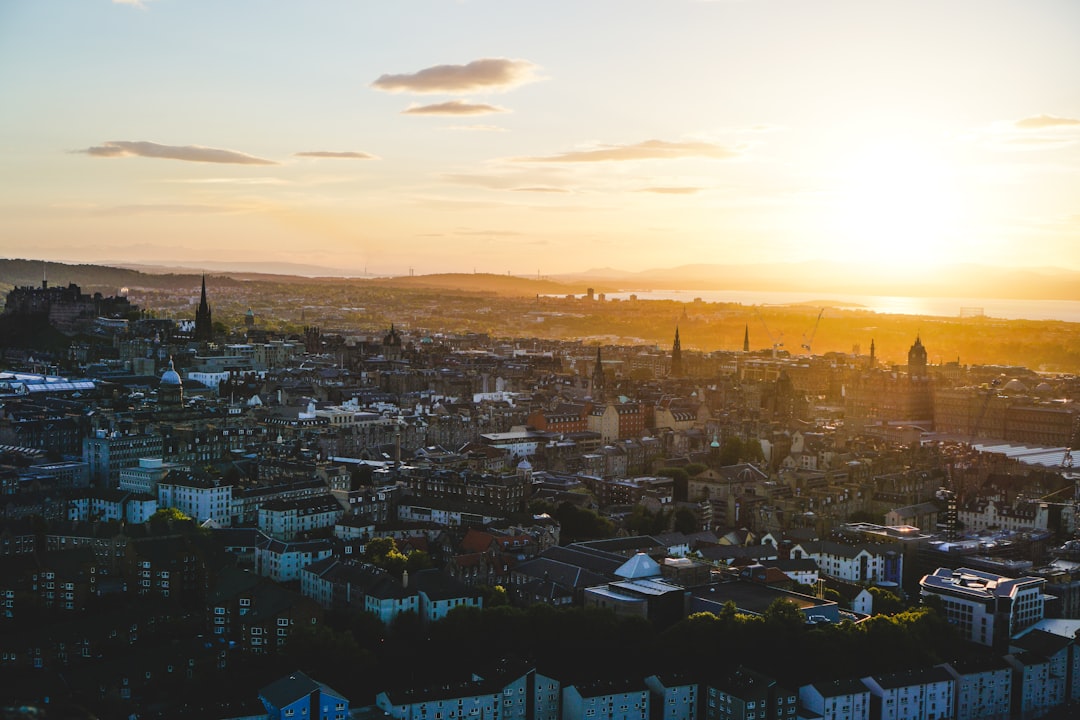
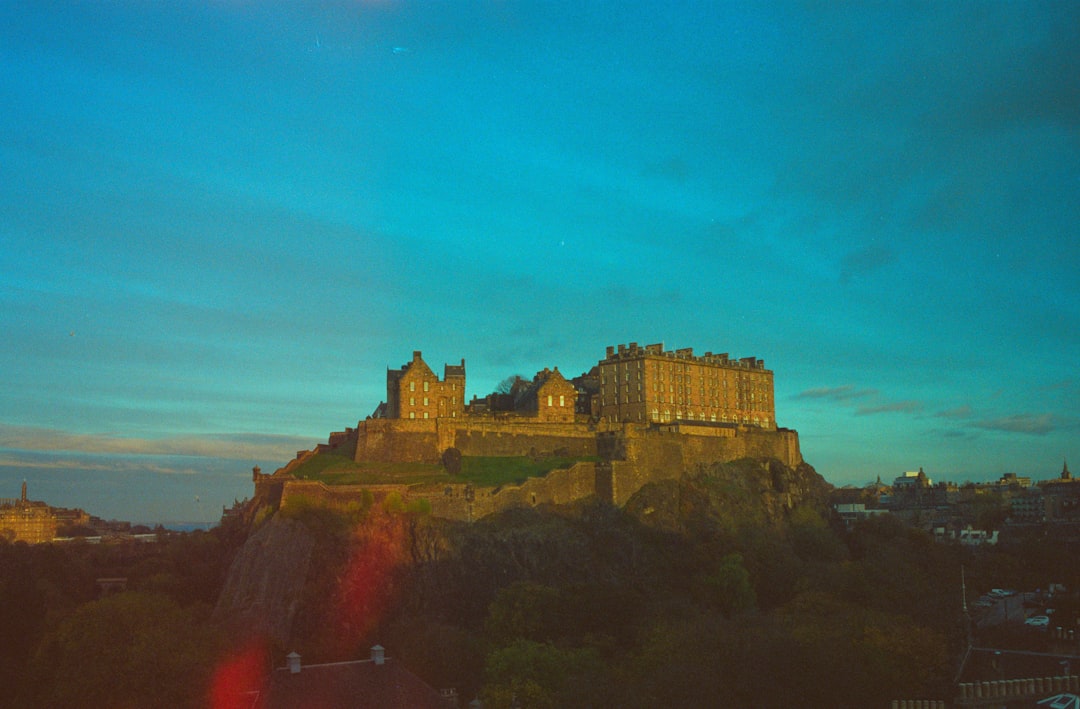
Arthur’s Seat is the obvious climb and it’s worth doing once — an extinct volcano in the middle of a capital city is genuinely extraordinary. But Calton Hill gives you the better photograph. At golden hour, you get the Castle, the Forth bridges, the Pentland Hills, and the full Old Town–New Town split in a single sweep, and the climb takes ten minutes, not an hour.
The Vennel steps — a staircase descending from the Grassmarket — frame the Castle in a way that looks like a film set. Go in the morning before the tour groups find it. And if you’re walking the Water of Leith path, the moment you drop into Dean Village from street level is the sort of view that makes you stop and recalibrate where you think you are.
The Festival Question
August in Edinburgh is one of the great spectacles of the cultural world. The Fringe, the International Festival, the Book Festival, the Military Tattoo, and the Art Festival all run simultaneously, and the city vibrates with a creative energy that has no equivalent anywhere. In 2026, the Fringe runs August 7–31, the International Festival August 7–30, and the Book Festival August 15–30.
But here’s what experienced travelers know: September is often the better month. The festival crowds dissolve overnight. Restaurants drop their wait times. Hotels return to normal pricing. And the autumn light in Edinburgh — low and golden, raking across the volcanic stone — is arguably the most beautiful the city gets all year. If you’ve done the Fringe once, come back in September. You’ll see a different city.
Ready to Plan Your Trip to Edinburgh?
You’ve done the reading. Here’s everything you need to make it happen.
🎟️ What to Book in Advance
- The Scotch Whisky Experience — skip-the-line tour and tasting
- Real Mary King’s Close — underground guided tour
- Browse more Edinburgh experiences on Viator
Some links in this post are affiliate links. If you book through them, CuriosityTrail earns a small commission at no extra cost to you. Recommendations are chosen on merit; commissions never decide what’s included.