Chiayi, Taiwan: Turkey Rice Debates, Timber Heritage, and the Gateway to Alishan
Quick Essentials
- 📍 Best Time to Visit: November through March — winter highs hover around 23°C with almost no rain, and the timber district looks its best in soft, cool light.
- ✈️ Getting There: Search flights on Skyscanner | Fly to Taoyuan (TPE), then HSR to Chiayi in 90 minutes
- 🏨 Where to Stay: Browse Chiayi hotels on Booking.com
- 🎟️ Don’t Miss: Alishan Forest Railway scenic train on GetYourGuide
- 💰 Budget Range: $80–$150 USD per day for comfortable mid-range travel; $200+ for boutique stays with Alishan guesthouse add-ons
A City That Doesn’t Need You to Visit
Most travelers pass through Chiayi the way they pass through airport corridors — eyes on the departure board, already thinking about what comes next. In this case, what comes next is Alishan, the mountain national scenic area with its sea of clouds and ancient cedar groves, and Chiayi has spent decades being perfectly content as the place you leave in order to get there.
That contentment is exactly what makes it interesting. Chiayi hasn’t curated itself for visitors. The night market on Wenhua Road still draws a crowd that is overwhelmingly local, arguing about which turkey rice stall deserves their loyalty tonight. The Japanese-era timber district was renovated because it mattered to the city’s own story, not because someone saw an Instagram opportunity. And the morning market in East District operates at a pace that suggests nobody is expecting you at all.
Taiwan’s smaller cities have a way of rewarding you for not being in a hurry. Chiayi is one of the best arguments for that.
The Timber District That Got a Second Life
Chiayi’s connection to wood runs deep — literally up the mountain. The Alishan Forest Railway was built by the Japanese colonial government in the early 1900s to bring cypress timber down to the plains, and the city became the processing hub for some of the most valuable wood in East Asia. The workers needed housing, the administrators needed offices, and what they built became Hinoki Village.
Today, 30 of those cypress-wood buildings stand restored in a complex that feels more like a small neighborhood than a museum. You can walk through for free, which helps — there’s no turnstile energy here. Some buildings house craft shops and tea rooms. Others hold small exhibitions or local design studios. The wood itself is the real attraction. Hinoki cypress, when you get close enough, has a scent that’s somewhere between cedar and camphor, and it lingers in rooms that have held it for a century.
A few minutes’ walk brings you to Beimen Station, the original northern terminus of the forest railway. It’s smaller and quieter than the main Chiayi station, built entirely from cypress, with a handful of vintage railcars parked along a siding. Come early. The morning light does something particular to aged timber that photographs can’t quite hold.
The nearby Song of the Forest installation — a large woven wooden structure built from reclaimed railway tiles — looks from a distance like a golden egg settled into the park. It’s striking enough to stop for, and it connects the timber story to something more contemporary without trying too hard.

The Turkey Rice Wars
Every city in Taiwan has a signature dish. Chiayi’s is turkey rice — huǒ jī ròu fàn — and the locals take it personally.
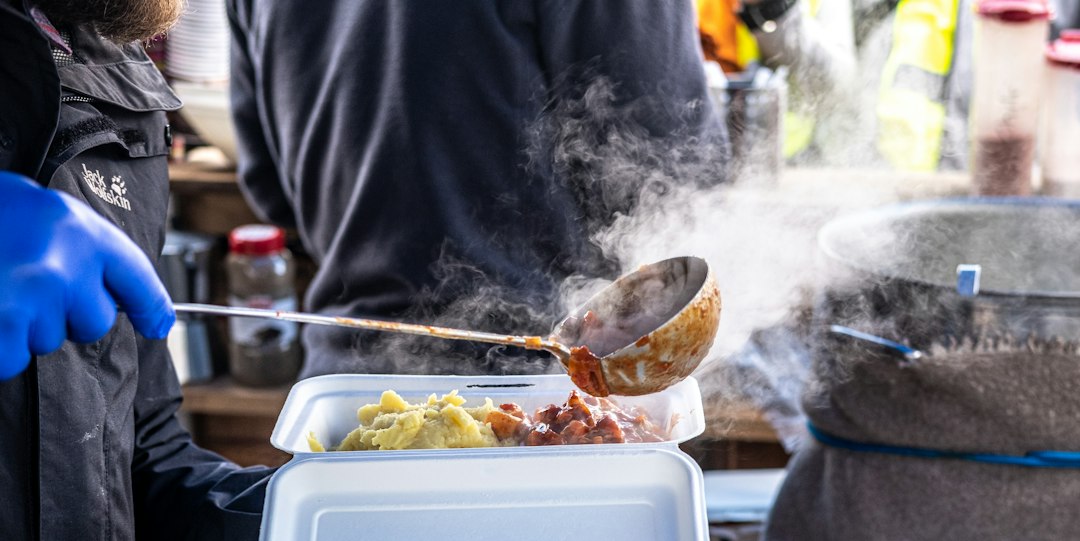
The dish itself is disarmingly simple. Shredded turkey meat piled over steamed rice, doused in the bird’s own rendered drippings, served with a sliver of pickled daikon on the side. The difference between a forgettable version and a transcendent one comes down to the fat. The best shops render the drippings slowly until they carry a faint sweetness, almost caramelized, that soaks into the rice and turns the whole bowl golden.
The debate is about which shop does this best. Guo’s Chicken Rice has been at it since 1945 and has the kind of following that doesn’t need a sign out front. Chiayi Fountain Chicken Rice, established in 1949, sits near the night market’s iconic golden pitcher statue and draws a steady line. Liu Li Zhang got the Netflix bump from Street Food Asia and handles the attention with the weary patience of a place that was already busy.
The correct approach is to try at least two. They cost almost nothing — a bowl runs about 40–50 NTD, roughly a dollar fifty — and the differences are real enough to have an opinion about by the second round.
While you’re building that opinion, order a side of braised pork belly or a bowl of miso soup with fried tofu. The turkey rice shops all run tight menus, but what’s on them tends to be quietly excellent.
After Dark on Wenhua Road
Wenhua Road Night Market runs about 400 meters from Fountain Circle — marked by that golden baseball pitcher statue, a nod to Chiayi’s reputation as a baseball city — south to Minzu Road. It’s a 15-minute walk east of the train station, and it operates on its own clock. Things start warming up around 5:30 PM and don’t really hit their stride until after 7.
What sets Wenhua Road apart from bigger night markets in Taipei or Kaohsiung is the ratio of locals to tourists. On a weekday evening, you might be the only visitor in the crowd, which changes the energy entirely. Nobody’s performing. The stall operators are feeding their regulars.
Smartfish — Lin Congming Claypot Fish Head, if you want the full name — is the marquee attraction. A whole fried milkfish head arrives in a clay pot with braised pork belly, cabbage, mushrooms, and soft tofu swimming in a rich, faintly spicy broth. It was already a Chiayi institution before Netflix showed up, and the wait on weekends can stretch past an hour. Go on a Tuesday.
Beyond the headliner, the market rewards wandering. Scholar cakes — steamed rice cakes pressed into the shape of ancient scholar hats — are subtler than they look, with a delicate sweetness that creeps up on you. The fried snails come tossed with basil and garlic, chewy and fragrant. Luwei stalls sell braised everything — duck heads, organs, vegetables — in a dark, fragrant soy sauce that somehow works on all of it equally.
The soy milk stand opens at 5:30 PM and runs until noon the next day, which tells you everything about who this market is really for.
Up the Mountain: Alishan Without the Clichés
Yes, you should go up to Alishan. The question is how deep you go.
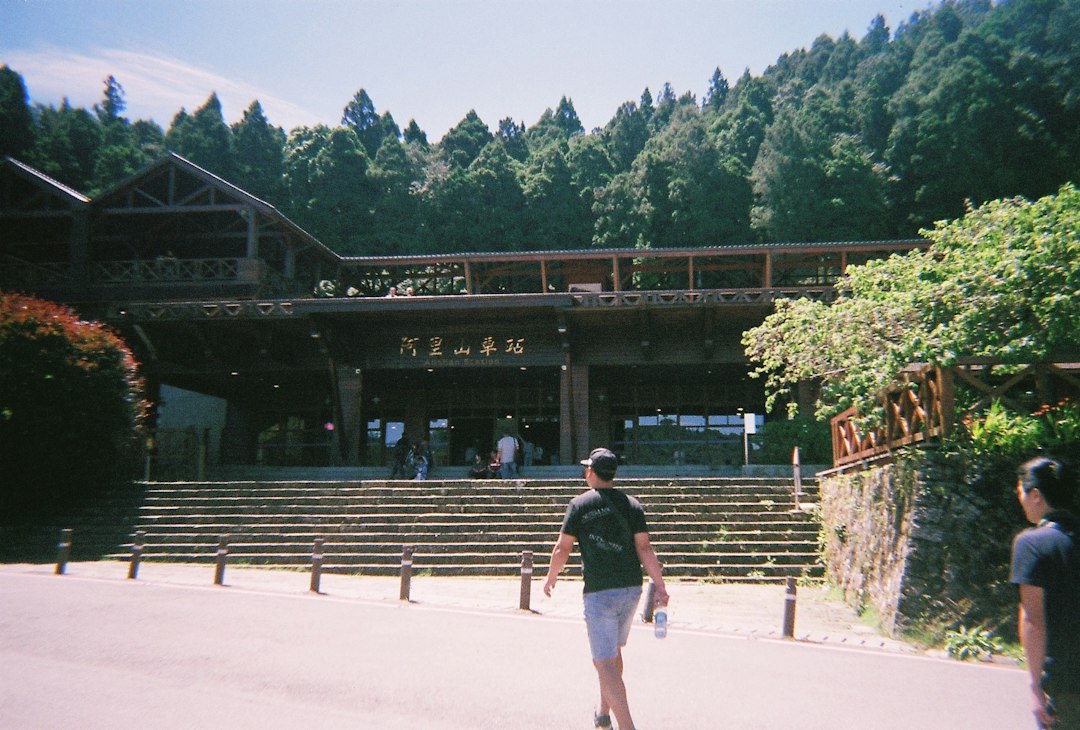
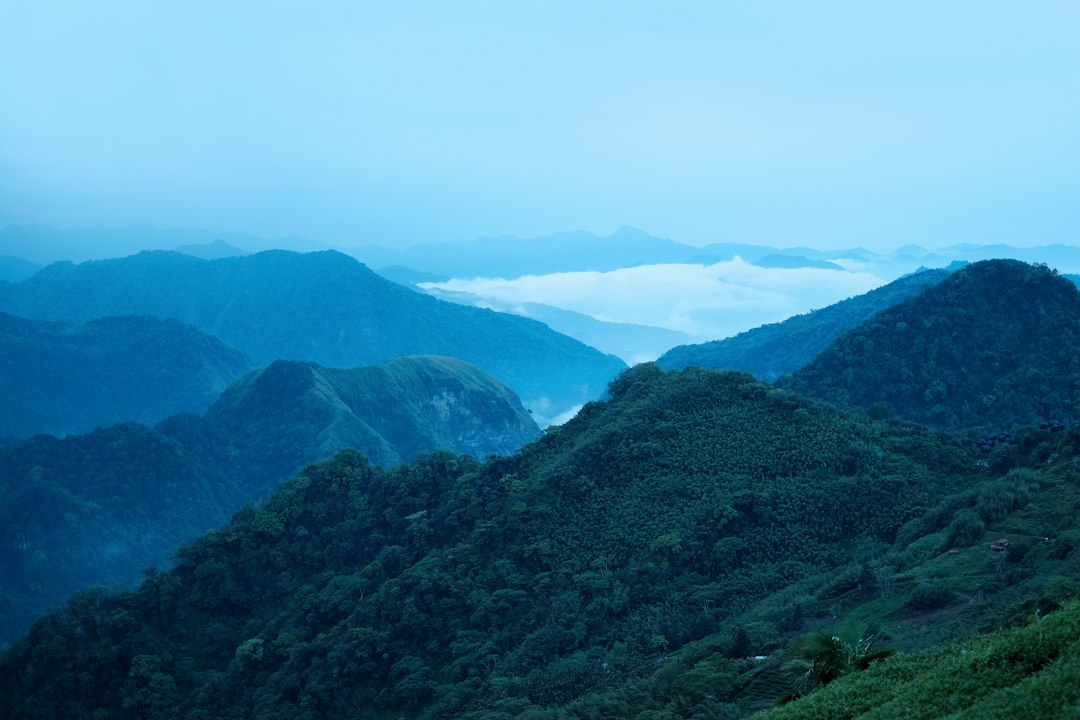
The standard move is the forest railway, and it’s worth doing properly. The Alishan Express and the Jungshing Express are the sightseeing trains on this line, and the ride climbs through three climate zones — tropical plains, subtropical forest, and misty temperate cedar groves — in about five hours on the full run to Alishan, including a long stop at Fenqihu. Book ahead: tickets go on sale up to 15 days before travel, and seats go quickly.
→ Book the Alishan Forest Railway scenic experience on GetYourGuide
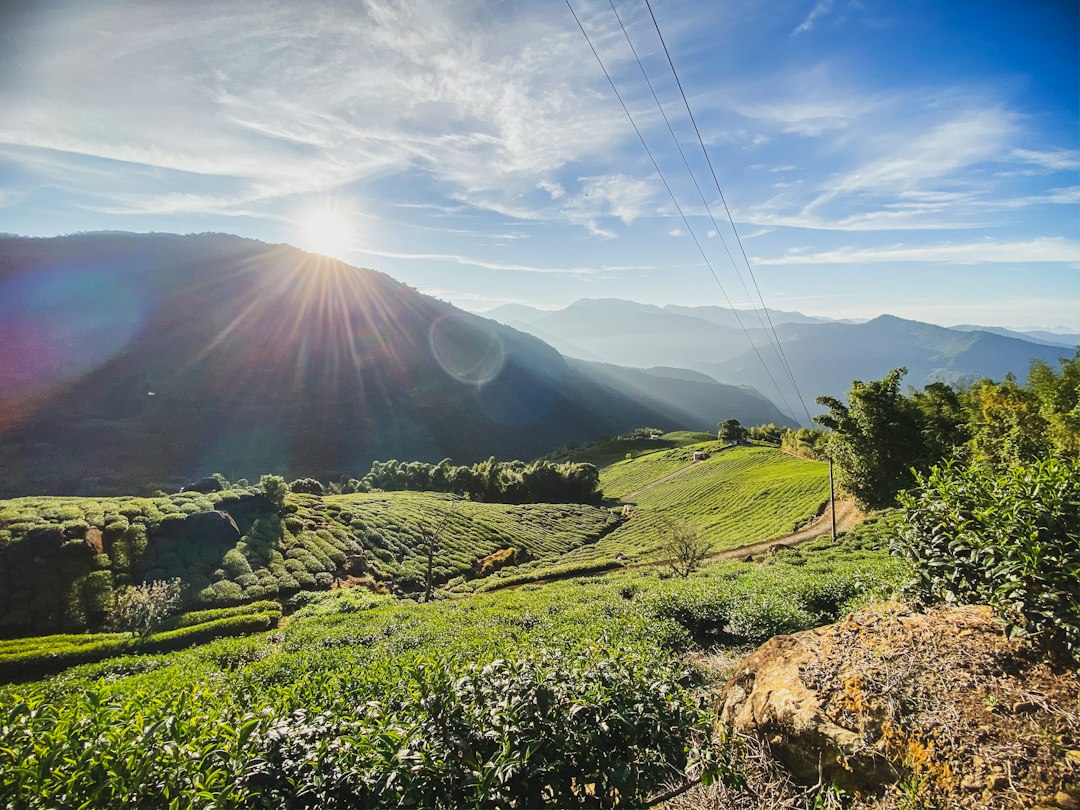
But the part most visitors miss is the tea. Alishan’s high-mountain oolong grows between 1,200 and 1,500 meters above sea level, and the altitude does something remarkable to the leaves. The cooler temperatures slow growth, concentrating flavor and producing a tea with a floral complexity and a lingering sweetness that lowland tea can’t match. The Qingxin cultivar is the star — fruity, layered, with an aftertaste that just keeps going. Jinxuan, the other major cultivar, trades some of that complexity for a milky, almost buttery texture that makes converts of people who thought they didn’t like oolong.
The villages of Shizhuo and Zhangshuhu are the epicenter. You can visit tea farms directly, taste with the growers, and buy at prices that make the tourist shops in Chiayi city look like a surcharge. Some farms — Cuiti Guesthouse, Longyun Leisure Farm — offer overnight stays, which means waking up in a tea plantation wrapped in cloud at 5 AM. Not a bad deal.
→ Explore Alishan tea plantation tours on GetYourGuide
The lesser-known find is Alishan’s honey-scented black tea. It develops its sweetness naturally, triggered when tiny leafhoppers bite the leaves and the plant’s immune response produces aromatic compounds. No additives, no flavoring — just a bug and a biochemical reaction producing something that tastes like liquid honey. Ask for it specifically; most tea shops carry it but don’t lead with it.
The Quieter Hours
Chiayi’s best hours might be its earliest ones.
The East Public Market has operated since the Japanese era, and its rhythms haven’t changed much. By 7 AM the covered stalls are serving rice porridge, marinated meats, and sticky rice bundles to a crowd that includes retirees, construction workers, and schoolkids. Some vendors have held the same stalls for decades. The market runs through lunch and then goes quiet, as if it’s conserved all its energy for the morning.
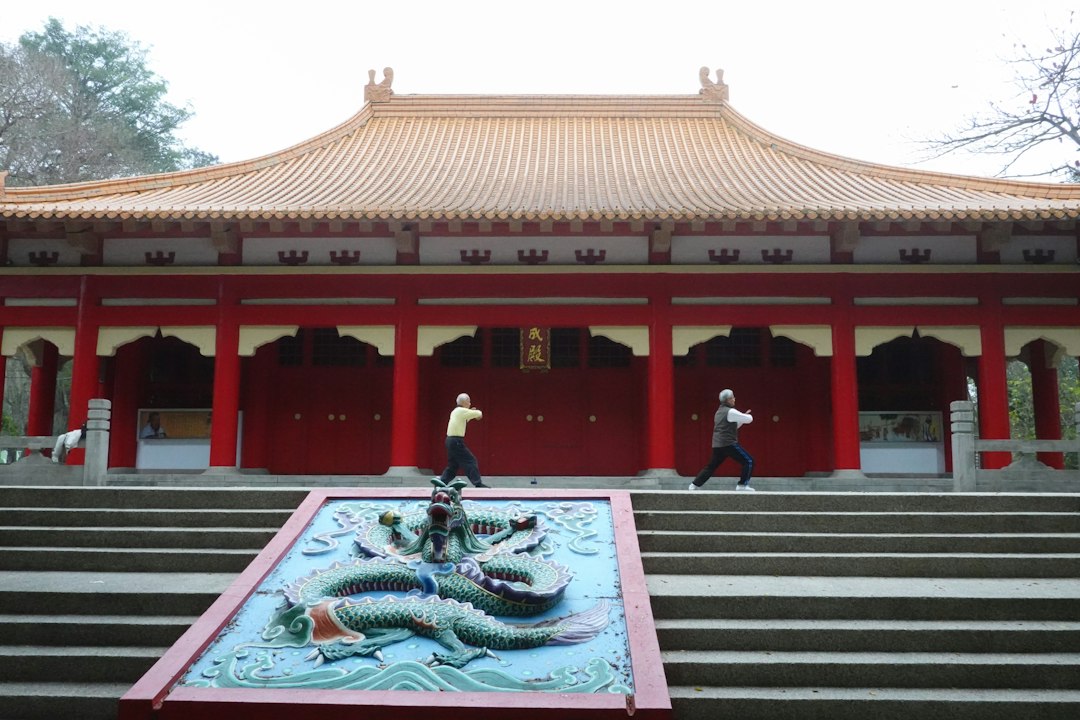
Inside Chiayi Park, the Showa J18 historical relics museum occupies a restored Shinto shrine annex that most visitors never find because they’re already on a bus to Alishan. You can rent a kimono for photographs, drink matcha in the heritage tearoom, and spend an hour in a building that does more for understanding the Japanese colonial period than any plaque could. It’s one of those places that works precisely because almost nobody is there.
The park itself is worth the walk — the Sun Shooting Tower rises above the tree canopy, there are fountains and small temples tucked along the paths, and the whole space has the feel of a city that maintains its green spaces for its residents, not its visitors.
If you have a morning before your train, walk from the park to Beimen Station to Hinoki Village. It takes about forty minutes at a comfortable pace, and you’ll pass through residential neighborhoods that look exactly like what they are: a midsized Taiwanese city going about its Tuesday.
Where to Stay and When to Go
Near Fountain Circle and Wenhua Road. If the food scene is your priority — and in Chiayi, it probably should be — staying within a few minutes’ walk of the night market saves you a nightly decision about transportation. The Green Hotel sits right in the zone, and several clean mid-range options cluster around the same blocks.
→ Browse hotels near Wenhua Road Night Market on Booking.com
Near Chiayi Train Station. Better for early forest railway departures and for reaching Hinoki Village on foot. The area has more modern business hotels, including the Loft Hotel, which hits the sweet spot between character and reliability.
→ Browse hotels near Chiayi Station on Booking.com
Alishan guesthouse stays are worth a night if you want to wake up inside a tea plantation. Cuiti Guesthouse and Longyun Leisure Farm both combine farm-stay charm with direct access to the growing terraces.
→ Browse Alishan guesthouses on Booking.com
Timing: November through March is the window. Winter temperatures sit around 23°C with rain so rare it barely registers, and the city’s outdoor food culture works best when you’re not fighting tropical heat. March adds cherry blossoms at Alishan and, in 2026, Chiayi hosted the Taiwan Lantern Festival — a massive event with 16 themed zones and drone shows that transformed the city for two weeks. If fireflies are your thing, the Guanghua Trail near Meishan peaks in late April to early May with thousands of glowing trails through the forest.
Avoid June through September. The heat is punishing, the rain is real, and typhoon season adds a layer of unpredictability that experienced travelers in the region already know to respect.
Plan Your Trip to Chiayi
Best time to visit: November through March — cool, dry days ideal for night markets, timber walks, and Alishan day trips.
✈️ Getting There
Search flights to Taiwan Taoyuan (TPE) on Skyscanner
🏨 Where to Stay
- Hotels near Wenhua Road Night Market — steps from the food scene that makes this city worth the stop
- Alishan mountain guesthouses — wake up in a tea plantation at cloud level
🎟️ What to Book in Advance
- Alishan Forest Railway scenic train
- Alishan tea plantation and cultural tour
- Browse more Chiayi experiences on Viator
Some links in this post are affiliate links. If you book through them, CuriosityTrail earns a small commission at no extra cost to you. Recommendations are chosen on merit; commissions never decide what’s included.