Killarney Without the Ring of Kerry: Where to Walk, Eat, and Listen
Quick Essentials
- 📍 Best Time to Visit: Late April through early June — long evenings, manageable crowds, and the national park at its greenest
- ✈️ Getting There: Search flights on Skyscanner | Direct to Kerry Airport from London, Frankfurt, and Dublin; or fly into Cork (90 min drive)
- 🏨 Where to Stay: Browse Killarney hotels on Booking.com
- 🎟️ Don’t Miss: Gap of Dunloe boat and bus tour on GetYourGuide
- 💰 Budget Range: €120–€200 per day for mid-range to comfortable travel
Every summer, a procession of coaches loops the Iveragh Peninsula and calls it Killarney. They park in the town for a night, maybe two, eat dinner somewhere with a laminated menu, and leave before the national park has had its morning fog. The Ring of Kerry is scenic — nobody’s arguing that — but treating Killarney as a waypoint for the drive misses the point entirely.
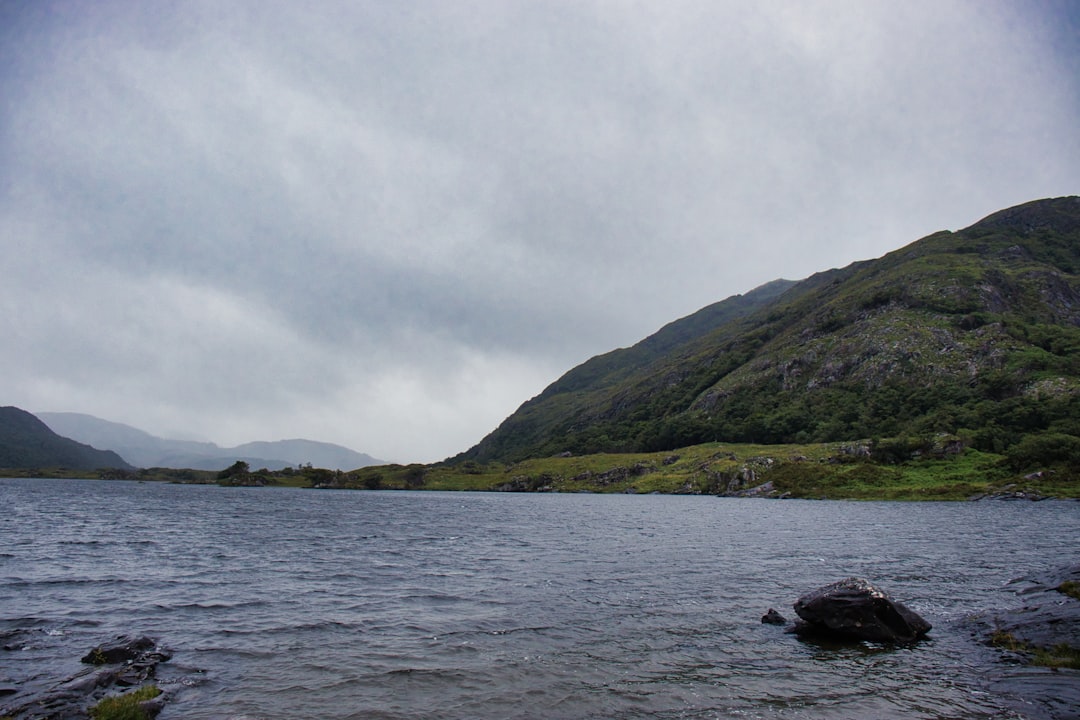
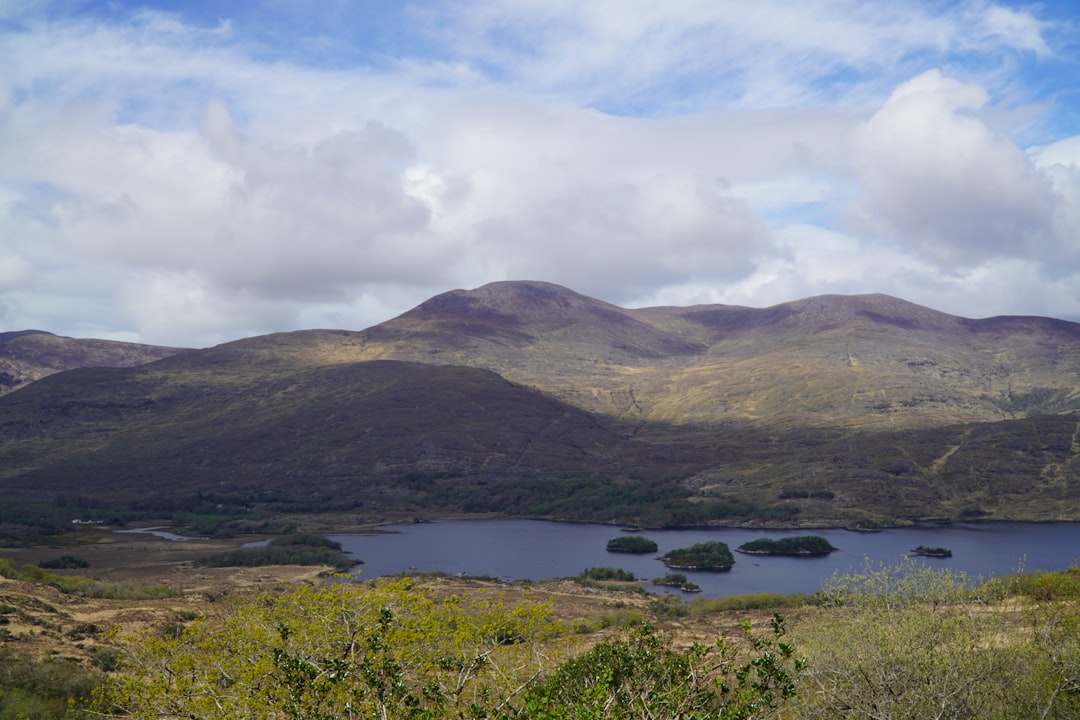
The town itself sits at the edge of Ireland’s oldest national park, 10,000 hectares of ancient oak woodland, three interconnected lakes, and mountain trails that range from a gentle lakeside amble to a scramble up Purple Mountain. There are pubs where the trad sessions start after ten and don’t wrap until the barman decides they should. There are walks that take you into valleys where you won’t see another person for hours. And there’s a food scene that’s quietly outgrown its tourist-town reputation.
This is a guide for the traveler who’s done the obvious Ireland — the Cliffs of Moher selfie, the Galway pub crawl, maybe even the Ring of Kerry itself — and wants to know what happens when you actually stay in Killarney long enough to get comfortable.
When the Light Is Right: Timing Your Visit
Killarney’s tourist season runs from June through August, and with it comes full hotels, Ring of Kerry gridlock, and pub crowds thick enough to make trad music feel like a spectator sport. The town handles it well — this is a place that’s been hosting visitors since the Victorian era — but the experience is different.
Late April through early June is the sweet spot. Daylight stretches past 9pm by mid-May, the rhododendrons in Muckross are absurd, and the national park trails are quiet enough to hear actual birdsong. September is the other golden window: summer crowds dissipate, the walking conditions are excellent, and hotel rates ease off their July peak.
If you want to time a visit around something specific, The Gathering Festival in early March draws serious trad musicians from across Ireland for a week of concerts, céilís, and late-night sessions. The Wander Wild Festival in mid-April fills the national park with guided hikes, sunrise lake swims, and kayaking. And the Killarney Races in July — five days of flat racing in a town that takes its horses seriously — are worth knowing about even if racing isn’t your thing, because the atmosphere in town during race week is electric.
Where to Sleep Well in Killarney
Killarney is a small town with an outsized number of hotels, and the quality range is wider than you’d expect. Location matters more here than star ratings — staying in the town centre means you can walk home from the pubs, while staying on the Muckross Road puts you at the national park’s doorstep.
The Killarney Royal Hotel sits in the centre of town, a boutique four-star townhouse where the rooms are comfortable without trying too hard and the Candle Room restaurant means you don’t need to go out if you’d rather not. It’s the kind of place that knows exactly what it is. Walking distance to everything that matters. → Killarney Royal Hotel on Booking.com
Cahernane House Hotel is the splurge pick, and it earns it. A Victorian manor on its own grounds where the Muckross Road meets the national park, quiet enough that you’ll hear the trees, but still a ten-minute walk into town. The gardens alone are worth an afternoon. Boutique without the formula. → Cahernane House Hotel on Booking.com
For travelers with a car who want to retreat from the town buzz at night, Aghadoe Heights overlooks Lough Lein from a hilltop ten minutes outside Killarney. The views from the spa alone justify the drive. But know that you’ll need that car every time you want dinner in town or a pint after a session. → Aghadoe Heights Hotel on Booking.com
The Walks Worth Lacing Up For
This is the section that justifies staying in Killarney. The national park is Ireland’s oldest — protected since 1932 — and the trail network runs from wheelchair-accessible lakeside paths to full-day mountain routes that require proper navigation. You don’t need a car for any of the best walks. Many start from the town centre or a short taxi ride away.
The Old Kenmare Road is the one to prioritise. A historic route that once connected Killarney and Kenmare before the modern N71 was built, it runs about 20 kilometres through the national park uplands. You don’t need to do the full thing — the section starting from the Upper Torc car park follows the Owengarrif River across wooden bridges, through oak woodland, and along boardwalks and stepping stones. Two to three hours, depending on how often you stop to look at things. Bring proper hiking boots; the terrain earns them. → Guided Killarney National Park walks on GetYourGuide
Ross Island and Library Point get overlooked because most visitors stop at Ross Castle, take a photo, and leave. That’s a mistake. The Library Point Trail continues through secluded woodland along the lakeshore — one of the longer linear walks in the park and arguably the most quietly impressive. Bring binoculars if you have them; the birdlife is excellent.
Tower Wood Waterfall is the hidden gem that locals mention reluctantly. A short walk through the oak forests leads to a waterfall that most park visitors have no idea exists. It won’t take your whole day, but it will take your breath for a moment.
For something more ambitious, the Torc to Incheens route forms part of the Kerry Way and takes about two hours through the uplands. Rustic boardwalks, river stepping stones, rocky patches — proper hill walking without committing to a full-day mountain route. And if a full-day mountain route is what you want, Mangerton Mountain delivers: a six-to-seven-hour loop taking in four mountain lakes including the Devil’s Punchbowl, with sections where no trail exists and good fitness is non-negotiable.
The Gap of Dunloe, strictly speaking, isn’t a walk — it’s an experience. The classic route takes you by bus to Kate Kearney’s Cottage, then you walk (or take a pony trap) through the gap itself, and return to Killarney by boat across the three lakes. It’s touristy by Killarney standards, but the landscape is genuinely dramatic and the boat ride back through the lakes is the best way to understand why this national park exists. → Gap of Dunloe boat and bus tour on GetYourGuide
The Sessions: Killarney’s Pub Music Scene
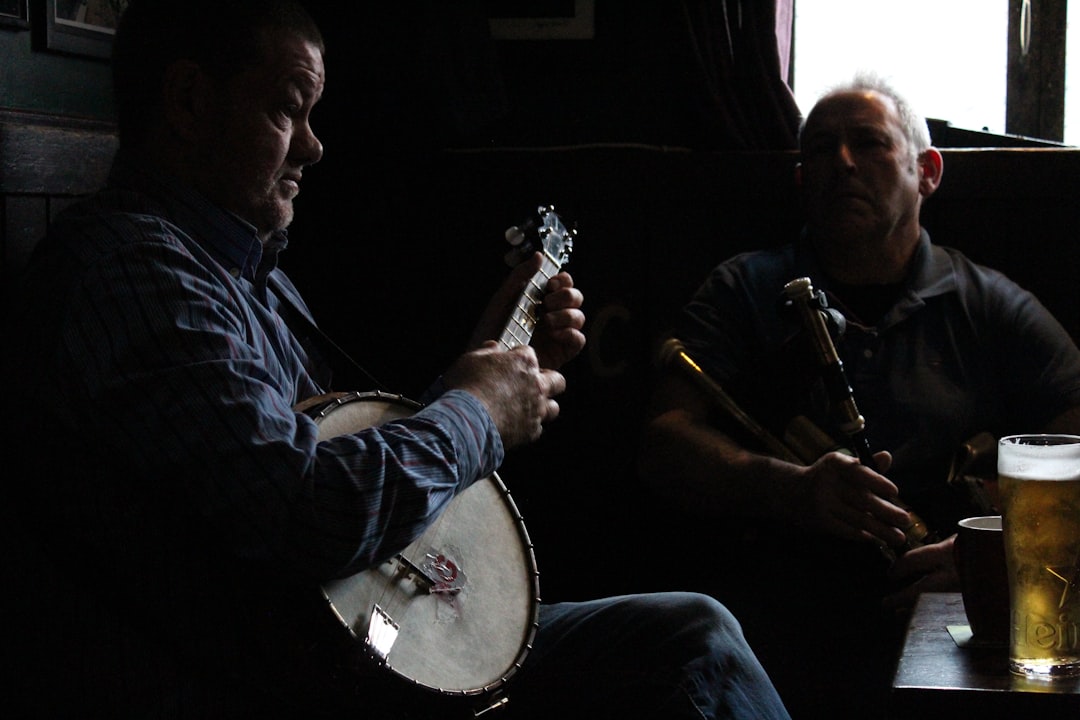
Trad music in Killarney isn’t performed for you. It happens near you, and if you’re quiet enough and your pint is full, you’re welcome to it. The distinction matters. These aren’t concerts with set lists — they’re sessions, and the musicians are playing for each other as much as for anyone else in the room.
Courtney’s Bar is where to start. It dates to the 1800s, it’s small enough that you’ll hear the fiddle strings squeak, and the Friday trad sessions run year-round. During summer, sessions extend to Wednesday and Thursday nights. Get there early enough to find a seat — this isn’t a pub that expands to meet demand.
Murphy’s Bar has been a family-run fixture for over sixty years, right in the heart of town. The weekly trad sessions draw local musicians who rotate between Killarney’s pubs on different nights. The quality is consistently high, and the atmosphere is more relaxed than Courtney’s — a good choice if you want elbow room with your music.
The Danny Mann leans into the experience more deliberately — this is the pub most likely to have dancing alongside the music, and the energy on a good night is infectious. It’s been entertaining locals and visitors for over seventy years, and the staff know how to keep a room moving.
The trick with Killarney’s music scene is that most bands rotate between pubs on different nights. What’s on at Courtney’s on Wednesday might be at Murphy’s on Thursday. Ask at whatever pub you’re in — the barman will know who’s playing where tonight, and that recommendation is worth more than any listing.
The Table: Where to Eat in Killarney
Kerry lamb grazed on mountain herbs. Dingle Bay seafood that was swimming this morning. Boxty that your grandmother would have opinions about. Killarney’s food scene has outgrown its tourist-town origins, and the best places are cooking with genuine pride in local ingredients.
Cronins on College Street has been at it since 1957, and the consistency shows. The service is slightly more formal than you’d expect in Killarney, the presentation is excellent, and the Kerry chowder — thick, creamy, loaded with local fish — is the standard against which other chowders in town should be measured. The oak-smoked salmon starter is worth the extra few minutes of deliberation.
Bricín is the boxty destination. Irish potato pancakes with various fillings — get the chicken and tarragon, which manages to be both hearty and refined. It’s a local institution for a reason, and the kind of place where you’ll notice more locals than tourists at the next table.
The Mad Monk does the best seafood in town, sourced from Dingle Bay. The wild squid with sweet chilli jam is the starter to order, and the seared Aran Islands scallops are exactly as good as they sound. Main courses lean toward prawn scampi and tagliatelle — uncomplicated, well-executed, fresh.
For something less formal, Quinlan’s Seafood Bar on High Street does fish and chips that justify the walk. Ask for your fish pan-fried in olive oil instead of battered — the locals do, and the locals are right.
And if you’ve walked the Old Kenmare Road and want something that isn’t a pub dinner, The Peregrine at the Killarney Park Hotel holds Killarney’s only Michelin recognition. It’s the splurge meal, and it’s earned.
Beyond the Town Limits
Killarney works well as a base for day trips, though the temptation is to fill every day with driving when the walking is right outside your door.
The Black Valley sits at the head of the Gap of Dunloe and offers an 11-kilometre loop walk along a section of the Kerry Way. It’s quieter and more remote than anything in the national park proper — the kind of valley where the sheep outnumber the humans and the silence has weight to it.
The Dingle Peninsula is an hour’s drive and worth a full day. Slea Head Drive is the scenic route — dramatic coastline, beehive huts, views of the Blasket Islands — but the town of Dingle itself, with its harbour and its food scene, is reason enough to go. Time it for a clear day if you can.
And if the Skellig Ring interests you — the coastal road with views of Skellig Michael — it’s accessible as a day trip from Killarney, either self-driven or as part of a guided Ring of Kerry tour that actually stops at the interesting parts rather than just driving past them. → Ring of Kerry guided day tour on GetYourGuide
Ready to Plan Your Trip to Killarney?
You’ve done the reading. Here’s everything you need to make it happen.
Some links in this post are affiliate links. If you book through them, CuriosityTrail earns a small commission at no extra cost to you. Recommendations are chosen on merit; commissions never decide what’s included.