Nassau Beyond the Cruise Port: A Slower Guide to the Bahamian Capital
Quick Essentials
- 📍 Best Time to Visit: Mid-January through mid-April — dry, breezy, and the locals are back from the holidays, so the city feels inhabited rather than merely visited.
- ✈️ Getting There: Search flights to Nassau on Skyscanner | Direct from Miami, New York, Toronto, Charlotte, and Atlanta
- 🏨 Where to Stay: Browse downtown Nassau hotels on Booking.com
- 🎟️ Don’t Miss: Downtown Nassau walking tour with a Bahamian historian on GetYourGuide
- 💰 Budget Range: $180–$350 per day for two, staying downtown and eating outside the resort corridor
Why Nassau Rewards the People Who Stay Longer Than Four Hours
Most people who have been to Nassau have not, in any meaningful sense, been to Nassau. They have been to a cruise terminal, a duty-free mall, and a beach chair. That isn’t meant to be snide; it’s an easy trap, and it takes a second trip to understand what was missed.
Nassau is a working capital city of roughly 275,000 people, built on a narrow ridge of limestone between two harbors. It has a Parliament that has been meeting since 1729. It has a rum distillery in a 1789 estate house. It has neighborhoods that tell the story of the Bahamas the way Charleston tells the story of the Lowcountry, if you know where to walk and who to listen to. None of that is visible from a lounger at Cable Beach.
This is a post for the traveler who has done the Caribbean the obvious way at least once, and is curious what a slower pass at Nassau actually feels like. You will not need a rental car. You will not need a resort wristband. You will need comfortable shoes, a willingness to sweat, and somewhere between three and four days.
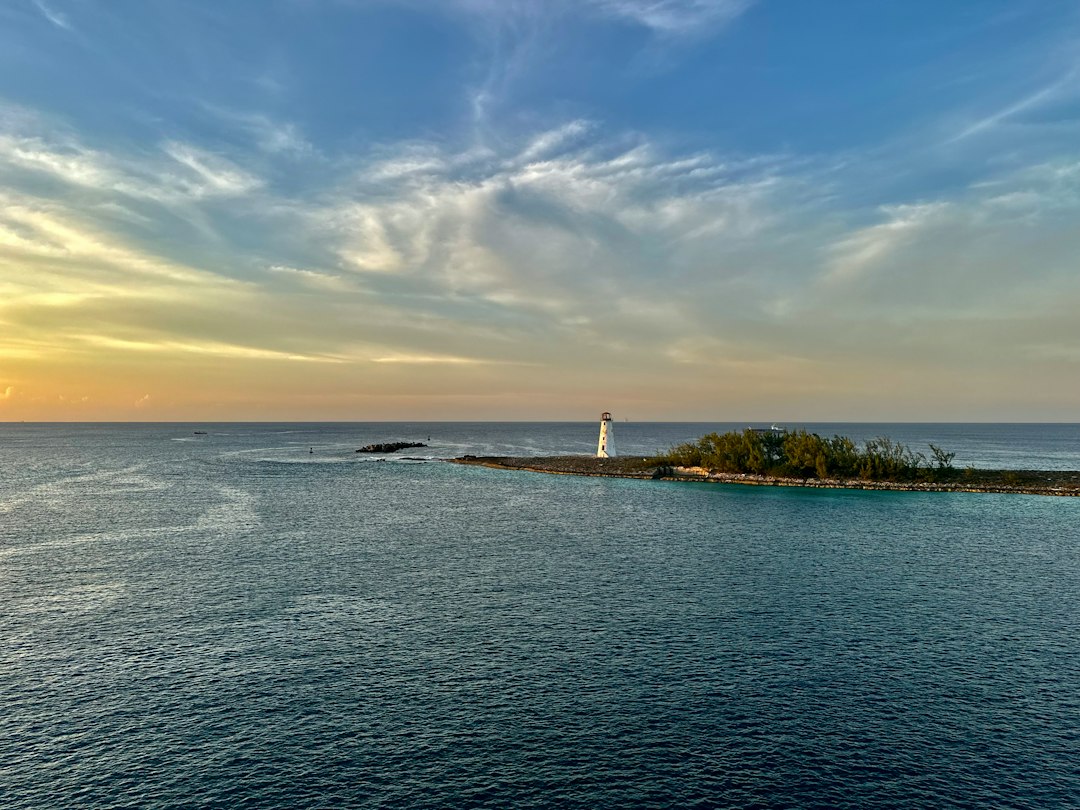
Photo by James Lo on UnsplashWhen to Come (and When Not To)
The usable window is roughly mid-December through mid-April. Trade winds, dry air, highs in the high 70s, and the kind of light you start noticing on the third day. From mid-January on, you also avoid the brief but real holiday rush and catch the city in its everyday rhythm.
May and early June are still fine if you don’t mind a little humidity. After that, I wouldn’t plan a Nassau trip without hurricane insurance and a flexible ticket. The peak risk runs August through October. The rainy afternoons aren’t the problem. The problem is a tropical system parked over the Bahamas for a week, and you don’t want your slow-travel week to become a FEMA update.
If you can align your trip with Junkanoo, do it. The main parades are in the early hours of Boxing Day and New Year’s Day — I mean very early, two in the morning, Bay Street closed off, goatskin drums and cowbells and brass and costumes that crews work on all year. There’s a smaller summer Junkanoo in early July that’s more manageable if December feels like a stretch. Either one reframes the whole city. You’ll understand why Bahamians describe Junkanoo not as an event but as an identity.
Where to Stay in Downtown Nassau — Not Cable Beach, Not Paradise Island
I’ll say this clearly because it goes against the grain of almost every Nassau recommendation you’ll find online: don’t stay at Atlantis or Baha Mar unless the resort is the entire point of the trip. They are fine at what they do. They are also forty minutes and a $30 cab ride from the actual city, and they are designed to keep you on property.
Stay downtown. Walk to dinner. Walk to Parliament Square in the morning before the ships arrive.
Graycliff Hotel, West Hill Street. This is the splurge, and it earns it. An 18th-century mansion tucked above the downtown core, with a cellar of around 250,000 bottles, a working cigar factory on the property, and a chocolate atelier in the back garden. The rooms each have a story — some of them have two — and the whole place feels more like a private estate you’ve been lent for a few days than a hotel. Five minutes on foot to Parliament Square. Ten to the harbor. The kind of place to book when you feel like paying for atmosphere and getting it.
→ Graycliff Hotel on Booking.com
The British Colonial, Bay Street waterfront. The grand old pink waterfront hotel at the west end of Bay Street, recently reopened after a long renovation and worth a look again. You’re directly on the harbor, a three-minute walk from the cruise port and the Straw Market, and ten minutes from Graycliff if you want to go up for dinner. This is the mid-range move — comfortable rooms, a proper pool, and a location that makes walking the city painless.
→ The British Colonial on Booking.com
A downtown guesthouse or short-term rental above Bay Street. If you like the idea of actually living in the city for a week, look at the side streets climbing the hill south of Bay — Cumberland, Parliament, West Hill, Market Street. These are old Bahamian neighborhoods, genuinely walkable, genuinely quiet at night once the ships leave, and priced well below the resort corridor. Check the reviews carefully for air conditioning and water pressure; both are non-negotiable in Nassau.
→ Downtown Nassau guesthouses on Booking.com
The Walk Everyone Skips: Downtown, Over-the-Hill, and the Quiet Fort
Here’s the thing about Nassau that almost nobody from the ships figures out: the entire historic core is small enough to walk in a morning, and the walk is much more interesting than anything you can book through a shore-excursion desk.
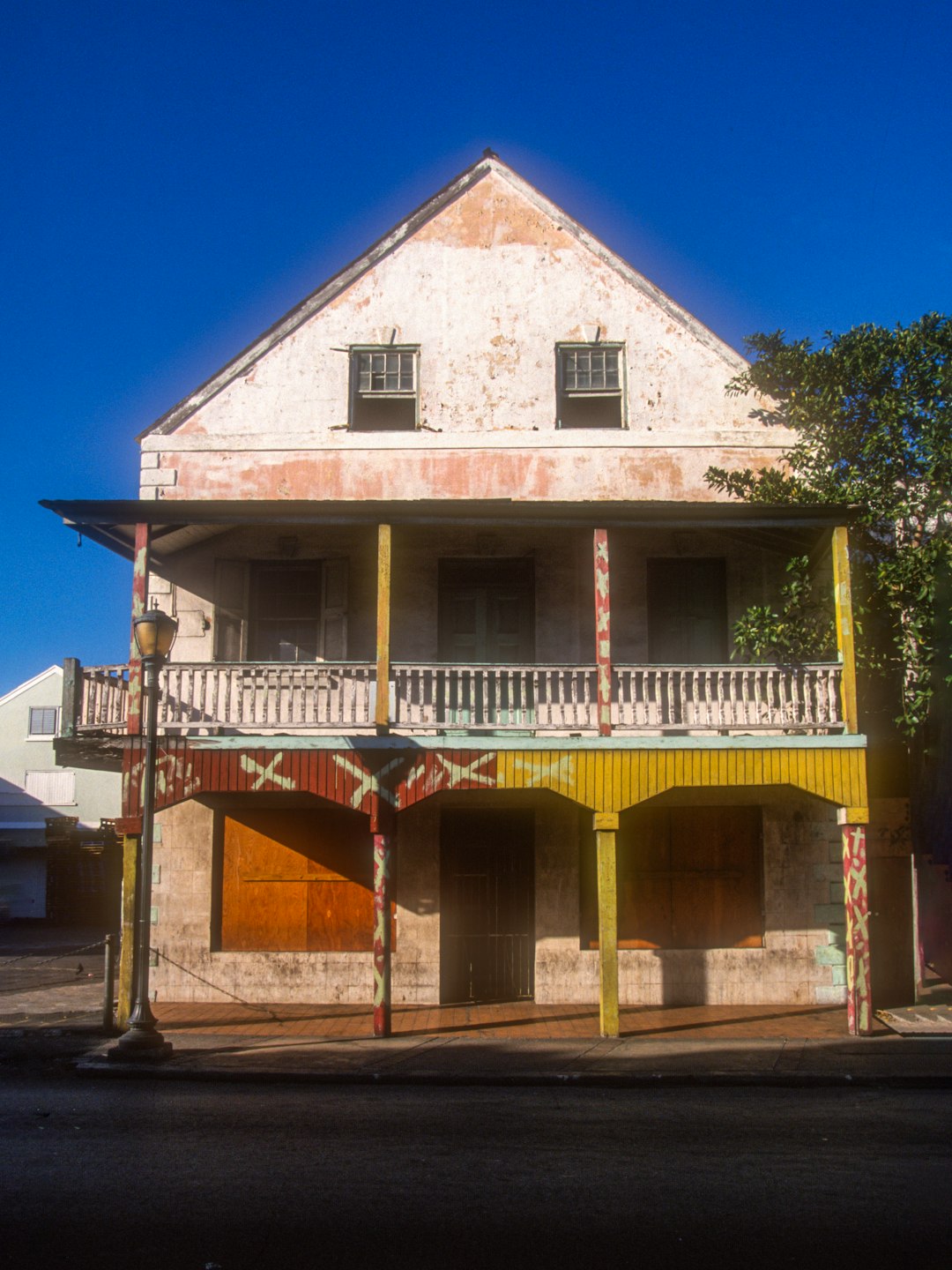
Start early. I mean by 7:30 am. The cruise ships don’t open their gangways until eight or nine, and between 6:30 and 8:30 you can have Parliament Square — the pink Georgian government buildings and the statue of Queen Victoria — almost to yourself. From there, climb the Queen’s Staircase: sixty-six limestone steps carved out of the rock by enslaved laborers in the late 18th century. They lead up to Fort Fincastle, a small paddle-steamer-shaped fort with a 360-degree view of the harbor, Paradise Island, and the pastel grid of the city below. Half an hour total, and you’ve seen something most visitors never will.
Then, and this is the part I’d build the whole day around, go on a proper downtown walking tour with a Bahamian guide. The best ones cover the colonial core and then cross Gregory Arch into Over-the-Hill — the historic Black Bahamian neighborhoods of Grant’s Town and Bain Town, built by freed Africans in the 19th century. You’ll see the Educulture Junkanoo Museum on West Street, which is essentially one man’s life’s work documenting Junkanoo heritage. This is the context almost no cruise passenger gets, and it completely reframes what you think Nassau is. Go with someone who grew up here.
→ Nassau Over-the-Hill walking tour on GetYourGuide
John Watling’s Distillery is ten minutes on foot from the cruise port and is the most under-attended highlight in downtown Nassau. It occupies a restored 1789 plantation estate on West Hill Street — lime-washed walls, mango trees, a small gift shop, and a quiet tasting bar. The self-guided tour is free. Try the Pale rum. Walk back down the hill with a bottle.
→ John Watling’s Distillery tour on GetYourGuide
If you have a fourth day and a taste for something genuinely serious, Clifton Heritage National Park on the island’s western tip is worth the cab ride (or an organized tour). You’ll find Lucayan petroglyphs, the ruins of a colonial plantation, and the haunting Genesis sculpture commemorating the Africans brought here in chains. It’s quiet, under-visited, and among the most historically honest sites in the Caribbean.
→ Clifton Heritage National Park tour on GetYourGuide
Eating Bahamian: Conch, Duff, and Arawak Cay After Dark
Most visitors to Nassau eat badly, and it’s not the food’s fault. They eat at the resort buffet, or at the chain on Bay Street, or at the cruise-terminal bar. Walk five extra minutes in any direction and the city opens up.
Conch salad at Potter’s Cay. Potter’s Cay is the working fish market under the Paradise Island bridge. A dozen small stalls make conch salad in front of you — diced raw conch, sour orange, lime, onion, bell pepper, goat pepper if you can handle it, and a splash of the juice from the fruit. This is the real version. The one at the resort poolside isn’t the same thing. Go at lunch, order a Kalik beer, and take it to a plastic table looking at the harbor.
Arawak Cay (“the Fish Fry”). A cluster of brightly painted shacks a ten-minute walk west of downtown, where locals come at night to eat cracked conch, fried snapper, peas ‘n rice, and johnny cake, and drink sky juice — gin, sweetened coconut water, condensed milk, nutmeg. Twin Brothers and Goldie’s are the two names people will tell you first, and neither will disappoint. Cash-friendly, loud on weekends, deeply Bahamian, and the exact opposite of a resort dining room.
Graycliff or Villa d’Este for the slow dinner. If you want one properly considered meal on the trip — three hours, several courses, the hotel’s wine cellar involved — Graycliff is where to have it. It’s not cheap. It is, however, the kind of experience that justifies itself. Book ahead.
Guava duff. Dessert. A steamed pastry rolled around guava and served with a warm rum butter sauce. It doesn’t really travel, so eat it here. The Bahamian House Restaurant in downtown Nassau does a disciplined version.
John Watling’s rum on the terrace at sunset. A small pour, a view of the city rooftops, and the particular quiet that downtown Nassau has once the last ship leaves at six. This is when the locals come back out. This is when the city is most itself.
Two Day Trips That Are Actually Worth the Boat Ride
The Exumas with the swimming pigs. Yes, it’s Instagram-famous. Yes, it’s still worth doing, provided you book the small-boat operator and not the 100-passenger megaboat. You’ll get to the pigs, Thunderball Grotto (the James Bond cave), a nurse-shark stop, and a sandbar. Full day, early start, long day on the water. Bring reef-safe sunscreen and a rash guard.
→ Exumas swimming pigs small-group day trip on GetYourGuide
Blue Lagoon Island. If the Exumas feel like too much boat time, Blue Lagoon is a twenty-minute ferry from Paradise Island and gives you a calm private beach day without the resort markup. Less spectacular than the Exumas, much less exhausting, and a solid half-day if you want water without logistics.
→ Blue Lagoon Island day pass on GetYourGuide
A Few Practical Notes for the Experienced Traveler
- The cab meter is a negotiation. Nassau taxis are officially metered, but many drivers will quote a flat fare instead. Agree on the price before you get in, and know the rough rates — airport to downtown is roughly $35 for two, downtown to Atlantis is $8–$10 per person.
- The US dollar works everywhere. The Bahamian dollar is pegged 1:1 and you can pay in either. You’ll get change in a mix. Keep the Bahamian bills as souvenirs; they’re lovely.
- Tipping runs slightly higher than Caribbean norms. 15–18% is the floor at a sit-down restaurant. Some places add a service charge; read the bill.
- Stay downtown after dark with common sense, not fear. Bay Street and the immediate tourist core are fine at night. Avoid wandering alone into unfamiliar neighborhoods after midnight, as you would anywhere. An Uber-style app called Bahamas Ride works reliably in the city.
- Water. The tap water is technically potable in most downtown hotels, but most locals drink bottled. Follow their lead.
- Bring reef-safe sunscreen. The Bahamas has tightened regulations around reef-damaging sunscreens, and the good operators won’t let you snorkel wearing the usual brands. Pack accordingly.
Nassau is not a beach. It’s a city with beaches near it, which is a very different proposition, and it rewards the traveler who treats it that way. Give it four days on foot and you’ll see more of the Bahamas than most people see in a week at a resort.
Ready to Plan Your Trip to Nassau?
You’ve done the reading. Here’s everything you need to make it happen.
🏨 Where to Stay
- The British Colonial — mid-range pick, Bay Street waterfront, walking distance to everything downtown.
- Graycliff Hotel — splurge pick, 18th-century mansion on West Hill Street with a legendary wine cellar.
🎟️ What to Book in Advance
- Downtown Nassau + Over-the-Hill walking tour with a local historian
- Exumas swimming pigs and Thunderball Grotto small-group day trip
- John Watling’s Distillery and rum tasting experience
Some links in this post are affiliate links. If you book through them, CuriosityTrail earns a small commission at no extra cost to you. Recommendations are chosen on merit; commissions never decide what’s included.