Seoul for the Experienced Traveler: Markets, Gangnam Energy, and Cultural Layers Worth Slowing Down For
Quick Essentials
- 📍 Best Time to Visit: Late September through early November — the palace grounds turn amber and crimson, the humidity breaks, and the city exhales after a long summer.
- ✈️ Getting There: Search flights on Skyscanner | Direct from Vancouver, LA, San Francisco, and Toronto
- 🏨 Where to Stay: Browse Seoul hotels on Booking.com
- 🎟️ Don’t Miss: Seoul Street Food & Market Walking Tour on GetYourGuide
- 💰 Budget Range: $120–$250 per day for a mid-range to splurge-worthy trip
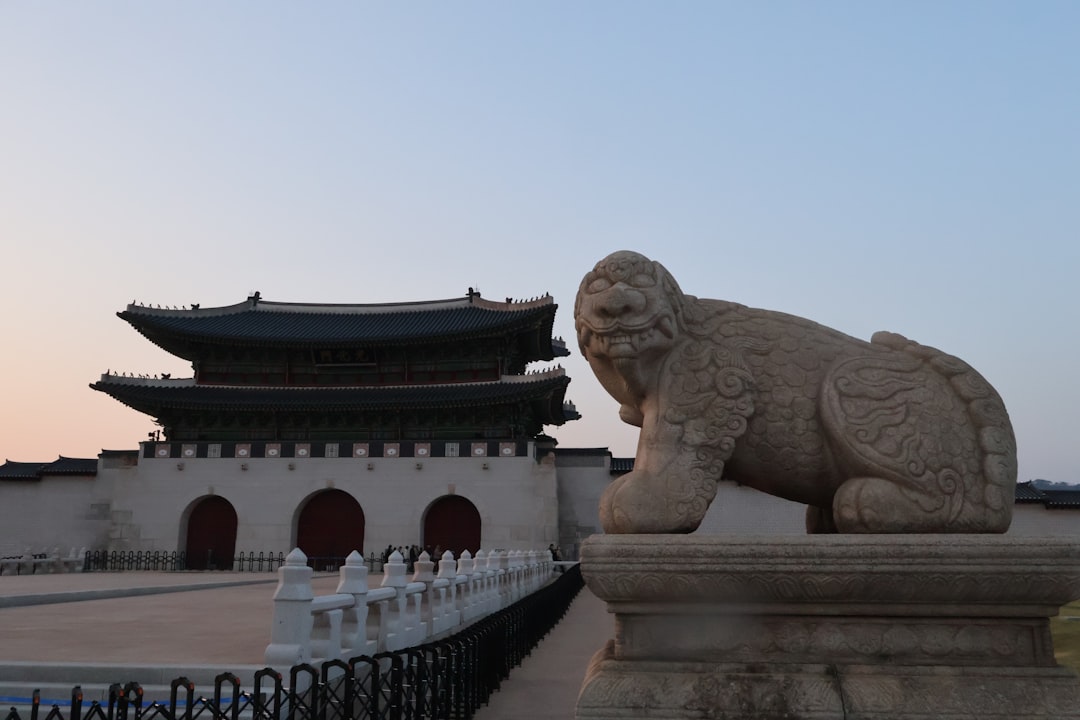
Seoul doesn’t announce itself the way Tokyo does, and it doesn’t have Bangkok’s immediate sensory assault. It takes a day or two to find its rhythm — and then it hooks you. The city layers Joseon-era palace grounds against neon-lit market alleys and glass-towered business districts in a way that somehow never feels jarring. You turn a corner from a 600-year-old gate and you’re standing under LED signage for a fried chicken shop that’s been open since 3 AM.
What makes Seoul worth a week rather than a long weekend is the eating. Not the Instagram food — though that exists in abundance — but the market stalls where a woman has been frying the same mung bean pancakes for thirty years, the basement restaurant with twelve seats and one dish on the menu, the late-night chimaek ritual where fried chicken and cold beer become a kind of civic sacrament. Seoul is a city built for adventurous eating, and the best meals tend to find you in places you weren’t looking.
The other surprise is how walkable the cultural layer is. Gyeongbokgung and Changdeokgung sit within a few kilometers of each other, connected by hanok villages and gallery streets that invite detours. Gangnam — yes, that Gangnam — turns out to be more interesting than its reputation suggests, hiding an 8th-century temple beneath its glass towers. Knowing what not to miss helps focus the experience without over-scheduling it. Seoul rewards the curious, not the completionist.
When the Timing’s Right
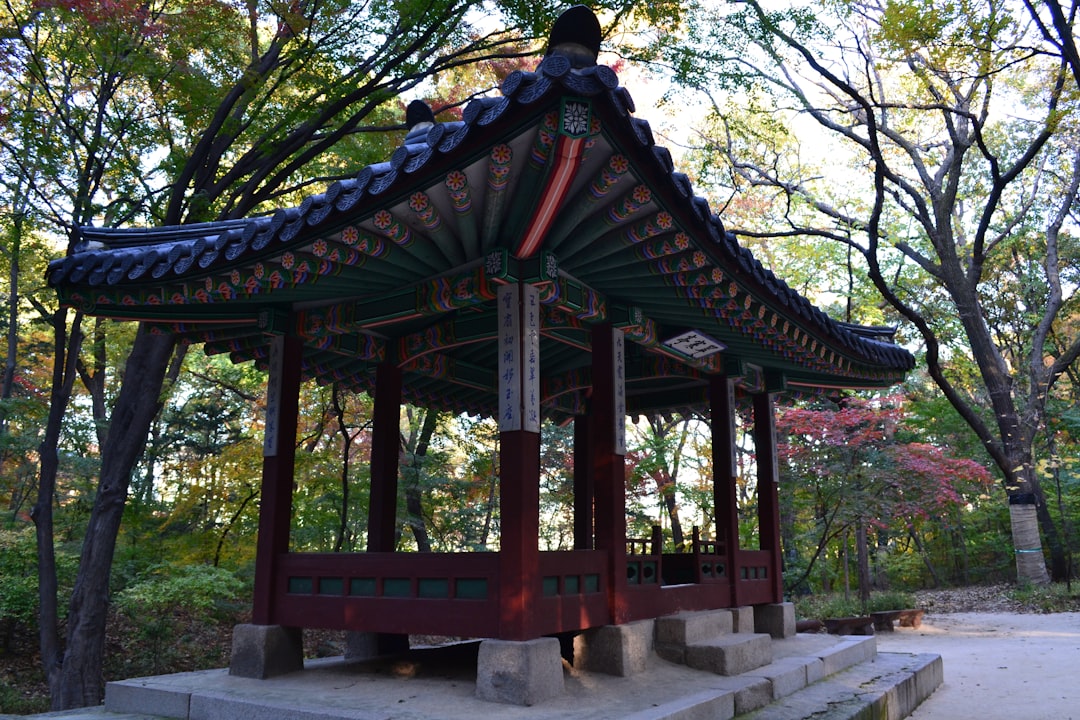
Autumn owns Seoul. Late September through early November brings clear skies, temperatures between 10°C and 20°C, and foliage that transforms every palace courtyard into something worth standing still for. Changdeokgung’s Secret Garden in late October is reason enough to book.
Spring — specifically the first two weeks of April — brings cherry blossoms along the Yeouido riverbank and around the palace walls. It’s beautiful, but it’s also peak season. If you can handle the crowds, early April is stunning. If you’d rather have the city to yourself, October is the move.
A few events worth planning around: the Changdeokgung Moonlight Tour runs April through June and again September through October — a limited-ticket evening walk through the UNESCO palace and its garden. It sells out weeks ahead. The Lotus Lantern Festival in May fills central Seoul with an enormous lantern parade for Buddha’s Birthday. And the Bamdokkaebi Night Markets pop up on weekends from March through October at rotating locations, with food trucks, live music, and handmade goods that are actually good.
Where to Sleep Without Regret
Jongno-gu is the obvious choice if you want to wake up inside Seoul’s cultural core. The palaces, Bukchon Hanok Village, Insadong’s gallery streets, and Gwangjang Market are all within walking distance. It’s the neighborhood that makes you feel like you’re staying in Seoul rather than near it. For a solid mid-range option, Hotel 28 Myeongdong sits just south of the Jongno border and punches above its price — clean design, good location, and breakfast you can skip in favor of the market two blocks away.
For something that matches the ambition, Josun Palace occupies the grand end of the corridor. It’s a proper luxury hotel with the kind of service that remembers your name by day two. Not cheap, but the lobby alone makes you feel like you’ve arrived somewhere that matters.
Hongdae is where Seoul’s creative energy concentrates. Indie cafés with hand-drawn menus, street performers on weekend evenings, vinyl shops, and late-night energy that doesn’t require a velvet rope. RYSE, Autograph Collection is an art-forward hotel that genuinely belongs in its neighborhood — contemporary art in the corridors, a rooftop bar, and rooms designed by people who actually understand light.
Gangnam makes sense if you want the modern, polished side of the city. The subway connects it to everything, the restaurants are excellent, and the energy is distinctly different from the hanok neighborhoods to the north. Stay here if you want Seoul’s present tense.
Eating Your Way Through Gwangjang (and Beyond)
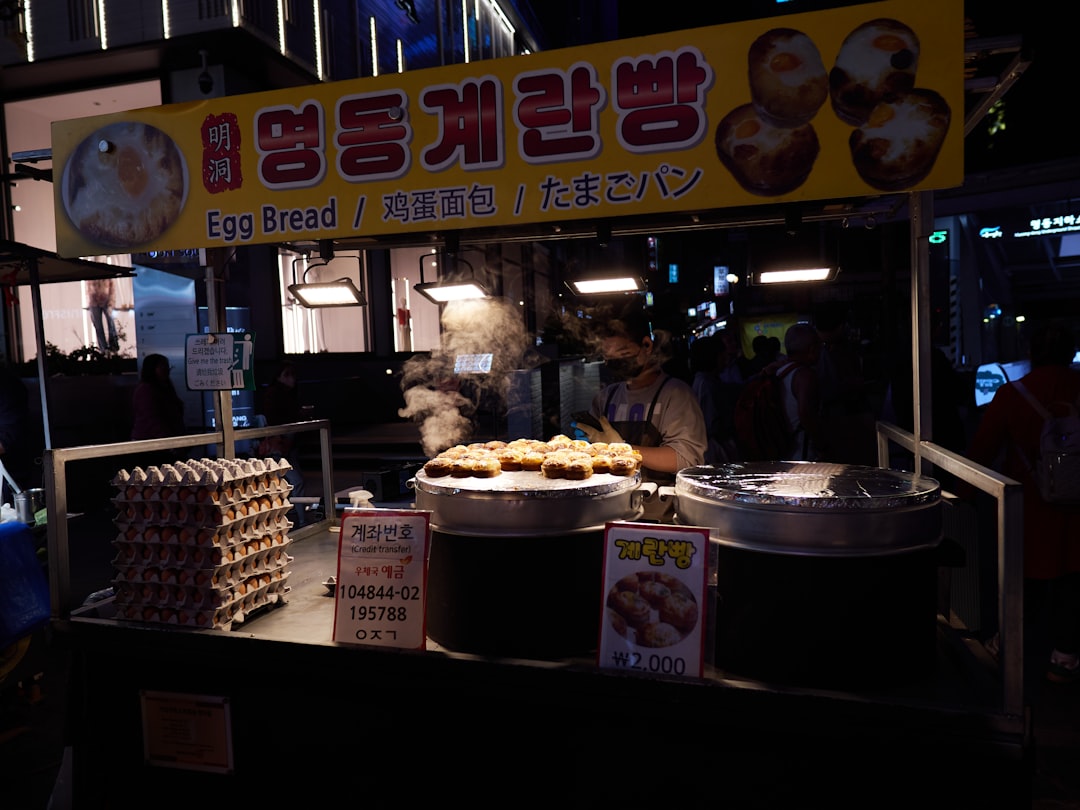
Gwangjang Market is where Seoul’s food reputation was built, and it holds up. The market dates to 1905 and sprawls across several city blocks — fabric merchants upstairs, food stalls below, and an energy that hasn’t been polished for tourists despite what Netflix might suggest.
Start with the bindaetteok — mung bean pancakes fried to order on flat griddles, crispy on the outside and savory-dense within. Eat them standing at the counter. They’re better that way. Then find Gohyang Kalguksu for hand-cut noodles in anchovy broth. The owner makes the noodles herself, and the bowl is simple, warming, and exactly right. The market’s mayak kimbap (addictive mini rice rolls) are worth the queue, but go early or late to avoid the worst of the crowds.
Beyond Gwangjang, seek out jjimdak — Andong-style soy-braised chicken with glass noodles and potatoes in a deeply savory sauce. Andong Jjimdak near Dongdaemun does it well, served in the kind of no-frills restaurant where the food is the entire point. For tteokbokki — chewy rice cakes in gochujang sauce — skip the tourist-facing stalls and find a proper sit-down spot. Mimine and Jaws Food are local favorites, spicier and more complex than the versions you’ll find in Myeongdong.
The late-night ritual is chimaek: fried chicken and cold beer, consumed at any hour in any neighborhood. Order yangnyeom chicken — the sweet-spicy glazed version — and a cold Cass or Hite. The venue barely matters. The ritual is the point. For a guided introduction to the market scene, the Seoul Street Food & Market Walking Tour covers the stalls worth knowing.
Beyond the Palace Gates
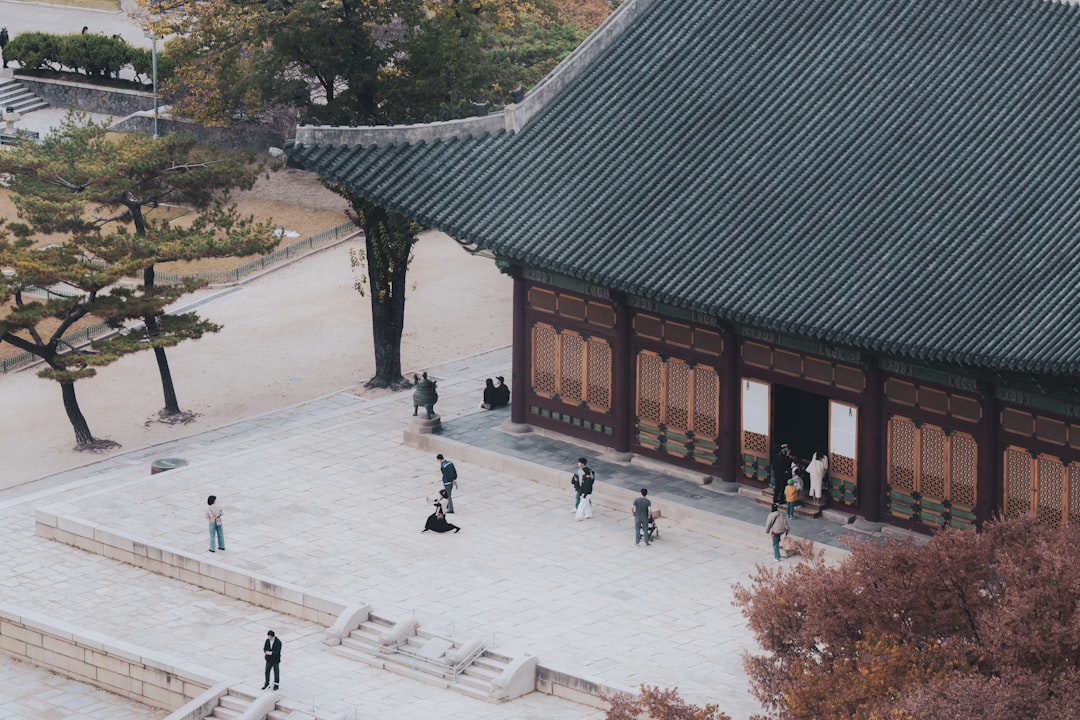
You could spend a full day at Gyeongbokgung and not feel hurried. Seoul’s largest palace compound was built in 1395, destroyed twice, and reconstructed with the kind of care that makes you forget you’re looking at restoration work. The changing of the guard ceremony at the main gate is one of the few tourist rituals that’s genuinely worth watching — the costumes are historically accurate and the choreography hasn’t been simplified for cameras. Go early. By mid-morning the hanbok-rental crowds make the courtyards feel like a theme park. The Gyeongbokgung Palace Guided Tour with Hanbok Rental handles logistics and gets you past the self-guided crowds.
Changdeokgung is the palace locals prefer. Its UNESCO-listed Secret Garden — Huwon — is a network of pavilions, ponds, and woodland paths designed as a royal retreat. In autumn, the canopy turns the garden into something almost impossibly beautiful. Guided tours are required for the Secret Garden (they limit numbers, which is the whole point), and the English-language tour runs twice daily. Book ahead.
The DMZ is a day trip that deserves its reputation. A guided tour takes you to the 3rd Infiltration Tunnel, Dora Observatory, and the Joint Security Area where South and North Korean soldiers stand meters apart. It’s sobering, occasionally surreal, and unlike anything else in East Asia. This isn’t a light day out — give it the full 8 hours and go with a guide who provides context, not just logistics. The DMZ Tour with 3rd Infiltration Tunnel is well-reviewed and handles transport from central Seoul.
The Gangnam You Didn’t Expect
Gangnam’s reputation precedes it — K-pop, plastic surgery clinics, designer shopping. All true. But the district hides one of Seoul’s most quietly powerful places: Bongeunsa, a Buddhist temple that dates to the 8th century and sits in absurd contrast to the glass towers of the COEX complex rising behind it. The temple grounds are calm, the monks are unbothered by the skyline, and the experience of walking from a thousand-year-old prayer hall into a mall with an underground aquarium is pure Seoul.
COEX Mall itself is worth a wander for the Starfield Library alone — a two-story open library in the middle of a shopping center, lined with floor-to-ceiling bookshelves. It’s been photographed to death, but in person the scale still surprises. The COEX Aquarium and the Kimchi Museum round out an afternoon if you’re in the area.
Seoul Olympic Park, built for the 1988 games, is enormous and surprisingly peaceful — cycling paths, sculpture gardens, and green space that feels miles from the nearest subway entrance. Rent a bike and disappear for an hour.
The Walks That Make Seoul Click
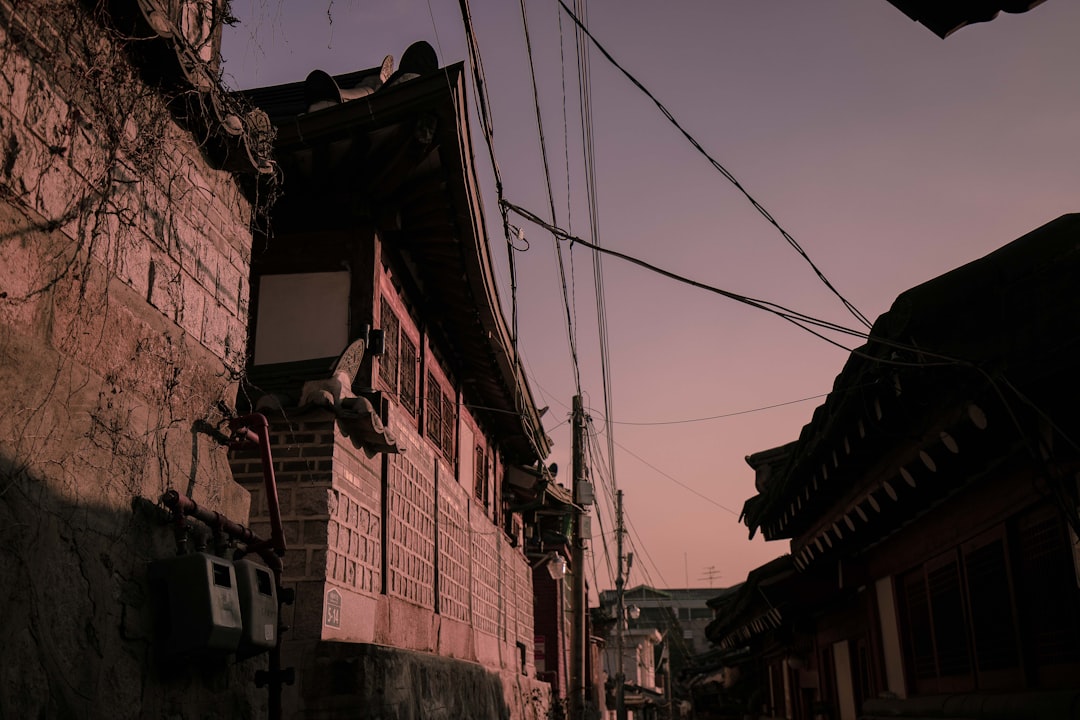
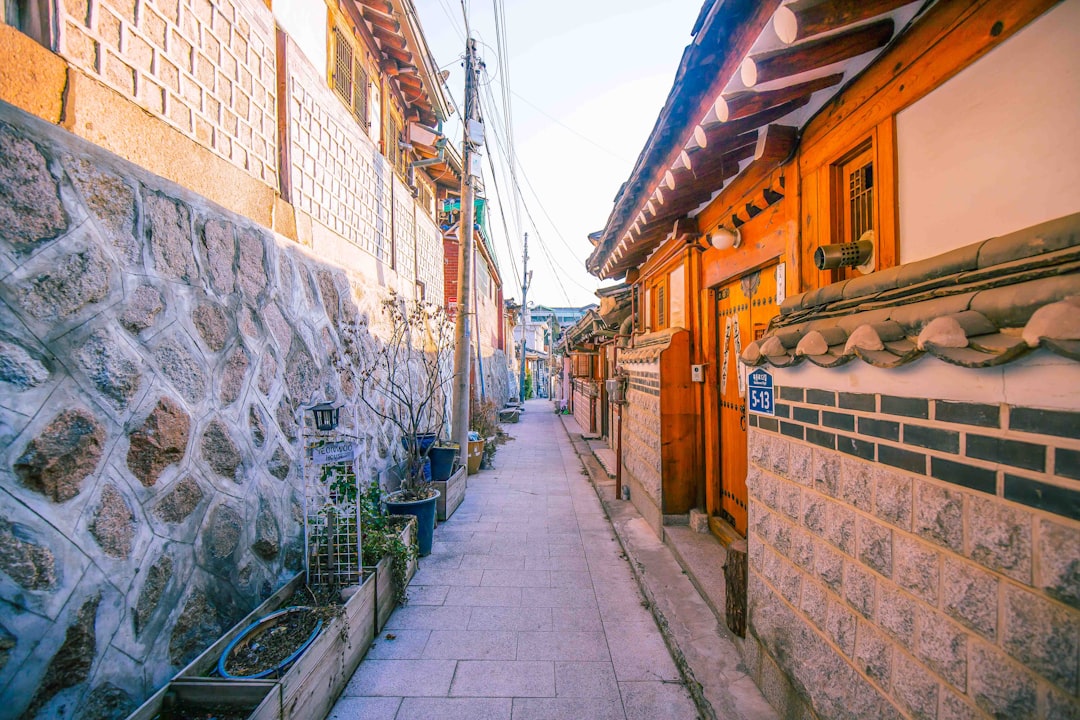
The neighborhoods between the big attractions are where Seoul reveals its personality. Ikseon-dong is a tiny grid of traditional hanok houses — tile roofs, wooden frames, narrow lanes — that have been converted into indie cafés, tea rooms, and boutiques. Unlike Bukchon Hanok Village, which is residential and increasingly unwelcoming to tourists, Ikseon-dong is built for wandering. Most visitors miss it entirely, which is part of its appeal.
Naksan Trail is a hillside path with panoramic views of the city that most tourists never find. The trail connects to Ihwa Mural Village, where narrow alleys are lined with vibrant street art — murals, mosaics, and small installations that change seasonally. Do the trail in the late afternoon and descend through Ihwa as the light softens. It’s one of Seoul’s best free experiences.
Seochon Village, west of Gyeongbokgung, has the hanok architecture of Bukchon without the crowds. Traditional tea houses, small galleries, and an unhurried pace that makes it feel like a different city from the Gangnam you left an hour ago. Stop at a tea house and order a yuja-cha — hot citron tea that’s equal parts sweet and tart.
Ready to Plan Your Trip to Seoul?
You’ve done the reading. Here’s everything you need to make it happen.
Best time to visit: Late September through early November for autumn foliage and clear skies, or early April for cherry blossoms.
✈️ Getting There
Search flights to Seoul on Skyscanner
🏨 Where to Stay
- Hotel 28 Myeongdong — Clean design in the cultural core, easy walk to Gwangjang Market
- Josun Palace — Grand luxury with the kind of service that remembers your name
🎟️ What to Book in Advance
- Seoul Street Food & Market Walking Tour
- Gyeongbokgung Palace Guided Tour with Hanbok Rental
- DMZ Tour with 3rd Infiltration Tunnel
Some links in this post are affiliate links. If you book through them, CuriosityTrail earns a small commission at no extra cost to you. Recommendations are chosen on merit; commissions never decide what’s included.