Curaçao Beyond the Beach: Dutch Ruins, Goat Stew, and the Caribbean’s Original Blue Liqueur
Quick Essentials
- ✈️ Flights:
Search flights to Curaçao
| Direct from Miami, Toronto, and Amsterdam - 🏨 Hotels:
Browse hotels in Curaçao
| Our neighborhood picks below - 🎟️ Top Experience:
Klein Curaçao day trip with sea turtles and a shipwreck
- 🚗 Car Rental:
Compare rental cars in Curaçao
💰 Budget Range: $150–$300 per day for mid-range to splurge, including car rental
The Island That Doesn’t Fit the Brochure
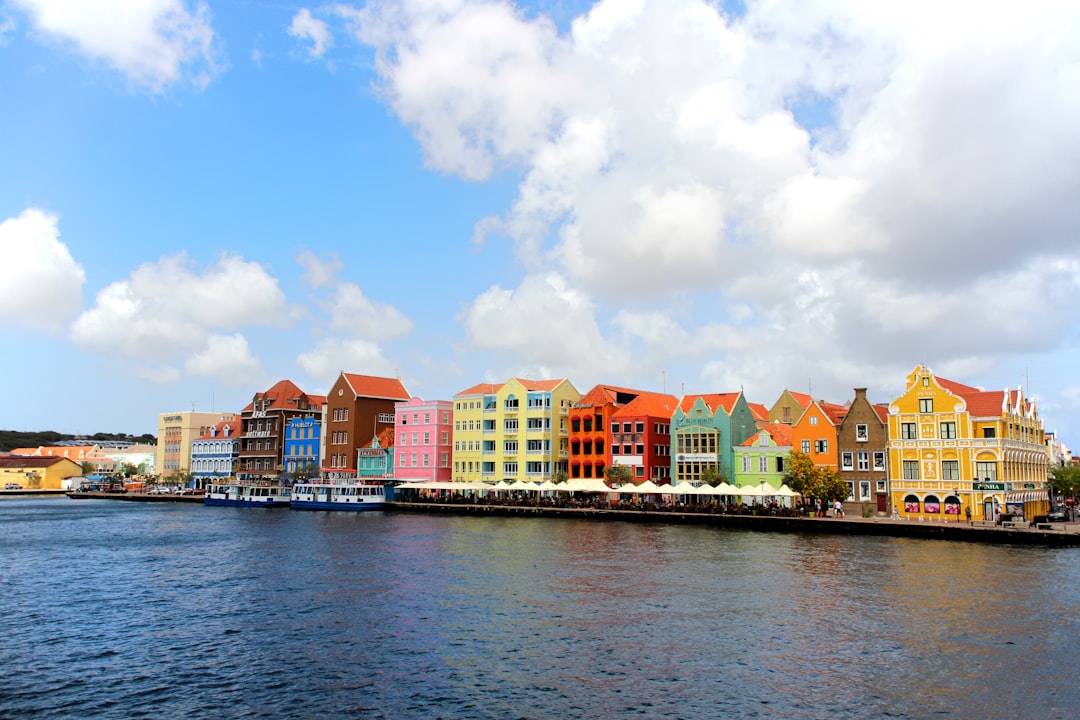
Most Caribbean islands make their pitch in thirty seconds: beach, rum, repeat. Curaçao takes longer. It needs to, because what it’s actually offering doesn’t fit on a postcard — a UNESCO-listed Dutch colonial waterfront where the buildings are painted in shades that look like a box of imported macarons, a food culture that borrows from three continents without asking permission, and a liqueur distillery that’s been running since before anyone alive can remember why the oranges turned bitter.
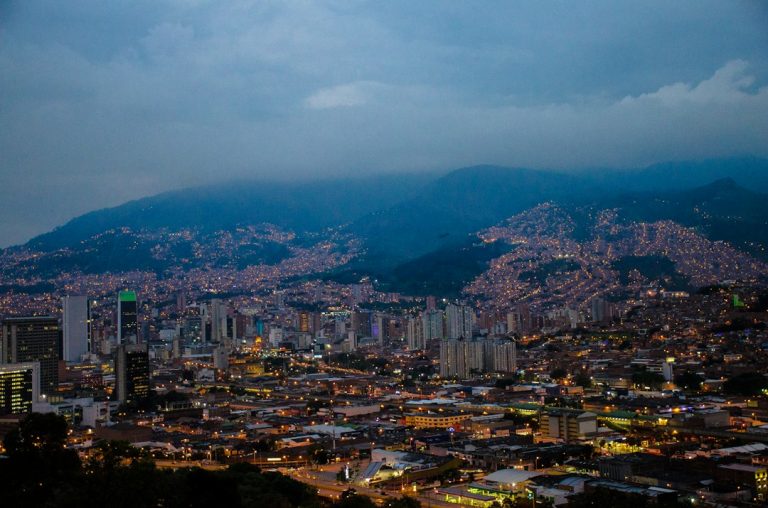
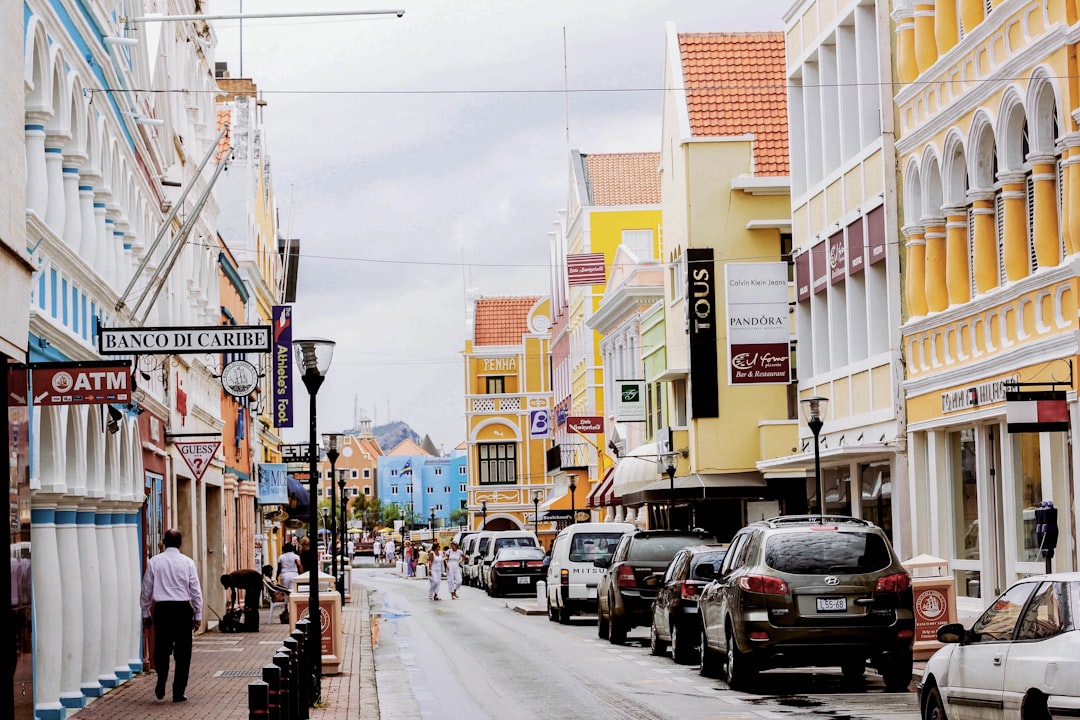
Willemstad hits differently than you’d expect. The Handelskade waterfront is the photograph everyone takes, and it deserves the attention, but the real texture is in the neighborhoods behind it — Pietermaai’s half-restored colonial mansions with cocktail bars on the ground floor, Scharloo’s ornate Jewish merchant houses slowly being reclaimed from decades of neglect, Otrabanda’s street art and working-class energy across the pontoon bridge. It’s a small city with layers it shouldn’t have.
And then the island opens up. The leeward coast is all hidden coves and reef walls ten meters from shore. The interior is arid, almost desert-like, dotted with historic plantation houses repurposed as restaurants and museums. Curaçao doesn’t look like the Caribbean you’ve been to before. That’s precisely the point.
When the Weather and the Crowds Cooperate
Curaçao sits below the hurricane belt, which means no anxious weather-app checking during your trip. The practical difference between seasons is modest — it’s warm year-round — but January through April delivers the driest skies and the steadiest trade winds.
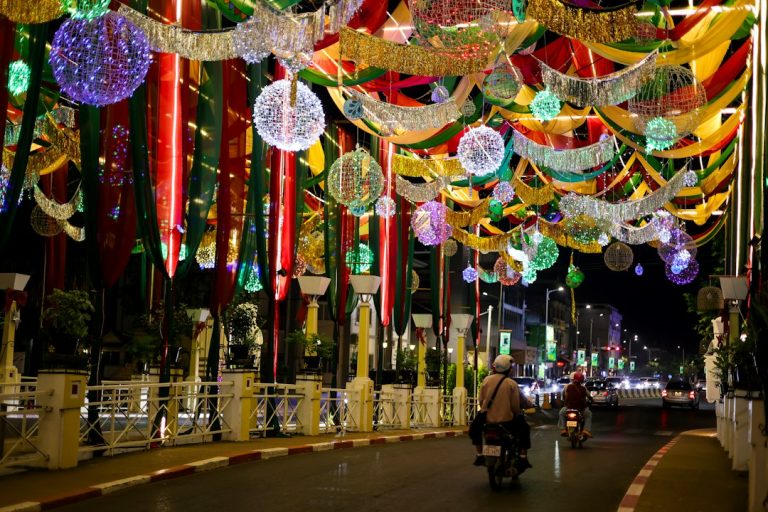
February is Carnival. Curaçao’s version runs for over a month, anchored by the Tumba Festival music competition in January and climaxing with the Gran Marcha grand parade on the Sunday before Ash Wednesday. The Farewell Parade of Lights on the Tuesday night is the one locals talk about most. If you want it, book early — accommodation gets tight. If you don’t, aim for March or April when the energy settles.
Late August and September bring the North Sea Jazz Festival, which despite the name has nothing to do with the North Sea and everything to do with serious Latin, jazz, and soul acts performing on a Caribbean island. Worth building a trip around.
Pietermaai, Otrabanda, and the Neighborhood Question
Where you stay in Curaçao determines how you experience it — more than most islands, because the hotel strip is not the story here.
Pietermaai is the obvious call for a first visit. The old colonial district has been carefully restored into what locals sometimes call the island’s SoHo — boutique hotels in converted mansions, cocktail bars that spill onto cobblestone courtyards, beach clubs tucked between the architecture. BijBlauw puts you right on the water with a restaurant that’s worth visiting even if you’re staying elsewhere. The Pietermaai Boutique Hotel has earned TripAdvisor’s Traveler’s Choice for four consecutive years, and the quality holds up to the badge.
→ Boutique hotels in Pietermaai
Otrabanda is across the Queen Emma pontoon bridge and feels like a different city. More residential, more street art, less polish. Kura Botanica sits in the historic Kura Hulanda complex — a former slave-trade courtyard turned into a quiet garden hotel. That transformation says a lot about Curaçao’s complicated history, and the hotel doesn’t hide from it. If you’ve done the boutique-hotel circuit and want something with more weight, this is it.
→ Hotels in Otrabanda
Jan Thiel Beach works if you want a resort-adjacent base without the full isolation. Restaurant rows, easy snorkeling access, and a 15-minute drive into Willemstad when you want culture with your sunburn.
→ Hotels near Jan Thiel Beach
Where the Snorkeling Requires a Swim Into a Cave
Curaçao’s leeward coast is one long, reliable reef system, but the spots worth your time are the ones that require a little more effort than pulling up to a beach bar.
The Blue Room is the headliner. A hidden sea cave accessible only by swimming through a narrow opening in the cliff face, where refracted sunlight turns the water an electric, almost artificial blue. It’s a guided snorkel trip, and it’s worth every minute of the boat ride to get there. Nothing else in the Caribbean looks like this.
→ Blue Room snorkel excursion
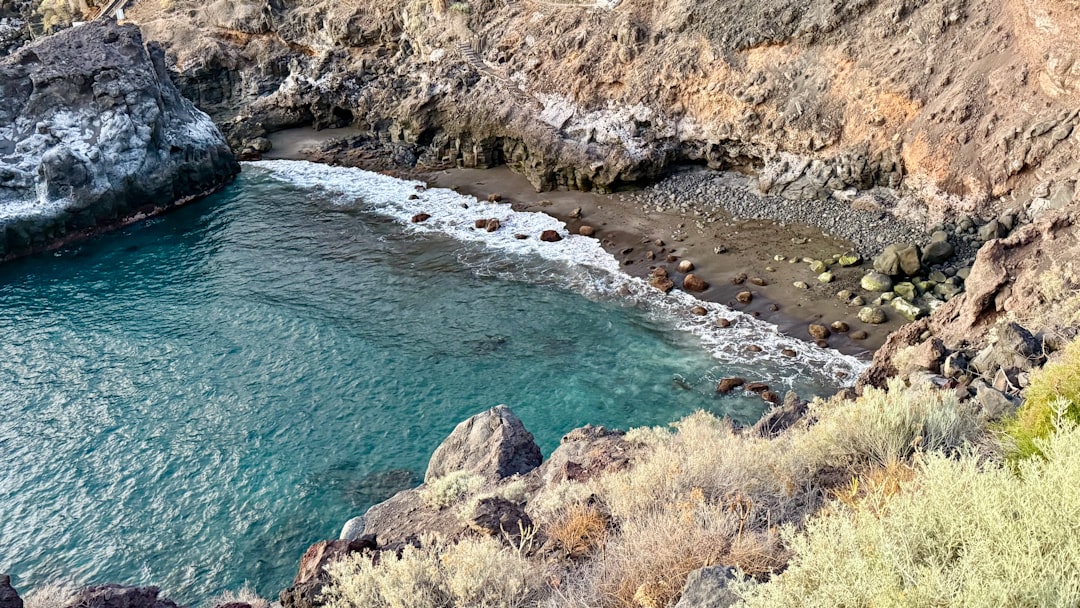
Playa Lagun is a small cove on the northwest coast tucked between rough limestone cliffs. The water is calm, the entry is easy, and sea turtles show up with regularity. It feels like somewhere that shouldn’t be accessible without a hike, but there’s a parking lot right above it.
Klein Curaçao is the full-day commitment — a boat trip to a tiny uninhabited island with white sand, shipwrecks you can snorkel around, sea turtles, and a ruined lighthouse that photographs beautifully against the empty horizon. This is the excursion everyone recommends because it genuinely delivers.
→ Klein Curaçao day trip
Hato Caves aren’t snorkeling, but they belong in the same category of things Curaçao has that you didn’t expect — stalactite chambers, Arawak petroglyphs, and limestone formations that make the island’s geology feel like a bonus attraction.
→ Hato Caves guided tour
Eating Your Way Through Krioyo Culture
The food in Curaçao is the thing that lingers. Not because any single restaurant dominates, but because the entire food culture is this improbable collision of Afro-Caribbean home cooking, Dutch colonial remnants, and Venezuelan produce that arrives by boat every morning.
Plasa Bieu — officially the Old Market, but everyone calls it Plasa Bieu — is where you start. It’s a working lunch hall in Punda where local grandmothers serve keshi yena, stobá, and fried plantains from steam trays. This is not a tourist attraction. This is where office workers eat. Arrive by 11:30 or the good stobá is gone.
Keshi yena is the national dish and it’s stranger than it sounds: a hollowed-out Edam or Gouda cheese shell stuffed with spiced chicken, olives, capers, and raisins, then baked until the cheese melts into the filling. Dutch dairy meets Afro-Caribbean seasoning. It shouldn’t work. It does.
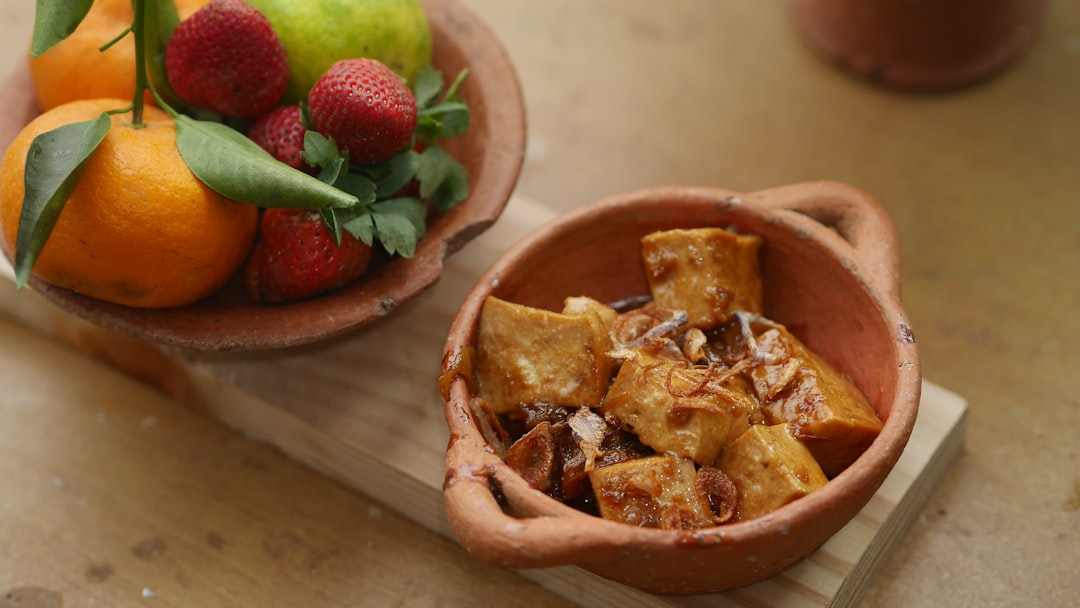
Kabritu stobá — goat stew — is the everyday comfort food. Slow-braised with onions, garlic, and local peppers, served with funchi, which is cornmeal cooked to a polenta-like consistency. Every home cook makes it slightly differently. Every version is correct.
The Venezuelan floating market along the Sha Capriles Kade waterfront has been running for over a century. Produce boats dock and sell tropical fruit, fish, and vegetables directly from the hulls. This is where the island’s connection to Venezuela — only 70 kilometers away — becomes tangible. Grab a batido di fruta (fresh fruit shake) from one of the vendors. Papaya, mango, passion fruit — whatever came off the boat that morning.
After midnight, the food trucks take over. BBQ Express does stacked steak sandwiches. El Grill & Mexicano piles burgers with fries and sauces. It’s not refined. It’s 1am and you’ve been at a bar in Pietermaai. It’s exactly right.
The Liqueur That Named an Island
Landhuis Chobolobo is a 19th-century plantation house that has been home to the Senior family’s distillery since 1947, though they’ve been making the liqueur since 1896 — originally sold in small bottles from their pharmacy. The liqueur is made from the dried peels of the laraha, a citrus fruit descended from Valencia oranges that Spanish settlers planted centuries ago. The island’s poor soil made the fruit inedibly bitter, but the peel developed an intense, fragrant essential oil. Someone thought to distill it. The rest is brand history.
The tour is free, the tastings are generous, and the gift shop is dangerous. Over 200,000 people visit each year, which means it’s not a hidden gem — but it’s one of those rare tourist attractions that’s popular because the thing itself is genuinely interesting, not because it was well-marketed. Skip the blue Curaçao cocktails you’ve had at airport bars. This is the original.
The Corners Most People Miss
Scharloo is the neighborhood I’d send someone who’s already done Pietermaai and Punda. Just behind the main waterfront, this former Jewish merchant quarter has some of the most ornate 19th-century architecture on the island — carved facades, wrought-iron balconies, elaborate entryways. Some buildings are beautifully restored, others are still crumbling. That tension between renewal and decay is more honest than the polished waterfront, and far fewer tourists walk through.
Shete Boka National Park on the north coast is Curaçao’s wild side — wave-carved limestone coastline, blowholes, and coves where sea turtles nest. Boka Tabla has a cave you can walk into while waves crash through the entrance. It’s dramatic in a way that the calm leeward beaches never suggest.
Rincon is the oldest settlement on the island, tucked in an inland valley. Most visitors never make it here, which is a shame — on Dia di Rincon (April 30), the village hosts a cultural heritage festival with traditional food, music, and crafts that feels like an island celebrating itself rather than performing for visitors.
Plan Your Trip to Curaçao
Best time to visit: January through April — dry season with steady trade winds and Carnival in February if you want the full island experience.
✈️ Getting There
Search flights to Curaçao on Skyscanner
🏨 Where to Stay
Boutique hotels in Pietermaai — walkable nightlife and restored colonial charm
Kura Botanica, Otrabanda — garden-hotel quiet in a historic courtyard complex
🎟️ What to Book in Advance
📦 Pack Right
Some links in this post are affiliate links. If you book through them,
CuriosityTrail earns a small commission at no extra cost to you.
Recommendations are chosen on merit; commissions never decide what’s included.