The Slow Side of Queenstown: Pinot Noir, Steamships, and Golden-Hour Walks
Quick Essentials
- 📍 Best Time to Visit: March through May — the summer crowds thin, autumn foliage blazes around Arrowtown, and the light across Lake Wakatipu drops to that low golden angle photographers build trips around.
- ✈️ Getting There: Search flights on Skyscanner | Direct from Auckland, Sydney, Melbourne, and Brisbane
- 🏨 Where to Stay: Browse Queenstown hotels on Booking.com
- 🎟️ Don’t Miss: TSS Earnslaw steamship cruise to Walter Peak on GetYourGuide
- 💰 Budget Range: $200–$450 NZD per day for a couple — comfortable mid-range to splurge, including meals and one experience per day
Queenstown’s problem isn’t that it’s overrated. It’s that the first thing anyone tells you about it is the bungee jumping. Then the jet boats. Then the skydiving. You’d think the place was an amusement park built on a fault line, which technically isn’t wrong, but it misses what the town is actually like once you sit down somewhere good.
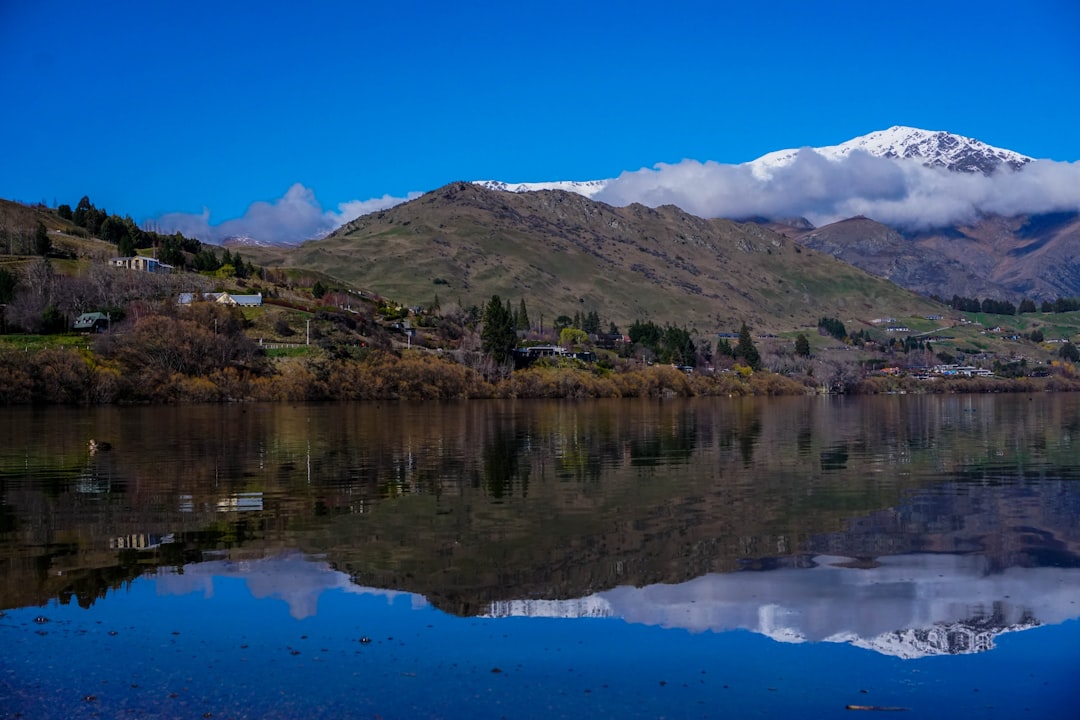
The lake is what gets you. Lake Wakatipu has this way of holding the light that makes everything around it — the mountains, the willows, the stone walls of the old buildings on the foreshore — look like they’ve been placed deliberately. It’s not wild the way Milford Sound is wild. It’s composed. The kind of place where you settle in at a wine bar at four in the afternoon and look up to realize it’s seven.
That’s the Queenstown this post is about. The version where the most ambitious thing you do before dinner is walk to a lookout, and the most strenuous thing after dinner is deciding between another glass of pinot noir or an early night. It exists. It’s excellent. And almost nobody writes about it.
The Lake, the Light, and Why You Stay Longer Than You Planned
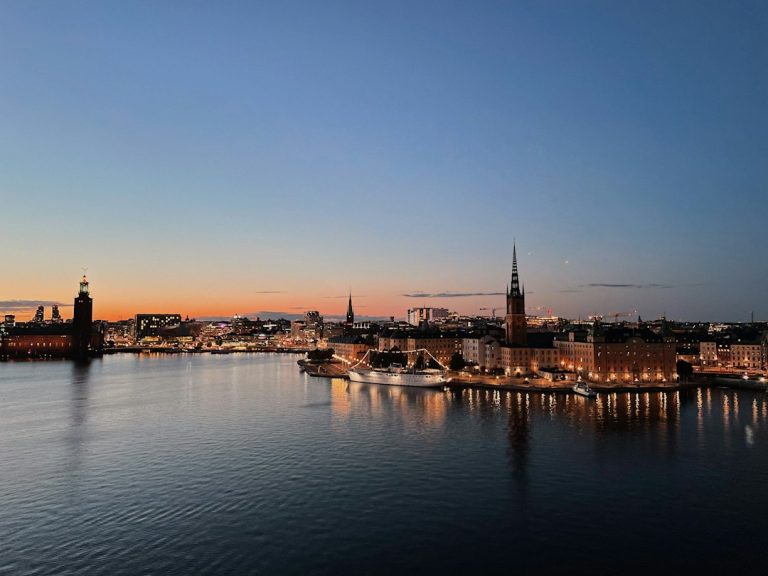
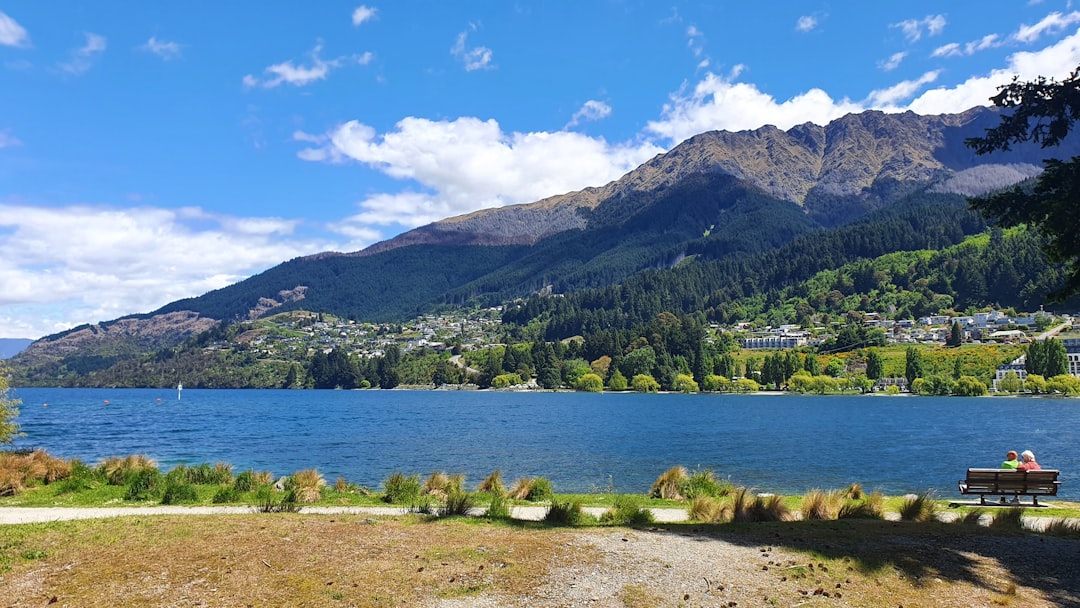
Start at Queenstown Gardens. Most visitors walk through during the middle of the day on their way to somewhere else, and that’s fine, but it’s not the move. Come back at sunset. The loop track from Queenstown Bay Beach takes thirty minutes, and when the light is right — which in autumn it usually is — The Remarkables turn a warm sandstone pink. The lake mirrors it. You stop walking. Everyone does.
The waterfront path between the gardens and the marina is where the town’s pace reveals itself. This is where people read, where couples share a bottle of wine on the public benches, where you realize Queenstown has a whole register below its adventure-capital reputation. On a clear evening the light hangs around until well past seven, and the water is so still you can hear the TSS Earnslaw’s whistle from across the bay.
A Steamship, a Sheep Station, and a Very Good Scone
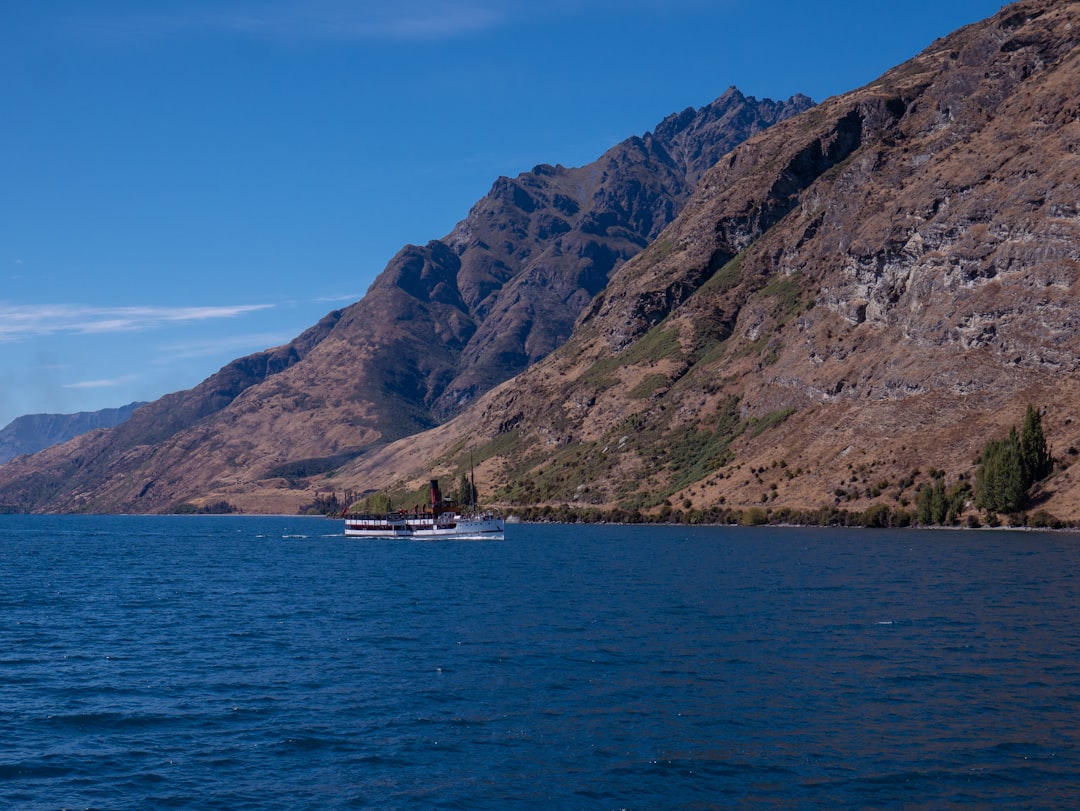
The TSS Earnslaw has been crossing Lake Wakatipu since 1912, and she is exactly what she sounds like: a coal-fired steamship, the only one still operating in the Southern Hemisphere, restored to something close to original condition. You can stand on the lower deck and watch the crew shoveling coal. It’s not a performance. It’s how the boat runs.
The crossing to Walter Peak takes forty-five minutes, and the scenery unfolds at a pace that feels almost deliberately therapeutic — Cecil Peak, The Remarkables, the far shore getting slowly closer. Walter Peak itself is a working high-country farm with heritage buildings, highland cows, and a sheepdog demonstration that is more impressive than it has any right to be. The afternoon tea is proper. The scones are good. The whole thing sounds quaint until you’re actually there, sitting on the verandah looking at mountains, and then it just sounds exactly right.
Book the afternoon sailing if you have the choice. The return trip puts you back on the Queenstown waterfront at that perfect hour when the restaurants are just getting interesting. → TSS Earnslaw cruise and Walter Peak farm tour
Central Otago in a Glass
There’s a saying in the wine world that Central Otago pinot noir is “the best pinot nobody’s heard of,” which isn’t really true anymore but still captures something real about the surprise of it. The vineyards sit at some of the highest altitudes and most southerly latitudes of any wine region on earth, and the pinot that comes out of them has a clarity and intensity that can compete with anything from Burgundy or the Willamette Valley.
In town, the best way into Central Otago wine is through a bar stool. Fino Wine Bar sits on the marina, with a list curated by Eugene Kliushneu that runs forty-plus selections from boutique, family-owned vineyards. The emphasis is small producers and Central Otago exclusives. Vino Central on Rees Street is the other essential stop — smaller, dedicated entirely to New Zealand wines, and the kind of place where you sit for one glass and leave with a case. The Winery, just off the main strip, is more polished and works well for dinner.
For a half-day out of town, the Gibbston Valley is twenty minutes east. Amisfield is the standout: a single-estate vineyard overlooking Lake Hayes with a tasting room that takes its time. Peregrine and Kinross are both worth the stop if the light and your mood are right. A guided wine tour takes the driving question out of it entirely. → Central Otago wine tour from Queenstown
Walks That Earn the View Without Punishing Your Knees
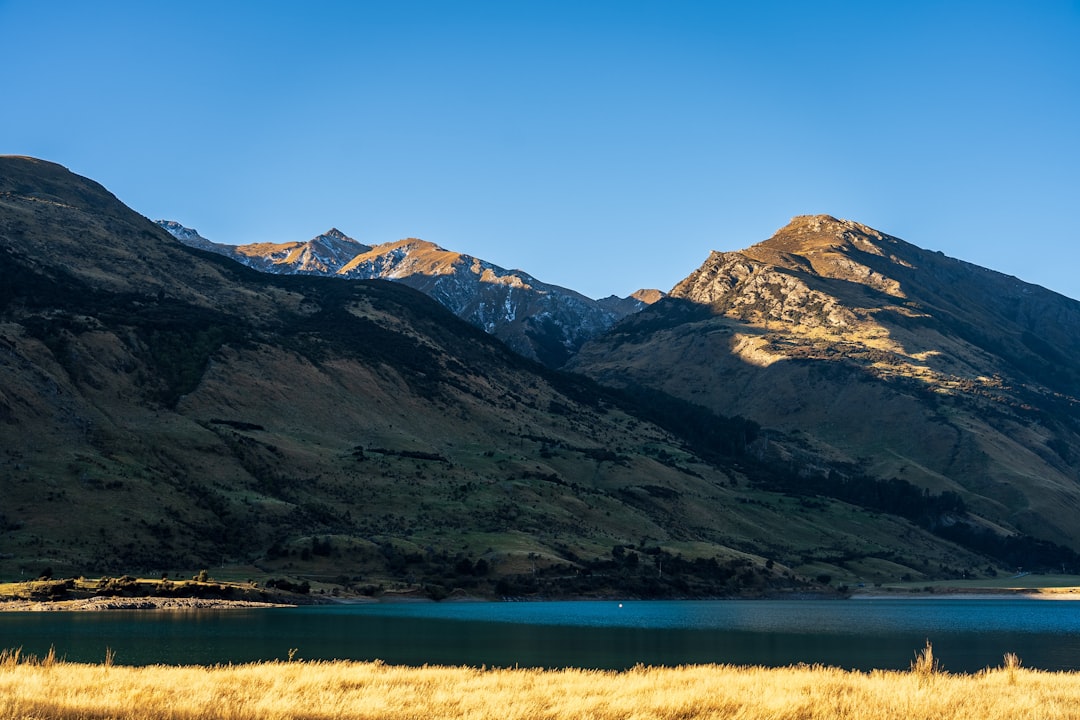
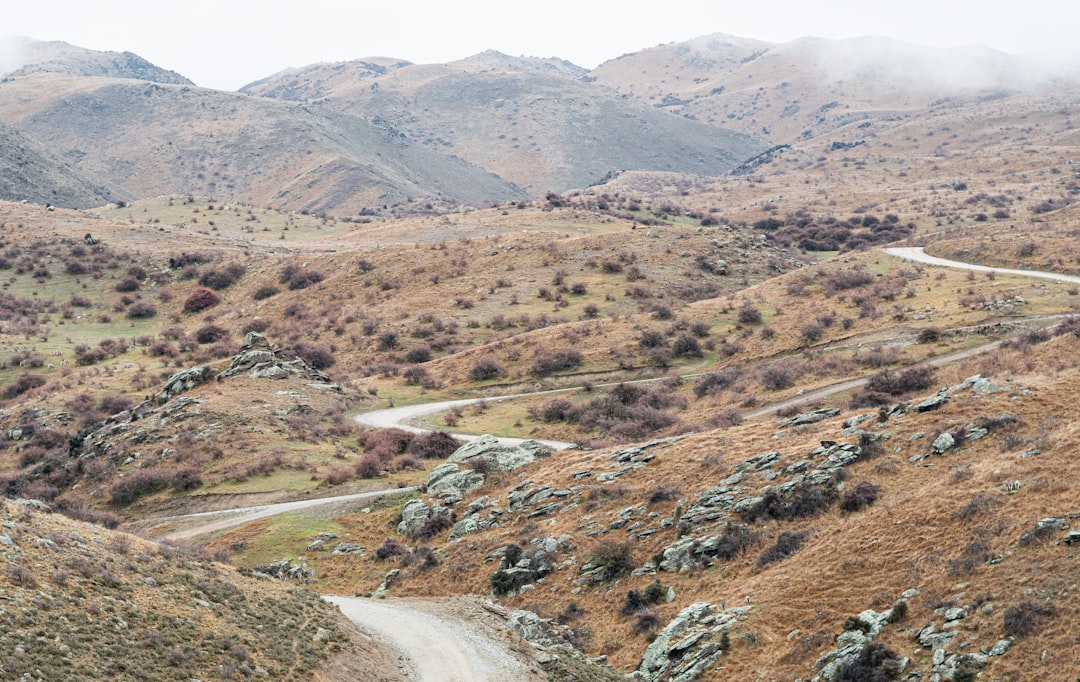
The non-negotiable walk is Moke Lake. Twenty minutes out of town, completely flat, two hours to loop the entire lake. The mountains reflect in the water on still mornings. Bring coffee and something to sit on. There’s almost nobody here, which is remarkable given how close it is. This is the walk that Queenstown locals do when they want to remember why they live here.
Queenstown Hill is the other one worth doing — two to three hours return, starting from town, with the trail winding up to the Basket of Dreams sculpture at the summit. It’s not strenuous by New Zealand standards but the views from the top are comprehensive: the lake, the town, The Remarkables, the valley floor stretching toward Frankton. Go in the morning.
If you have a car and a full day, drive to Glenorchy and walk the Routeburn Nature Walk — a gentle 3.1 km loop through beech forest and wetlands that gives you the atmosphere of one of New Zealand’s Great Walks without committing to three days and a bunk reservation. The drive to Glenorchy itself, forty-five minutes along the lake’s northern shore, is one of the most scenic roads in the country. Stop at Bennett’s Bluff lookout. Take the photo. You won’t regret it.
The Table: Where the Day Ends Well
Rata is chef Josh Emett’s restaurant in town, and the blue cod is the order. It’s a South Island specialty done with the confidence of someone who’s cooked it a thousand times and still cares. The lamb shoulder and the duck breast are both reliable if fish isn’t your thing. The room is warm, the wine list is smart, and it fills up — book ahead.
Botswana Butchery is Queenstown’s longest-standing fine dining room. It’s in a heritage building on the waterfront with impeccable service and the kind of atmosphere where you dress up slightly more than you planned to. The lamb shoulder here is different from Rata’s and worth comparing.
Sherwood Queenstown earns special mention. It’s a boutique eco-hotel with the only two-hat restaurant in town — the two hats came in the 2025 Cuisine Good Food Awards, and the kitchen works with what’s local and seasonal. If you’re staying there you eat there. If you’re not staying there, eat there anyway.
For the other end of the spectrum, Fergburger. Yes, there’s a queue. The queue exists for a reason. Best at ten at night after a day that started at Moke Lake and ended at a wine bar. It’s a proper enormous burger and it costs almost nothing relative to everything else in Queenstown.
And every morning: find a flat white. New Zealand’s contribution to global coffee culture is real. The standard is high everywhere, but a local roastery will remind you what the drink is supposed to taste like.
The Glenorchy Drive and the Rest of the Quiet
Most people treat Glenorchy as a means to an end — it’s where the jet boats launch and the Routeburn Track starts. But the drive itself is worth doing with no destination in mind. Forty-five minutes, hugging the lake’s edge, with the mountains on your left and the water on your right and almost no other traffic if you go mid-week.
Bennett’s Bluff Lookout is the stop that makes it onto every postcard, and fairly so. The lake below is impossible blue-green, the mountains above are usually snow-dusted even in autumn, and the scale of the landscape from up here justifies every Lord of the Rings comparison the region has ever received.
Glenorchy itself is a settlement of maybe 500 people. There’s a cafe. There’s a boardwalk through the wetlands that’s excellent for birdwatching — flat, easy, twenty minutes. The whole atmosphere is different from Queenstown: slower, smaller, quieter. It feels like what the region must have been before the bungee cords arrived.
When to Come and Where to Sleep
Autumn — March through May — is the answer for this kind of trip. The summer crowds dissipate, accommodation drops by as much as fifty percent, and the foliage around Arrowtown is extraordinary. The Arrowtown Autumn Festival in April is worth timing your visit around: parades, markets, and art exhibitions celebrating the region’s gold-rush heritage during peak colour.
Temperatures sit between 8 and 18 degrees Celsius, which is perfect for walking and warm enough for long lakefront evenings if you bring a layer. The light is lower and warmer, which is the whole point.
Eichardt’s Private Hotel is the most storied address in Queenstown. Eight suites and a penthouse, right on the lakefront, heritage atmosphere with modern polish. If location and history matter to you, this is the one. → Eichardt’s Private Hotel
The Rees Hotel is on the quieter western shore. Five stars, lakefront, sophisticated, private. Better for travelers who want space, views, and distance from the nightlife strip. → The Rees Hotel Queenstown
Sherwood Queenstown sits back from the lake in a garden setting. The draw is the restaurant and the ethos — eco-focused, design-conscious, food-first. A different kind of splurge. → Sherwood Queenstown
Ready to Plan Your Trip to Queenstown?
You’ve done the reading. Here’s everything you need to make it happen.
Some links in this post are affiliate links. If you book through them, CuriosityTrail earns a small commission at no extra cost to you. Recommendations are chosen on merit; commissions never decide what’s included.