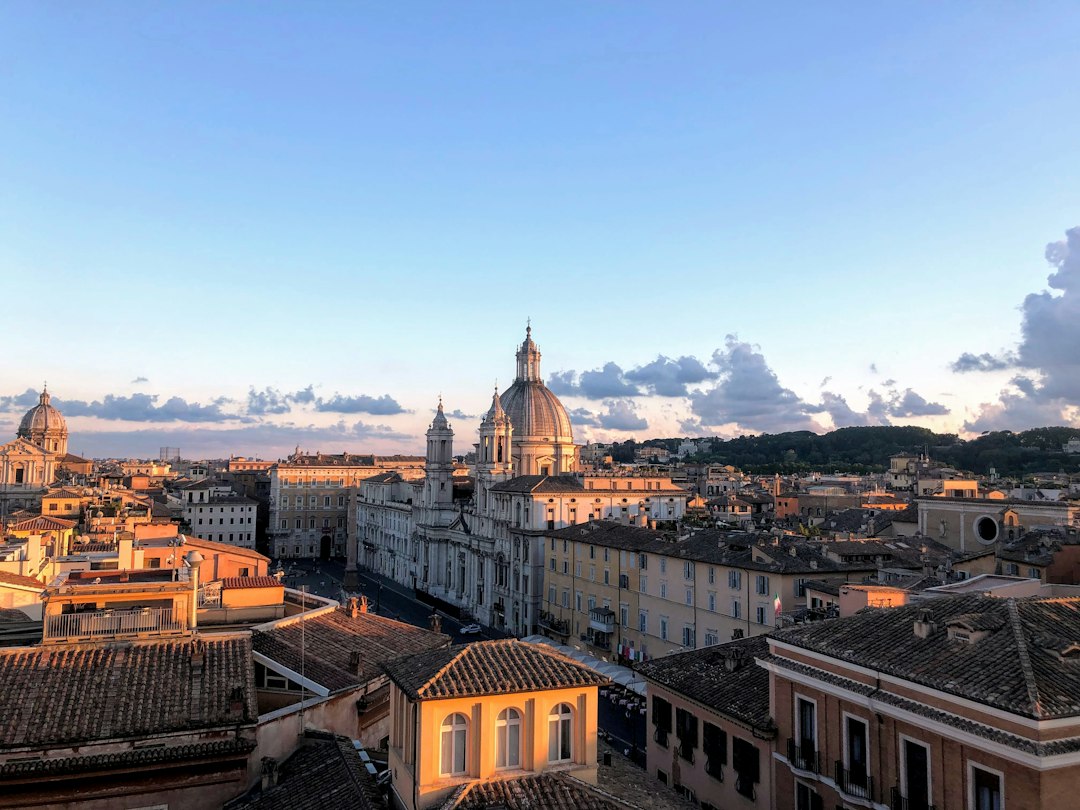
Your Second Time in Rome: What to Revisit, What to Skip, and Where to Eat This Time
Quick Essentials
- 📍 Best Time to Visit: Late September through mid-October — summer crowds dissolve, outdoor dining is still comfortable, and Rome’s cultural season kicks back into gear.
- ✈️ Getting There: Search flights on Skyscanner | Direct from New York, Chicago, and Toronto
- 🏨 Where to Stay: Browse Rome hotels on Booking.com
- 🎟️ Don’t Miss: Vatican Museums early-entry tour on GetYourGuide
- 💰 Budget Range: $180–$350 per day for mid-range to splurge
The City You Already Know (Sort Of)
The first time you go to Rome, you do Rome. The Colosseum at midday, the Forum in a daze of broken columns, a gelato near the Pantheon that costs twice what it should. You check the boxes because they deserve checking. And then you go home and something nags at you — the sense that the city was performing for you, and you never quite got backstage.
A second visit fixes that. Not because Rome changes, but because you do. You already know the shape of the place, the way the streets bend toward the river, the rhythm of a city that eats dinner at nine and doesn’t apologize for it. This time, you can stop navigating and start noticing.
Start the first morning by doing almost nothing — just sit in Piazza Santa Maria in Trastevere with a coffee, watching the fountain catch the light. The Vatican Museums should be on your list, but the Colosseum doesn’t need to be. You’ve seen it. You don’t need the selfie again. What you need is the Rome you walked past the first time.
What’s Worth Revisiting (and What Isn’t)
The Vatican Museums earn a return trip, but only if you do it differently. Book an early-entry tour — small group, before the general public floods in — and this time, linger in the Raphael Rooms instead of sprinting to the Sistine Chapel. The ceiling hasn’t changed. Your patience has. Vatican Museums early-entry tour
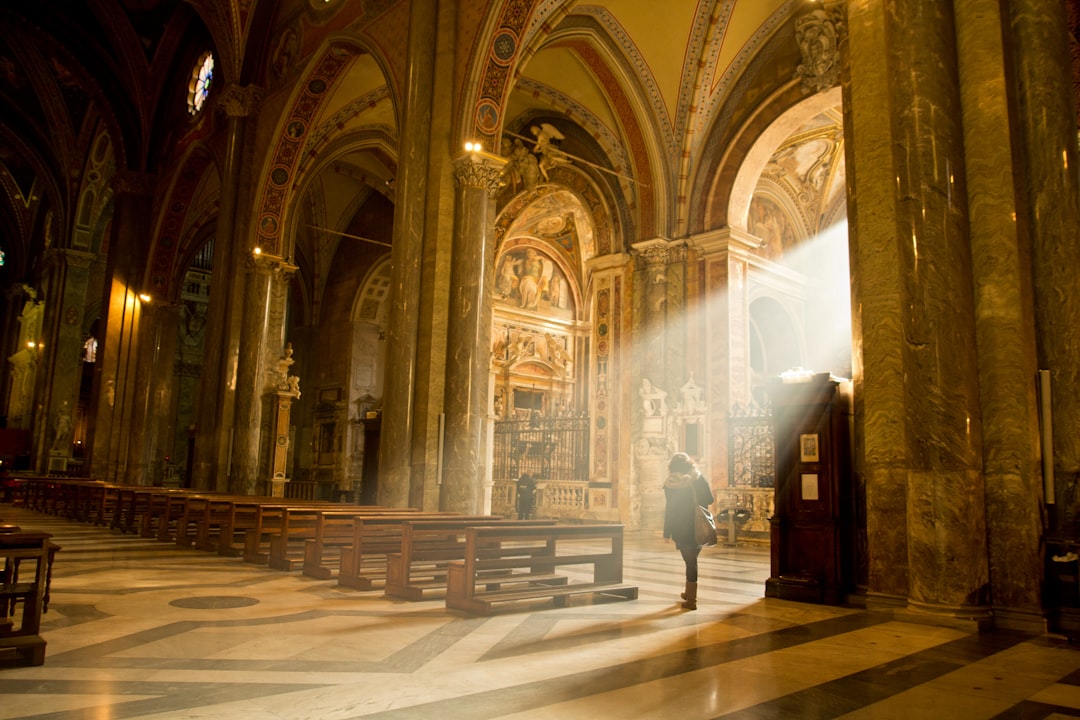
St. Peter’s Basilica is worth another walk-through, but the real second-visit move is going underneath it. The scavi tour takes you below the high altar to the Vatican necropolis — a 1st-century burial ground believed to hold St. Peter’s remains. It’s intimate, slightly claustrophobic, and completely unlike anything else in Rome. Book well in advance; spots are limited. St. Peter’s Basilica dome climb and underground tour
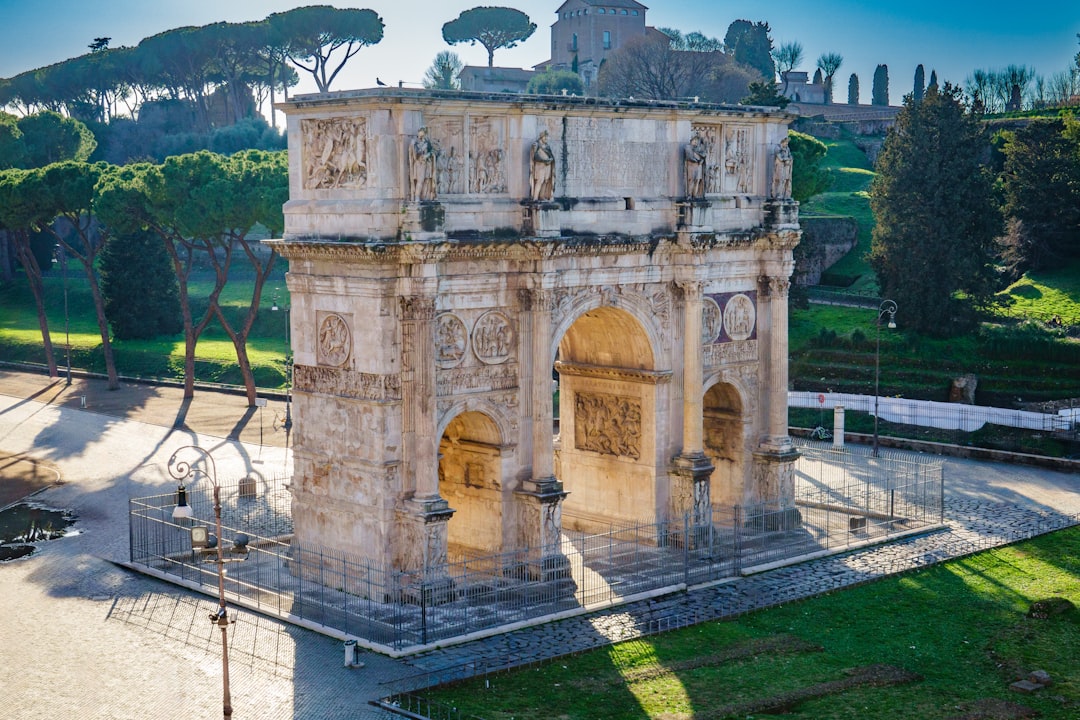
What to skip? The Colosseum exterior, unless you genuinely want to go inside this time. The Spanish Steps, which remain stairs. The Trevi Fountain at any hour except dawn — though if you’re up at six, it’s briefly yours.
The Neighborhoods You Missed the First Time
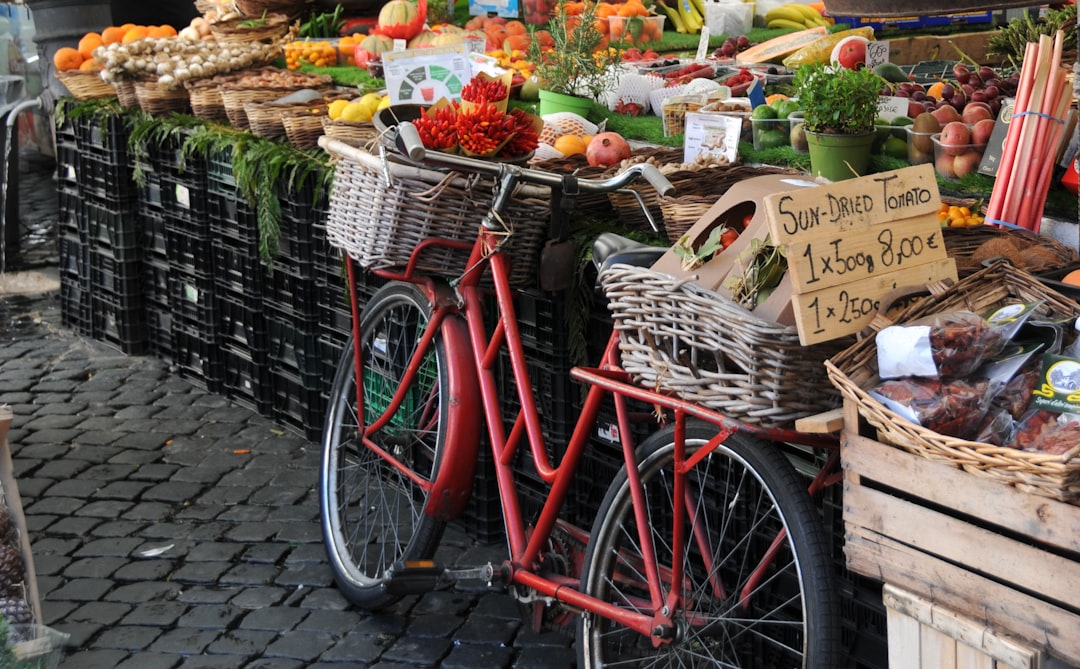
Testaccio isn’t on most first-timers’ maps, which is precisely the point. It’s Rome’s working-class food neighborhood — not curated, not charming in the Instagram sense, but the kind of place where the bakery has been run by the same family for decades and the market vendors know their regulars by name. Mercato di Testaccio is the anchor: fresh produce, supplì vendors, and a general absence of selfie sticks. Come hungry.
Monti has changed since it was Rome’s “secret” neighborhood, but it’s still the most interesting place to spend an evening. The streets between Via Nazionale and the Colosseum are lined with vintage shops, natural wine bars, and restaurants that feel curated without feeling corporate. Piazza Madonna dei Monti is the local aperitivo spot — grab a Negroni Sbagliato from a nearby bar and join the crowd sitting on the fountain steps.
The Appian Way on a Sunday is Rome at its most unexpected. The ancient road closes to traffic, and suddenly you’re cycling past 2,000-year-old tombs and crumbling aqueducts under umbrella pines, with almost no one around. Rent bikes near the start of the route and give it two hours. This is the Rome that stays with you.
Underground Rome: What’s Beneath Your Feet
Rome is a layer cake. The city you walk through is the top layer; there are at least two more underneath. On a second visit, go down.
The Domus Aurea is Nero’s buried golden palace — sealed, buried under a park, and accessible only by guided tour. The augmented reality reconstructions show what the rooms looked like when they were covered in gold leaf and frescoed floor to ceiling. It’s strange and spectacular and feels like a genuine secret, even though it isn’t one. Domus Aurea underground guided tour
The Baths of Caracalla don’t require going underground, but they belong in the same category of “things experienced travelers consistently wish they’d done sooner.” The scale is staggering — this was a bath complex that served 6,000 Romans at a time, with mosaic floors, sculpture gardens, and libraries. In summer, the Teatro dell’Opera stages performances here. Aida under the stars, in ruins. Hard to beat. Baths of Caracalla guided tour
And if you want one more: the Basilica di San Clemente, near the Colosseum, is three buildings stacked on top of each other — a 12th-century church over a 4th-century church over a 1st-century Roman house. You descend through 2,000 years in about twenty minutes. No one talks about it. Everyone should.
The Table: Where to Eat Like You’ve Been Here Before
Roman food is not complicated. It is, however, specific — and the gap between a good cacio e pepe and a tourist-trap version is enormous.
Felice a Testaccio does cacio e pepe tableside, finishing the pasta in a wheel of Pecorino Romano in front of you. It is the benchmark version. The wait can be long; make a reservation or go at an odd hour. Worth the effort.
Forno Campo de’ Fiori is a third-generation bakery where the pizza bianca — olive oil, salt, nothing else — is transcendent at 11 a.m. Grab a slab, eat it standing on the piazza. This is breakfast in Rome.
Trapizzino in Testaccio invented the trapizzino — a triangular pizza pocket filled with slow-cooked Roman stews like chicken cacciatore or oxtail ragù. It sounds like street food, and it is, but the cooking behind it is serious.
Pianostrada in Trastevere is run by an all-female team and puts genuine creativity into Roman ingredients. The seasonal menu changes, but the handmade pasta is always the right call. Book ahead.
And for the aperitivo hour: find any decent bar in Monti, order a Negroni Sbagliato — the “mistaken Negroni” that swaps gin for prosecco — and settle in. Light, bitter, fizzy. The right drink for a warm Roman evening.
Slow Down: Piazzas, Parks, and the Art of Doing Less
The temptation on a return trip is to fill it with everything you missed. Resist that. The best second visits have breathing room.
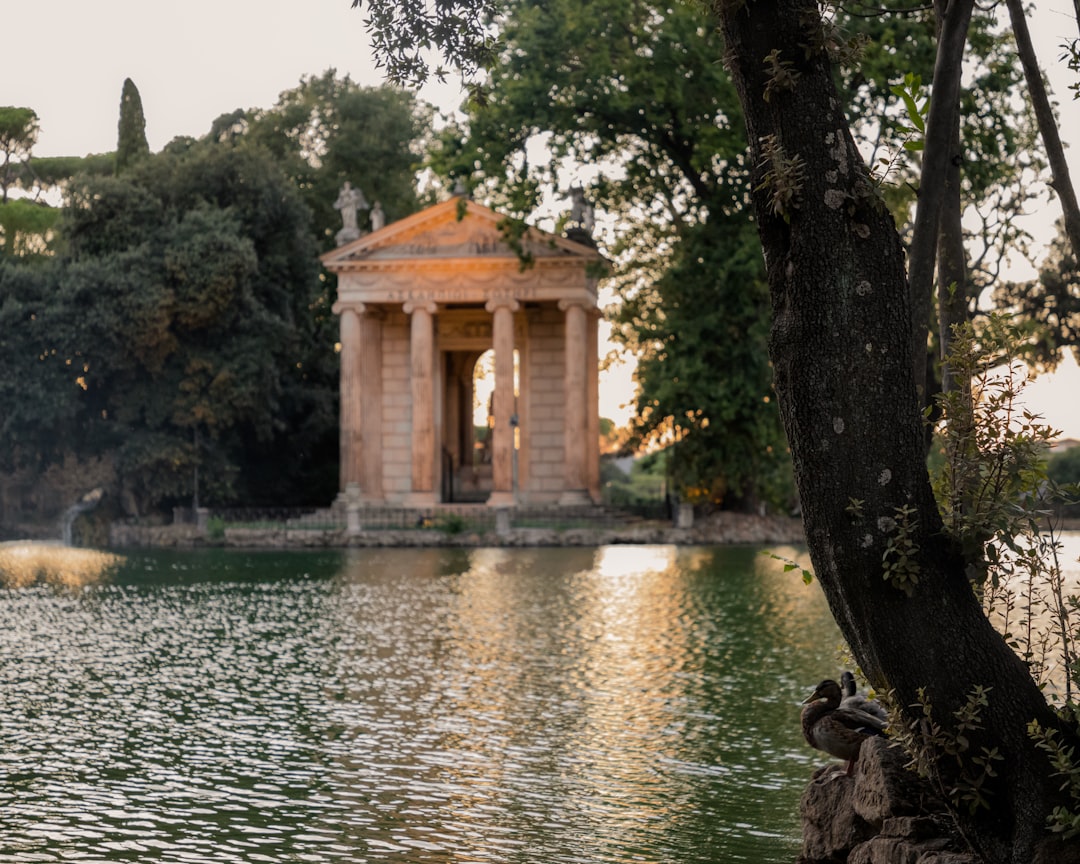
Villa Doria Pamphilj is Rome’s largest park, and almost no tourists find it. Enter through Via di San Pancrazio and walk to the Casino del Bel Respiro — a 17th-century villa surrounded by formal gardens and a small lake. Bring a picnic. Give it two hours. You’ll wonder why you spent your first trip in line at the Vatican gift shop.
Galleria Sciarra is steps from the Trevi Fountain and almost nobody knows it exists. It’s a covered courtyard decorated with extraordinary 1880s frescoes — art nouveau goddesses in gold and deep blue, hidden inside a nondescript office building. Free, open during business hours, and the kind of discovery that makes a second visit feel earned.
And go back to Piazza Santa Maria in Trastevere at golden hour. The basilica’s façade glows with 12th-century mosaics, the fountain hums, and for a few minutes, you understand why people move to Rome and never leave.
Where to Stay on Your Second Visit
Monti is the neighborhood that rewards a return. Bohemian-artisan energy, excellent wine bars, walkable to the Colosseum but with its own identity. Casa Monti Roma is a design-led boutique with colorful, vintage-inspired interiors. For something more refined, Villa Spalletti Trivelli is one of Rome’s most elegant hidden retreats — a historic villa with exceptional service and the kind of quiet that feels luxurious in a city this loud.
Trastevere is still the best “evenings-first” base. Late dinners, lively cobblestone streets, the golden-hour light on ochre walls. The trade-off: mornings mean crossing the river for Vatican or Centro Storico plans. Donna Camilla Savelli, a restored Baroque convent, is the standout — peaceful cloisters, courtyard gardens, and a location that makes you feel like you live here.
Ready to Plan Your Trip to Rome?
You’ve done the reading. Here’s everything you need to make it happen.
🎟️ What to Book in Advance
- Vatican Museums early-entry small group tour
- Domus Aurea underground guided tour
- Browse more Rome experiences on Viator
Some links in this post are affiliate links. If you book through them, CuriosityTrail earns a small commission at no extra cost to you. Recommendations are chosen on merit; commissions never decide what’s included.