Dunedin, New Zealand: The Scottish City at the Edge of the Wild
Quick Essentials
- 📍 Best Time to Visit: Late October through April — summer gives you the longest days and albatross chicks in the colony, but March and April are quieter, clearer, and still warm enough.
- ✈️ Getting There: Search flights on Skyscanner | Direct from Auckland, Wellington, and Christchurch
- 🏨 Where to Stay: Browse Dunedin hotels on Booking.com
- 🎟️ Don’t Miss: Royal Albatross Centre Observatory Tour on GetYourGuide
- 💰 Budget Range: $150–$300 NZD per day for mid-range to splurge-worthy comfort
A City That Doesn’t Announce Itself
Most people heading south on the South Island are aimed at Queenstown. They pass through Dunedin the way you pass through a town that isn’t on the plan — quickly, with half an eye on the fuel gauge. That’s a mistake, and frankly, it’s not one I’ll try very hard to correct. The city is better for the people who stop on purpose.
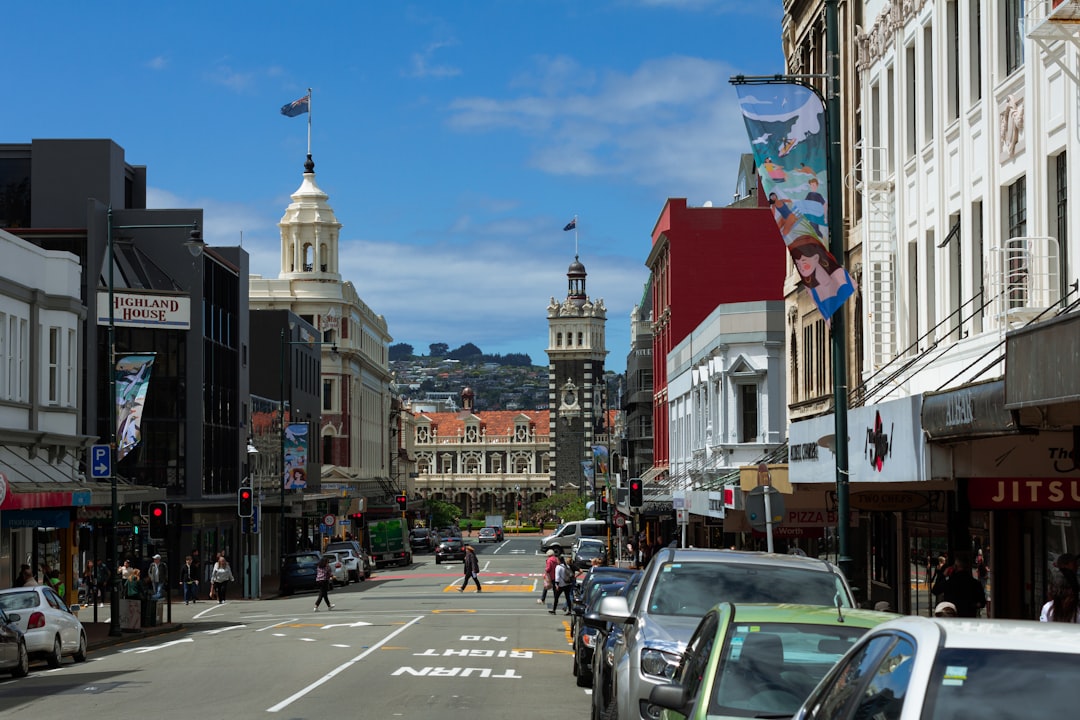
Dunedin sits at the head of a long harbour on the southeast coast, built by Scottish settlers in the 1860s who apparently decided that if they were going to leave Edinburgh, they’d bring it with them. The street plan was drawn by a surveyor named Charles Kettle, who traced the layout of Edinburgh’s New Town onto the flanks of an extinct volcano and called the central plaza the Octagon. The stone buildings are still here. So is the attitude — measured, unhurried, a little proud of what it’s got.
What it’s got is more than most visitors expect. A railway station that looks like it was built for a capital city, not a town of 130,000. An entire warehouse district tattooed with international street art. Craft chocolate makers working with Pacific-sourced cocoa. And at the end of a 30-minute drive down the Otago Peninsula, a colony of royal albatross nesting on a headland like they own the place — which, to be fair, they do.
Stone and Glass: Walking Dunedin’s Edwardian Heart
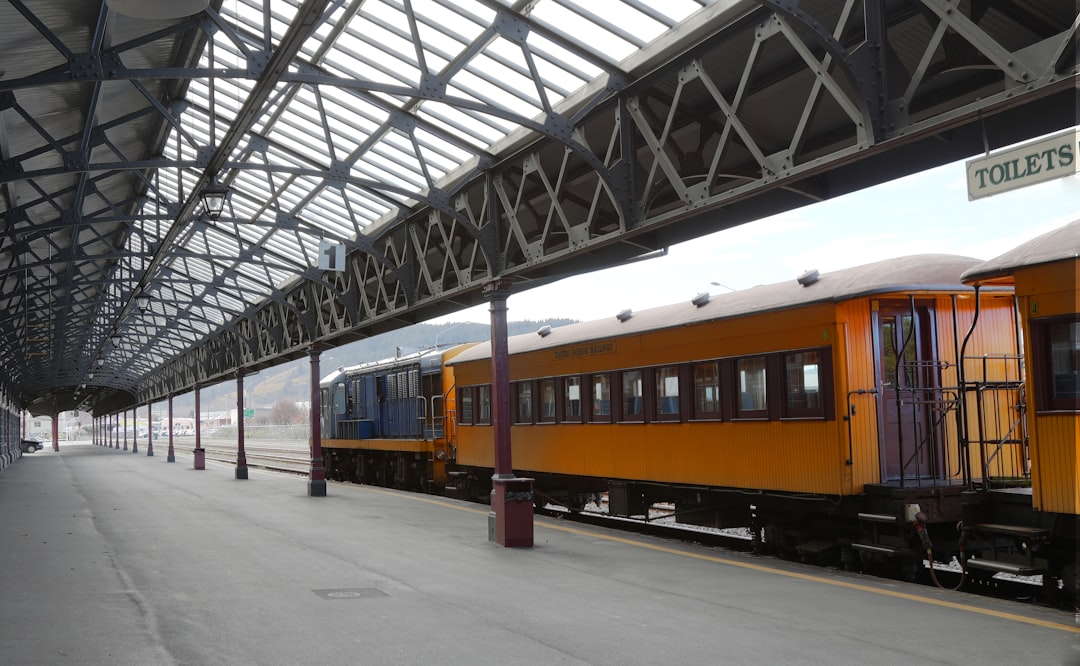
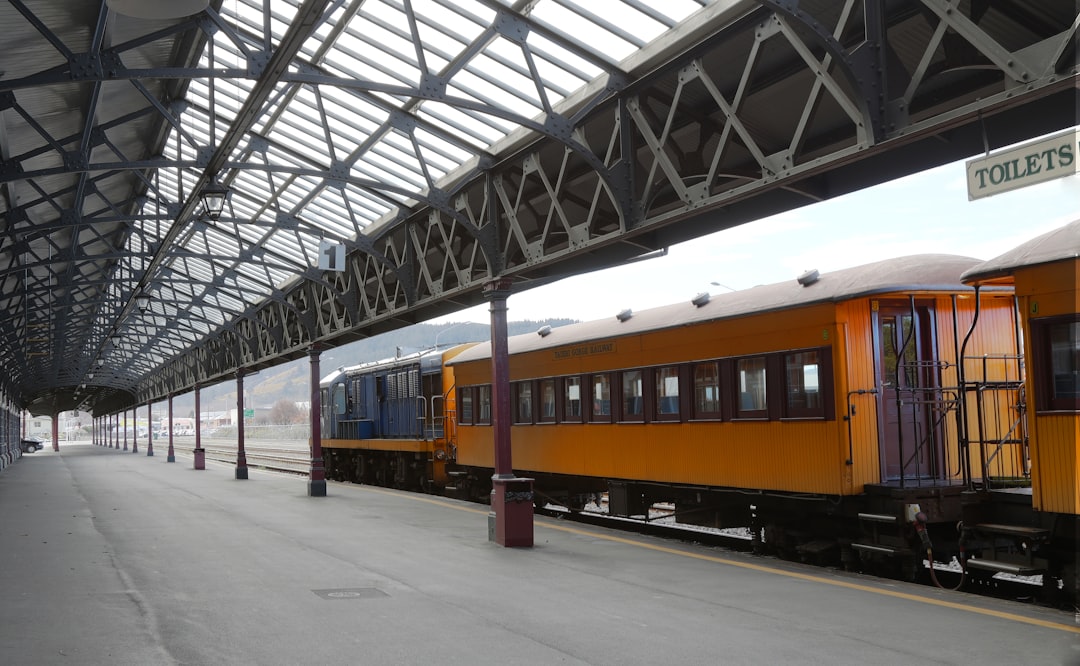
The Dunedin Railway Station is the building most people photograph, and they’re right to. George Alexander Troup designed it in 1906 in a style sometimes called Flemish Renaissance, which in practice means dark basalt walls, white Oamaru limestone trim, and a level of ornamental confidence that feels almost aggressive for a regional station. Inside, the floor is Royal Doulton porcelain — over 725,000 tiles — and upstairs, the former booking hall now houses the NZ Sports Hall of Fame. Most visitors snap the exterior and move on. Go inside.
From the station, the Octagon is a five-minute walk uphill. St Paul’s Cathedral anchors one end; the Dunedin Public Art Gallery sits opposite. The gallery is one of New Zealand’s four major metropolitan collections and it’s free. On any given Saturday, the Otago Farmers Market fills the railway station forecourt with local producers — Bluff oysters in season, fresh-baked cheese rolls, good coffee, and that particular unhurried browsing energy that market towns do better than cities.
First Church, completed in 1873, is the kind of Gothic Revival building that looks like it should be in the Scottish Highlands, not on a hillside in the South Pacific. Larnach Castle, New Zealand’s only castle, sits on a ridge above the harbour on the Otago Peninsula — worth the drive for the gardens and the view alone, even if you’re not particularly moved by Victorian excess.
The Walls Talk: Dunedin’s Street Art Trail
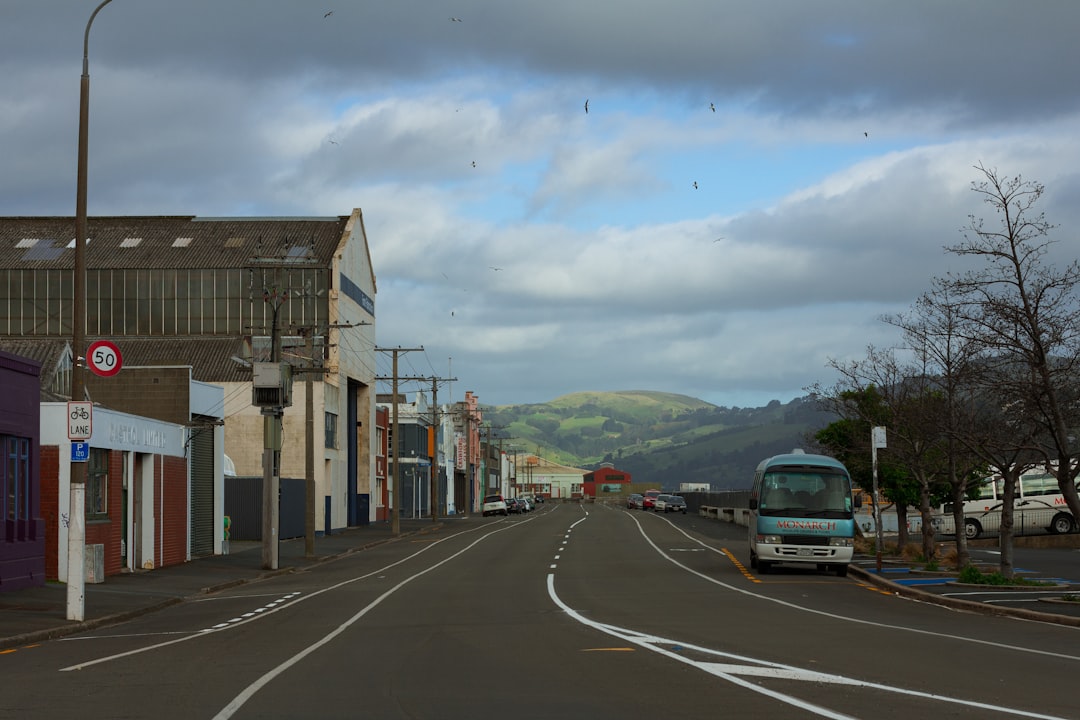
The Warehouse Precinct, down by the harbour, is where Dunedin’s second identity lives. Over the last decade, the city has invited international and local street artists to transform the old industrial buildings into a sprawling open-air gallery. The scale is impressive. A massive Belgian artist Roa piece — one of his signature monochrome animals — wraps around a full building facade. Pixel Pancho’s robot murals share walls with Natalia Rak’s vivid figurative work. Local artists fill the gaps.
The trail is walkable in an hour, but it’s better at two. The Dunedin Street Art Foundation publishes a map, and you can pick one up at the i-SITE or follow the trail on your phone. What makes it work is the backdrop — these are Victorian-era commercial buildings, stone and brick, and the art doesn’t fight the architecture. It layers on top of it. The effect is less Brooklyn and more Edinburgh Fringe — serious artists working in a city that takes its heritage seriously, too.
A guided walk adds the backstory on each piece — who made it, what the building was before, and why the artists keep coming back. Book a guided Dunedin Street Art Trail walk on GetYourGuide.
Thirty Minutes to Albatross
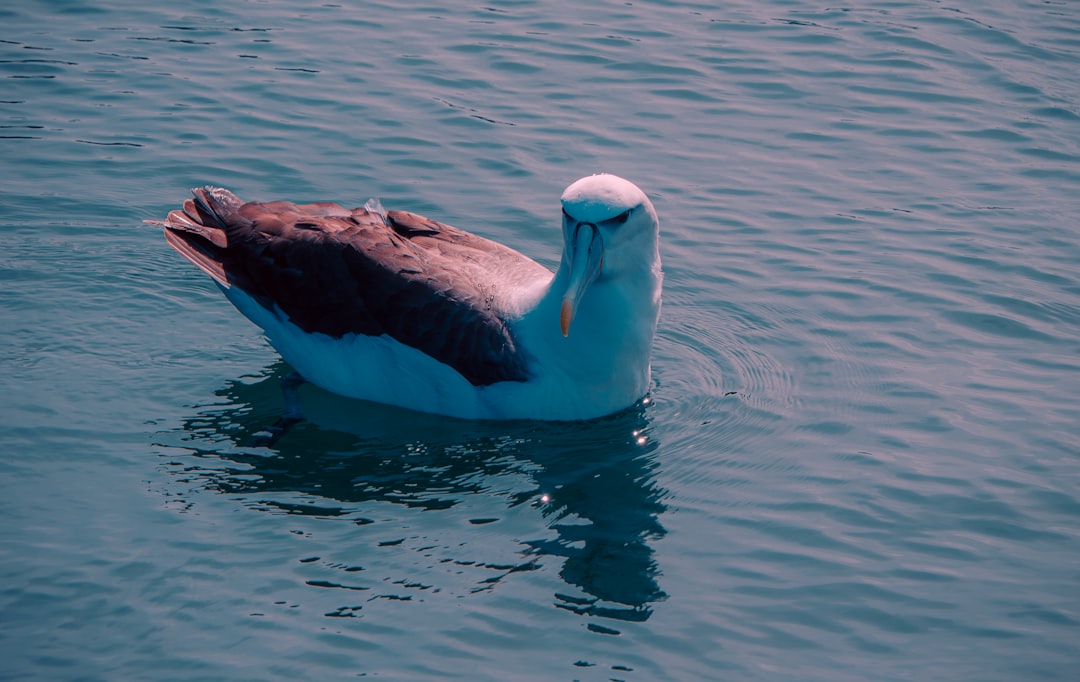
The Otago Peninsula is a long, hilly finger of land between the harbour and the Pacific. It’s wilder than you’d expect given how close it is to a city — fur seals on the rocks, little blue penguins in the evening, and at Taiaroa Head, at the very tip, the Royal Albatross Centre.
This is the only mainland breeding colony of northern royal albatross in the world. Full stop. These birds have a three-metre wingspan, and they nest here year-round, with chicks in the colony from January through September. The observatory tour puts you behind glass a few metres from the nesting sites. When an albatross lifts off the cliff and catches the updraft, the scale of the thing is hard to process. You’ve seen birds. You haven’t seen this.
Below the headland, Penguin Place (now called The OPERA) runs guided tours to see yellow-eyed penguins — the world’s rarest penguin species — returning to shore in the late afternoon. The guides use a system of trenches and hides to get you close without disturbing them. If you have the time, the Triple Combo — albatross, harbour wildlife cruise on the Monarch, and penguin viewing — makes a full day and covers the peninsula’s greatest hits. Book the Otago Peninsula Wildlife Triple Combo on GetYourGuide.
Makers and Shakers
Dunedin’s craft scene is one of those things that makes more sense once you understand that the city has a large university, a history of isolation from the bigger centres, and the kind of cheap rent that lets creative people actually make things.
OCHO is the headline act. They’re a bean-to-bar chocolate operation sourcing fair-trade cocoa from Pacific neighbours and processing it in Dunedin. The guided tasting journey takes you through their production space and ends with more chocolate samples than you’ll know what to do with. The single-origin bars — Samoa, Vanuatu, PNG — are seriously good, and the tasting room sells varieties you won’t find in shops. Book the OCHO Chocolate Guided Tasting Journey on GetYourGuide.
Emerson’s Brewery, founded in 1992, is the other essential stop. Richard Emerson built the brewery after a year in Edinburgh drinking proper beer and deciding Dunedin deserved the same. The Pilsner is the gateway, but ask for the Bookbinder — a low-ABV session ale that goes down dangerously well on a long afternoon. The taproom serves food, and it’s better than most brewery kitchens. Their collaboration with OCHO — a porter called Mexioco, brewed with cacao nibs, chilli, and cinnamon — is worth tracking down.
Speight’s, if you want the other end of the scale, is one of New Zealand’s oldest working breweries and runs heritage tours that are more interesting than you’d expect from a big-brand operation.
Where to Eat (and What to Order)
The food scene here punches hard for a city this size. A few specifics worth knowing.
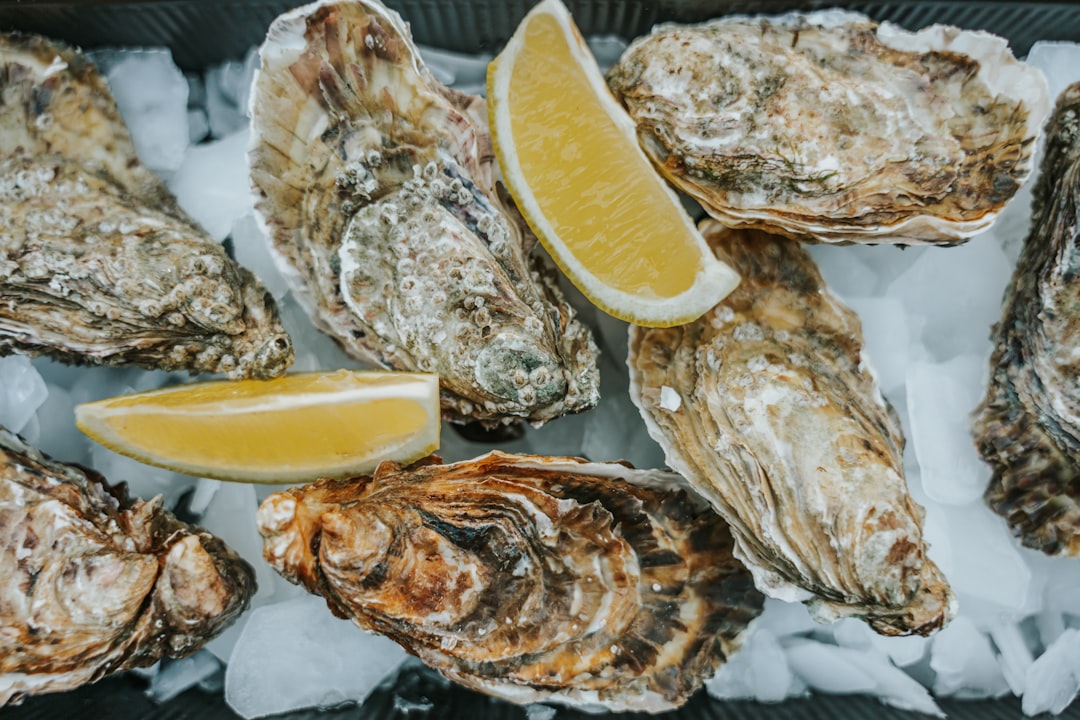
Bluff oysters. Harvested from the Foveaux Strait south of here, available roughly March through August. Dunedin is the nearest city worth staying in during oyster season, and restaurants serve them fresh — raw, kilpatrick, or battered. If they’re in season when you’re here, don’t overthink it. Order them everywhere.
Cheese rolls. This is an Otago and Southland thing — rolled white bread with a savoury cheese and onion filling, grilled until the outside crisps and the inside goes molten. They’re in every bakery and cafe, and they cost almost nothing. Locals eat them the way Americans eat grilled cheese — as a comfort food baseline.
The George Street strip between Moray Place and the Octagon has the best cafe concentration. Flat whites are universally good — this is a university town with serious coffee standards. For dinner, Vault 21 and Etrusco at The Savoy are consistently mentioned, and the newer spots around the harbourside precinct are worth exploring.
Planning It: When to Go, Where to Stay
Timing. October through April covers the comfortable window. December through February is warmest, with highs around 18–20°C and long daylight hours. March and April are my preference — autumn light in Dunedin is outstanding, the crowds thin, and the weather is stable. Winter (June–August) is cold and grey, and some peninsula tours reduce their schedules. If you’re here for Bluff oysters, plan for autumn.
Where to stay. Fable Dunedin is the top option in the city centre — a five-star boutique hotel in one of Dunedin’s most historic buildings, walking distance to the Octagon, the Railway Station, and the street art precinct. Check availability at Fable Dunedin on Booking.com.
For something quieter, Camp Estate is a heritage property on the Otago Peninsula with harbour views and the kind of unhurried atmosphere that suits the peninsula’s pace. It’s the better base if wildlife is your priority. Check availability at Camp Estate on Booking.com.
On a budget or preferring self-catering, look for apartment stays in the Octagon or Moray Place area. You’re steps from restaurants, the gallery, and the Saturday farmers market. Browse all Dunedin accommodation on Booking.com.
Getting around. You’ll want a car. The city centre is walkable, but the Otago Peninsula, Tunnel Beach, and anything beyond town require driving. Roads are good and uncrowded.
One thing most people miss: Tunnel Beach, 7.5 km southwest. A hand-carved Victorian tunnel through sandstone cliffs leads to a dramatic, mostly deserted beach with arches and sea caves. It’s a short walk from the car park, and on a calm day, it’s one of the best coastal spots on the South Island.
Ready to Plan Your Trip to Dunedin?
You’ve done the reading. Here’s everything you need to make it happen.
🎟️ What to Book in Advance
- Royal Albatross Centre Observatory Tour
- Otago Peninsula Wildlife Triple Combo
- Browse more Dunedin experiences on Viator
Some links in this post are affiliate links. If you book through them, CuriosityTrail earns a small commission at no extra cost to you. Recommendations are chosen on merit; commissions never decide what’s included.