Visiting Richmond, Virginia: A Complete Guide
Quick Essentials
- 📍 Best Time to Visit: April through early June — dogwoods are out, humidity hasn’t arrived, and every neighborhood festival lands at once.
- ✈️ Getting There: Search flights on Skyscanner | Direct from New York, Chicago, and Atlanta
- 🏨 Where to Stay: Browse Richmond hotels on Booking.com
- 🎟️ Don’t Miss: Carytown Walking Food Tour on GetYourGuide
- 🚗 Car Rental: Compare rental cars in Richmond
- 💰 Budget Range: $150–$300 per day for mid-range to splurge dining and a good hotel
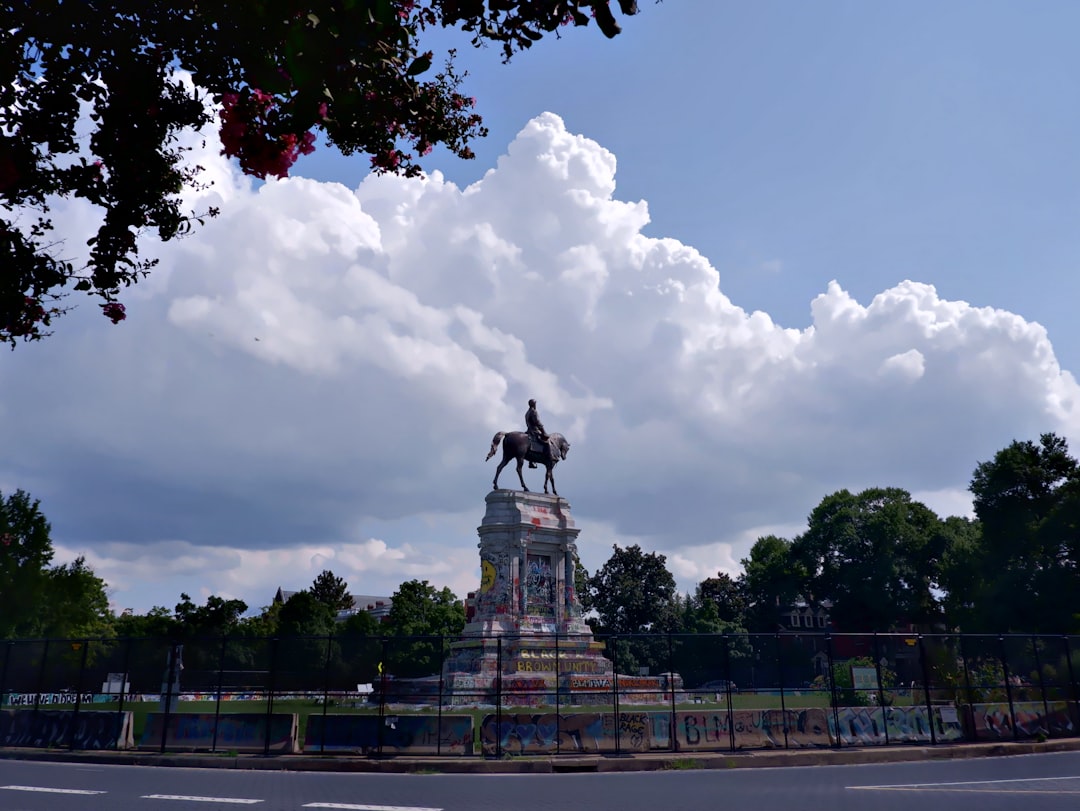
Richmond has a reputation problem — or rather, it had one. For decades the city was defined by a boulevard lined with Confederate generals on horseback, a visual shorthand that flattened everything else about the place. The monuments came down in 2020 and 2021. What they revealed underneath has been there for a long time.
The city that emerges once you stop looking for the old Richmond is considerably more interesting than the one tourists skipped. A James River with Class III rapids running through downtown. A craft beverage district in a former industrial zone that rivals anything Asheville or Portland produces. A neighbourhood called Jackson Ward — once dubbed “Black Wall Street of the South” — that’s reclaiming its cultural weight with museums, Black-owned shops, and a food scene that owes nothing to nostalgia.
None of this is accidental. Richmond earned it, and in some cases fought for it. That tension is part of the draw. This is a city still figuring out what it wants to be, and that honesty makes it a better place to visit than cities that decided long ago. If you last thought about Richmond as a Civil War footnote or a flyover between DC and the Outer Banks, it’s time to reconsider.
A City That Chose to Change
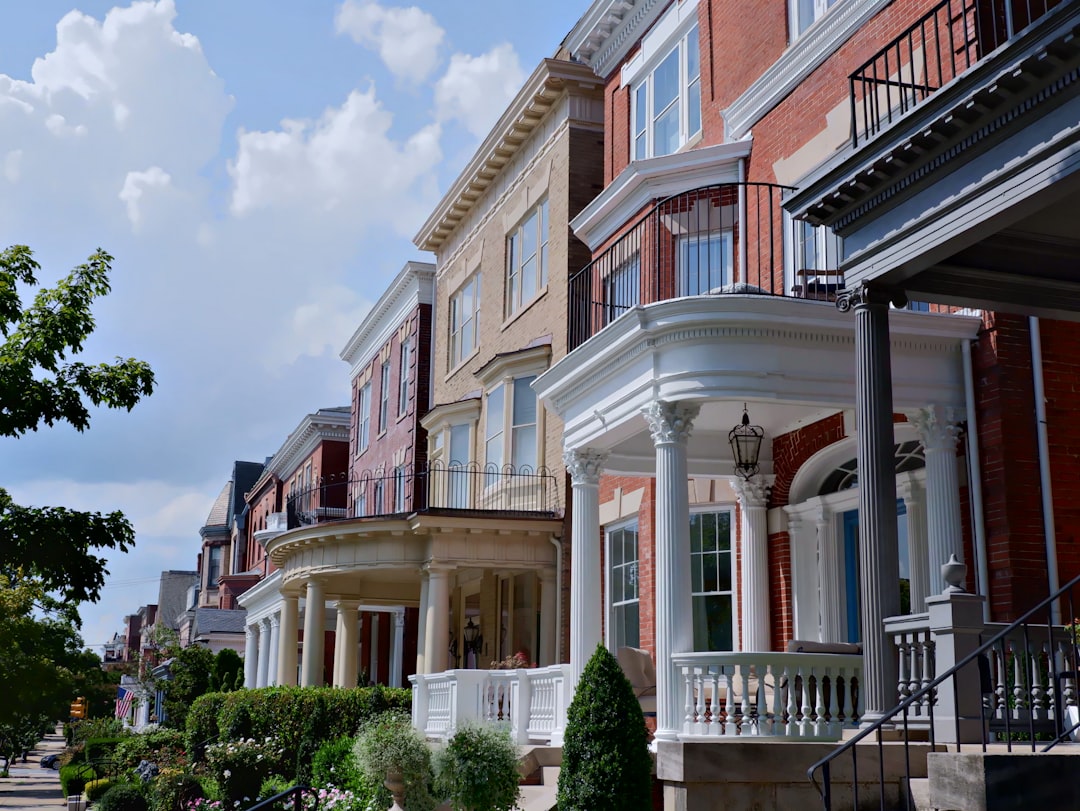
Monument Avenue is worth walking even now — especially now. It remains one of the grandest residential boulevards in the American South, with early twentieth-century architecture and canopy oaks that would be remarkable in any city. But the Confederate statues are gone. The massive Robert E. Lee circle is mulch, planters, and young trees. The only figure left on Monument Avenue is Arthur Ashe, the Richmond-born tennis champion, racket raised in one hand and books in the other. The shift in symbolism is hard to miss.
The more revealing stop is the Valentine Museum downtown, where the toppled Jefferson Davis statue is displayed on its back, still covered in protest paint. The museum chose not to clean it. That decision — presenting the monument exactly as the city left it — says more about Richmond’s reckoning than any official statement. It’s uncomfortable in the right way. The Valentine has also partnered with the Black History Museum to send several Confederate artifacts to a California exhibition, part of an ongoing national conversation about what these objects mean when they’re no longer elevated on pedestals.
There’s no tidy resolution here. The former pedestal sites are still being debated. The city has collected more than 6,000 survey responses — opinions ranging from “put them back up” to “melt them down” to “recontextualise.” Virginia’s governor has requested $10 million to replace the statues with inclusive public art, though nothing has been installed yet. Richmond hasn’t resolved this, and that unfinished quality is part of what makes it compelling. You’re visiting a city mid-revision, and the honesty of that is more interesting than a finished product would be.
Jackson Ward: The Neighbourhood That Built a Legacy
Walk north from downtown and you’ll find Jackson Ward, a neighbourhood that once housed more than 100 Black-owned businesses, six chartered African American banks, and enough cultural gravity to earn the name “Harlem of the South.” This wasn’t metaphorical. Maggie Walker founded the St. Luke Penny Savings Bank here in 1903, becoming the first Black woman in the United States to charter and run a bank. Her house is now a National Historic Site, and it’s a quieter, more personal museum than you’d expect from the National Park Service.
The Black History Museum and Cultural Center of Virginia anchors the neighbourhood with rotating exhibitions that are sharper, more intimate, and more locally focused than the name might suggest. The permanent collection traces African American life in Virginia from the colonial period forward, but the temporary shows are what keep locals coming back — expect photography, oral histories, and community-driven storytelling that you won’t find in a national museum. Down the street, the Elegba Folklore Society keeps African diasporic traditions alive through art, books, and cultural programming. The Deuce, a bar and restaurant from chef Shane Thomas, draws a crowd that isn’t there for the history — they’re there because the food is good. That overlap is what makes Jackson Ward work. It’s not a heritage district frozen in amber. People live and eat and drink here.
Look up while you walk. Jackson Ward has more cast-iron porch work than any neighbourhood in America outside New Orleans. More than 600 structures on the National Register. The neighbourhood was home to the Hippodrome Theater, which hosted Ella Fitzgerald, Duke Ellington, and Billie Holiday. The Bill “Bojangles” Robinson monument marks where the legendary dancer grew up. At street level, The Spot showcases Black creatives, and Rotate is a Black-owned vintage shop that draws a younger crowd mixing heritage with style. The architecture alone is worth the detour, but the story it tells — and the life still happening in it — is better.
Scott’s Addition and the Craft Beverage Boom
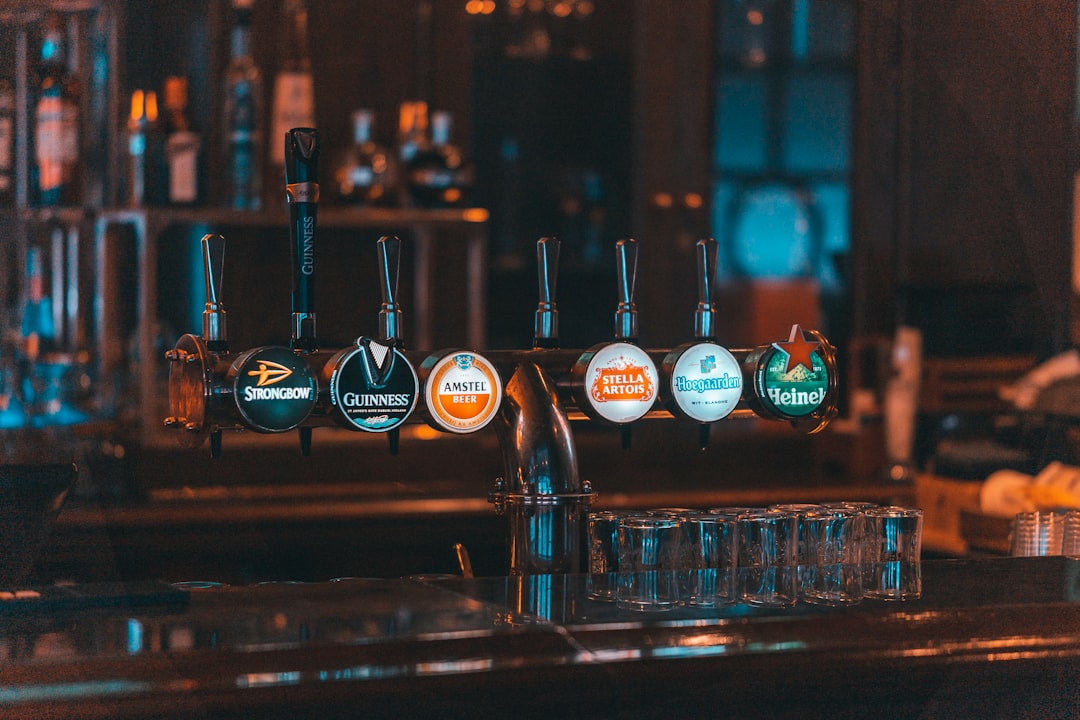
Scott’s Addition is a former industrial district that now holds more than thirty craft breweries, cideries, meaderies, and distilleries within walking distance. The density is remarkable. You can start at The Veil Brewing Co. — nationally recognised for their hazy IPAs and smoothie sours — and hit half a dozen taprooms before dinner without retracing your steps.
The Answer Brewpub deserves its own paragraph. Founded by James Beard semi-finalist An Bui, it’s the first Asian-owned brewery in Richmond. Seventy rotating taps share space with award-winning Vietnamese street food in a 12,000-square-foot community hub on West Broad Street. The pho is as serious as the beer list, which is saying something.
For something quieter, Final Gravity is a small operation that locals swear by. Two of their IPAs placed in a blind tasting of 324 beers. Hardywood Park, one of Richmond’s originals, recently partnered with Starr Hill to combine production. The scene is mature enough to have its own history and consolidation — a sign that this isn’t a trend.
If beer isn’t your thing, the neighbourhood has you covered. Cideries, meaderies, and distilleries fill the gaps. Blue Bee Cider makes traditional Virginia ciders in a warehouse that doubles as an event space. Virago Spirits distils rum and cocktails in a building that still has its original freight elevator. And the old warehouse buildings give every taproom enough exposed brick and steel to satisfy anyone’s industrial-chic requirements.
Scott’s Addition is also where you’ll find the Virginia Museum of Fine Arts nearby, with free general admission and a collection that punches above what you’d expect from a mid-size city — Fabergé eggs, Art Nouveau glass, and a strong contemporary wing. It’s a good counterbalance to an afternoon of brewery hopping, and the café is better than it needs to be.
The James River Runs Through It
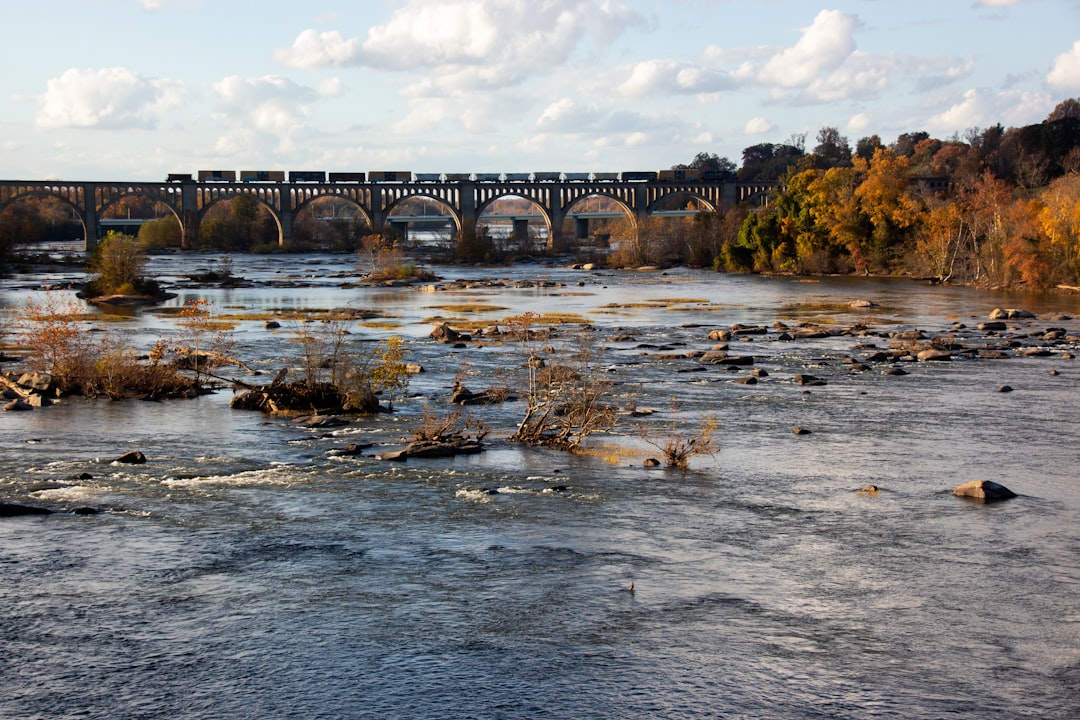
Richmond is one of the only cities in America where you can raft Class III and IV whitewater rapids inside city limits. That fact alone should put it on more travel lists than it does. The James River falls 105 feet over seven miles as it passes through Richmond — a geological accident that powered the city’s early industry and now powers its outdoor culture. Riverside Outfitters runs trips through the urban rapids — the big-water ride lasts about an hour, and the full adventure stretches to three or four hours with lunch on the river. No prior experience required for the introductory runs, though you will get wet.
Belle Isle sits in the middle of the James, reached by a pedestrian suspension bridge that sways enough to make the crossing feel like an event. The island is a strange and wonderful patchwork: Civil War ruins, rock scrambles, a granite quarry pond, mountain biking trails, and flat sunbathing rocks above the rapids. It’s 1.8 miles around the loop trail, mostly shaded, and there’s nothing else quite like it.
For a proper hike, cross Belle Isle via the connector trail and pick up the Buttermilk Trail along the river’s south bank. It’s been named one of the best urban trails in the country, and the full loop back via the North Bank Trail runs about six miles. You’ll forget you’re in a city for most of it. On hot days, Pony Pasture Rapids downstream is where locals go to wade and cool off — a flat, accessible section of the river with gentle enough current to bring children. The James River Park System as a whole stretches over 600 acres through the city, and it’s free.
James River Whitewater Rafting Experience on GetYourGuide
The Table: Where to Eat in Richmond
Richmond’s food scene punches well above what you’d expect from a mid-sized Southern city, and it does so without the self-conscious striving that can make other emerging food cities exhausting. Start with Adarra in Oregon Hill, where chef David Dunlap works with Asian and Virginia influences on seafood that’s deliberately off-centre — cobia collars, rockfish cheeks, catches most restaurants wouldn’t bother with. The menu changes constantly based on what the Chesapeake Bay and Virginia farms are producing. It’s the kind of place that makes you rethink what Virginia cooking can be.
Donnie Glass runs three restaurants that together tell you everything about Richmond’s culinary ambitions. Grisette is the French-Southern bistro — the kind of place where the daily menu depends on what showed up at the market that morning. Jardin is the natural wine spot, small and deliberate, with a list that rewards curiosity over label recognition. Beaucoup is the oyster bar, casual enough for a Tuesday but serious about what’s on the half shell. All three are within striking distance of each other, and regulars make an evening of visiting more than one.
Sub Rosa Bakery deserves a special mention. They mill Virginia grains in-house and fire their oven with wood, and after a devastating fire they’ve rebuilt and reopened to queues around the block. The bread is extraordinary — dense, tangy, and deeply local in a way that supermarket sourdough can only pretend to be. Get there early, because the good loaves sell out by mid-morning. If you can time it right, the focaccia fresh from the oven is one of those things that anchors a whole trip in your memory.
For something more casual, Wong’s Tacos does a Chinese-Mexican fusion that sounds dubious on paper and works beautifully in practice — they’re expanding to a second location in 2026, which tells you everything about how Richmond feels about them. Joe’s Inn has been serving Richmond since anyone can remember, open from 9 a.m. to midnight, exactly the kind of place every city needs and few have. And if you want to understand the brewery-food crossover, The Answer Brewpub’s Vietnamese street food is worth a second visit.
The Carytown neighbourhood is also worth a dedicated wander for food. It’s Richmond’s most walkable strip of independent shops and restaurants, and the small-group walking food tours that run through it cover spots you’d never find on your own. Carytown Walking Food Tour on GetYourGuide
Planning Your Richmond Trip
Three to four days is the right len