3 Days in Adelaide: Why Australia’s Underrated City Deserves Your Attention
Quick Essentials
- 📍 Best Time to Visit: March through May — festival season peaks in March with Adelaide Fringe and WOMADelaide, then autumn settles into the wine regions with harvest, fewer crowds, and golden light through the Barossa vines.
- ✈️ Flights:
Search flights to Adelaide | Direct from Sydney, Melbourne, Perth, and seasonal connections from Auckland and Singapore - 🏨 Hotels:
Browse Adelaide hotels on Booking.com | Our picks below - 🎟️ Top Experience:
Barossa Valley wine tour with lunch — the full-day small-group format gives you cellar doors you’d never find on your own - 🚗 Car Rental:
Compare rental cars in Adelaide - 💰 Budget Range: $180–$350 AUD per day for mid-range to boutique comfort, including wine
The Quiet One
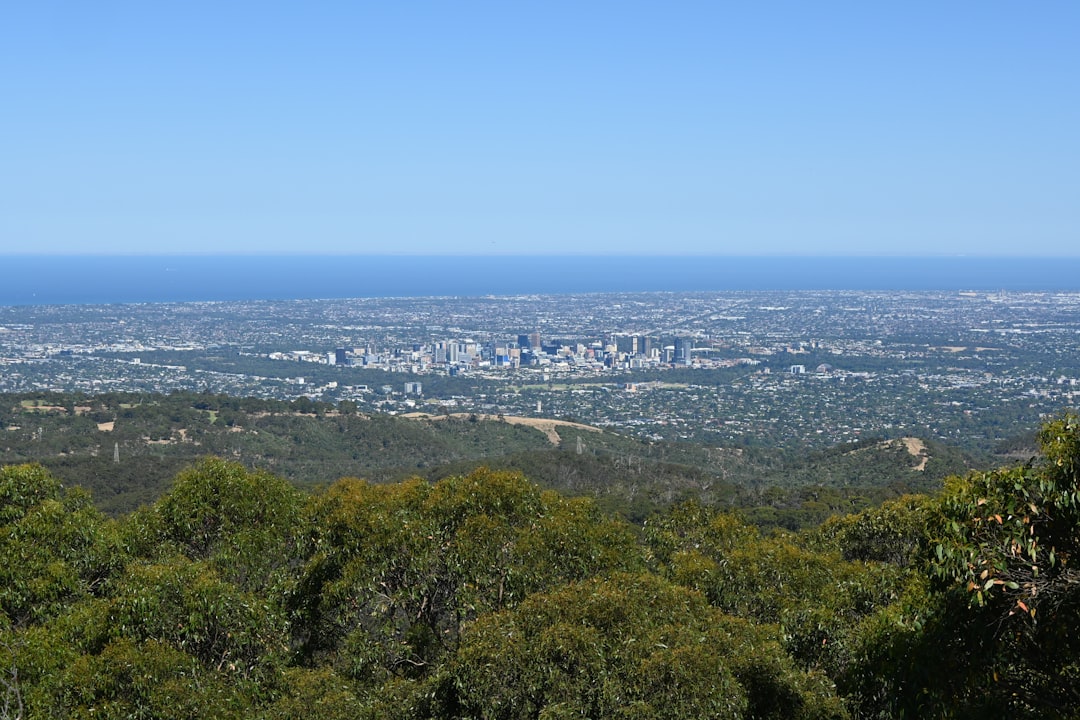
Adelaide is the Australian city that doesn’t campaign for your attention. Sydney has the harbour. Melbourne has the coffee and the attitude. Adelaide just sits there, ringed by parkland and flanked by wine country, waiting for you to figure it out on your own.
Adelaide is often passed through on the way to Kangaroo Island and barely registered. That’s the mistake most people make — treating Adelaide as a transfer point rather than a destination. It takes a slower visit to understand what the city actually offers. It’s not a place that rewards the hurried. It rewards the curious.
Three days is the right frame for Adelaide. Enough time to eat well, get into the wine regions properly, and find the parts of the city that don’t appear in the first page of search results. If you’ve already done Sydney and Melbourne, Adelaide is where Australia gets interesting in a different register — less spectacle, more texture.
Day One: The City That Feeds You
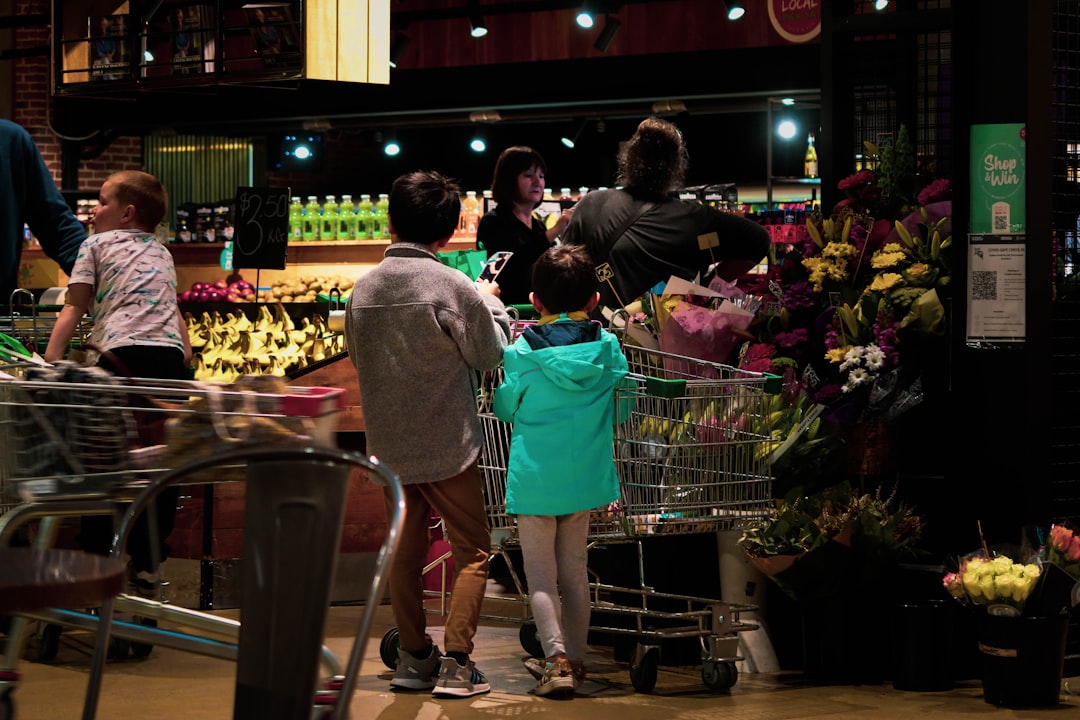
Start at the Adelaide Central Market. Not because it’s a tourist attraction — though it is — but because it tells you more about Adelaide’s food culture in an hour than any restaurant review. The market has been running since 1869 and the vendors here aren’t performing for visitors. The cheese at the Smelly Cheese Shop is genuinely excellent. The oysters are shucked to order. The olive oil selection is better than most specialty stores in Melbourne.
A guided tour gives you the stories behind the stalls, not just the tastings.
→ Adelaide Central Market guided food tour
From the market, walk east. Adelaide’s CBD is compact enough that everything worth seeing on North Terrace is within fifteen minutes on foot. The Art Gallery of South Australia is free and genuinely good — the Australian collection is one of the strongest in the country, and the Indigenous gallery deserves an hour by itself. The South Australian Museum next door is the same: free, uncrowded, and better than you’d expect.
The East End is where you’ll eat dinner. The laneway culture here is quieter than Melbourne’s, but what it lacks in volume it makes up for in quality. Ebenezer Place is a car-free laneway lined with independent shops and restaurants that feels like it belongs in a much larger city. For something specific, try Kutchi Deli Parwana — Afghan street food in a narrow space that serves lentil curries and leek-stuffed dumplings that have no business being this good in a city known for shiraz.
If you want something more polished, Esmay at the Hackney Hotel runs a seven-course tasting menu using hyperlocal produce. It’s $95 a head before drinks, and it’s the kind of meal where you remember individual plates a week later.
Day Two: Wine Country, Done Properly
This is the day that justifies the trip. Adelaide sits within striking distance of three major wine regions — Barossa Valley, McLaren Vale, and the Adelaide Hills — and the temptation is to try and cover two in a day. Don’t. Pick one. Do it properly. Linger.
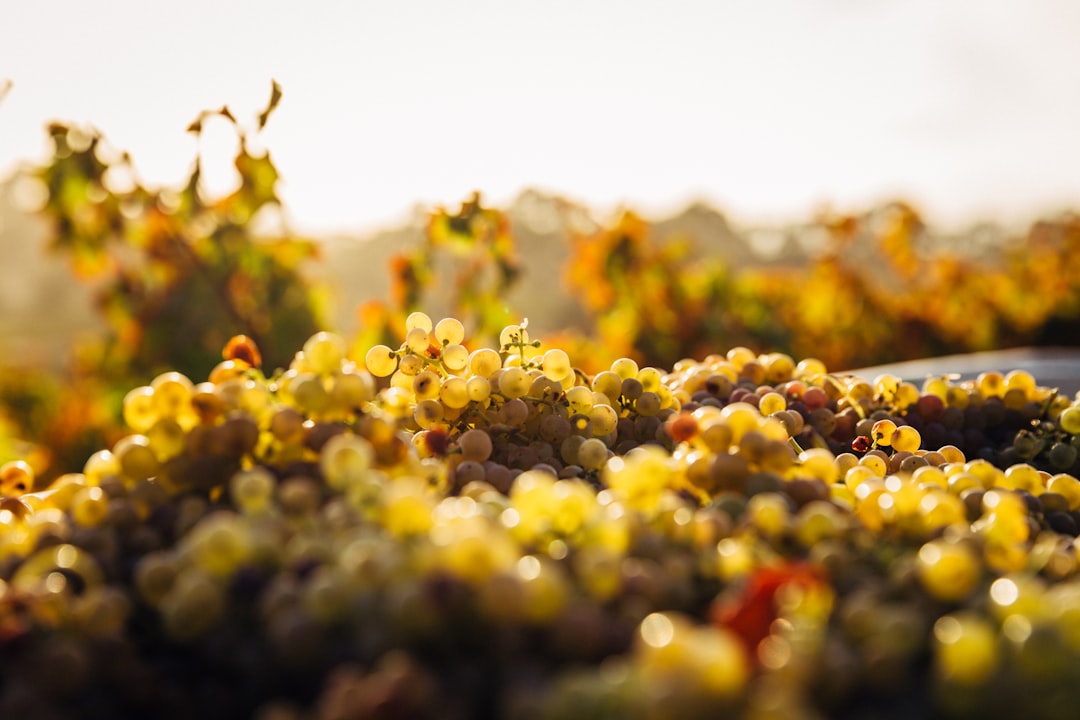
The Barossa Valley is sixty minutes northeast and it’s Australia’s shiraz heartland. You know the names — Penfolds, Jacob’s Creek, Henschke — but the smaller producers are where the real discoveries happen. A good small-group tour takes you to cellar doors that aren’t open to walk-ins, and the guides know which winemaker will pour you something that never leaves the region.
→ Barossa Valley full-day wine tour with lunch
If the Barossa feels too established for your taste, McLaren Vale is thirty-five minutes south and it’s wilder. The wineries here have personality — d’Arenberg Cube looks like a Rubik’s cube dropped into a vineyard, Alpha Box & Dice names every wine with a letter of the alphabet, and Down the Rabbit Hole has a blue double-decker bus parked outside. The wines are just as serious. The atmosphere isn’t.
→ McLaren Vale wine and food experience
Either way, eat lunch at the winery. A sandwich in the car between cellar doors is a waste of a day in one of Australia’s best food regions. Every serious producer has a restaurant or at least a platter worth sitting down for. Take the long way back through the Adelaide Hills — the light through the gum trees in the late afternoon is the kind of thing you pull over for.
Day Three: Coast, Gorges, and the Unexpected
Use the morning to get out of the CBD. Two options, depending on what you’re after.
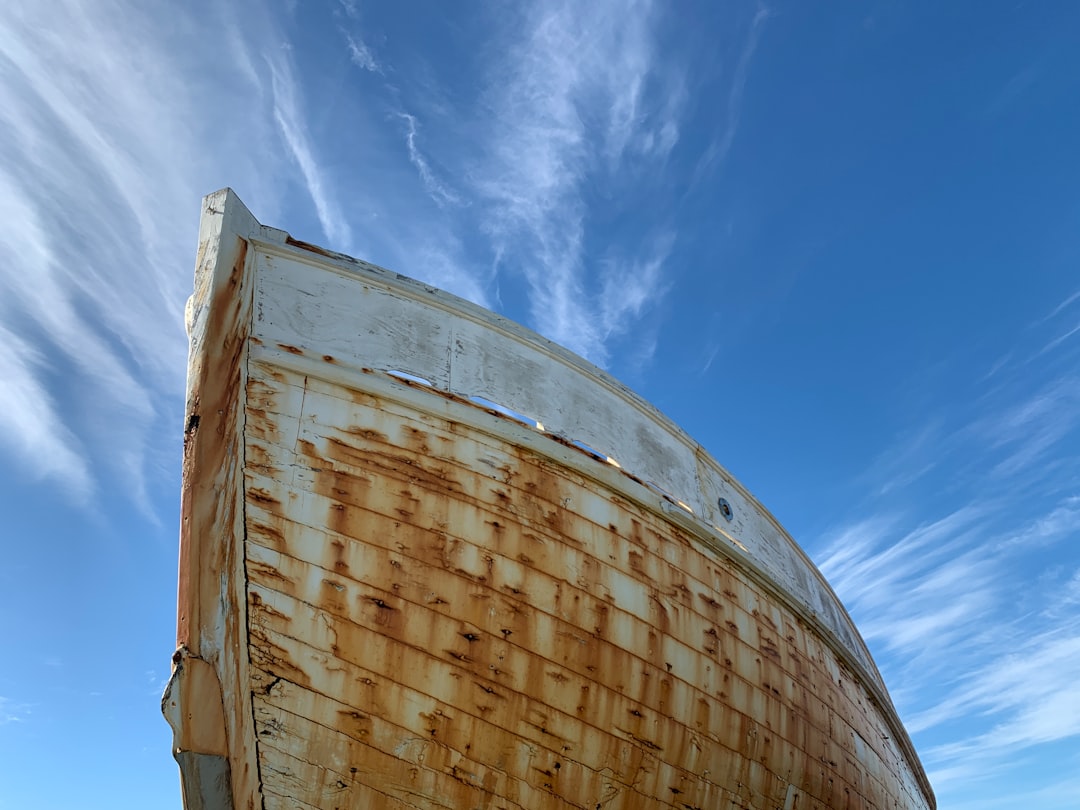
Port Adelaide is twenty minutes northwest and it’s the side of the city that most visitors skip entirely. The Garden Island Ships’ Graveyard is a maritime heritage trail with twenty-five abandoned vessels — barges, ferries, sailing ships, steamers — disposed of between 1909 and 1945. You can walk the trail at low tide and photograph rusting hulls against flat water. It’s eerily beautiful and completely empty of tourists. The street art in Port Adelaide’s laneways is also worth the trip — multi-storey murals that rival anything in the inner city.
If you’d rather be outdoors, Morialta Conservation Park is twenty minutes east. Rugged ridges, three waterfalls, and bushwalking trails that feel genuinely remote despite being practically in the suburbs. The first falls trail is an easy thirty-minute walk. The third falls loop is steeper, quieter, and better.
In the afternoon, consider something distinctly Adelaide: BBQ Buoys on the River Torrens. You captain your own donut-shaped boat with a built-in barbecue, sun umbrella, and Bluetooth speaker. It sounds ridiculous. It is ridiculous. It’s also one of the most fun things to do on a river in Australia.
For your final evening, head to Glenelg Beach via the tram from the CBD — a twenty-five minute ride that drops you at the waterfront. The swimming is good, the fish and chips at the jetty are decent, and watching the sun drop into the Gulf St Vincent is a proper way to close out three days.
When to Go (And When to Skip)
March is the headline month. Adelaide Fringe runs for thirty-one days across February and March, and it’s the largest arts festival in the Southern Hemisphere. The Adelaide Festival and WOMADelaide overlap in March, turning the city into a continuous stream of performances, concerts, and late-night venues. They call it “Mad March” and the name fits.
April and May are my preference. The festivals are over, the crowds evaporate, the wine regions are deep into harvest, and the weather is perfect — clear skies, daytime temperatures around 20–25°C, cool evenings that make dinner outdoors comfortable without a jacket. The autumn colour in the Barossa and Adelaide Hills is genuinely beautiful, and cellar doors are pouring new vintages.
Skip January unless you love heat. Adelaide’s summers regularly push past 40°C and the city bakes. June through August is mild and quiet — good for an off-season visit if you’re combining Adelaide with something else, but the wine regions lose their energy.
Where to Settle In
Hotel Indigo Adelaide Markets. Steps from the Central Market, festival-themed decor that actually works, and a location that puts you in the heart of the food scene. It’s the right base if eating and drinking is the point of your trip — and in Adelaide, it should be.
→ Hotel Indigo Adelaide Markets on Booking.com
The Playford Adelaide. On North Terrace in the cultural precinct, walking distance to the Art Gallery and Botanic Gardens. Heritage architecture with polished service. The more traditional choice, and a good one if you want to be near the museums and parkland.
→ The Playford Adelaide on Booking.com
Mount Lofty House, Adelaide Hills. Twenty minutes from the CBD, built in 1852, surrounded by the Hills wine region. If you want to wake up among vineyards and drive into the city when you feel like it, this is the move. The restaurant here — Hardy’s Verandah — is worth a dinner even if you’re not staying.
→ Mount Lofty House on Booking.com
The Table: What to Eat and Drink
A proper Barossa shiraz at the source. Not from a bottle shop. Sit at a cellar door in the Barossa Valley and taste single-vineyard expressions that never leave the region. This is non-negotiable.
Pie floater from a late-night cart. Adelaide’s iconic working-class dish: a meat pie floating in thick pea soup, topped with tomato sauce. It’s messy, it’s an acquired taste, and it’s one of the few genuinely unique food traditions left in urban Australia.
Central Market grazing. Skip a formal lunch and eat your way through the stalls. Cheese, oysters, local olives, artisan bread, and whatever fruit is in season. A better meal than most restaurants, and cheaper.
Haigh’s Chocolates. Australia’s oldest family-owned chocolatier, operating since 1915. The free factory tour is worth doing, and the original store on Rundle Mall sells handmade chocolates that are a legitimate step above anything else in the country.
Omada for contemporary Greek. Simon Kardachi’s newest restaurant opened late 2025 and it’s already one of the best things in the city. The spanakopita and taramasalata are executed with a precision that elevates the familiar.
Plan Your Trip to Adelaide
Best time to visit: March through May — March delivers the festival season, April and May bring harvest in the wine regions with fewer crowds and perfect weather.
✈️ Getting There
Search flights to Adelaide on Skyscanner
🏨 Where to Stay
- Hotel Indigo Adelaide Markets — Steps from the Central Market, festival-themed, best base for food-focused travelers
- Mount Lofty House, Adelaide Hills — Heritage splurge in wine country, 20 minutes from the CBD
🎟️ What to Book in Advance
- Barossa Valley full-day wine tour with lunch
- Adelaide Central Market guided food tour
- Kangaroo Island wildlife and nature day trip
📦 Pack Right
Insulated wine tumbler — you’ll want one for the outdoor cellar door tastings that aren’t behind a counter.
Some links in this post are affiliate links. If you book through them,
CuriosityTrail earns a small commission at no extra cost to you.
Recommendations are chosen on merit; commissions never decide what’s included.