Asheville, North Carolina: Gilded Age Grandeur, Independent Appetite
Quick Essentials
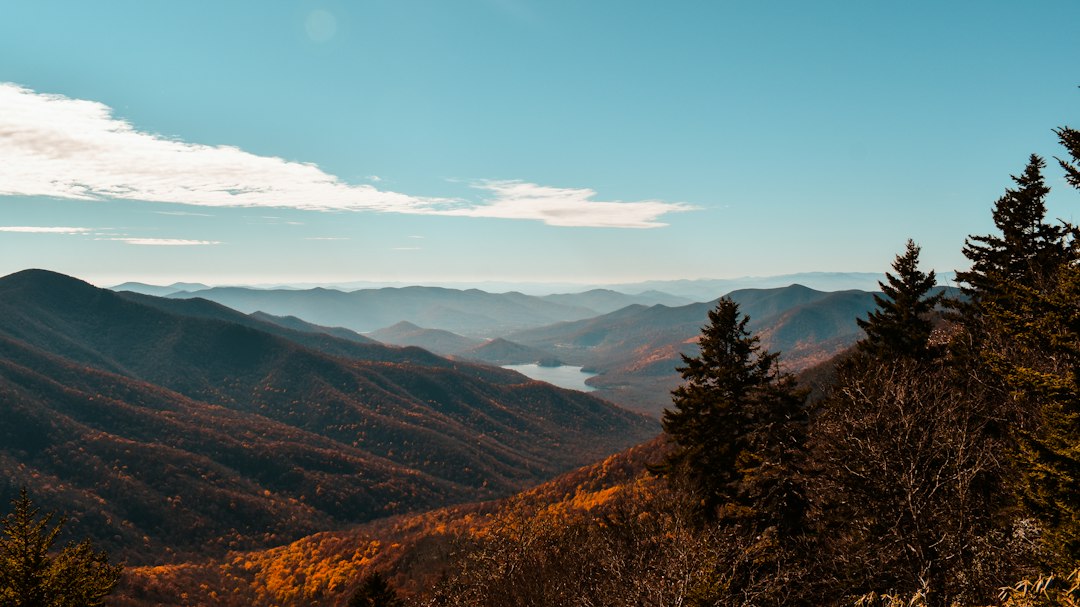
- 📍 Best Time to Visit: Late September to early November, when color slides down the mountains week by week and the Parkway overlooks earn their names.
- ✈️ Getting There: Search flights to Asheville on Skyscanner | Nonstop to Asheville Regional (AVL) from Atlanta, Charlotte and Chicago; schedules change, so check before booking
- 🏨 Where to Stay: Browse Asheville hotels on Booking.com | Our picks below
- 🎟️ Don’t Miss: Biltmore Estate admission on GetYourGuide
- 💰 Budget Range: Mid-range to splurge; rates climb in October and over the Christmas season at Biltmore, so check current prices before fixing dates.
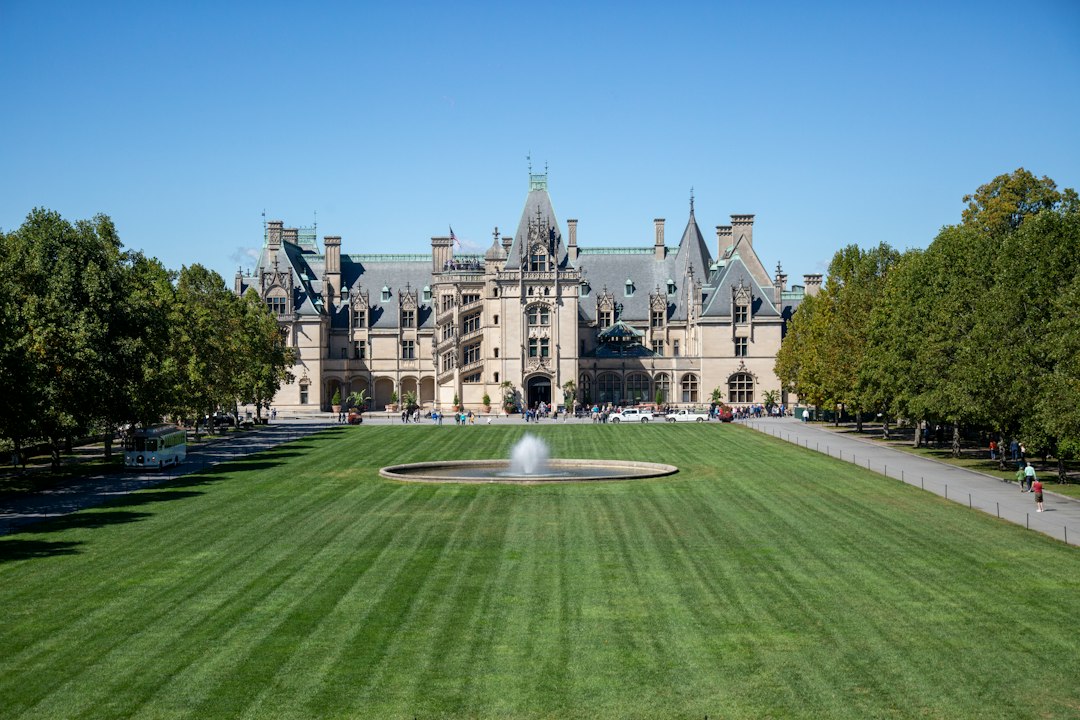
If you want a mountain trip with plenty to do in one place, Asheville delivers. Tour the Biltmore, the 250-room house George Vanderbilt finished in 1895, then spend your evenings downtown, where restaurants, breweries and galleries are an easy walk apart. It works as a long weekend and is better with four or five days. This guide covers where to stay, how to do the Biltmore well, where to eat, and one good day on the Blue Ridge Parkway.
You can spend a morning among Flemish tapestries and Olmsted’s landscape at the Biltmore, and by evening be drinking a barrel-aged sour in a converted garage on the South Slope. This guide is for the traveler who has already done Charleston and Savannah and wondered what the South looks like a few thousand feet higher.
It is also a city still mending. Hurricane Helene flooded the River Arts District along the French Broad in late September 2024. Downtown, the South Slope, West Asheville and the Biltmore are open, and the plain truth is that spending money here is part of how the place recovers.
Where to Stay in Asheville: Stone Lodges and the South Slope
Where you sleep decides which Asheville you get. Up the mountain you get the view and the history; downtown you get the walk home from dinner.
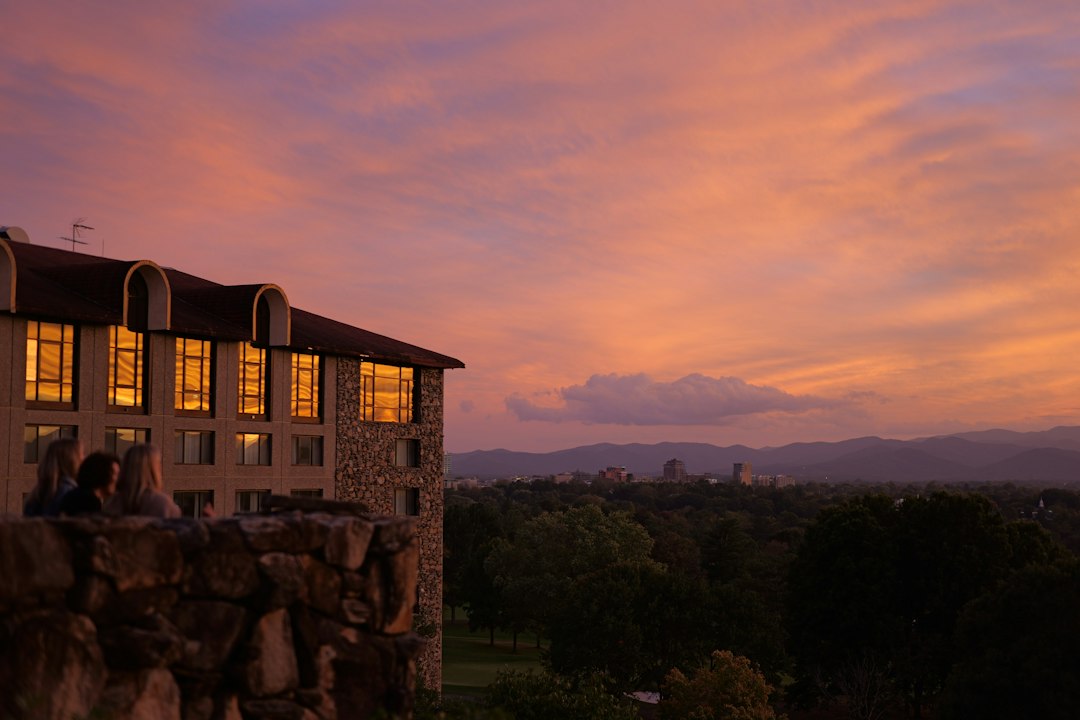
The Omni Grove Park Inn. The splurge, and the city’s grand old dame: a 1913 Arts and Crafts lodge built from boulders on the side of Sunset Mountain, with fireplaces you could stand inside and a terrace made for watching the light go off the ridges. It is a short drive from downtown, which is the trade-off. → The Omni Grove Park Inn, Asheville
The Foundry Hotel. The downtown pick with character, set in the former steel foundry buildings of the historic Block downtown, a short walk from Pack Square and the South Slope. Brick, iron and an easy walk to the breweries. → The Foundry Hotel, Asheville
Hotel Indigo Asheville Downtown. The mid-range choice, unglamorous but well placed at the edge of downtown, which is precisely the point when the best of the city is on foot. → Hotel Indigo Asheville Downtown
If you would rather wake up inside the estate, The Inn on Biltmore Estate sits above the vineyards and lets you have the grounds before the day visitors arrive. And if you prefer neighborhoods to hotels, look at short-term stays in West Asheville, where Haywood Road has the coffee shops and the locals.
The Biltmore, Done Properly
There is a way to see the Biltmore that feels like queuing at an airport, and a way that feels like being Vanderbilt’s guest for a day. The difference is mostly planning.
Book online and early. Prices vary by date and season, buying ahead saves $10 per ticket, and the estate recommends booking at least seven days in advance. Reservations are required every day for Biltmore House entry, so do not turn up hoping. → Biltmore Estate admission
Take the first house slot you can get. The banquet hall, with its soaring ceiling and triple fireplace, is best seen before the rooms fill. The library is the real treasure, though: two stories of books, a ceiling painting brought over from a Venetian palazzo, and concealed doors on either side of the fireplace mantel that lead to a private passage up to the family’s second-floor Living Hall.
Then give the grounds the time the house got. Every ticket includes 8,000 acres of gardens and grounds, and Frederick Law Olmsted, the man behind Central Park, designed the long, winding Approach Road to hide the house until the last possible moment. The walled garden and the conservatory below the house are the obvious stops. The Bass Pond, a walk further on, is where the estate goes quiet.
Finish at Antler Hill Village & Winery. A wine tasting is included with every ticket, and the winery is better than an estate winery has any right to be. Don’t come expecting Napa. Come expecting a glass of something decent in a converted dairy barn after a long day on your feet.
From early November into early January, Christmas at Biltmore turns the house into the most elaborate holiday display in the South, with candlelight evenings that sell out. It is a different visit, and a very good one, but book even further ahead.
One more thing the day-trippers miss. The estate is a working farm as well as a museum, and the land between the house and the village, with its river bottoms, fields and woods, is the part Vanderbilt and Olmsted actually spent most of their energy on. Walk or cycle a little of it, and the house starts to make sense as the center of something larger rather than a monument plonked on a hill.
Downtown, the Grove Arcade and the River Arts District
Downtown Asheville is compact, hilly and better on foot than its parking garages suggest. The architecture is the surprise: a run of Art Deco buildings from the 1920s boom, the tiled terracotta-and-green crown of City Hall among them, that survived largely because the Depression hit Asheville so hard there was no money to tear them down.
The Grove Arcade is the building most visitors walk past. Opened in 1929 as one of the country’s early indoor shopping arcades, with winged lions guarding its entrances, it now holds shops, restaurants and skylit halls. Go inside for the light alone.
It is worth knowing that the Arcade was meant to be the base of a skyscraper that never came: Edwin Wiley Grove, the patent-medicine man who also built the Grove Park Inn, died before it was finished. Asheville is full of unfinished ambitions like that. Most of them turned out better as they are.
Two more stops are easy to miss. The Basilica of St. Lawrence on Haywood Street, designed by the Spanish architect Rafael Guastavino and completed in 1909, is built entirely of masonry and tile, with no wood or steel, and its elliptical dome is believed to be the largest freestanding one in North America. Not far from downtown, the Montford Historic District is a neighborhood of Victorian, Queen Anne and Arts and Crafts houses built mostly between 1890 and 1920, and it is home to a good number of bed-and-breakfasts. The houses are private homes, so Montford is for strolling past rather than going inside.
From there, Pack Square and Biltmore Avenue carry you south into the South Slope, the former warehouse district that became Asheville’s brewery quarter. It is the liveliest few blocks in western North Carolina after dark. → Asheville brewery walking tour
The River Arts District is the harder story. The old mills and warehouses along the French Broad, home to hundreds of working artists, took the worst of Helene’s flooding, and some of the buildings are gone for good. What remains is rebuilding studio by studio, and the sprawling art-and-antiques market at Marquee is back in business. Go, buy something, and check individual studios for hours before you set out; they keep their own.

The Table: Where to Eat and Drink in Asheville
Asheville eats far above its population. The reason is partly the farms in the surrounding valleys and partly a chef community that decided, some time ago, that it would rather be interesting than safe.
Chai Pani. Indian street food, done with joy and no reverence, and the 2022 winner of the James Beard award for Outstanding Restaurant in the country. Order the bhel puri and the okra fries.
Cúrate. Katie Button’s Spanish tapas bar on Biltmore Avenue, the restaurant that put Asheville on the national map and won the 2022 James Beard award for Outstanding Hospitality. The jamón is carved to order and the croquetas are the test of any kitchen. Reserve.
Biscuit Head and Sunny Point Café. Breakfast is serious business here. Biscuit Head does cathead biscuits the size of a fist with a jam bar alongside; Sunny Point in West Asheville does the brunch locals actually queue for.
French Broad Chocolate Lounge. Drinking chocolate thick enough to stand a spoon in, a few steps from Pack Square. The liquid truffle is the order.
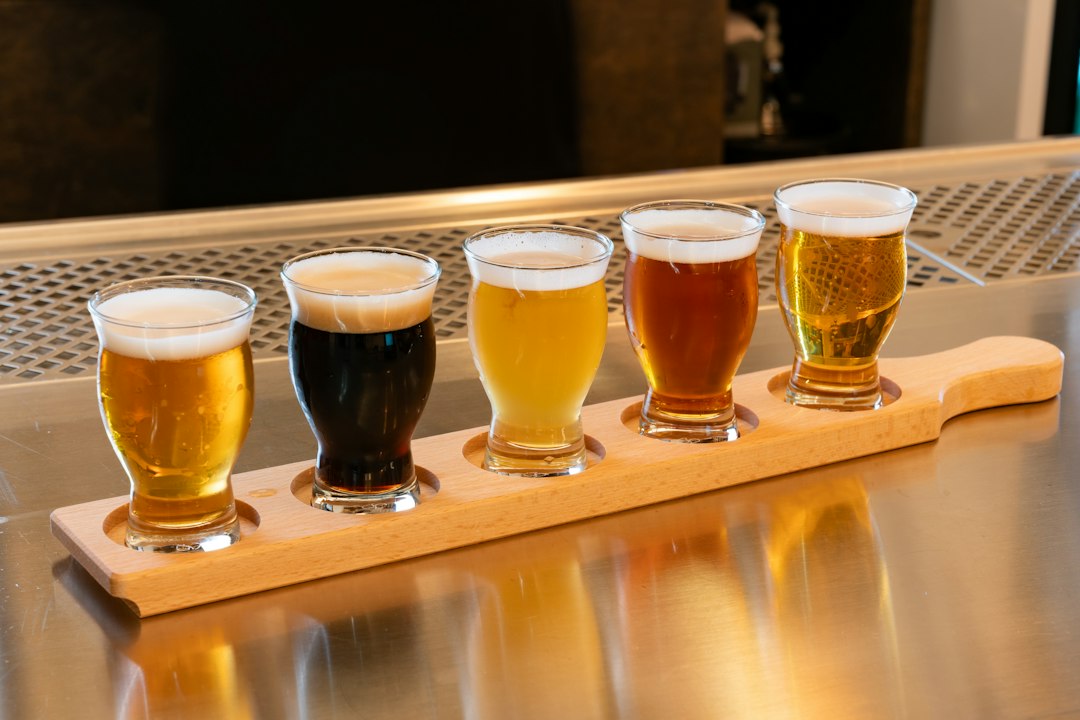
The breweries. For a city of its size, Asheville’s beer scene is absurd. Highland Brewing, founded in 1994 and a short drive east of downtown, was the first modern brewery here and still does the steady classics. Burial Beer Co. on the South Slope does the inventive end. Wicked Weed’s Funkatorium is a cathedral to sour and barrel-aged beer, and worth the visit even if you think you don’t like sours. Check its days before you go, as it is closed some weekdays. Sit at the bar and ask what’s new.
West Asheville. Cross the French Broad and Haywood Road is where the city goes to eat when it isn’t showing off: taquerias, bakeries, a barbecue joint or two and bars where the regulars have their own stools. It has none of downtown’s polish and all of its appetite. Wander it on an empty stomach and let the queues guide you; the longest one is usually right.
If you would rather have someone else plan the grazing, a downtown food walk covers the classics and the stories behind them in an afternoon. → Asheville downtown food tour
A Day on the Blue Ridge Parkway
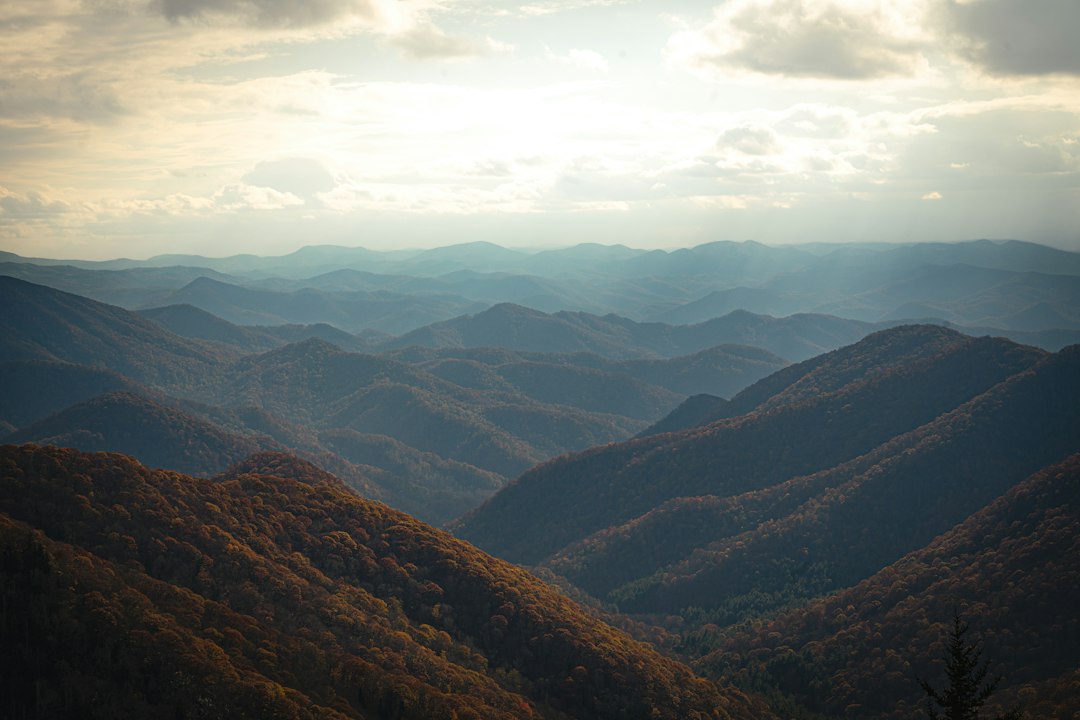
The Parkway is the gentle counterpoint to everything above: no tickets, no reservations, just a ridge-top road built for looking, running from Virginia’s Shenandoah to the Great Smokies. You only need a small piece of it.
Start at the Folk Art Center at Milepost 382, minutes from downtown. The Southern Highland Craft Guild runs it, and the gallery of quilts, woodwork and pottery is the best introduction to what the mountains have made for two centuries. The shop is where to buy the thing you’ll actually keep.
From there, head north to Craggy Gardens, where rhododendron tunnels give way to bald summits and a view that does not need a filter. Or go south past the French Broad toward Mount Pisgah and the Looking Glass Rock overlooks, where the granite face shines when the light hits it wet.
A word of caution. Helene damaged long stretches of the Parkway, and while the sections around Asheville are open, expect delays. Repairs continue elsewhere, closures change daily, and the stretch between Mount Mitchell and Little Switzerland is closed with no guaranteed reopening date. Check the National Park Service road status page the morning you go. If you’d rather leave the driving to someone else, a guided day out covers the overlooks and a waterfall or two. → Blue Ridge Parkway scenic tour from Asheville
When to Go
October is the month everyone wants, and with reason. Color starts high on the ridges in late September and works its way down to the city through the month, so a trip at almost any point in that window catches it somewhere. The cost is that every room in town knows it. Book early and expect weekend crowds on the Parkway.
Late April and May are the connoisseur’s choice. The Biltmore gardens are at their best, the azaleas begin flowering along the Parkway, and the city is busy without being full. The high rhododendron show at Craggy Gardens comes later, in June.
November into early January belongs to Christmas at Biltmore. The mountains are bare, but the house is lit, the breweries are warm and the restaurant tables are easier to get. Summer is green, humid and pleasantly cooler than the lowland South, which is why Vanderbilt came in the first place.
Practical Notes
Reserve dinner. Cúrate and the better downtown tables book out on weekends. Reserve a week or more ahead in October.
You will want a car. Downtown is walkable, but the Biltmore, the Grove Park Inn and the Parkway are all a short drive out, and public transport to the overlooks does not exist.
Hills. Downtown is steep in places. Wear shoes you can walk uphill in after a flight of beer.
Check before you go. Helene changed the map. Studio hours in the River Arts District and Parkway closures are worth confirming the day before, not the week before.
Ready to Plan Your Trip to Asheville?
You’ve done the reading. Here’s everything you need to make it happen.
🎟️ What to Book in Advance
Some links in this post are affiliate links. If you book through them, CuriosityTrail earns a small commission at no extra cost to you. Recommendations are chosen on merit; commissions never decide what’s included.
Daniel Whitaker
Daniel writes about food scenes, neighborhood history and the character of North American cities.
More posts from Daniel →