Calgary Beyond Banff: The Food and Culture Scene Worth Staying For
Quick Essentials
- 📍 Best Time to Visit: Late June through September — September is the sweet spot for warm days, fall color, and hotel rates that haven’t tripled for Stampede.
- ✈️ Getting There: Search flights to Calgary on Skyscanner | Direct from most major Canadian cities, plus Seattle, Denver, and Los Angeles.
- 🏨 Where to Stay: Browse Calgary hotels on Booking.com
- 🎟️ Don’t Miss: Iconic Eats of Calgary Food Tour on GetYourGuide
- 🚗 Car Rental: Compare rental cars in Calgary
- 💰 Budget Range: $180–$350 CAD per day for mid-range to splurge dining, a good hotel, and an experience or two.
The Gateway Problem
Here’s what usually happens with Calgary: you land, you pick up the rental car, and you drive west. Banff is ninety minutes away and the mountains are calling and you have a reservation at some lodge and that’s that. Calgary becomes a set of highway signs in your rearview mirror.
It’s a common pattern, and the city becomes a formality — the place where the airport is.
But a delayed flight can give you an unplanned afternoon in the city, and the right response is to walk. Find a neighborhood. Find lunch. You’ll find a city that has been quietly becoming something while everyone drives past it.
Calgary has changed. Not in the flashy, look-at-us way that some cities announce their reinvention, but in the way that matters more — new restaurants that are genuinely good, creative neighborhoods that are still emerging rather than finished, and a food culture that reflects the city’s particular character instead of borrowing someone else’s. It deserves a day or two of your trip. Honestly, it might deserve three.
When the City Feels Like Itself
Calgary’s summers are gorgeous — warm days in the low to mid-twenties Celsius, long light, and a city that finally exhales after a hard winter. June through August is festival season, and the energy is palpable.
The obvious caveat is Stampede. For ten days in July, Calgary becomes a rodeo-and-pancake-breakfast spectacle that draws over a million visitors. If that’s your thing, wonderful — book six months out and expect hotel rates to triple. If it’s not your thing, avoid that window entirely. The city on either side of Stampede is calmer, more itself, and significantly cheaper.
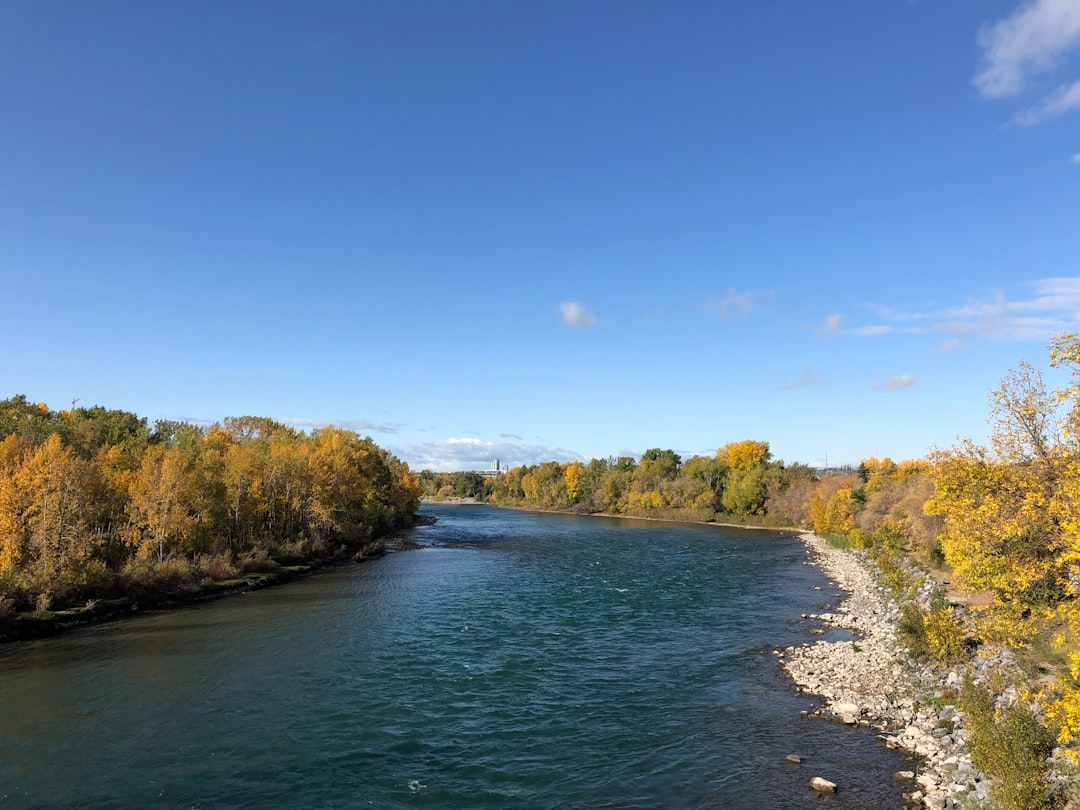
September is the month the locals will quietly recommend. The weather holds, the crowds thin, and the first edge of fall color appears along the Bow River. Beakerhead — Calgary’s science-meets-art festival — happens in September too, with large-scale installations scattered across the city. It’s the kind of event that makes you rethink what Calgary is.
If you can handle cold, February’s Hot Chocolate Festival turns seventy-plus cafés into creative hot chocolate labs. It’s a small, charming reason to visit a city most people ignore in winter.
Where to Set Up Base
The neighborhood you choose shapes your Calgary. This isn’t a city where “downtown” is the default answer.
Kensington is where I’d stay. It’s Calgary’s most walkable neighborhood — a compact grid of independent coffee shops, wine bars, bookstores, and restaurants that feels like it belongs to the people who live there rather than the people who visit. The Bow River pathway runs along its southern edge, and you can walk to downtown in fifteen minutes without ever needing a car. Hotel Arts Kensington is a boutique property with genuine character in the middle of it all.
→ Browse Kensington hotels on Booking.com
East Village is the transformed option. Ten years ago this was a neglected stretch of riverfront. Now it’s home to Studio Bell, new public spaces, and a handful of smart hotels. Alt Hotel Calgary East Village is design-forward and well-priced — a good base if you want to be near the river and the cultural institutions.
→ Browse East Village hotels on Booking.com
For a proper splurge, Hotel Le Germain Calgary downtown delivers. Sophisticated rooms, excellent service, and a central location on Stephen Avenue. It’s the kind of city hotel that makes you feel like you’re visiting a place that takes itself seriously — in the best way.
→ Browse downtown Calgary hotels on Booking.com
Beyond the Obvious: Inglewood, the Barley Belt, and InRaMa
This is where Calgary gets interesting for someone who’s already seen the Tower and checked off the zoo.
Inglewood is Calgary’s oldest neighborhood — established in 1875 — and today it operates as a kind of bohemian counterweight to downtown’s corporate glass. The main strip is lined with vinyl shops, vintage clothing stores, and independent cafés that haven’t been replaced by chains. The Esker Foundation, a contemporary art gallery, is free and consistently excellent. Live music venues dot what the city calls the Music Mile, and the whole area has an energy that feels earned rather than manufactured.
Give Inglewood an entire afternoon; a record shop is one reason you may not want to leave. That’s what Inglewood does — it invites you to stay longer than you planned.
The Barley Belt is Calgary’s answer to the craft brewery question, and it’s a good one. Clustered in the Manchester industrial district just south of the Stampede grounds, a handful of breweries — the Establishment (2021 Canadian Brewery of the Year), Banded Peak, Born Colorado, Cabin Brewing — sit within walking distance of each other. You can do this on your own or book a guided tour that handles transportation and gets you behind the scenes.
→ Barley Belt craft brewery tour
What ties it together is InRaMa — the Inglewood-Ramsay-Manchester triangle that Calgary’s creative community has been quietly building out. Studios, murals, small galleries, and new restaurants keep appearing. It’s still emerging, not polished, not curated, and that’s precisely why it’s worth seeing now. In five years, someone will write about how it used to be. Go while it still is.
The Table: Where Calgary Eats Now
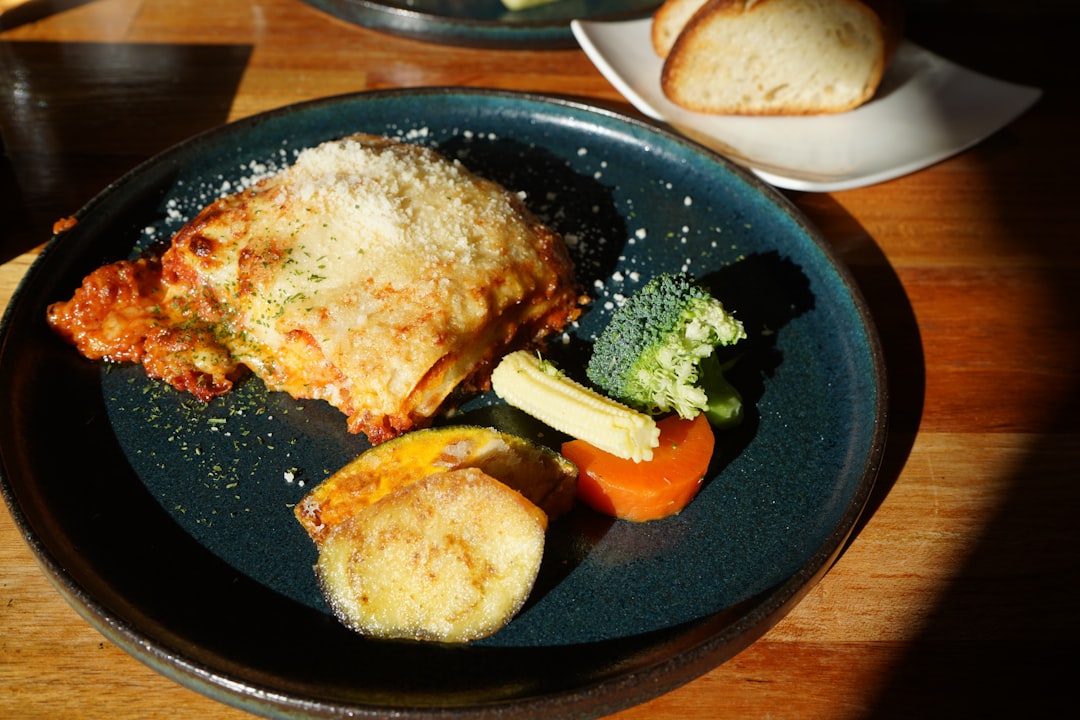
The food is where Calgary’s evolution is most convincing. This is not a steakhouse town anymore — or rather, it’s a steakhouse town that also has everything else.
Ten Foot Henry is the restaurant that changed the conversation. Named after a ten-foot replica of a 1930s comic strip character that once stood in the city, it puts vegetables at the center of the plate and makes them the most exciting thing you’ll eat all day. The menu is designed for sharing, the room is bright and unpretentious, and the fact that a vegetable-focused restaurant became one of Calgary’s most beloved spots tells you something about where this city’s palate has gone.
Shokunin does Japanese izakaya with seasonal ingredients and a rare sake list. It’s been on Canada’s top 50 restaurants list for three consecutive years, and the quality of the small plates justifies every bit of that recognition. Go with someone who likes to share and order widely.
For the view and the occasion, Major Tom sits on the 40th floor of Stephen Avenue Place with a beef program that reminds you Alberta still knows its way around a steak. The panoramic sweep from downtown to the mountain foothills is the kind of thing you remember. This is Calgary’s splurge dinner, and it earns it.
River Café occupies a setting that no other Calgary restaurant can match — inside Prince’s Island Park, sourcing locally, with a menu that’s made Canada’s 100 Best list multiple times. It’s the meal that will make you reconsider whether Calgary was worth the stop. It was.
For a Saturday morning, the Calgary Farmers’ Market is the move. Fresh Alberta produce, baked goods, local vendors with samples, and the kind of unhurried weekend energy that makes you feel like you live here. It’s easy to buy too much, and you won’t regret it.
A Day Well Spent
If you have one full day in Calgary — and I’d argue for two — here’s how I’d spend it.
Start in Kensington with coffee at one of the neighborhood’s independent shops. Walk the Bow River pathway east into downtown. Pick up the Iconic Eats food tour along Stephen Avenue if you want a guided introduction to the food scene — it covers history and architecture along with the tastings, and it’s a smart way to orient yourself.
→ Iconic Eats of Calgary Food Tour
After lunch, cross the river to Inglewood. Give yourself two hours minimum. Browse the shops, visit the Esker Foundation, and let the neighborhood set its own pace. If it’s a nice day, the walk along the river between downtown and Inglewood is one of the best urban walks in western Canada.
Late afternoon, head to the Barley Belt for a flight or two. Early evening, clean up and book dinner at Ten Foot Henry or Shokunin — both take reservations and both are worth planning around.
If you have a second day, spend the morning at the Calgary Farmers’ Market and the afternoon at Studio Bell. The National Music Centre is better than you’d expect — genuinely interactive, with over 2,000 rare instruments and exhibits that are designed for adults, not just school groups. End with dinner at River Café in Prince’s Island Park. Sit outside if the weather allows it.
→ Studio Bell / National Music Centre tickets
That’s a version of Calgary that most people never see because they’re already on the Trans-Canada heading west. I understand the impulse. The mountains are magnificent. But the city you’re skipping has become something worth knowing.
Ready to Plan Your Trip to Calgary?
You’ve done the reading. Here’s everything you need to make it happen.
Some links in this post are affiliate links. If you book through them, CuriosityTrail earns a small commission at no extra cost to you. Recommendations are chosen on merit; commissions never decide what’s included.