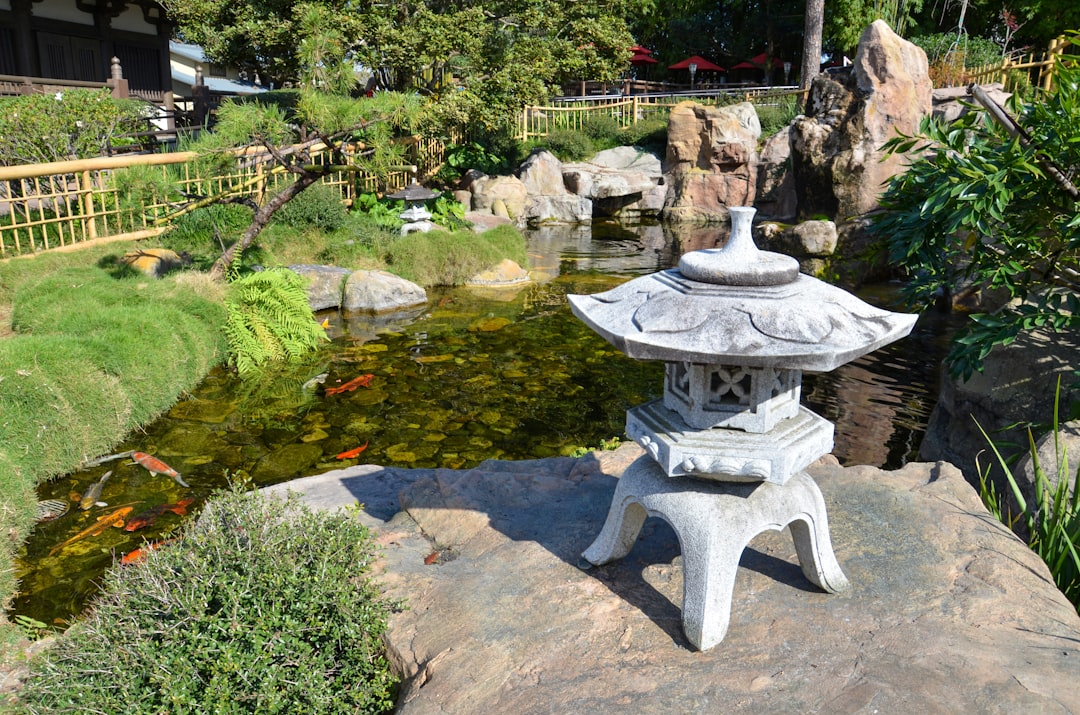
Rockford, Illinois: The Midwest City That Deserves More Than a Drive-Through
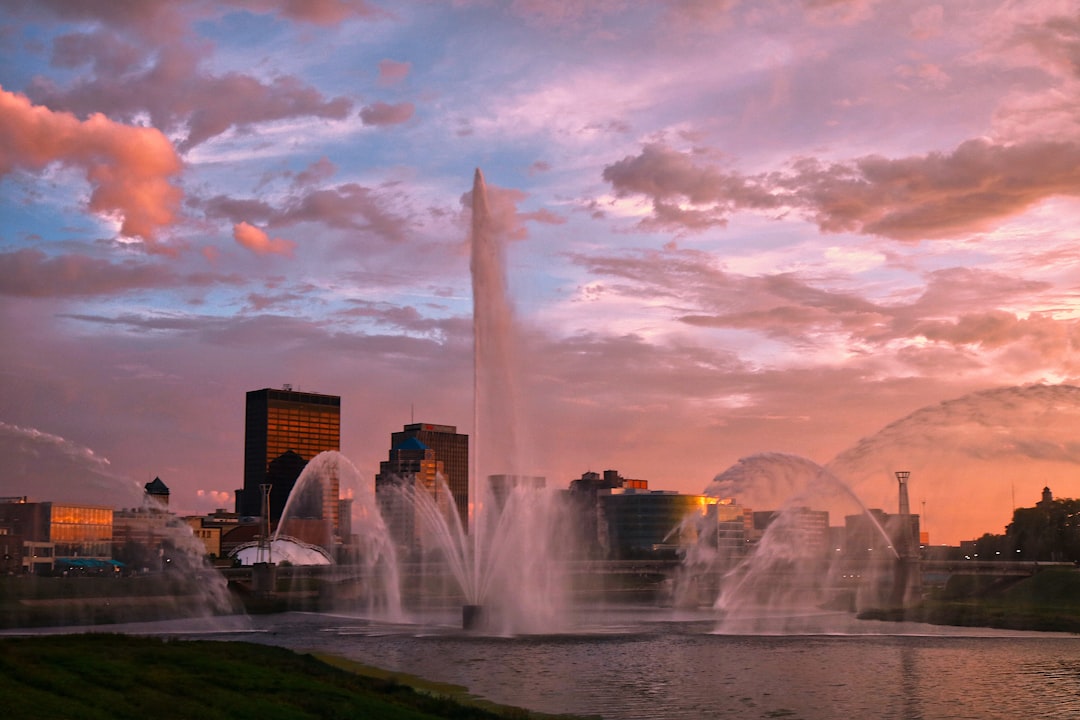
Quick Essentials
- ✈️ Flights:
Search flights to Chicago O’Hare (90 min from Rockford)
- 🏨 Hotels:
Browse hotels in Rockford
- 🎟️ Top Experience:
Anderson Japanese Gardens guided tour
- 🚗 Car Rental:
Compare rental cars in Rockford
📍 Best Time to Visit: Late May through September — the Anderson Japanese Gardens are in full bloom and the summer concert series fills the city’s parks with live music on weekday evenings.
💰 Budget Range: $150–$250 per day for two, including a good dinner and attractions.
Rockford has a reputation problem, and it knows it. Ninety minutes west of Chicago on I-90, it’s the kind of city most people register only as a name on an exit sign — if they register it at all. Most travelers drive past it on their way to somewhere else, which is exactly the kind of assumption that deserves a second look.
What changes the picture is Japanese gardens. Not a Japanese-inspired garden section in a botanical park, but a dedicated, world-class, 12-acre Japanese garden that draws nearly 100,000 visitors a year. In Rockford, Illinois. Look up what else is there, and book two nights, which is the right amount of time to discover that Rockford is a city with considerably more going on than its exit sign suggests.
This isn’t a place that’s trying to be the next big thing. It’s a place that has been quietly accumulating things worth seeing — gardens, architecture, a food scene that has genuinely evolved — while the travel conversation looked elsewhere. That gap between expectation and reality is exactly what makes it interesting.
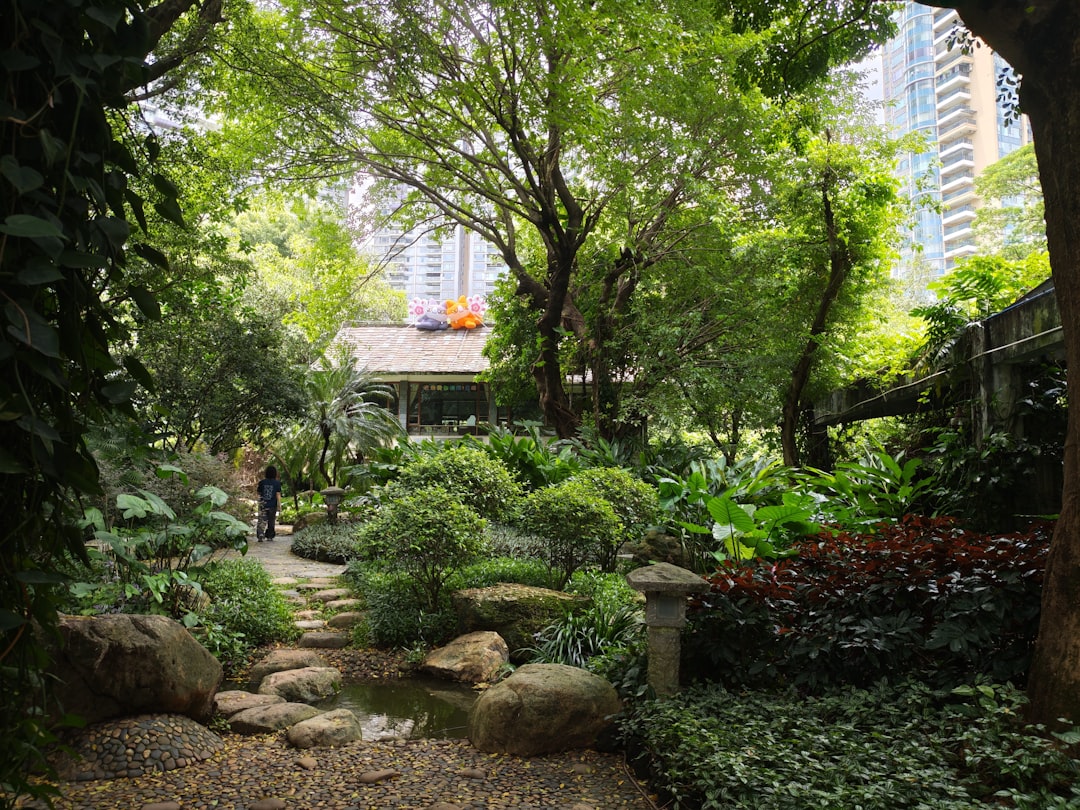
The Gardens That Change Everything
Anderson Japanese Gardens is the anchor experience in Rockford, and it earns that designation completely. Twelve acres of meticulously designed landscape — waterfalls, koi ponds, a tea house, stone paths that curve in ways that keep revealing new sightlines — designed by Portland landscape architect Hoichi Kurisu. This is not a municipal garden with a Japanese corner. This is one of the highest-rated Japanese gardens in North America, and spending two or three hours here will rearrange whatever you thought you knew about this city.
The garden opens mid-April each year and peaks through summer. Go on a weekday morning if you can. The paths are designed for slow movement and the garden rewards it — there’s a reason the recommended visit time is two to three hours, not forty-five minutes. The Fresco at the Gardens restaurant is on-site and genuinely good, which means you can build half a day around the visit without feeling like you’re stretching.
What most visitors don’t realize is that on the garden grounds, there are two homes where Frank Lloyd Wright’s design philosophy intersects with 16th-century Japanese aesthetics. Tours are available, and they’re the kind of architectural surprise that experienced travelers live for — the thing you didn’t know was there until you arrived.
→ Anderson Japanese Gardens guided experience
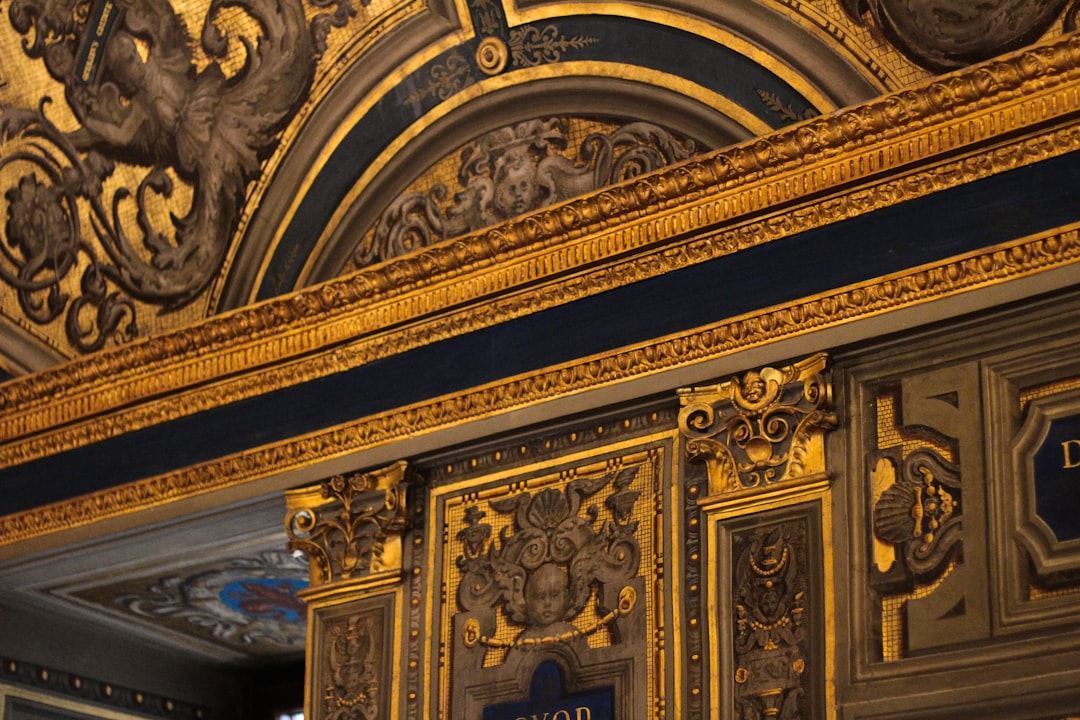
Architecture Worth Stopping For
Rockford’s architectural lineup is improbably good for a city of 150,000. Start with the Laurent House — the only home Frank Lloyd Wright ever designed specifically for a person with a disability. Built in 1951 for wheelchair-using Navy veteran Kenneth Laurent, the single-story Usonian home has a hemicycle floor plan that is both beautiful and functional. Docent-led tours walk you through the original furnishings and the thinking behind every design decision. It’s intimate architecture — a home, not a monument — and that makes the experience different from most FLW sites.
→ Frank Lloyd Wright’s Laurent House tour
The Coronado Performing Arts Center is a different register entirely. Built in 1927 as an atmospheric theater, the interior is a dizzying mix of gilded Spanish and Italian facades, glowing lanterns, and decorative Japanese dragons — the kind of excess that was completely sincere in the 1920s and reads as genuinely spectacular now. If there’s a performance during your visit, go. If there isn’t, the building alone is worth seeing.
Then there’s the Tinker Swiss Cottage, an 1865 Swiss-style house with 27 rooms of period furnishings built by local inventor Robert Tinker. It’s a window into who settled Rockford and why, and the guided tours have the kind of specific detail that makes a house feel like a story rather than a museum.
These three buildings span a century of Rockford’s identity — a Swiss immigrant’s ambition, a jazz-age theater’s spectacle, a modernist home designed around a real person’s needs. That’s a through-line worth following.
Where Rockford Stays
Stay downtown on the riverfront if you want to walk to dinner and wake up next to the Rock River. The Embassy Suites by Hilton Rockford Riverfront has the best location in the city — right on the water, walking distance to museums and the Coronado, with a 9.4/10 guest rating and the new Culinary Underground restaurant on-site. It’s the obvious base for this kind of trip.
→ Embassy Suites by Hilton Rockford Riverfront
If Anderson Japanese Gardens is your primary reason for visiting, staying on the north side near Loves Park puts you closer to the gardens and to Rock Cut State Park, though you’ll drive to dinner downtown. The Staybridge Suites Rockford is a solid mid-range pick with an indoor pool and free breakfast, and it keeps things practical without sacrificing comfort.
→ Browse all Rockford hotels on Booking.com
Where Rockford Eats
The food scene here has undergone the kind of quiet evolution that happens when local owners start investing in quality without waiting for external validation. This is not a city where you need to seek out the one good restaurant. There are several, and they reflect Rockford’s actual character rather than someone’s idea of what a dining scene should be.
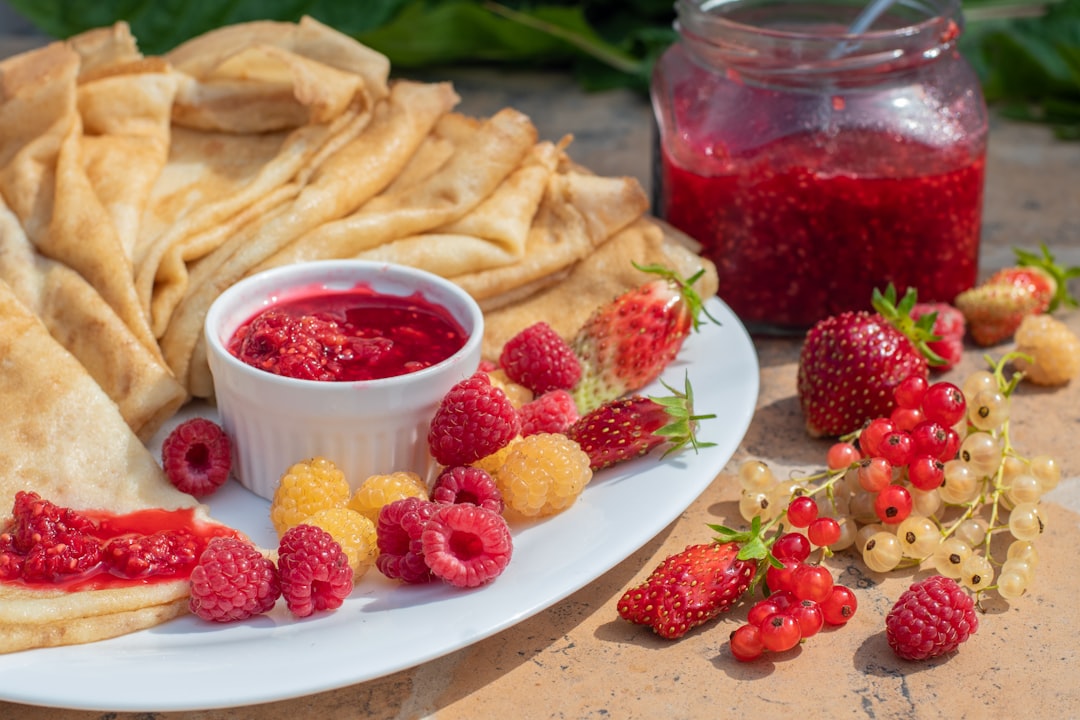
Stockholm Inn is the essential breakfast. Swedish pancakes and Scandinavian specialties in a restaurant that reflects Rockford’s Nordic heritage without turning it into a theme. The dining room is airy, the staff is friendly in the way that means it, and the pancakes are genuinely good — not good for a themed restaurant, just good.
For dinner, Abreo is the place that signals Rockford’s food scene has arrived. Downtown, creative American cooking with a tapas-style menu, seasonal ingredients sourced locally, and cocktails that somebody thought about. It’s the kind of restaurant where you realize you’ve been underestimating the city.
Lino’s is the counterweight — old-school Italian with wood-paneled booths, chicken parm that has been drawing people in for decades, and a general atmosphere of a place that knows exactly what it is and has no interest in being anything else. The Norwegian offers a newer take on the Scandinavian tradition, with a bright, plant-filled interior and creative brunch dishes that nod to Nordic flavors without forcing them.
GreenFire rounds out the picture: a farm-to-table bistro and market with wood-fired pizza and an ingredient-focused approach. If you eat your way through all five of these, you’ll have a real understanding of what Rockford tastes like — Scandinavian roots, Italian heart, and a newer generation pushing things forward.
The River and the Rhythm
The Rock River runs through Rockford’s center — you knew that from the name — and it functions as the connective tissue between attractions. The Embassy Suites sits right on it. The museums cluster near it. A riverboat cruise gives you the city’s architecture from the water, which is a perspective that adds something the streets don’t.
But the real discovery is the summer cultural life that the river anchors. Tuesday Evenings in the Gardens brings live music to Anderson Japanese Gardens through the summer months. Music in the Park fills Sinnissippi Park’s Music Shell with free concerts. The Woodspring Summer Concert Series runs at Klehm Arboretum. Polish Fest and Festa Italiana celebrate the city’s European heritage with food and music that feel genuinely communal, not staged for tourists.
Rockford in summer has the rhythm of a city that knows how to use its outdoor spaces. It’s not trying to manufacture a scene. The scene is already there, built by people who live here and want these evenings to exist.
The Things You Almost Miss
Midway Village Museum is a 13-acre Victorian-era village with 26 historical buildings and costumed interpreters. It sounds like a school-trip destination. It’s not. It’s well done, thoughtfully maintained, and gives real context for how Rockford became a manufacturing city and what that meant for the people who lived it. Allow more time than you think you need.
The antique district around Main Street has 15-plus shops in a concentrated area. These are actual antique shops — deep, varied, the kind where you find things you didn’t know you were looking for. It’s easy to disappear into one for forty-five minutes and come out with a pocket watch.
And then there are the smaller gestures. The Nicholas Conservatory and Gardens, about a mile from Anderson, with its 100-year-old rose garden. The Burpee Museum of Natural History downtown. Rock Cut State Park for hiking and water if you want a half-day outdoors. Rockford rewards the impulse to keep looking.
Plan Your Trip to Rockford, Illinois
Best time to visit: Late May through September — gardens are in full bloom, summer concerts run weekly, and the weather is warm without being punishing.
✈️ Getting There
Rockford is a 90-minute drive from Chicago O’Hare, 75 minutes from Milwaukee, and under 2 hours from Madison.
Search flights to Chicago O’Hare on Skyscanner
🏨 Where to Stay
-
Embassy Suites by Hilton Rockford Riverfront — Best location in the city, right on the Rock River with a 9.4/10 guest rating
-
Browse all Rockford hotels on Booking.com — Solid mid-range options near the gardens and downtown
🎟️ What to Book in Advance
-
Anderson Japanese Gardens guided tour
-
Frank Lloyd Wright’s Laurent House tour
-
Coronado Performing Arts Center experience
Some links in this post are affiliate links. If you book through them,
CuriosityTrail earns a small commission at no extra cost to you.
Recommendations are chosen on merit; commissions never decide what’s included.