Walking San Francisco’s Neighborhoods: Where to Eat, Explore, and Find the City’s Real Texture
Quick Essentials
- ✈️ Flights:
Search flights to San Francisco
- 🏨 Hotels:
Browse hotels in San Francisco
- 🎟️ Top Experience:
Chinatown & North Beach Food Walking Tour
- 🚗 Car Rental:
Compare rental cars in San Francisco
San Francisco doesn’t hand you anything easily. It makes you climb for the view, wait for the fog to clear, walk an extra six blocks because someone told you the dumplings are better on the other side of Stockton Street. And they usually are.
Most visitors do Fisherman’s Wharf, ride a cable car, snap the Golden Gate from the overlook, and leave feeling like they’ve ticked the box. They haven’t, really. San Francisco is a city of neighborhoods, and the distance between them — five blocks, sometimes three — is the distance between entirely different worlds. Chinatown smells like roast duck and jasmine tea. Walk ten minutes north and North Beach smells like espresso and sourdough. Another twenty minutes south and the Mission hits you with cilantro, grilled meat, and fresh corn tortillas.
The food scene here remains one of the strongest in the country. Not just the Michelin-starred places — though those exist in abundance — but the street-level, neighborhood-rooted stuff. Dim sum parlors where the carts still roll. Taquerias that have been doing one thing brilliantly since the 1970s. A bakery that’s been making sourdough since before the Civil War ended. This is a city that eats well because it always has, and walking is the only honest way to find it.
Chinatown and North Beach: Two Worlds, One Walk
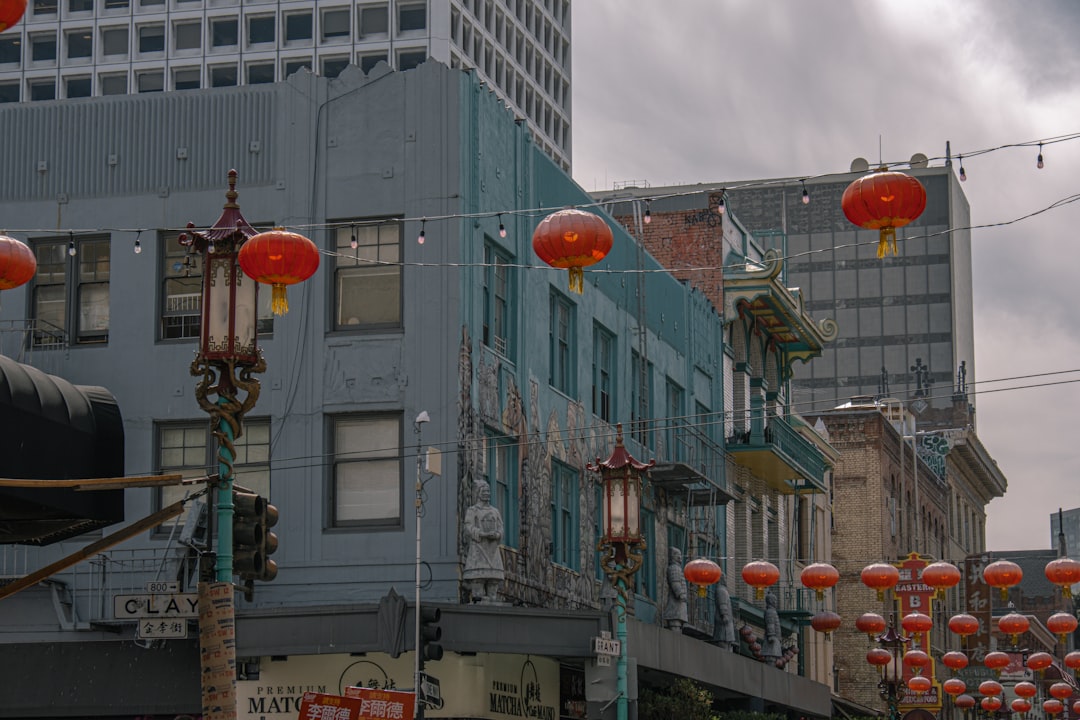
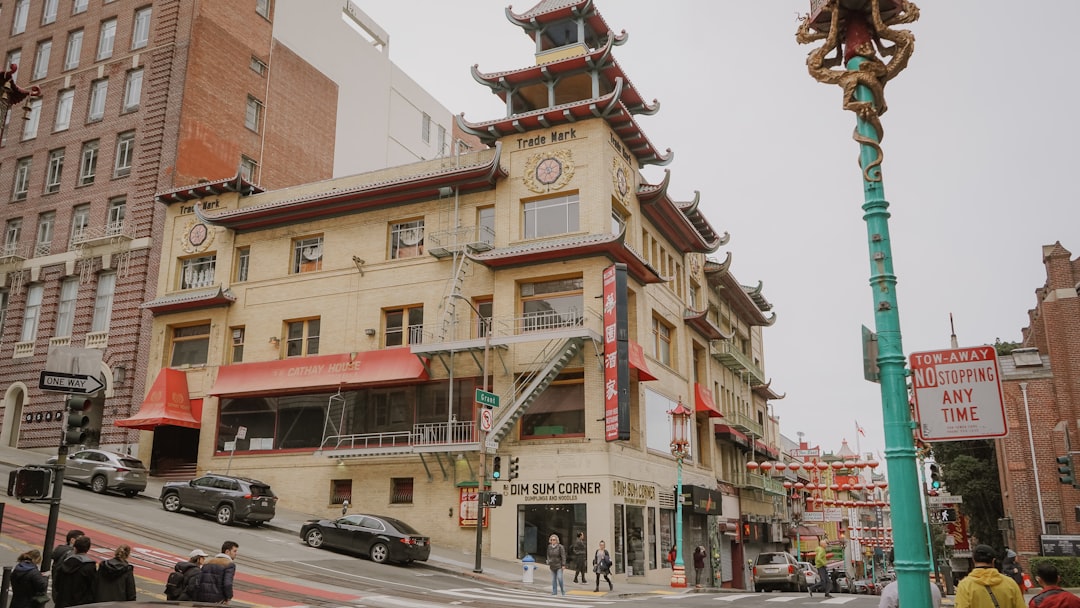
Start in Chinatown. Not the gate on Grant Avenue — everyone starts there, and it funnels you through the tourist shops. Enter instead from Stockton Street, where the actual neighborhood does its grocery shopping. You’ll pass fish markets with tanks of live Dungeness crab, produce stands piled with bok choy and bitter melon, and bakeries turning out egg tarts by the tray.
For dim sum, Hang Ah Tea Room claims to be the oldest dim sum house in the country, and the space feels like it. Small, worn in the right ways, with har gow and siu mai that justify the queue. If you want something more refined, City View does excellent rice noodle rolls with views that earn its name. Either way, go before 11am. After that, you’re competing with the tour groups.
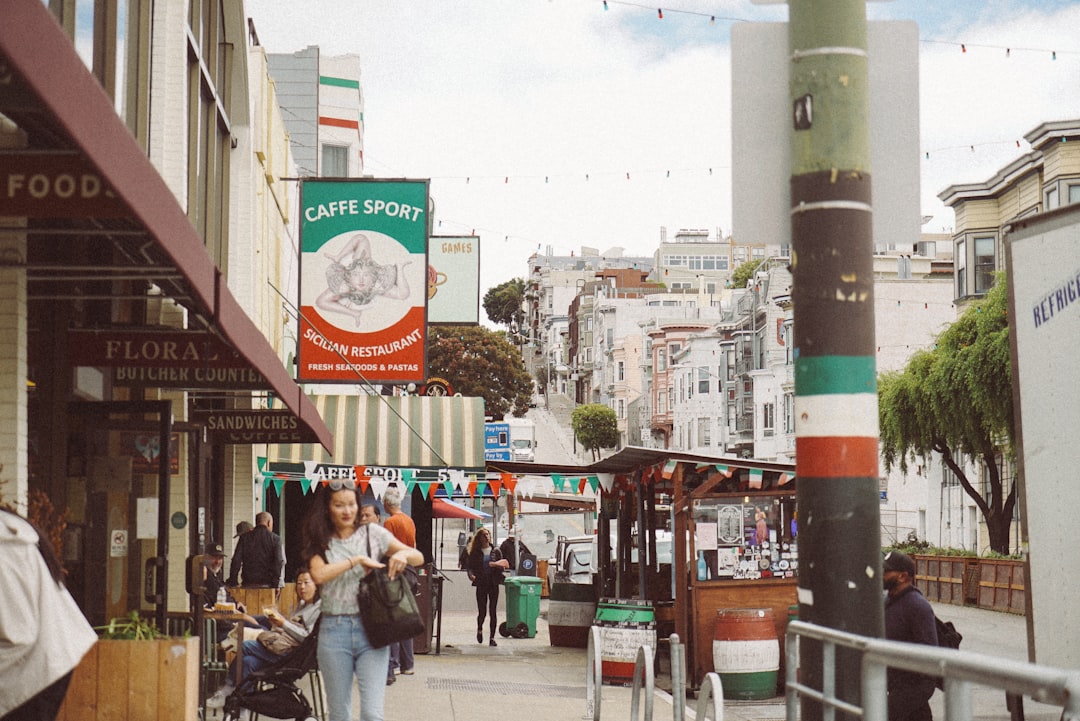
Walk north through the alley that connects Chinatown to North Beach and the atmosphere shifts entirely. This is San Francisco’s Little Italy — smaller than it once was, but the espresso is still strong and the focaccia still warm. Tony’s Pizza Napoletana is worth the hype. Cafe Trieste, where Coppola reportedly wrote parts of The Godfather screenplay, still serves its coffee with no apparent interest in modernization. That’s the charm.
A guided food walk through both neighborhoods is the single best way to thread these two districts together, especially if you want the stories behind the storefronts. →
Chinatown & North Beach Food Walking Tour
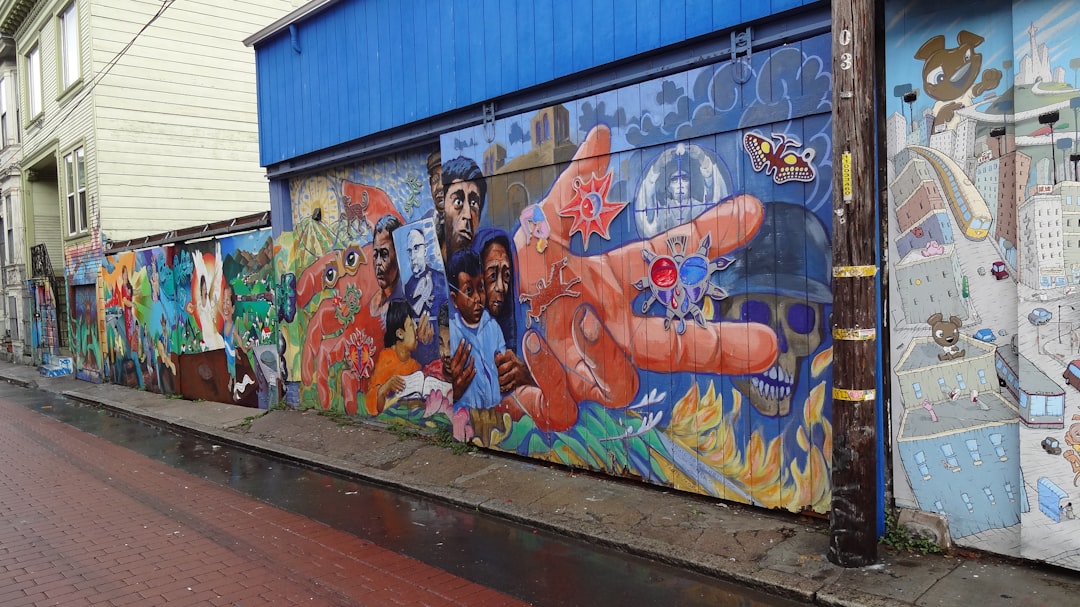
The Mission: Murals, Burritos, and the City’s Most Electric Street Life
The Mission District operates on a different frequency. It’s louder, more colorful, more chaotic, and the food is relentless. This is where San Francisco’s Latino heritage lives most visibly — in the murals covering every surface of Balmy Alley, in the pupuserias tucked between vintage shops, in the late-night taco trucks that draw lines at midnight.
The burrito question comes up immediately. La Taqueria or El Farolito? La Taqueria is the purist’s choice — no rice, just meat, beans, salsa, and tortilla, grilled until the outside crisps. It won a James Beard Award. El Farolito is the late-night institution, bigger, messier, wrapped in foil and eaten standing up. You should try both, on different days, and decide for yourself. If you only have time for one, La Taqueria is the safer first pick.
Beyond the burritos, walk Clarion Alley for the street art — it rotates and responds to the political moment, so it’s never the same twice. The Women’s Building on 18th Street is wrapped in the MaestraPeace mural, seven stories of color that’s been there since 1994. And if you’re into craft chocolate, Dandelion Chocolate on Valencia Street does single-origin bars and a drinking chocolate that’s thick enough to be a meal.
A Mission District mural and food walk connects the dots between the art and the kitchens in a way that wandering alone doesn’t quite replicate. →
Mission District Mural & Food Walk
Hayes Valley and the Civic Center Corridor: The Stylish Middle Ground
Hayes Valley is small — you can walk its main stretch in fifteen minutes — but it packs an outsized punch. This is where San Francisco’s design-conscious side shows up: independent boutiques, a craft ice cream shop that changes its flavor board weekly, and Smitten Ice Cream, which makes each serving to order with liquid nitrogen. It sounds gimmicky. It isn’t.
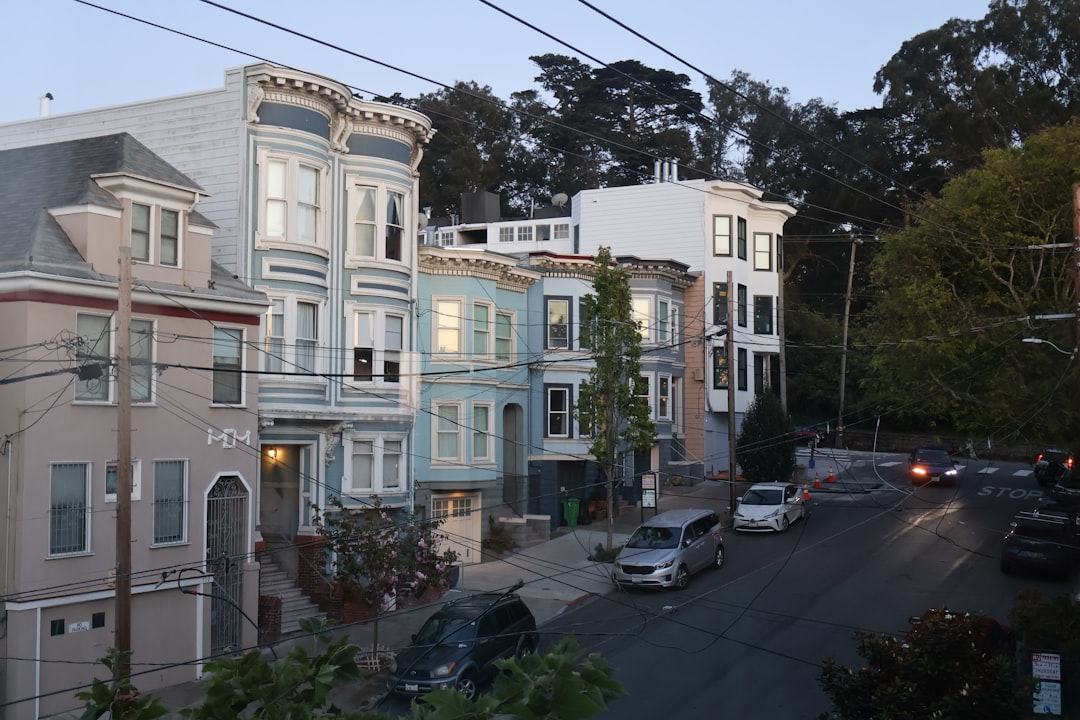
The neighborhood sits on what was once a freeway off-ramp. When the 1989 earthquake damaged the Central Freeway, the city tore it down and Hayes Valley bloomed in its place. There’s a lesson in that, probably. More practically, it’s a useful base for exploring the city — central, walkable, and close to BART and Muni connections that reach every corner of SF.
For meals, Rich Table does inventive California cuisine that changes seasonally, and the neighbourhood has enough good coffee to keep you moving between stops. It’s not the most dramatic neighbourhood in the city, but it’s one of the most liveable. That counts for something.
Japantown and the Western Addition: The Quiet Heart Most Visitors Miss
Here’s where experienced travelers separate themselves. Japantown — one of only three surviving Japantowns in the United States — sits just west of the Fillmore, centered around the Japan Center and its Peace Pagoda. Most visitors to San Francisco never set foot here, which is baffling when you consider what’s on offer.
The ramen at Marufuku is among the best on the West Coast. Kinokuniya Bookstore stocks Japanese stationery, art books, and manga across two floors. The neighborhood hosts the Cherry Blossom Festival each April — two weekends of traditional performances, taiko drumming, and food stalls that turn the entire district into an open-air celebration.
The Fillmore, next door, carries the weight of San Francisco’s jazz and blues history. This was the Harlem of the West, and while the neighbourhood has changed dramatically, the Fillmore jazz club still books acts worth crossing the city for. Walk these two districts together and you’ll feel a version of San Francisco that the waterfront doesn’t know exists.
Dogpatch and the Southern Waterfront: The City’s Evolving Edge
Dogpatch was shipyard warehouses and not much else for decades. Now it’s craft breweries, the Museum of Craft and Design, and restaurants that are drawing serious attention without the Marina’s price tags. It’s walkable, uncrowded, and feels like SF’s next chapter — which, depending on your perspective, is either exciting or the leading edge of another wave of change.
Piccino does excellent wood-fired pizzas. Triple Voodoo Brewery is worth a pint. The neighbourhood’s industrial bones give it a visual texture that the more polished districts lack — brick, exposed steel, loading docks repurposed as patios. If you’ve already explored the tourist core and want to see where the city is headed, spend an afternoon here.
The Ferry Building and the Embarcadero: Where the City Meets the Water
The Ferry Building is a tourist attraction, yes. But it’s also genuinely good — the kind of food hall that would be worth visiting even without the Bay views. On Saturday mornings, the Ferry Plaza Farmers Market fills the surrounding plaza with over a hundred vendors: local cheese producers, seasonal produce, fresh-baked breads, and oyster shuckers working through the morning crowd.
Inside, the permanent vendors are just as strong. Cowgirl Creamery for cheese. Hog Island Oyster Co. for a half-dozen oysters and a glass of white wine at the bar. Blue Bottle Coffee, which started here before it went national. Walk the Embarcadero south from the Ferry Building and the crowds drop off quickly — within ten minutes you’re at the edge of the waterfront with the Bay Bridge overhead and the city at your back.
→ Ferry Building Farmers Market Experience
The Hills Worth Climbing
San Francisco’s hills are not optional. They’re the city’s defining physical feature, and the views from the top are the reward for the cardiovascular effort. Telegraph Hill gives you Coit Tower and a panorama that stretches from the Golden Gate to the Bay Bridge. The wild parrots that live in the trees along the Filbert Steps are real, loud, and oddly endearing.
In the Outer Sunset — a part of the city few tourists reach — the 16th Avenue Tiled Steps climb 163 stairs covered in handmade mosaic, flowing from ocean themes at the bottom to a night sky at the top. The surrounding neighbourhood is worth the trip on its own: some of the city’s best under-the-radar Asian food lives out here, in the kind of unassuming storefronts you’d walk past if nobody told you to stop.
Practical Notes: Layers, Transit, and Timing
The single most important thing to pack for San Francisco is a jacket you can stuff into a bag. Mornings start cool, midday warms up, and by late afternoon the fog rolls back in and the temperature drops ten degrees. This happens year-round. Locals layer without thinking about it. You should too.
Muni and BART will get you most places, but the city’s real magic is on foot. Budget more walking time than you think you need — the hills slow you down, but they also force you to look up, and that’s when you notice things. Comfortable shoes are non-negotiable.
For accommodation, North Beach puts you in walking distance of Chinatown, the waterfront, and some of the city’s best Italian food. →
Browse North Beach hotels on Booking.com.
Hayes Valley is central, stylish, and well-connected to transit — a solid base for exploring multiple neighborhoods. →
Browse Hayes Valley hotels on Booking.com.
The Mission is for travelers who want to be embedded in SF’s most dynamic food and arts neighborhood — more local texture, fewer tourist trappings. →
Browse Mission District hotels on Booking.com.
As for timing: the Dungeness crab season runs roughly November through June, and ordering it fresh at a casual waterfront stand or — better yet — at Swan Oyster Depot on Polk Street is one of the great San Francisco eating experiences. Irish Coffee at the Buena Vista Cafe has been a ritual since 1952, and watching the bartenders build a row of them is half the experience.
Plan Your Trip to San Francisco
Best time to visit: September through early November — the fog retreats, temperatures peak at 71°F, and the summer crowds thin out.
✈️ Getting There
Search flights to San Francisco on Skyscanner
🏨 Where to Stay
-
North Beach — walking distance to Chinatown, the waterfront, and the city’s best Italian food
-
Hayes Valley — central, stylish, and well-connected to transit for exploring every neighborhood
🎟️ What to Book in Advance
-
Chinatown & North Beach Food Walking Tour
-
Mission District Mural & Food Walk
-
Alcatraz Island Night Tour
Some links in this post are affiliate links. If you book through them,
CuriosityTrail earns a small commission at no extra cost to you.
Recommendations are chosen on merit; commissions never decide what’s included.