Medellín, Colombia: Riding the Metrocable Into a City That Rebuilt Itself
Quick Essentials
- ✈️ Flights:
Search flights to Medellín
| Direct from Miami, Fort Lauderdale, Houston, New York - 🏨 Hotels:
Browse hotels in Medellín
| Laureles for the neighborhood feel, El Poblado for convenience - 🎟️ Top Experience:
Comuna 13 graffiti tour with a neighborhood local
- 🚗 Getting Around:
Compare rental cars in Medellín
(though the Metro is excellent)
Budget Range: $80–$180 per day for comfortable mid-range travel with good meals and guided experiences
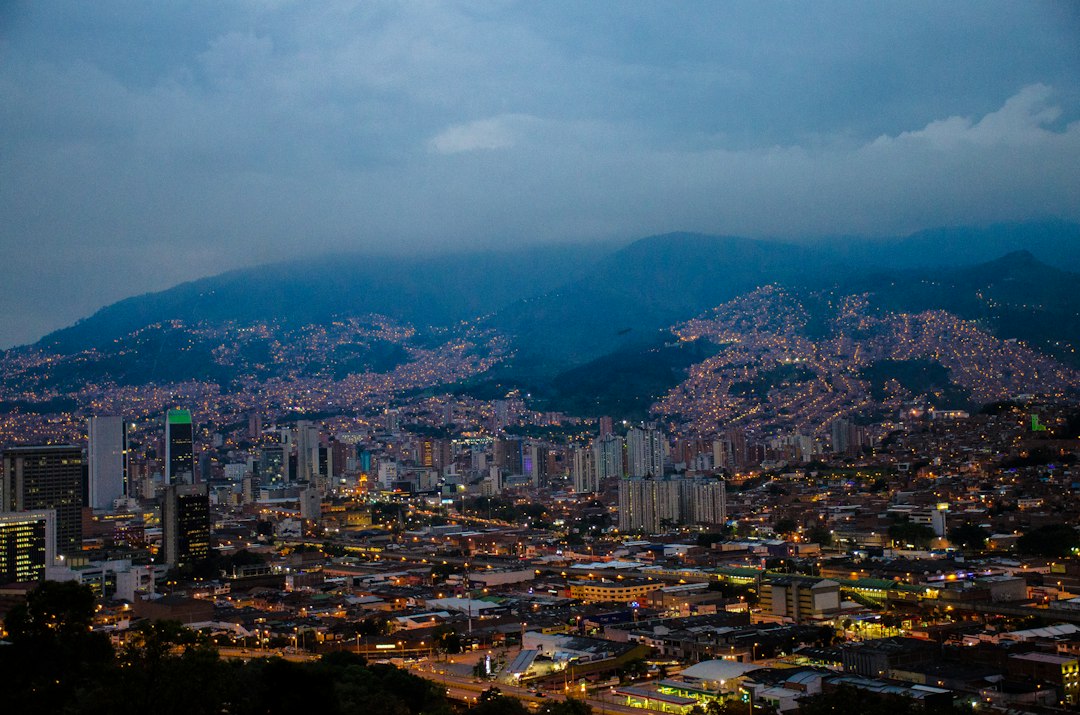
Medellín is a city you think you know before you arrive. You’ve read the transformation story — the violence, the reinvention, the accolades from urban planning conferences. You’ve seen the before-and-after photos. You think you understand what you’ll find.
You don’t. Not really. The thing about Medellín’s transformation is that it doesn’t announce itself with plaques and museum exhibits. It announces itself with a grandmother riding a gondola to work, with a kid doing homework in a public library that looks like it belongs in Copenhagen, with a botanical garden that’s free because the city decided it should be. The story isn’t in the past tense here. It’s happening in front of you, on the metro, in the markets, on every hillside where orange-roofed escalators climb neighborhoods that used to be unreachable.
Six days leaves you thinking you’ve shortchanged it. That’s the best thing a city can do.
The City That Rebuilt Itself in Plain Sight
You can read about Medellín’s social urbanism in architectural journals, and you should — the story is remarkable. But what the journals can’t give you is the texture of actually being inside it.
Start with the Metrocable. Line K runs from Acevedo station up to Santo Domingo, climbing over densely packed hillside neighborhoods that were, until 2004, effectively cut off from the city’s economic center. The gondola is public transit — it costs the same as a metro ticket — and the people riding it with you are going to work, to school, to the market. There’s no tourist car and no special viewing platform. You’re just in it, watching the city tilt underneath you, and the scale of what this single infrastructure decision meant to these communities becomes physically obvious.
Anyone who knows infrastructure will recognize it for what it is. By the time you reach Santo Domingo, the achievement speaks for itself.
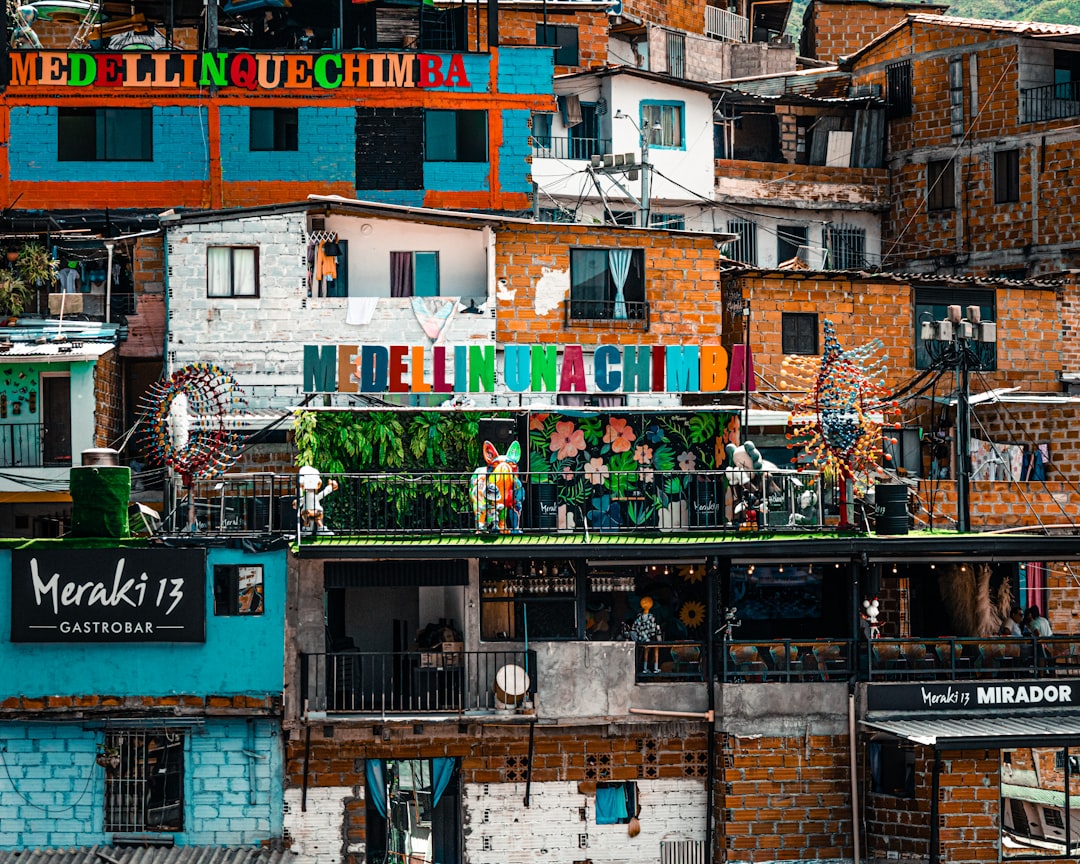
Comuna 13 earns its reputation as the city’s most dramatic transformation story. This was, within living memory, one of the most dangerous neighborhoods in the Western Hemisphere. Today it’s an open-air gallery of murals, street art, and community-run businesses, connected to the rest of the city by a series of outdoor escalators that cut commute times from hillside homes to the valley floor from over an hour to six minutes.
Book a walking tour with a local guide who grew up here. The difference between visiting Comuna 13 with a guide from the neighborhood and visiting it on your own is the difference between seeing the murals and understanding what they mean. A guide born here in the late ’90s will remember what it was like before the escalators. The art isn’t decoration. It’s documentation.
Book a Comuna 13 graffiti tour with a local guide
The Museo de Antioquia, set on Plaza Botero in the city center, houses Fernando Botero’s donations to his hometown — a collection that could have gone anywhere in the world and ended up here, on purpose. The museum itself is excellent, but it’s the plaza that makes the visit. Twenty-three oversized bronze Botero sculptures sit in the open air, surrounded by street vendors, shoe-shiners, and families. There’s no admission fee for the plaza. It just exists, as public art should.
Where to Base Yourself: Laureles, El Poblado, and the Quiet Case for Ciudad del Río
Most first-time visitors to Medellín default to El Poblado, and there’s nothing wrong with that. It’s safe, walkable, full of restaurants and nightlife concentrated around Parque Lleras. The hotels are polished, the streets are green, and you’ll hear English spoken at every other table. For a shorter trip or a first visit, it does the job well.
Browse hotels in El Poblado
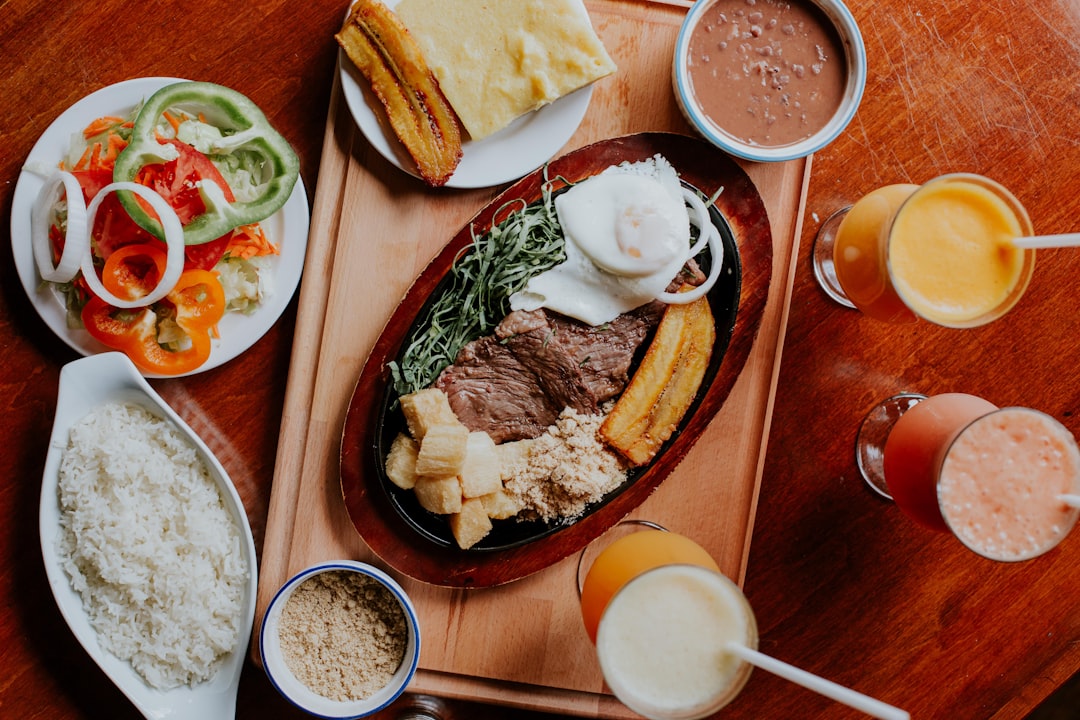
But if you have more than three days — and you should — stay in Laureles; it can change the trip. Laureles is flat where El Poblado is hilly, local where El Poblado is international, and relaxed in a way that takes about twelve hours to fully appreciate. The restaurant scene here rivals El Poblado at half the price, and the two major parks at the neighborhood’s center are gathering places for families, dog walkers, and retirees playing chess. You’ll eat bandeja paisa next to a table of construction workers on their lunch break. That’s the point.
The mid-range apartments and boutique hotels in Laureles run $80–$150 a night and are generally spacious, clean, and managed by people who will draw you a map of their favorite lunch spots if you ask.
Browse boutique hotels in Laureles
Ciudad del Río deserves a mention for the architecture-curious traveler. This former industrial district along the Medellín River has reinvented itself around MAMM, the Museum of Modern Art, and a stretch of new development that feels considered rather than glossy. It’s quieter than either El Poblado or Laureles, walkable to the Museo de Antioquia, and has a few genuinely interesting restaurants. If you’ve been to Medellín before and want a different base, this is it.
The Table: Bandeja Paisa and the Art of Not Holding Back
Antioquian food is not subtle. It is enormous, unapologetic, and built to fuel people who work hard. Bandeja paisa — the regional platter — arrives as a small landscape: red beans, white rice, ground beef, chicharrón, chorizo, fried egg, plantain, arepa, avocado, and sometimes a spare piece of pork on top of all of that. Your first one will stun you. Your second will feel like a homecoming.
Hacienda, with several locations across the city (the Ciudad del Río branch is closest to the center), does a bandeja paisa that stands among the best single plates of food in South America. Mondongo’s, a Medellín institution, serves the tripe soup the city is famous for alongside an excellent bandeja paisa of their own. Capital Antioqueña near Segundo Parque Laureles is the neighborhood pick — less polished, equally good, and surrounded by people who eat there three times a week.
Don’t skip the street food. Arepas de chócolo — sweet corn cakes with soft white cheese — are everywhere and they’re better from a street cart than from any restaurant. Empanadas stuffed with potato and meat are sold from glass cases at every metro station and they cost less than a dollar. Pergamino Café in El Poblado is where Medellín’s specialty coffee scene crystallized, and the pour-over there is world-class and unsurprising, given that you’re drinking it in the country that grew the beans.
And aguardiente, the anise-flavored spirit that fuels Colombian socializing, should be tried at least once. Order it at a neighborhood tienda — the tiny corner stores that function as the city’s living rooms — and drink it the way locals do: neat, small, and with someone you’re happy to be sitting next to.
Beyond the Obvious: The Botánico, the Metro, and Plaza Botero at Dusk
The Jardín Botánico de Medellín is free. This fact alone deserves its own sentence because it tells you something essential about how this city thinks about public space. The garden is anchored by the Orquideorama — a massive canopy of interlocking wooden lattice structures that look like giant flowers — and beneath it, families picnic, yoga classes meet, and children chase each other through a structure that won an international architecture prize and is used as a neighborhood park. It’s a five-minute walk from Universidad metro station.
The Metro itself is worth understanding as more than transportation. Medellín’s metro system is the only one in Colombia, and the city treats it with visible pride. The stations are clean. People queue. There’s a culture of civility around it that the city deliberately cultivated as part of the broader social transformation. Riding the metro, paying the same fare as everyone else, transferring to the Metrocable or the tramway — this is how you understand Medellín’s investment in public life as a system, not a series of one-off projects.
And Plaza Botero at dusk is a different place than Plaza Botero at noon. The light goes golden. Street performers arrive — dancers, musicians, the occasional mime who is genuinely good. The Botero sculptures cast long shadows. The families who come out in the evening are not tourists. They’re paisas, doing what they do every evening, and the fact that they do it surrounded by world-class sculpture in a public square is the whole Medellín story in one frame.
Book the full city tour that includes a Metrocable ride and Plaza Botero — it threads these pieces together with context you’d miss on your own.
Medellín city tour with Metrocable ride
Getting Around: The Metro Changes How You See the City
Medellín’s Metro system — trains, Metrocable gondolas, tramway, and bus feeders — covers most of what a visitor needs. Buy a rechargeable Cívica card at any station and use it everywhere. The metro runs north-south through the valley; the Metrocable lines branch east and west up the hillsides. It’s efficient, safe, and costs roughly $0.75 per ride.
Taxis are cheap and generally reliable — insist on the meter or agree on a price before getting in. Ride-hailing apps work well and are often the easiest option for getting to restaurants or neighborhoods off the metro map.
Walking is excellent in Laureles and El Poblado, though El Poblado’s hills will remind your calves that this is a valley city. In the city center, the streets around the metro stations are busy and walkable during the day. Standard street-smart awareness applies at night, particularly in less-traveled areas.
A day trip to Guatapé — the colorful lakeside town about two hours east, crowned by the 740-step climb up El Peñol rock — is the most popular excursion from Medellín and worth doing if you have a full day to spare. Book it as a guided tour for the transport convenience alone.
Guatapé and El Peñol day trip from Medellín
Plan Your Trip to Medellín
Best time to visit: December through March for the driest weather, or late July for the Feria de las Flores — the city’s spectacular flower festival with 450+ silleteros carrying elaborate floral arrangements through the streets.
✈️ Getting There
Search flights to Medellín on Skyscanner
🏨 Where to Stay
-
Boutique hotels in Laureles — walkable, local, and half the price of El Poblado
-
Hotels in El Poblado — Medellín’s most polished neighborhood with dining and nightlife at your door
🎟️ What to Book in Advance
-
Comuna 13 graffiti tour with a local guide
-
Medellín city tour with Metrocable ride
-
Guatapé and El Peñol day trip
Some links in this post are affiliate links. If you book through them,
CuriosityTrail earns a small commission at no extra cost to you.
Recommendations are chosen on merit; commissions never decide what’s included.