Visiting New Orleans, Louisiana: A Complete Guide
Quick Essentials
- 📍 Best Time to Visit: October–November or February–May — October gets you the mild weather and the music without the Jazz Fest hotel markup.
- ✈️ Getting There: Search flights on Skyscanner | Direct from Atlanta, Houston, Chicago, New York
- 🏨 Where to Stay: Browse New Orleans hotels on Booking.com
- 🎟️ Don’t Miss: Creole Architecture of the Marigny Walking Tour on GetYourGuide
- 💰 Budget Range: $180–$350 per day for a couple — mid-range hotel, proper sit-down lunches, and evening music cover charges.
Beyond Bourbon Street
There’s a version of New Orleans that exists on T-shirts and shot glasses, and then there’s the city that keeps pulling you back. If you’ve already done Bourbon Street — and once is enough — the real reward is what sits on either side of it: neighborhoods where the architecture tells two centuries of stories, restaurants where lunch stretches past three o’clock because nobody’s in a rush, and music that doesn’t require a wristband or a two-drink minimum.
This is a guide for that second visit. Or the third. The one where you skip the French Quarter entirely for a morning, wander into the Tremé because someone told you about a specific gumbo, and end up standing on a corner in the Marigny watching a brass band rehearse on someone’s front porch. New Orleans gives you that kind of afternoon if you let it.
The angle here is three-fold: Creole architecture in the Tremé and Marigny, the long-lunch culture of the Garden District, and the live music calendar that’s genuinely worth planning a trip around. Not everything. Just the things worth your time.
Creole Architecture: The Tremé and the Marigny
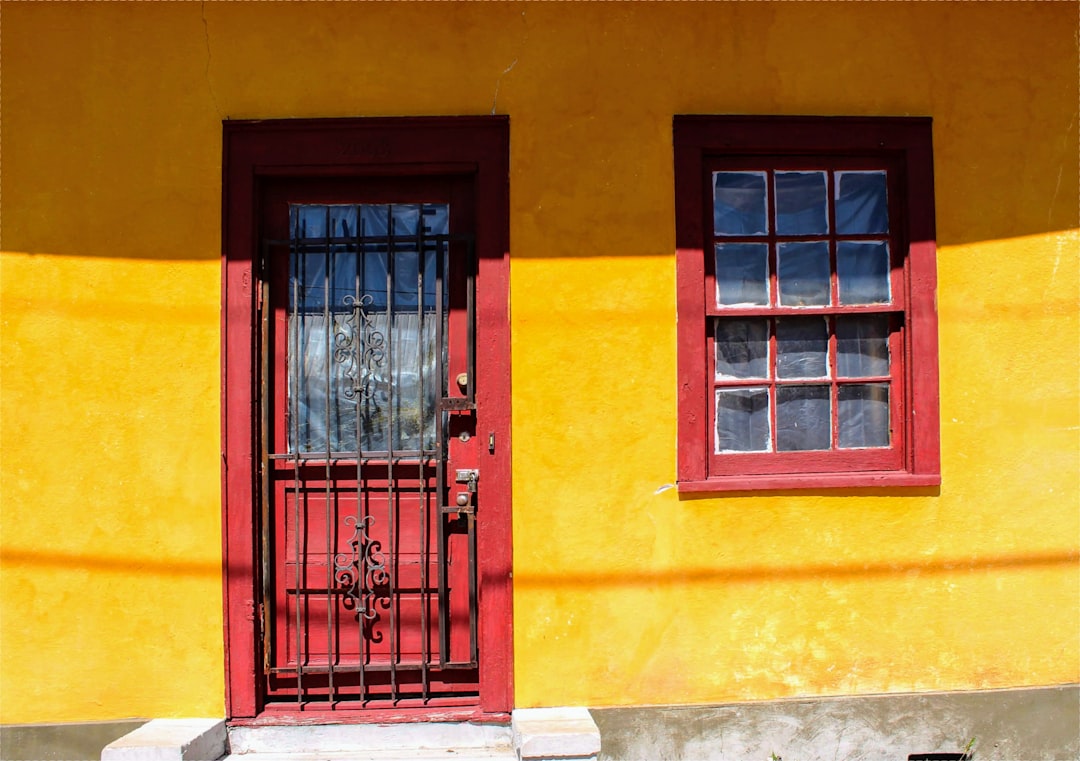
The Tremé is the oldest African-American neighborhood in the United States, and it looks like it — not in any diminished sense, but in the weight of the place. The Creole cottages here date to the early 1800s, low-slung and brightly painted, set close to the sidewalk in a way that makes the whole street feel like a conversation. You’ll see the remnants of the porte-cochère, the narrow side alleys, the ironwork that’s purely decorative but tells you who lived here and when. Congo Square, at the edge of the neighborhood, is where enslaved Africans gathered on Sundays to play music and trade — the direct ancestor of jazz itself.
Walk southeast across Esplanade Avenue and you’re in the Faubourg Marigny, which has its own architectural story. Bernard de Marigny, the Creole aristocrat who subdivided his plantation into the neighborhood that bears his name, set the tone: these were never grand houses. They were Shotgun houses and Creole Cottages built for working people, and the proportions remain human-scaled. The streets are tight, the colors are absurd — turquoise against coral against sun-bleached yellow — and the effect is one of the most photogenic neighborhoods in any American city.
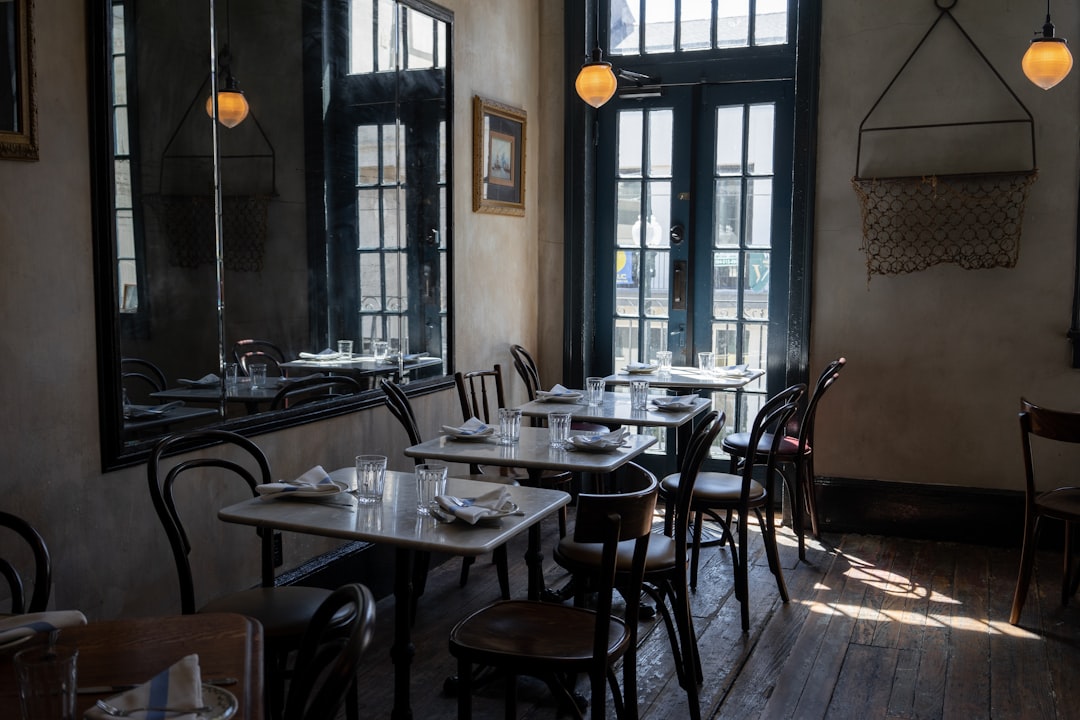
The Creole Architecture of the Marigny Walking Tour covers this territory in about two hours with a group of no more than fourteen. The guide walks you through Shotgun typology, the Esplanade Ridge mansions, and the story of how Haitian refugees, Free People of Color, and various immigrant communities shaped the streetscape. It’s worth doing early in your trip — it changes how you see every building for the rest of your stay.
If you want to extend the walk, cross into the Bywater, where the cottages get even more colorful and the murals start appearing on warehouse walls. Crescent Park runs along the river here — a 1.4-mile greenway with views of the Mississippi and the downtown skyline. Go in the morning, before the heat turns hostile.
The Long Lunch: Eating in the Garden District
New Orleans has a relationship with lunch that most American cities have forgotten. In the Garden District, lunch isn’t a break between things. It’s one of the things.
Commander’s Palace is the obvious entry point, and it earns its reputation. The building sits under live oaks on Washington Avenue, and the dining room upstairs has been serving Haute Creole cuisine since 1893. The real move: go on a Wednesday, Thursday, or Friday for the 25-cent martini lunch. That’s not a misprint. Twenty-five cents. Pair it with the turtle soup and whatever the kitchen is doing with Gulf fish that week, and you’ve had one of the great American restaurant experiences for a reasonable sum.
La Petite Grocery, a few blocks down Magazine Street, is Chef Justin Devillier’s quietly excellent operation — James Beard–recognized contemporary Louisiana cooking in a restored corner store. The blue crab beignets are the thing to order. The Chloe, further up, does modern Creole under Executive Chef Ben Triola with a focus on Gulf seafood. Atchafalaya, on the edge of the Irish Channel, manages to feel like both a neighborhood restaurant and a destination at the same time. The brunch draws crowds, but the weekday lunch is calmer and just as good.
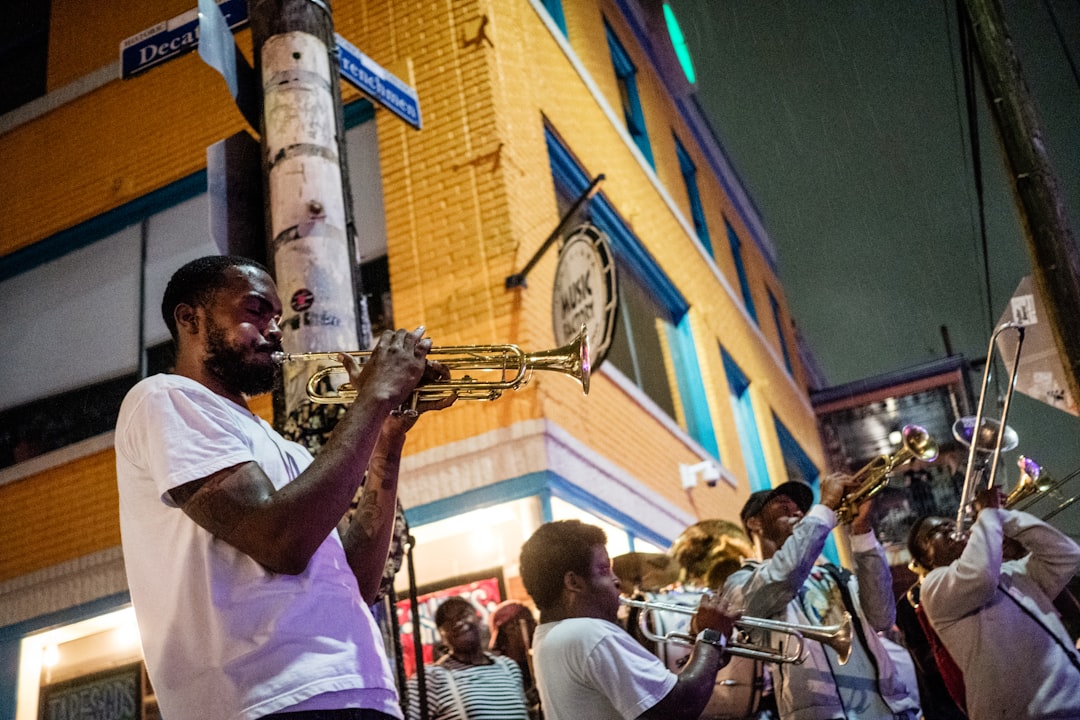
The point isn’t to eat at all of these in a single trip. Pick one for a proper sit-down lunch — two hours, a bottle of wine, dessert — and treat it as the main event of the afternoon. That’s how New Orleans eats. Fighting it just means you’re hungry and tired by 5 PM.
The Music Calendar Worth Planning Around
You can hear live music in New Orleans on any night of the week, which is precisely why most visitors don’t plan around it. That’s a mistake. The difference between showing up during Jazz Fest and showing up on a random Tuesday in November is not just the lineup — it’s the city’s entire mood.
Jazz & Heritage Festival (April 23–May 3, 2026) is the marquee event: a dozen stages at the Fair Grounds Race Course, headliners like Stevie Nicks, Eagles, Kings of Leon, and Lorde, plus the food stalls that are arguably better than the music. Hotels book months ahead and rates climb accordingly.
French Quarter Festival (mid-April) is what locals will quietly tell you they prefer. Free stages across the Quarter, no admission charge, and a crowd that skews more resident than tourist. If your dates are flexible, this is the one.
Beyond the festivals, the weekly calendar is the real draw. Frenchmen Street — a few blocks from the Marigny — is where New Orleanians actually go for live music. The Spotted Cat has traditional jazz most nights with no cover charge. Snug Harbor is the city’s premier jazz club for seated shows. d.b.a. leans toward brass bands and funk. You can walk the length of Frenchmen in ten minutes and hear three different bands without paying a penny, then duck into whichever room sounds best.
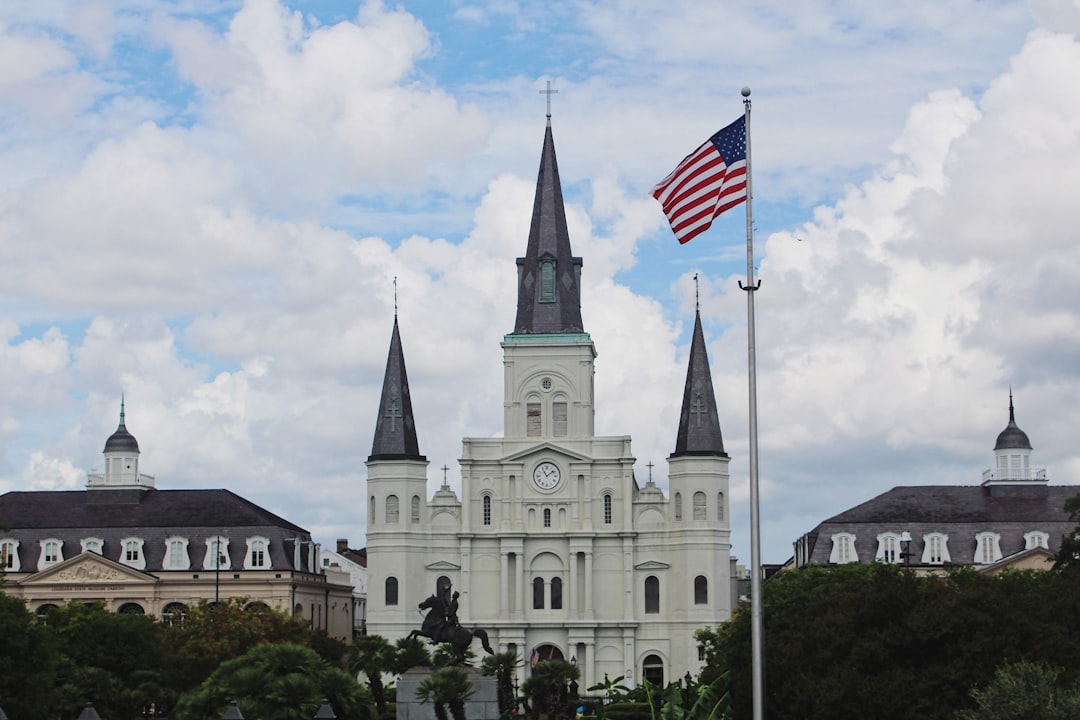
Other dates worth noting: the Tremé Creole Gumbo Festival pairs brass bands with competitive gumbo in the fall, Bayou Boogaloo (May 15) sets up along Bayou St. John, and NOLA Funk Fest (October 16–18) takes over Woldenberg Park on the riverfront. The ESSENCE Festival (July 3–5) at the Superdome is the nation’s largest annual African-American cultural event, but July heat is a serious consideration.
Three Neighborhoods, Three Ways to Stay
Faubourg Marigny — for music. Hotel Peter & Paul is the standout: a former church, schoolhouse, rectory, and convent converted into a boutique hotel with rooms that honor each building’s past. It’s steps from Frenchmen Street, which means you can walk home after the last set. The neighborhood is walkable, colorful, and the right kind of quiet during the day. Browse Marigny hotels on Booking.com
Garden District — for dining. Stay along Magazine Street or near the St. Charles Avenue streetcar line and you’re within walking distance of Commander’s Palace, La Petite Grocery, and the oak-canopied residential blocks that make this neighborhood feel like a film set. The Chloe doubles as both restaurant and boutique hotel. Browse Garden District hotels on Booking.com
Tremé — for immersion. Guest homes and B&Bs here put you in the thick of the oldest African-American neighborhood in the country. Dooky Chase’s is around the corner. The Backstreet Cultural Museum is a short walk. Congo Square is at the edge. You won’t find chain hotels, which is rather the point. Browse Tremé stays on Booking.com
What to Eat (Beyond the Beignet Selfie)
Yes, go to Café du Monde. But go before 10 AM or after 10 PM, when the line is short and the beignets are hottest. Get the powdered sugar on your shirt. Move on.
Roast beef po’boy at Parkway Bakery & Tavern. A local institution since 1911. The beef is gravy-soaked, the bread is crispy French, and the whole thing costs less than a cocktail in the Quarter. This is the po’boy that sets the standard.
Gumbo at Dooky Chase’s. Leah Chase’s Creole gumbo in the Tremé — the Holy Trinity of bell pepper, celery, and onion in a dark roux that’s been perfected across generations. The restaurant itself is worth the visit for the art collection alone.
Muffuletta at Central Grocery. The original, on Decatur Street. Sesame bread, layers of Italian cold cuts, and an olive salad that makes the whole sandwich. Order a half — a whole one could anchor a boat.
The 25-cent martini at Commander’s Palace. Mentioned above, but it bears repeating: this exists, it’s excellent, and it’s the most civilized way to start a long lunch in any American city.
When to Go and What to Know
October is the insider’s month. The temperatures drop into the comfortable 70s, the summer humidity finally breaks, hotel rates settle back to reasonable, and the festival calendar (Gumbo Fest, Funk Fest) keeps the music going. Spring — February through May — is the other prime window, anchored by Mardi Gras and Jazz Fest, but expect higher prices and thicker crowds.
Avoid July through September unless you genuinely enjoy 95-degree heat at 90% humidity. Hurricane season runs June through November, with August and September the most active months.
The St. Charles Avenue streetcar is genuinely useful transit, not just a tourist ride — it connects the Garden District to downtown. Frenchmen Street and the Marigny are walkable from the French Quarter. The Tremé is adjacent. You don’t need a car for any of this.
One practical note: Commander’s Palace requires reservations, especially for the weekday martini lunch. Book ahead. Most Frenchmen Street venues do not take reservations — just show up.
Ready to Plan Your Trip to New Orleans?
You’ve done the reading. Here’s everything you need to make it happen.
Some links in this post are affiliate links. If you book through them, CuriosityTrail earns a small commission at no extra cost to you. Recommendations are chosen on merit; commissions never decide what’s included.