Dallas Beyond the Sprawl: A Food, Art, and Neighborhood Guide for Curious Travelers
Quick Essentials
- 📍 Best Time to Visit: Late September through early November — the State Fair is in full swing, temperatures finally relent, and the Arboretum is buried under 100,000 pumpkins.
- ✈️ Getting There: Search flights on Skyscanner | Direct from most major US cities via DFW or Love Field
- 🏨 Where to Stay: Browse Dallas hotels on Booking.com
- 🎟️ Don’t Miss: Dallas street food tour with a local guide on GetYourGuide
- 💰 Budget Range: $150–$300 per day for mid-range to splurge travel for two
The City That Hides in Plain Sight
Dallas doesn’t make a great first impression from the freeway. You see the glass towers, the sprawl, the six-lane roads built for speed rather than strolling, and you think: this is a city designed for getting through, not lingering in. It’s an easy impression to have, and it’s wrong.
The trick is that Dallas isn’t really one city. It’s a collection of neighborhoods that function like small towns, each with its own food identity, its own murals, its own regulars who know the bartender’s name. Deep Ellum has the blues roots and the tattoo parlors. Bishop Arts has the indie bookshops and the farm-to-table spots. The Arts District has one of the finest museum campuses in North America, and most people outside Texas have no idea it exists. You just have to stop thinking of Dallas as a single entity and start treating it as a scavenger hunt.
What catches visitors off guard is the food. You expect Tex-Mex and barbecue — and both deliver — but the culinary range goes far deeper than brisket and queso. The city’s dining scene has been on a quiet tear, pulling in influences from Latin America, Asia, and the Middle East, often in the same strip mall. Dallas requires a shift in expectations if you’re used to walkable European cities, but its distinct neighborhoods and deep food culture reward you once you engage on its own terms.
America’s Largest Arts District (and Hardly Anyone Knows)
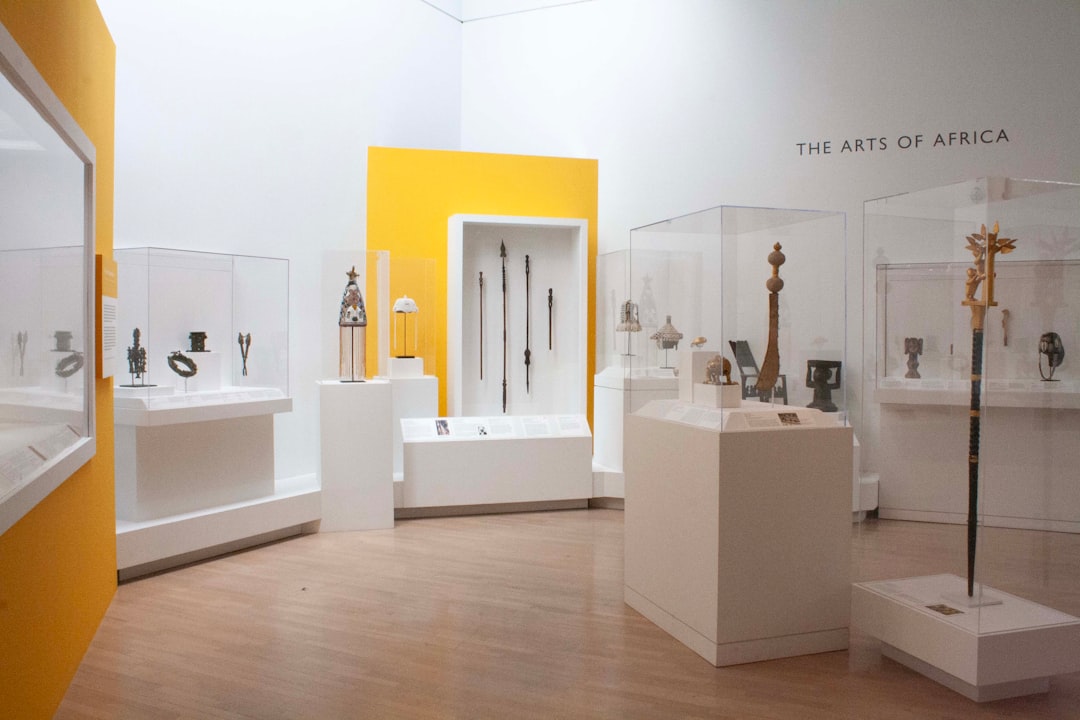
The Dallas Arts District covers 68 acres and nineteen city blocks, making it the largest contiguous urban arts district in the United States. That fact alone should put it on more radars than it does. The anchor is the Dallas Museum of Art, which remains completely free for general admission — a rarity for a collection this strong. The current Roy Lichtenstein retrospective, running through July 2026, is worth a trip by itself.
Walk five minutes south and you’re at the Nasher Sculpture Center, designed by Renzo Piano, where the collection of modern and contemporary sculpture sits under a signature vaulted roof that filters natural light across works by Rodin, Giacometti, and de Kooning. It’s the kind of place where you plan thirty minutes and stay ninety.
The quiet star, though, is the Crow Museum of Asian Art. Free admission, rarely crowded, and one of only a handful of American museums dedicated solely to the arts and cultures of Japan, China, India, and Southeast Asia. If you’ve already done the DMA and Nasher, the Crow is where to slow down.
Between museums, Klyde Warren Park bridges the highway gap with food trucks, lawn games, and weekend programming. It’s a clever piece of urban design — a five-acre deck park built over a sunken freeway — and it connects the Arts District to Uptown in a way that actually makes you want to walk. The AT&T Performing Arts Center rounds out the campus, anchored by the Winspear Opera House, which has been called the most significant performing arts center built since Lincoln Center.
Deep Ellum: Where the Blues Still Live
East of downtown, Deep Ellum has been the creative heartbeat of Dallas since the 1920s, when it was the center of the city’s African American blues and jazz scene. That history lives on in the clubs, the murals, and a general attitude that commercial polish hasn’t managed to sand away entirely.
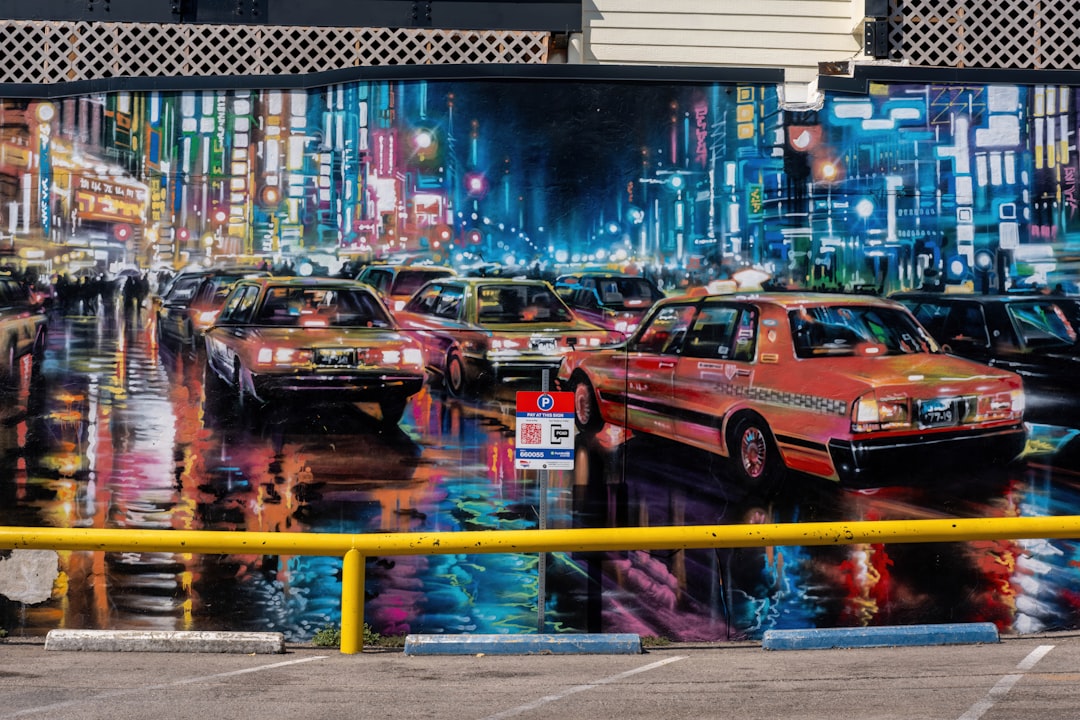
Start with the street art. Nearly every building surface is covered in something — elaborate multi-story murals, stencil work, abstract color explosions — and it changes often enough that repeat visits reveal new pieces. Then duck inside. The live music venues run seven nights a week, from hole-in-the-wall blues bars to bigger rooms pulling national acts.
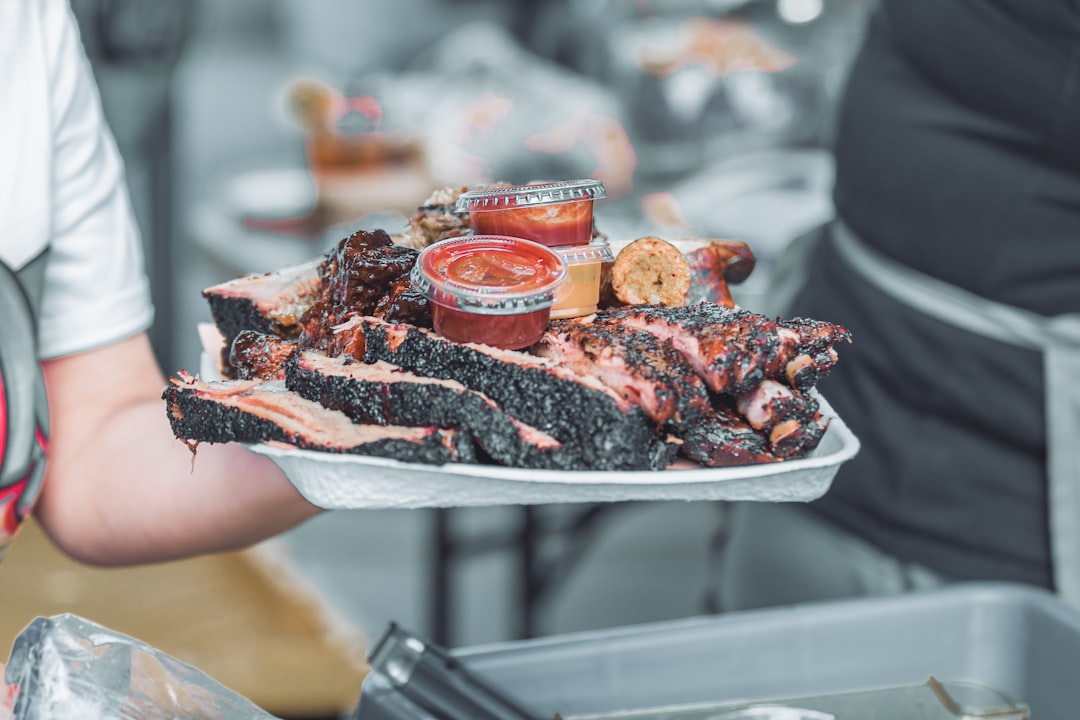
For food down here, Terry Black’s Barbecue holds court with its Deep Ellum location. It’s an Austin transplant, yes, but the brisket is excellent and the seating is generous, which matters when you’re hungry and don’t want to play the two-hour-wait game. Order by the pound, grab a side of creamed corn, and sit on the patio.
If you want something more structured, the Deep Ellum party bike pub crawl covers two hours of the neighborhood’s bars on a group pedal. It’s social, slightly ridiculous, and a surprisingly effective way to get oriented. → Deep Ellum party bike pub crawl on GetYourGuide
Bishop Arts: The Indie Heart of Oak Cliff
Cross the Trinity River into Oak Cliff and you’ll find Bishop Arts District, which might be the most fun dining neighborhood in Dallas right now. It’s smaller and more intimate than Deep Ellum, with a walkable cluster of independent boutiques, galleries, and restaurants that reward wandering without a plan.
The murals here get less attention than Deep Ellum’s, which is exactly why they’re worth seeking out. Fewer crowds, same caliber of work. The neighborhood has that lived-in quality that can’t be manufactured — local shop owners who wave you in, restaurants where the chef is visible from the dining room, a pace that suggests nobody is in a particular hurry.
For eating, this is where you find the kind of neighborhood spots that make a city feel like home. Regional fare, farm-to-table thinking, plates that reflect the community rather than chasing trends. Have dinner here, then walk the blocks with a coffee.
The Tex-Mex and Barbecue Trail
You can’t write about Dallas without getting into the food, and the two pillars are non-negotiable: Tex-Mex and barbecue. But the specifics matter more than the categories.
For barbecue, the destination is Cattleack Barbeque in Farmers Branch. It holds a Michelin Bib Gourmand distinction and opens only Wednesday through Friday, 10am to 2pm. That narrow window means you plan around it or you miss it. The brisket is the draw. Arrive by 10:30 if you value your afternoon.
Hurtado Barbecue, which opened its Dallas location at the Farmers Market, brings a different energy — Mexican-American flavors woven through traditional Central Texas technique. The birria ramen and the loaded baked potatoes are worth the trip alone.
For Tex-Mex, start at Mia’s in Oak Lawn. It’s been a Dallas institution for decades, the kind of place where business gets done over brisket tacos and strong margaritas. The food is reliable, the atmosphere is warm, and the regulars have been coming since before you heard of it.
El Fenix is where you go for the most traditional expression of the Dallas Tex-Mex tradition. The cheese enchiladas with chili gravy have been served since 1918, and they taste exactly like a century of repetition suggests — perfected. No reinvention needed.
One more: the Zodiac Room on the sixth floor of the Neiman Marcus flagship downtown. It’s been operating for over seventy years, serving elegant lunches in a department store setting that feels like another era. Not Tex-Mex, not barbecue, but unmistakably Dallas.
And you can’t leave without a frozen margarita at Mariano’s Hacienda, which claims to be the birthplace of the frozen margarita machine. Multiple locations across North Texas. The claim is debatable. The margaritas are not.
Where to Stay and How to Navigate the Sprawl
Dallas is a car city. That’s the reality. But the right hotel placement reduces windshield time significantly, and a few transit options make it more manageable than you’d expect.
Uptown / Turtle Creek is the most walkable base. McKinney Avenue has restaurants and bars within strolling distance, the Katy Trail offers a three-and-a-half-mile walking and biking path, and the free M-Line Trolley — a vintage streetcar that most visitors don’t know exists — connects Uptown to Downtown. For luxury, the Rosewood Mansion on Turtle Creek remains the benchmark, and it earned its status again as the top-ranked Texas resort for 2026. → Browse Uptown Dallas hotels on Booking.com
Downtown / Arts District suits museum-heavy itineraries. You’re walking distance to the DMA, Nasher, Crow Museum, Klyde Warren Park, and the Performing Arts Center. The Ritz-Carlton Dallas sits at the heart of it. → Browse Downtown Dallas hotels on Booking.com
Bishop Arts / Oak Cliff works if you want indie character over corporate polish. Smaller boutique stays put you within walking distance of the neighborhood’s best restaurants and shops, and you’re a short drive from everything else. → Browse Bishop Arts District hotels on Booking.com
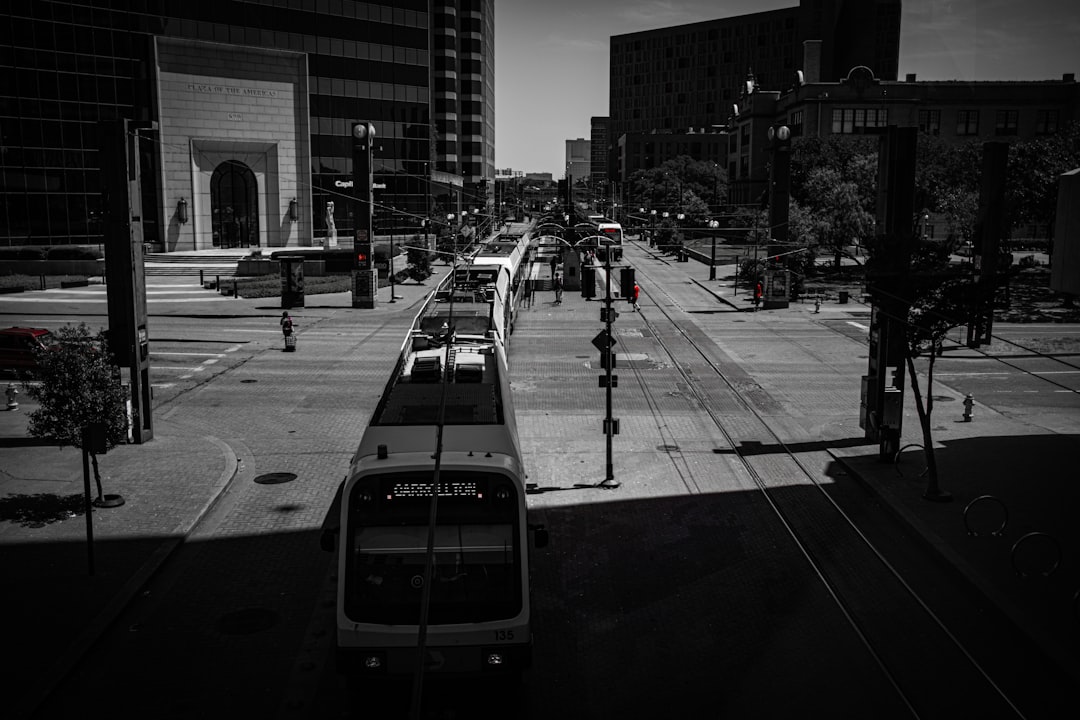
The M-Line Trolley deserves emphasis. It’s free, it’s charming, and it connects the two most useful neighborhoods for visitors — Uptown and Downtown — without requiring a car or a rideshare. Most visitors don’t discover it until their second trip, if at all.
Planning It Right
Best months: March through May for spring weather, the Dallas Blooms festival at the Arboretum (500,000 bulbs, genuinely spectacular), the Deep Ellum Arts Festival, and Texas bluebonnets just south of the city near Ennis. September through November for the State Fair of Texas, Autumn at the Arboretum, and temperatures that make outdoor exploration pleasant again.
Avoid: June through August. Highs regularly exceed 95°F, and early August can push past 98°F with overnight lows that barely dip below 80°F. It’s survivable but not enjoyable for walking neighborhoods.
Don’t skip: The State Fair of Texas runs late September through mid-October. It’s the cultural event of the year — Big Tex stands 55 feet tall, the midway is enormous, and the fried food competitions alone are worth the admission. If your dates allow it, plan around this.
Worth the drive: Texas bluebonnets bloom from late March to mid-April, and the best fields are near Ennis, about 35 minutes south of Dallas. It’s one of those things that sounds touristy until you see it — miles of roadside blue along rolling hills.
A street food tour early in your visit is the smartest way to calibrate your eating for the rest of the trip. Three hours with a local guide, multiple stops, and a working map of neighborhoods and flavors. → Dallas street food tour with a local guide on GetYourGuide
Ready to Plan Your Trip to Dallas?
You’ve done the reading. Here’s everything you need to make it happen.
Some links in this post are affiliate links. If you book through them, CuriosityTrail earns a small commission at no extra cost to you. Recommendations are chosen on merit; commissions never decide what’s included.