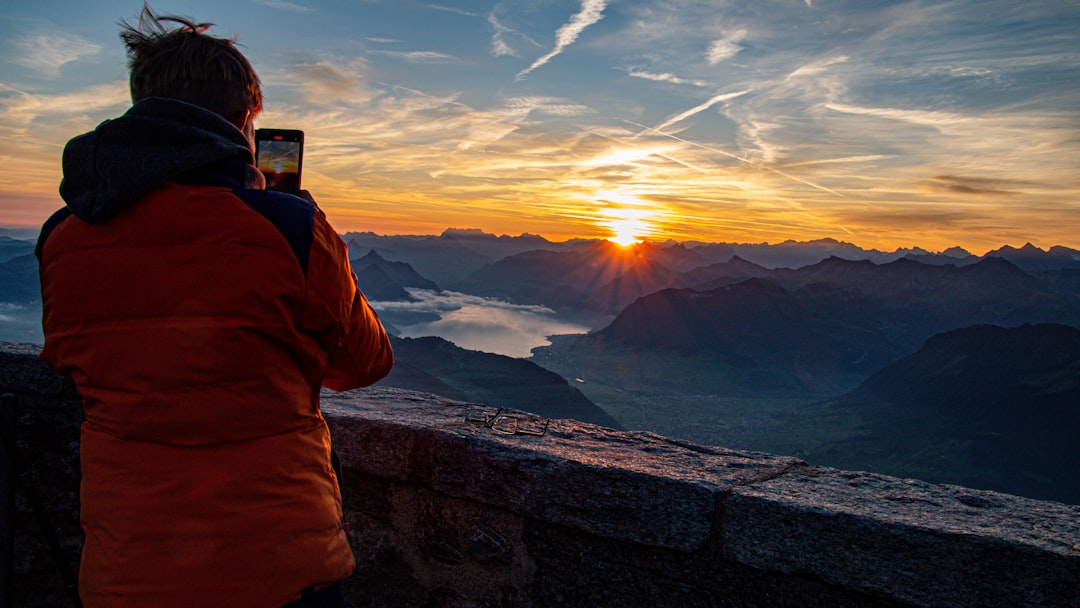
Lucerne at Your Own Pace: Lake, Mountains, and Medieval Bridges Worth Lingering Over
Quick Essentials
- 📍 Best Time to Visit: May–June or September–October — mountain railways are running, the lake is warm enough for a deck seat, and the Old Town doesn’t feel like a queue.
- ✈️ Getting There: Search flights on Skyscanner | Direct to Zurich (1 hr by train to Lucerne), connecting from Geneva, Munich, Milan
- 🏨 Where to Stay: Browse Lucerne hotels on Booking.com
- 🎟️ Don’t Miss: Golden Round Trip to Mount Pilatus on GetYourGuide
- 💰 Budget Range: $190–$350 per day for mid-range to splurge travel
The City That Makes You Stand Still
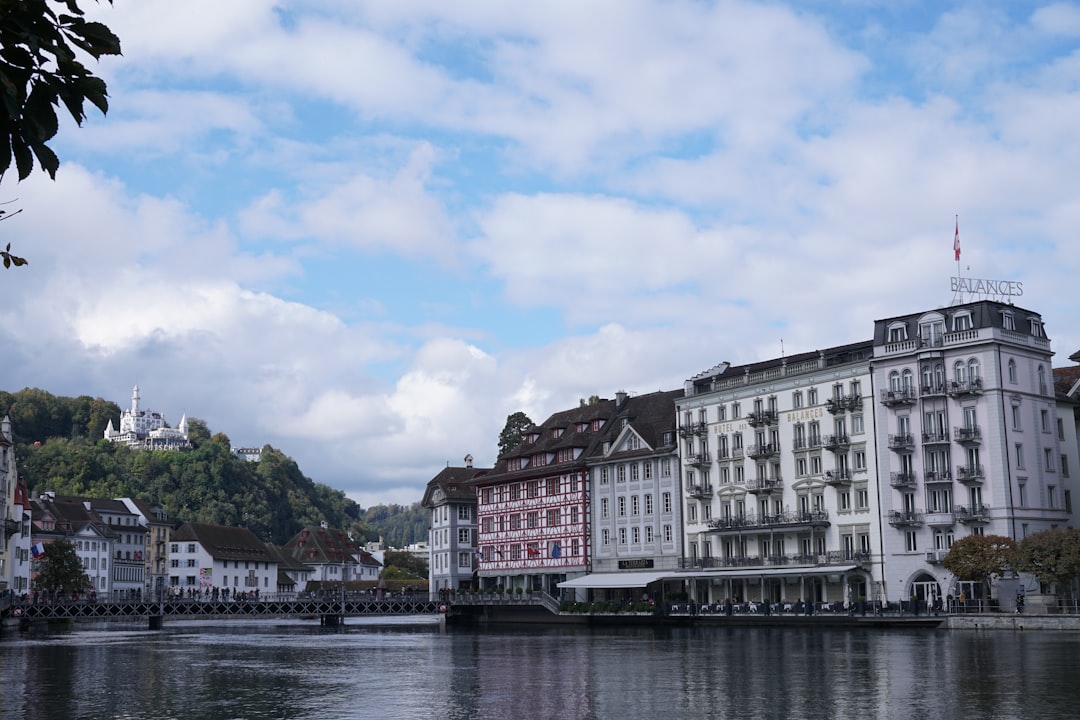
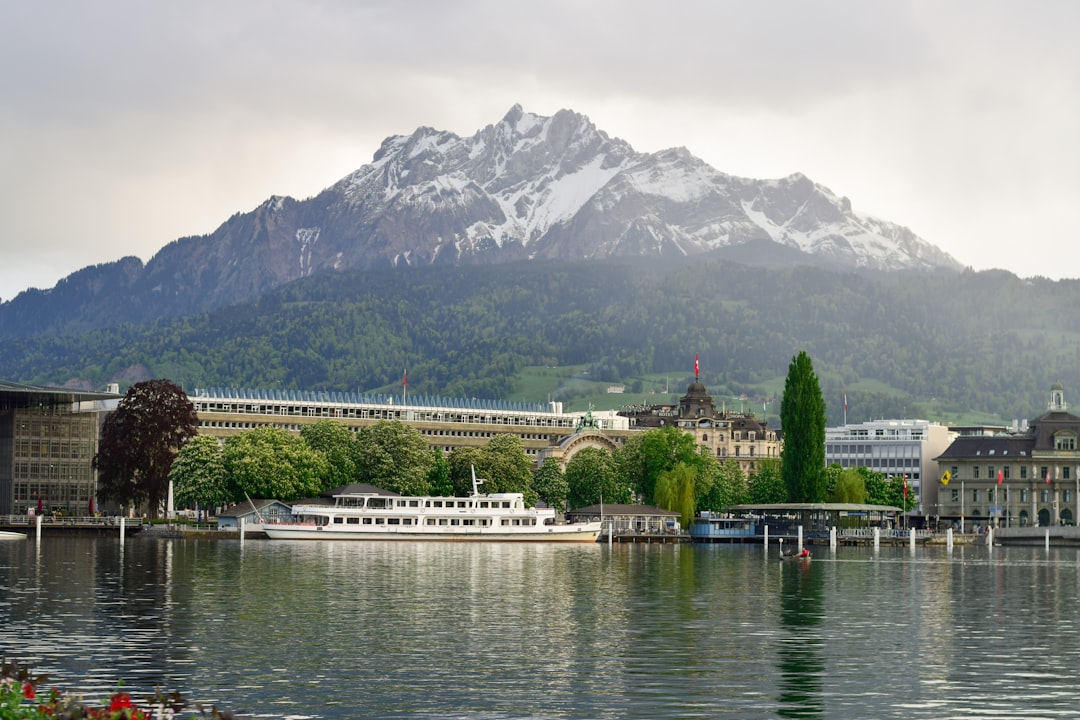
Lucerne is the kind of place where you stop on a bridge and forget where you were going. Not because you’re lost — the city is compact enough to cross in twenty minutes — but because the view caught you mid-stride. Lake Lucerne stretches south into a corridor of mountains. The Chapel Bridge angles across the water in weathered timber. And behind all of it, Pilatus sits at the edge of the frame like a stage backdrop that refuses to stay in the background.
Most Swiss cities are efficient. Lucerne is efficient and beautiful, which is a more dangerous combination. It’s easy to fill a day here with nothing but lakefront benches and slow walks through cobblestone lanes, and feel like that was enough.
But there’s more to it than the postcard shot. The medieval Old Town still has original 15th-century frescoes on its building facades. The Musegg Wall — a fortification most visitors walk past without climbing — offers a panorama that makes the Chapel Bridge look modest. And the lake isn’t just scenery; it’s a working transit network that connects you to two of the most rewarding mountain ascents in the Alps.
The trick is not to rush any of it.
Walking the Old Town Like You Live There
The Chapel Bridge gets the photos, and it deserves them. The 14th-century covered wooden footbridge is Europe’s oldest, and the triangular paintings mounted under its roof — 17th-century panels depicting Swiss history — give you something to study on each crossing. The octagonal Water Tower at its center has been a prison, a treasury, and an archive. It’s one of those rare landmarks that rewards a second and third look.
But the Old Town beyond the bridge is where Lucerne reveals its quieter character. The Hertenstein neighborhood, between Weinmarkt square and Sterngasse, has painted facades that most visitors walk right past. These aren’t subtle — they’re full 15th-century frescoes, bright and detailed, tucked into a street narrow enough that you could almost miss them if you were looking at your phone.
The Musegg Wall is the section of the Old Town I’d send every repeat visitor to first. This medieval fortification runs along the northern edge of the city, and you can walk along the top of it, climbing the Männliturm tower for a view that takes in the full sweep of rooftops, lake, and mountains. It’s free, it’s uncrowded, and it’s one of the best elevated viewpoints in Switzerland that doesn’t require a cable car ticket.
Hirschenplatz is the medieval square where locals actually sit. The architecture is well-preserved without being precious, and the side streets — Furrengasse in particular — lead to small shops and hidden courtyards that feel genuinely discovered rather than curated. This is the part of Lucerne that keeps its character when the tour buses leave.
The Golden Round Trip (And Why It’s Worth a Full Day)
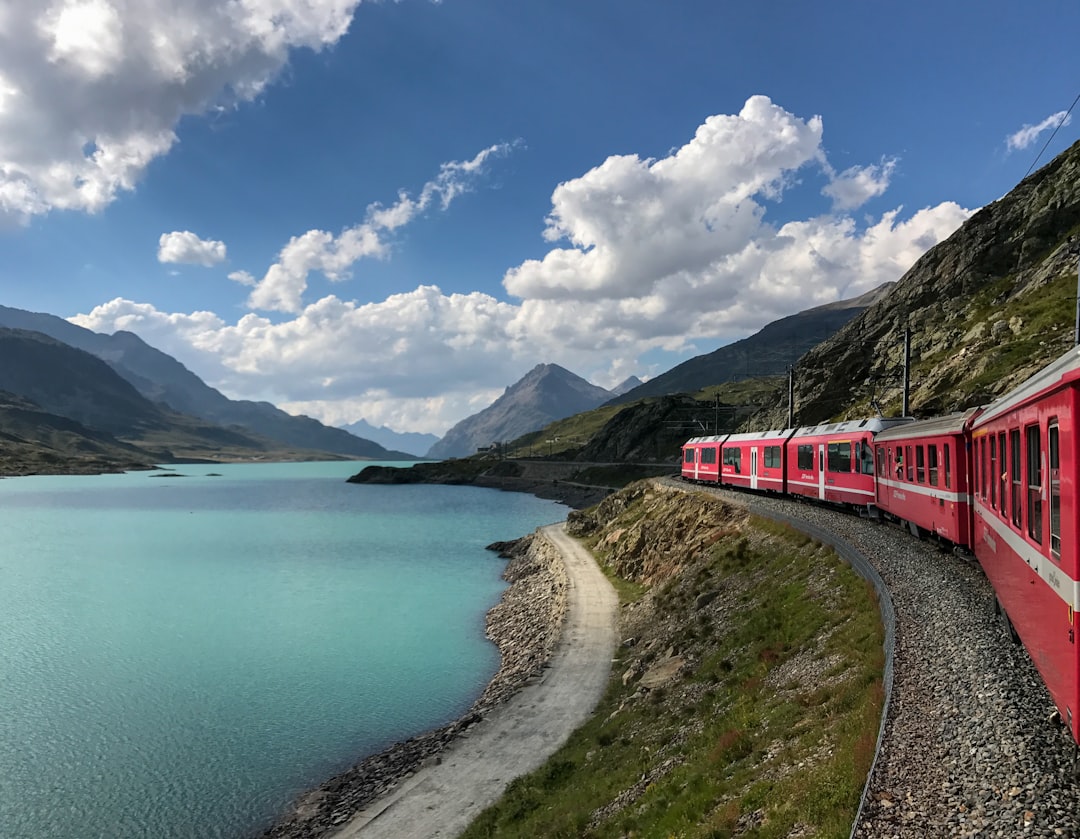
Mount Pilatus is called the Dragon Mountain, and the marketing is, for once, not overselling it. The Golden Round Trip is the definitive way to experience it: take the lake cruise from Lucerne to Alpnachstad, ride the world’s steepest cogwheel railway to the summit, then descend by gondola and cable car to Kriens and bus back to the city. It’s a five-to-six-hour loop that covers water, rail, and alpine panorama without retracing a single step.
The cogwheel railway is the highlight. A 48-degree gradient doesn’t sound dramatic until you’re in the car and the lake below you starts to look like a painting someone tilted. At the summit, the views extend across the lake district and into the Alps in a way that photographs flatten but memory doesn’t.
Book the Golden Round Trip as a full-day commitment — not because it takes that long on the clock, but because you’ll want to sit at the summit longer than you planned. Golden Round Trip to Mount Pilatus on GetYourGuide
Rigi: The Quieter Mountain with the Longer View
If Pilatus is the dramatic one, Rigi is the contemplative one. Europe’s oldest mountain railway — opened in 1871 — departs from Vitznau, which you reach by a lake cruise that is itself worth the ticket. The ride to the summit is gentler than the Pilatus cogwheel, and the views at the top are broader: a 360-degree panorama across the lake district that stretches into distance rather than height.
Rigi draws fewer visitors than Pilatus, which changes the experience. There’s space to walk the summit trails without weaving around groups, and the quieter restaurants up top feel more alpine hut than tourist canteen.
For experienced travelers who’ve already seen the Pilatus panorama, or who prefer solitude to spectacle, Rigi is the better mountain. The lake cruise to Vitznau takes about 40 minutes and passes some of the most scenic shoreline on Lake Lucerne. Mount Rigi day trip on GetYourGuide
Eating Your Way Through Lucerne
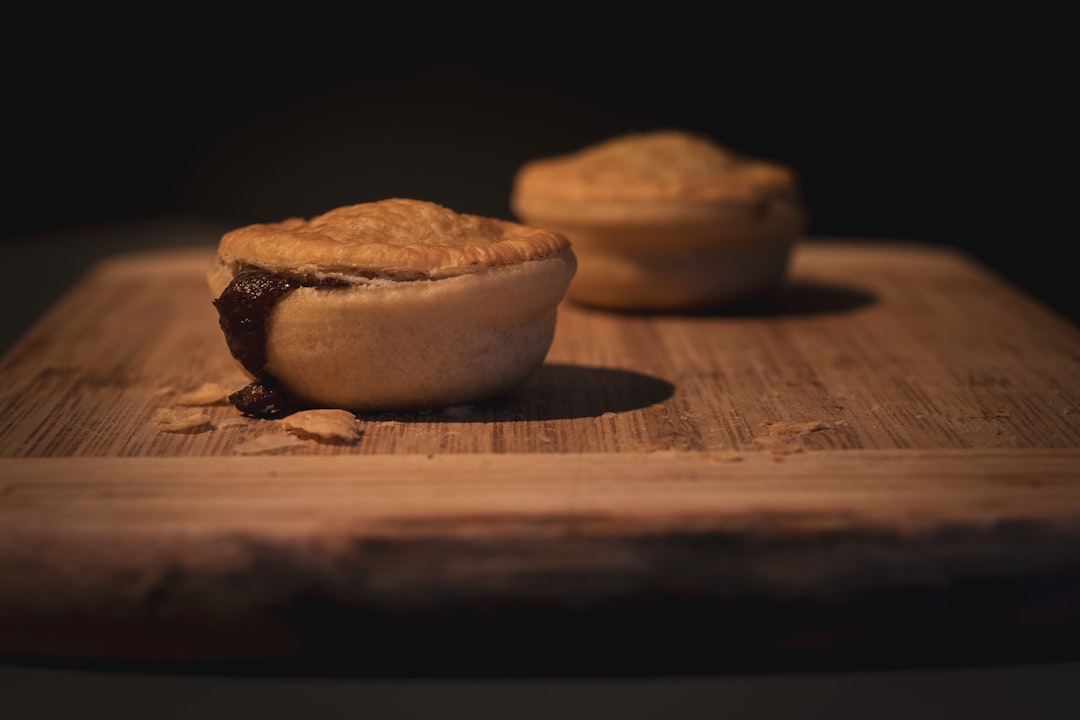
Start with the dish that belongs to this city and nowhere else: Luzerner Chügelipastete. It’s an 18th-century meat pie — a dome of golden puff pastry filled with veal, sausage, mushrooms, and cream sauce. It looks ceremonial. It tastes like someone’s grandmother perfected it over decades, which is roughly what happened. Order it at a traditional restaurant in the Old Town and don’t rush through it.
Heusuppe — hay soup — sounds like a dare, but it’s genuinely good. Mountain hay, herbs, and alpine flowers are steeped in cream and butter, then strained out before serving. What arrives is a fragrant, smooth soup that tastes like the Alps smell in late summer. It’s not on every menu, but it’s worth asking for.
Rösti needs no introduction, but here it’s best topped with local alpine cheese rather than the standard Gruyère. Crispy, golden, simple — a meal in itself at lunch or a side that steals the show at dinner.
For cheese on its own terms, raclette in the Old Town is a small ritual: melted cheese scraped tableside onto boiled potatoes with pickled onions and gherkins. The Swiss don’t complicate it, and neither should you.
And for something to take home, Max Chocolatier is worth a detour. Small-batch Swiss chocolate with inventive flavors that go beyond the expected. The shop is compact and doesn’t advertise itself loudly, which is part of the appeal.
Where Neighborhood Matters More Than Stars
Lucerne is small enough that location is the most important hotel decision. A bad neighborhood doesn’t exist here, but the character changes meaningfully block by block.
The Altstadt (Old Town) puts you inside the medieval streets, steps from the Chapel Bridge and Musegg Wall. Hotels here range from genuinely historic to boutique-modern, and the cobblestone atmosphere extends to your walk home after dinner. It’s the right choice if you want to feel the city around you. Browse Old Town hotels on Booking.com
The Schweizerhofquai lakefront trades charm for grandeur. The grand hotels face the lake directly, with mountain panoramas from the room. Boat departures are at your doorstep, and mornings start with a view that justifies the premium. This is Lucerne’s splurge strip, and it knows it. Browse lakefront hotels on Booking.com
Tribschen, south of the center, is where Richard Wagner lived — and you can see why he stayed. It’s residential, lakeside, and quiet in a way the Old Town isn’t after dinner. A fifteen-minute walk or short bus ride gets you downtown. If you sleep better without cobblestone foot traffic below, this is your neighborhood. Browse Tribschen hotels on Booking.com
When to Go and What Most Visitors Get Wrong
The mistake is coming in July or August. Lucerne is beautiful in summer, but it’s also expensive, crowded, and competing with every other European vacation week. The mountain railways are at capacity. The lakefront benches require patience.
May through June is the sweet window. The snow has receded from the lower peaks, the lake is warm enough for open-deck cruises, and the Old Town still has breathing room. September and October are equally strong — autumn foliage changes the color of the hillsides and the Lucerne Festival (August 13–September 13, 2026) brings world-class classical music to the lakefront.
If you want something truly different, time a winter visit around Fasnacht — Lucerne’s carnival in January or February. It’s wild, loud, costumed, free, and nothing like the contemplative city you’ll find the rest of the year. Brass bands in the cobblestone streets at midnight. It’s Switzerland’s best-kept festival secret.
Practical note for North American travelers: Switzerland is cash-friendly but card-accepted almost everywhere. Trains run on time with an intensity that feels personal. Tipping is not expected at restaurants — service is included — but rounding up is appreciated. And the Swiss Travel Pass covers most lake cruises and mountain railways, which can save significant money if you’re doing the Golden Round Trip and a Rigi excursion in the same visit.
Ready to Plan Your Trip to Lucerne?
You’ve done the reading. Here’s everything you need to make it happen.
🎟️ What to Book in Advance
- Golden Round Trip to Mount Pilatus
- Mount Rigi day trip via Vitznau
- Browse more Lucerne experiences on Viator
Some links in this post are affiliate links. If you book through them, CuriosityTrail earns a small commission at no extra cost to you. We only recommend things we’d book ourselves.
Sophie Tremblay
Sophie has walked Lucerne’s cobblestones in every season and still catches herself standing on the Chapel Bridge longer than she intended. She writes about European cities that look simple on the surface and reveal themselves slowly — which is exactly what Lucerne does. More posts from Sophie →