Visiting Strasbourg, France: A Complete Guide
Quick Essentials
- 📍 Best Time to Visit: May through September — the canal-side terraces are open, cathedral illuminations run nightly, and the winstubs spill onto the sidewalks
- ✈️ Getting There: Search flights on Skyscanner | Direct from Paris (1h50 TGV), Frankfurt (2h), Basel (1h30)
- 🏨 Where to Stay: Browse Strasbourg hotels on Booking.com
- 🎟️ Don’t Miss: Strasbourg canal boat tour on GetYourGuide
- 💰 Budget Range: €120–€220 per day for a comfortable mid-range trip; €300+ for boutique hotels and evening wine bars
A City That Refuses to Pick a Side
Strasbourg doesn’t feel like a French city that absorbed German influence, or a German city that went back to France. It feels like a place that decided the argument was a waste of time and poured itself a glass of Riesling instead.
The duality is in everything. The street signs are bilingual. The cathedral is Gothic but built from pink Vosges sandstone that glows at sunset like nothing in Paris or Cologne. The food — tarte flambée with crème fraîche and lardons, choucroute slow-cooked in local wine, kougelhopf brioche dusted with almonds — borrows freely from both kitchens and tastes entirely like itself.
And then there’s Petite France, the old tanners’ quarter where half-timbered houses lean over narrow canals and every window box overflows with geraniums. It’s extraordinarily walkable. You can cover the entire Grande Île — the island that holds the historic center, and a UNESCO World Heritage site — in a long morning, and still have time to stop twice for coffee. That’s the kind of city this is. It rewards the slow wanderer.
Walking Petite France: Canals, Timber, and the Hour Before the Crowds
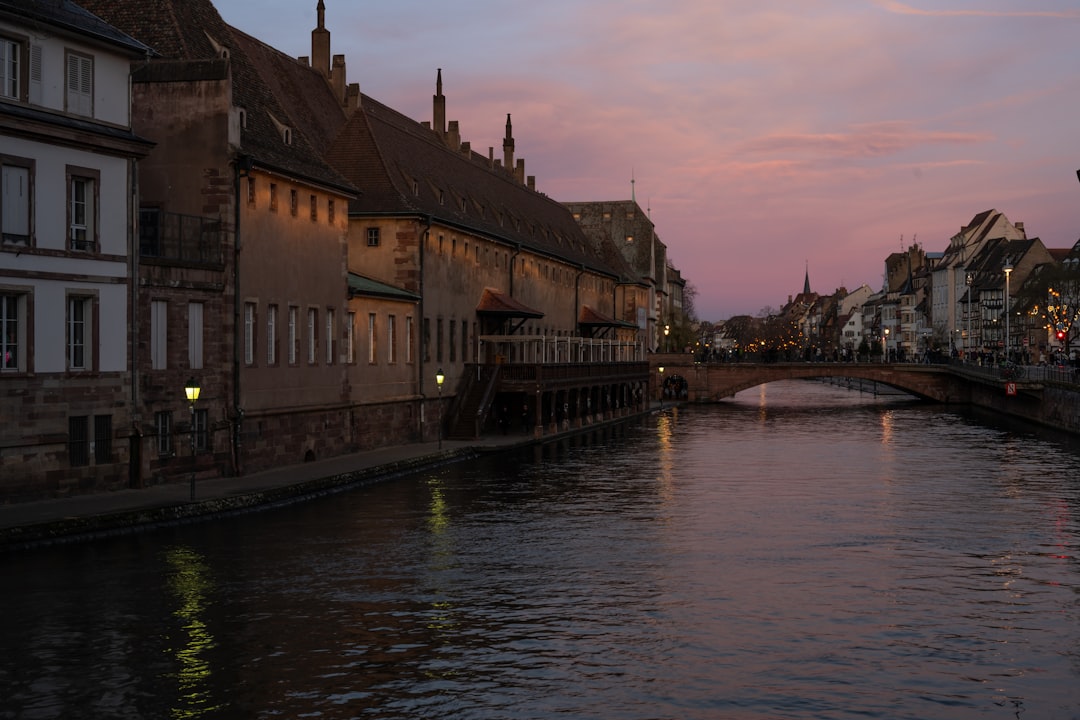
Go early. By 10am, the canal banks in Petite France are shoulder-to-shoulder with tour groups. But at 7:30 on a weekday morning, the reflections on the water are clean and the only sounds are shutters opening and bread baking.
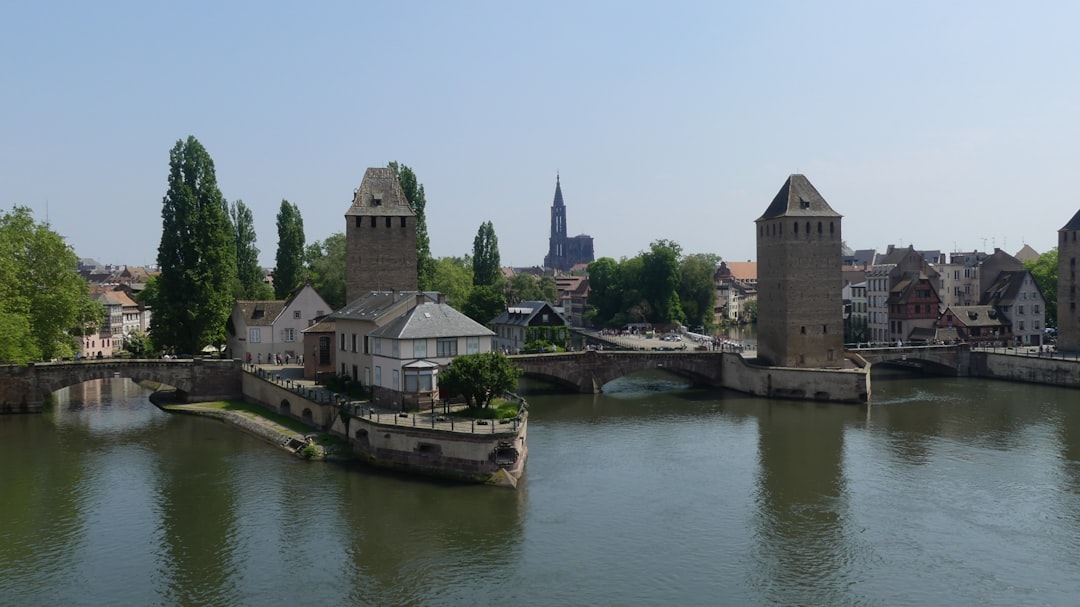
The quarter was built by tanners, millers, and fishermen — working-class trades that needed canal access. The half-timbered houses date mostly to the 16th and 17th centuries, and their steep-pitched roofs were originally designed for drying animal hides. The smell is considerably better now. Walk from the Maison des Tanneurs along Rue du Bain-aux-Plantes and cross the Ponts Couverts, three medieval bridges flanked by defensive towers that haven’t needed to defend anything in centuries.
Then do what most visitors skip: climb the Vauban Dam. The rooftop terrace is free, open to everyone, and offers the best panoramic view in the city — Petite France spread out below, the cathedral spire behind you, the covered bridges framing the canals. The cathedral tower climb gets the press. The Vauban gets the view.
For a different perspective entirely, take the canal boat tour through Petite France and along the Ill River. You pass through the historic locks, see the European Parliament glinting in the distance, and get a waterline view of the timber-framed houses that’s impossible from the bridges. → Strasbourg canal boat tour
Eating Your Way Across the Border
The table in Strasbourg is where the Franco-German duality tastes best.
Start with tarte flambée — flammekueche in Alsatian. It’s a paper-thin crust spread with fromage blanc and crème fraîche, scattered with onions and bacon, and baked until the edges char. It’s simpler than pizza and better after 9pm with a glass of Riesling. Schatzi makes theirs with hand-milled local flour and lardons from a Strasbourg butcher. La Fignette, tucked into Petite France, fires theirs in a wood oven and the crust comes out with exactly the right amount of blister.
Choucroute garnie is the other essential. Sauerkraut — sliced thin, fermented, and slow-cooked in wine with cloves — arrives buried under Strasbourg sausages, smoked pork, bacon, and potatoes. It’s an abundance that makes sense once you’ve walked the canals in November. Maison Kammerzell, the spectacularly carved 15th-century building on the cathedral square, does a version with duck confit that’s worth the slightly tourist-adjacent setting. The building itself is half the experience — look up at the timber carvings before you sit down.
Kougelhopf deserves a morning visit on its own. This Alsatian brioche is baked in a fluted ceramic mold, studded with almonds, and sometimes soaked in kirsch. Buy one from a bakery in the old town and eat it on a canal bench.
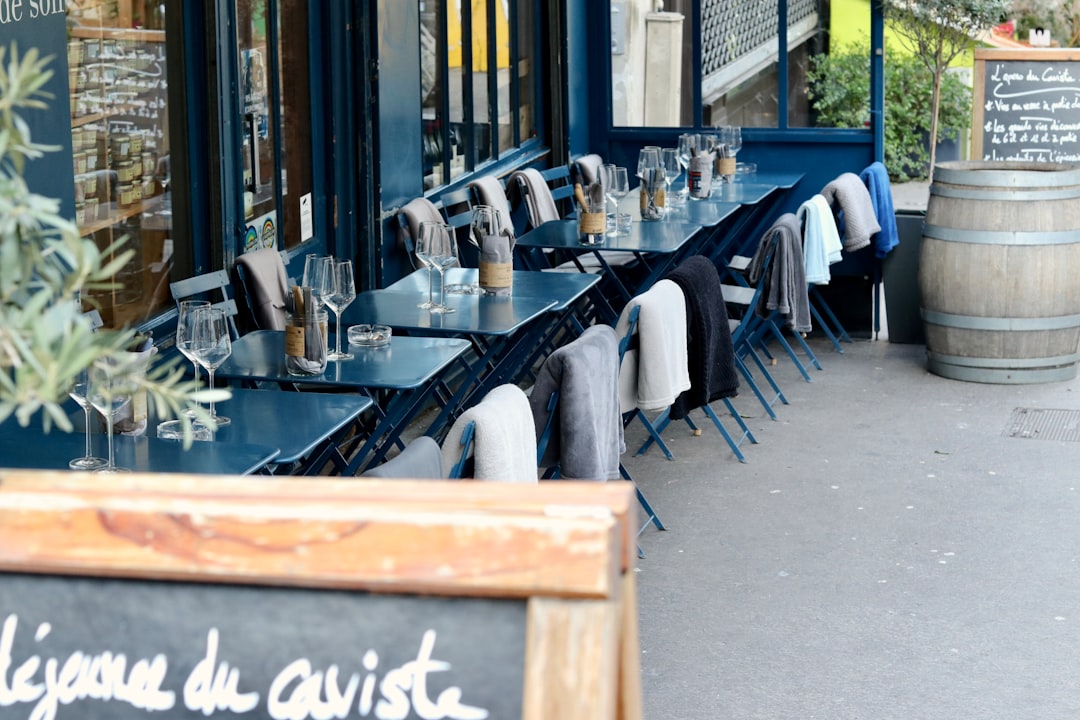
And drink the wine. Alsatian Riesling is dry and steely, nothing like its German reputation for sweetness. Gewürztraminer is aromatic and slightly heady — perfect with the rich, pork-heavy local food. Find a winstub, order a carafe, and let the afternoon go.
For a deeper dive into the food scene, an Alsatian food walking tour connects the tasting to the history — you’ll try Munster cheese, local charcuterie, and wines you won’t find outside the region. → Alsatian food walking tour
The Cathedral and the View You’re Probably Missing
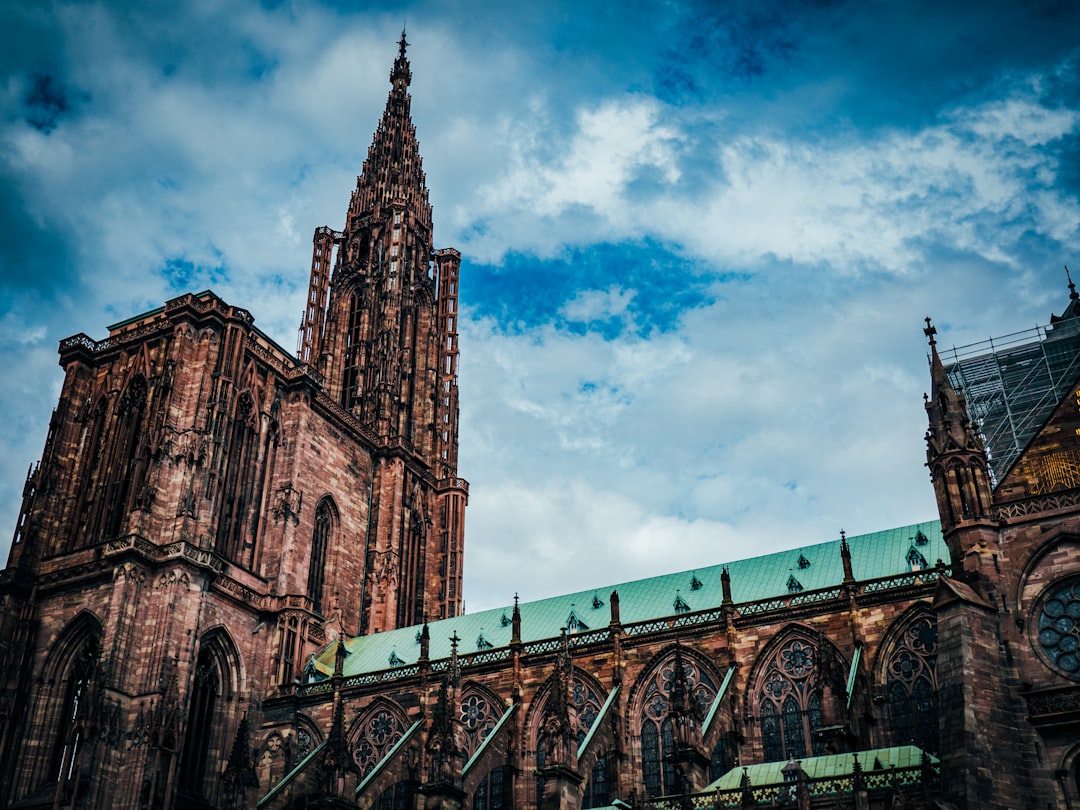
Strasbourg’s Notre-Dame took 263 years to build. For most of the medieval period it was the tallest building in the world, and even now, standing on the Place de la Cathédrale and looking straight up, the scale stops you mid-sentence. The pink sandstone changes color with the light — grey in rain, warm amber at midday, genuine rose-gold at sunset.
The 332-step tower climb is worth doing for the views across the Rhine plain to the Black Forest. On a clear day you can see Germany. On a less clear day, you can still see why this was a strategic city worth fighting over.
But the cathedral’s best feature might be the astronomical clock, a Renaissance-era mechanism that puts on a show of automata every day at 12:30pm. Apostles process, a rooster crows, and Death strikes the hours. It’s theatrical and slightly morbid and entirely in keeping with a city that has changed nationalities five times.
In summer, the cathedral illuminations run nightly at 10:30pm — a free sound and light show that projects colored patterns onto the facade. It’s touristy. It’s also genuinely spectacular.
Beyond the Old Town: Krutenau and the European Quarter
Most visitors never leave the Grande Île. Their loss.
Cross the canal south into Krutenau, and the atmosphere shifts. This is a neighborhood of cafés, bookshops, independent restaurants, and students from the university. The buildings are still half-timbered but the energy is younger. It’s where locals eat on Tuesday nights. It’s also where the mid-range hotels are, which makes it a smart base if you’d rather spend your money on wine than room rates.
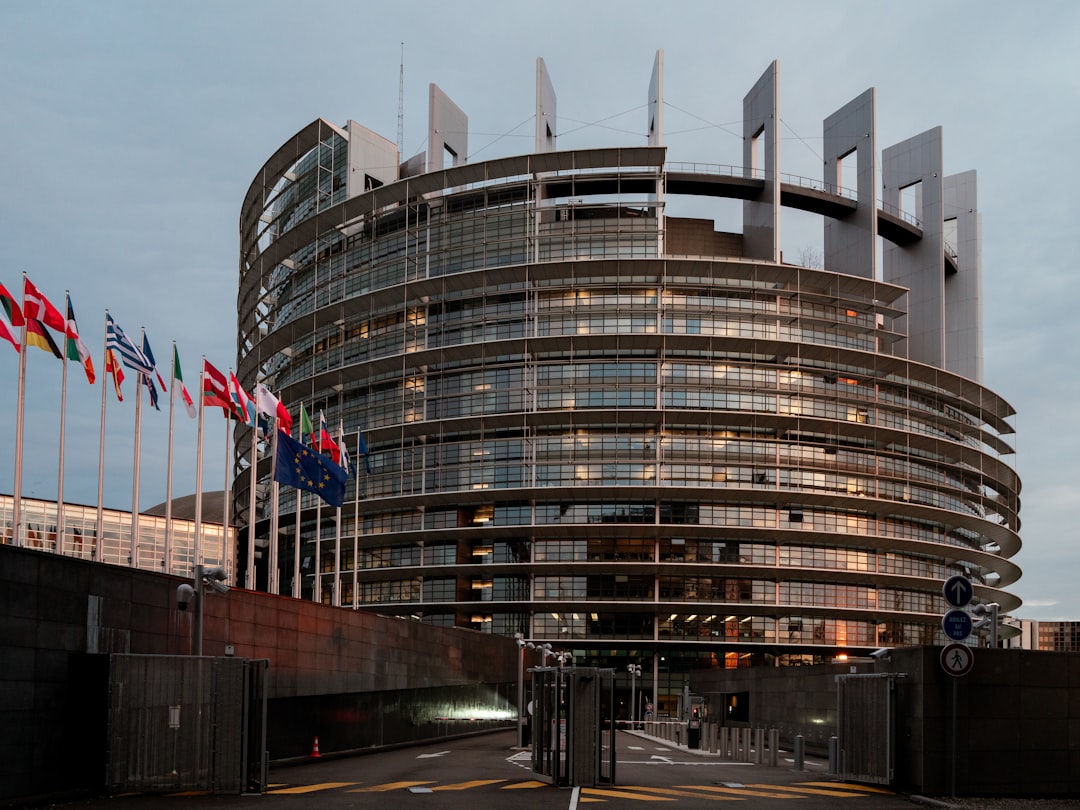
In the opposite direction, the European Quarter is a fifteen-minute tram ride from the cathedral and a five-hundred-year jump in architectural style. Strasbourg is one of three official seats of EU governance — the European Parliament, the Council of Europe, and the European Court of Human Rights all have headquarters here. The glass-and-steel buildings are striking against the medieval skyline. The Parliament offers free guided tours, and even if EU governance isn’t your passion, the architecture alone justifies the tram fare.
When to Go and Where to Sleep
May through September is the sweet spot. The weather is warm enough for long canal walks and outdoor dining, the cathedral illuminations run nightly, and the Summer in Strasbourg festival fills the city with free concerts and performances from early July through August. The Fête de la Musique in late June turns every square into an outdoor stage.
December breaks the rule. The Christkindelsmärik — Strasbourg’s Christmas market, running since 1570 — is one of Europe’s oldest and most atmospheric. Wooden chalets sell handmade ornaments, gingerbread, and vin chaud. The city earns the “Capital of Christmas” label honestly.
Petite France / Grande Île. You’re inside the postcard. Canal views, cathedral walks, winstubs on every corner. Hôtel Régent Petite France & Spa has rooms overlooking the Ill River and a location that makes morning walks effortless. Hôtel Cour du Corbeau is a restored 16th-century coaching inn with genuine period character. Both are splurge-worthy. → Strasbourg hotels in Petite France
Krutenau. Ten minutes on foot to the cathedral, half the price, twice the local flavor. Great for anyone who’d rather discover their own dinner spot than eat where the guidebook points. → Hotels near Krutenau, Strasbourg
Gare-Tribunal. Practical, modern, and ideal if you’re planning day trips along the Alsace Wine Route to Colmar and the grand cru villages. The TGV station is an architectural statement in its own right. → Hotels near Strasbourg station
Ready to Plan Your Trip to Strasbourg?
You’ve done the reading. Here’s everything you need to make it happen.
🎟️ What to Book in Advance
- Strasbourg canal boat tour through Petite France
- Alsatian food and wine walking tour
- Browse more Strasbourg experiences on Viator
Some links in this post are affiliate links. If you book through them, CuriosityTrail earns a small commission at no extra cost to you. Recommendations are chosen on merit; commissions never decide what’s included.