Kyoto’s Quieter Side: Nishijin Textiles, Ohara Temples & Kaiseki Lunches Worth Lingering Over
Quick Essentials
- 📍 Best Time to Visit: Mid-March through May or late October through November — cherry blossoms in early April and crimson maples in November transform the temple gardens, but May’s lush greenery and empty paths are the real insider pick.
- ✈️ Flights: Search flights to Osaka Kansai International (KIX) | Direct from Vancouver, San Francisco, Los Angeles, and most major Asian hubs. A 75-minute Haruka Express puts you in Kyoto.
- 🏨 Hotels: Browse hotels in Kyoto | Our neighborhood picks below
- 🎟️ Top Experience: Tea ceremony and textile tour at Tondaya Nishijin Lifestyle Museum — inside a 140-year-old machiya landmark
- 💰 Budget Range: $150–$350 USD per day for mid-range to splurge travel, including one kaiseki lunch
The Kyoto You Haven’t Seen Yet
Most people visit Kyoto the way you visit a museum — tick the rooms, follow the route, leave through the gift shop. Fushimi Inari at sunrise, the Golden Pavilion between bus groups, Arashiyama’s bamboo grove with someone’s selfie stick in every frame. And those places are remarkable. But they’re also the version of Kyoto that exists inside every guidebook printed since 1997.
The Kyoto that stays with you is quieter. It’s the rhythmic clack of a handloom behind a wooden lattice wall in Nishijin at four in the afternoon. It’s a bus ride to Ohara that weeds out anyone who wasn’t serious about the journey. It’s two hours at a kaiseki counter where the chef sets a single ceramic dish in front of you and it contains autumn.
This is a guide to those neighborhoods — the ones where Kyoto isn’t performing for anyone.
Nishijin: Where the Looms Still Clack
Nishijin doesn’t announce itself. There’s no gate, no welcome sign, no map kiosk. The district sits in Kyoto’s northwest, a web of residential lanes where weaving workshops have operated for over a thousand years. The craft here — Nishijin-ori — produces some of the most intricate brocade silk in the world, the kind used for obi sashes, temple vestments, and imperial garments. You won’t find it in souvenir shops. You find it behind sliding doors, where someone’s hands are doing what their grandmother’s hands did.
Start at the Nishijin Textile Center. Admission is free, which should tell you something — this isn’t a tourist trap; it’s an industry-funded institution where over 700 small weaving companies showcase their work. The ground floor has live weaving demonstrations, and if you time it right, you’ll catch a kimono fashion show that presents Nishijin textiles in both traditional and contemporary designs. The third-floor museum rotates its collection of historical textile samples several times a year. But the real reason to come is the hands-on weaving workshop, where you sit at a loom and produce a small piece of fabric using the same techniques that have been practiced here since the Heian period. It makes a better souvenir than anything at Kiyomizu-zaka.
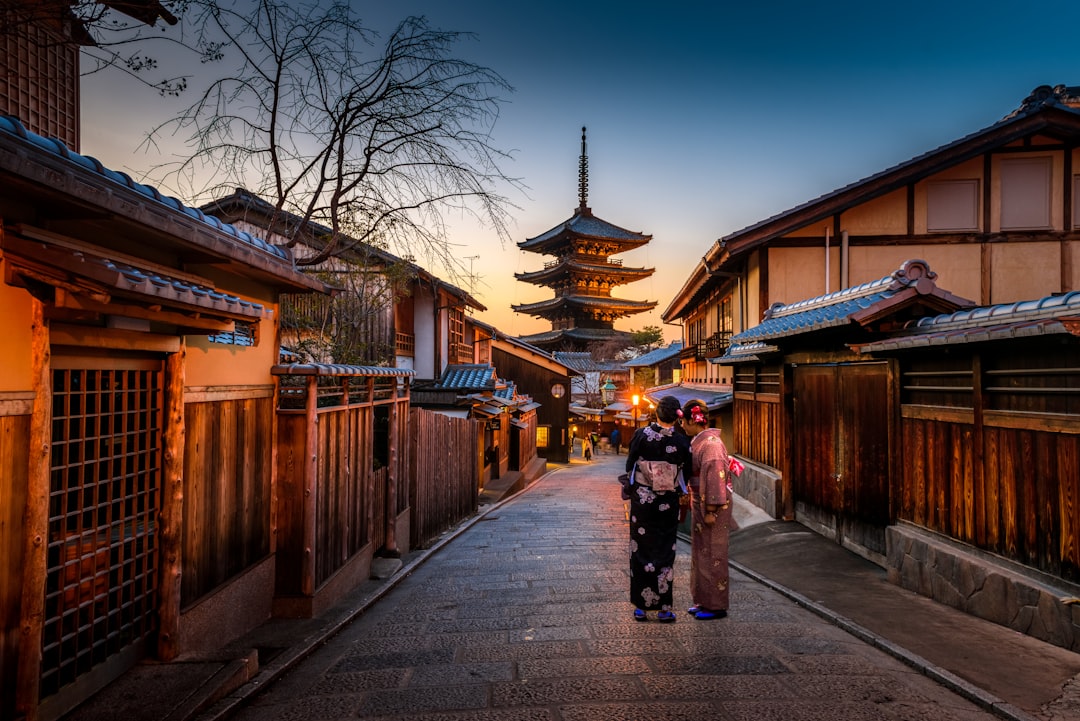
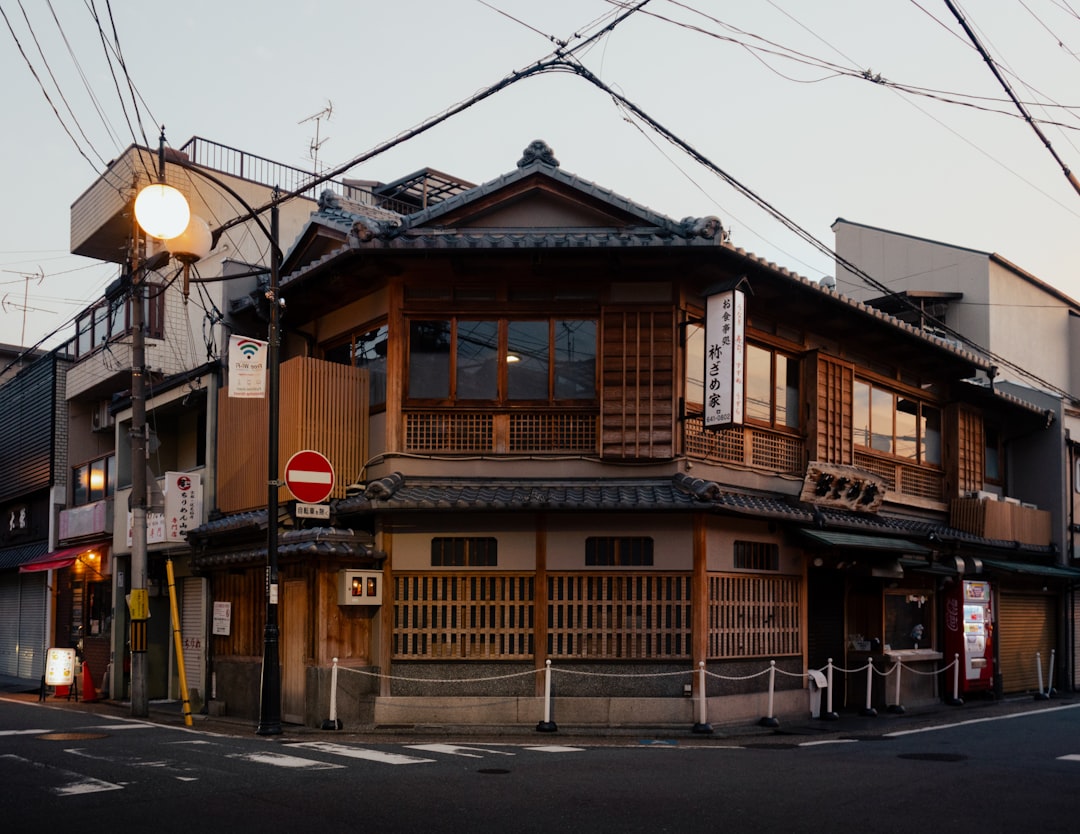
Then walk. The backstreets of Nishijin at dusk are among the most atmospheric in Kyoto — sloping roofs, wooden reliefs, the occasional flutter of silk drying on a rack. For something deeper, book the Tondaya Nishijin Lifestyle Museum experience. It’s a 140-year-old machiya officially recognized as a cultural landmark, and the tea ceremony inside it — with garden views, finely crafted woodwork, and historical kimono on display — belongs on a different list than the tourist-circuit tea experiences near Gion. Book the Tondaya tea ceremony and textile tour
Ohara: An Hour North, A World Apart
The bus to Ohara takes about an hour from central Kyoto, and that hour is the point. It’s a filter. The tourists who aren’t willing to ride a bus for sixty minutes through the northern mountains don’t come, and what remains is a rural valley where you can hear a stream instead of a crowd.
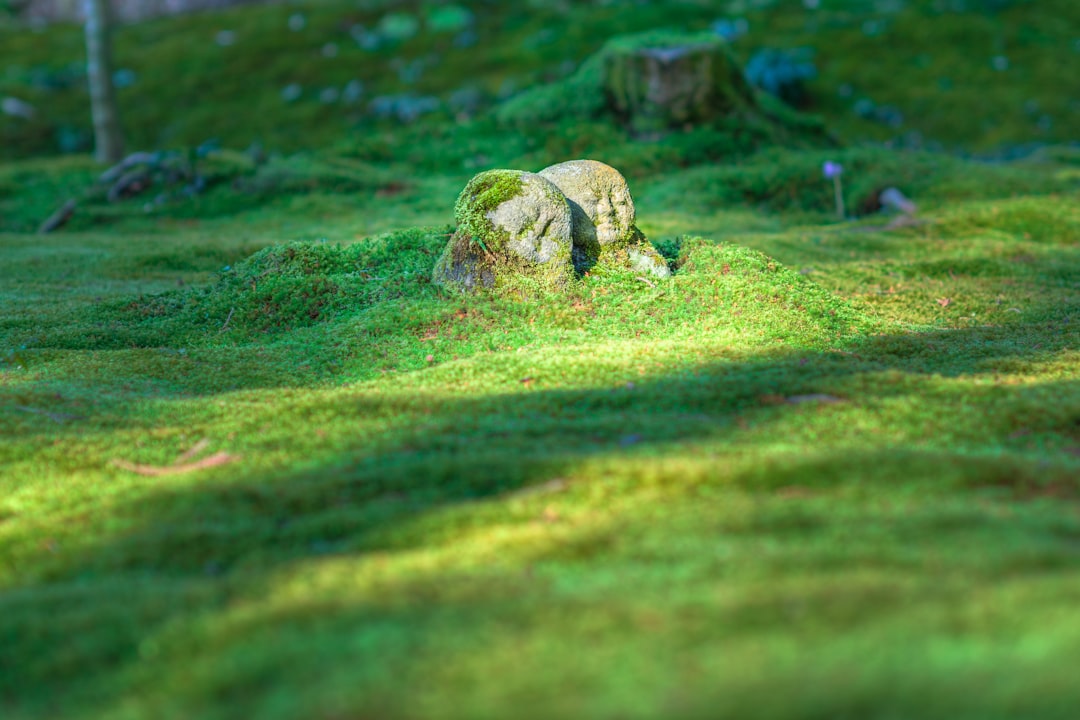
Sanzen-in Temple is the reason most people make the trip, and it earns it. The moss garden is extraordinary — a rolling carpet of emerald interrupted by tiny warabe jizo statues with their serene, childlike smiles half-hidden in the green. You can sit on the tatami mats of Ojo Gokuraku-in hall, accept the offered cup of green tea, and just look. There’s nothing else required of you.
But the real find in Ohara is next door. Hosen-in Temple gets a fraction of the visitors, and its famous “picture window” — a perfectly composed view of a bamboo garden framed by the temple’s architecture — is one of the most peaceful things you’ll sit in front of in Japan. The word “contemplative” gets overused in travel writing, but here it’s simply accurate. Green tea is included with admission, served on tatami, and nobody rushes you.
The walk between the temples follows a narrow lane lined with pickle shops and small farms selling seasonal produce. Buy shibazuke (pickled cucumber, eggplant, and perilla leaves) from one of the roadside stalls. It’s Ohara’s signature product, and it’s better here than anywhere in the city.
The Long Lunch: Kaiseki as Kyoto’s Highest Art
Here’s the case for booking kaiseki at lunch instead of dinner: the food is essentially the same, the price is roughly half, reservations are easier to get, and you’ll be alert enough to actually notice what you’re eating. A multi-course kaiseki lunch at a serious Kyoto restaurant runs ¥10,000–¥20,000 (roughly $70–$140 USD) and it is, without exaggeration, one of the best things you can do with two hours in Japan.
Kiyama is where I’d send a friend who’s never done kaiseki. The counter seats give you a view of the kitchen, the cooking blends tradition with a slightly modern sensibility, and the price-to-quality ratio is among the most fair in Kyoto. It’s approachable without being dumbed down.
Roan Kikunoi, the younger sibling of the renowned Kikunoi in Southern Higashiyama, takes a more playful approach. The kaiseki here has a slightly unorthodox edge — dishes that surprise you without abandoning the classical framework. It’s also easier to book than the main restaurant, and the lunch courses are the sweet spot.
For sheer atmosphere, Hyotei has been operating for over 400 years, with thatched-roof tea rooms and a garden that predates most of the hotels in the city. Their bento-style lunch is a gentler entry point if a full kaiseki spread feels like too much commitment for a first visit.
Book at least two weeks ahead. Three if you’re visiting during cherry blossom season. Browse Kyoto food and cultural experiences
What to Eat When You’re Not at Kaiseki
Kyoto’s everyday food is just as particular as its high-end dining — it’s just quieter about it.
Nishin soba is buckwheat noodles topped with sweet-simmered herring. It’s a winter staple that doesn’t really exist outside Kyoto, and the combination of earthy soba and rich, tender fish is the kind of thing that makes you wonder why you’ve never had it before. Look for it at the older noodle shops near the temples.
Yudofu — silken tofu boiled in kombu broth — is the signature dish of the Nanzen-ji temple precinct. It sounds ascetic. It isn’t. When the tofu is this good and the broth is this clean, simplicity becomes a kind of luxury. Several restaurants along the approach to Nanzen-ji serve it as a set lunch with pickles and rice.
At Nishiki Market, push past the Instagram-bait stalls near Teramachi and head deeper west, where locals shop. The pickle vendors, dried fish stalls, and knife shops are worth more of your time than the matcha-coated-everything section. Pick up senmaizuke (thinly sliced turnip pickles) and yatsuhashi — Kyoto’s cinnamon-and-rice-flour confection. Get the soft nama version, not the hard baked one.
Where to Stay to Actually Feel the City
The neighborhood you sleep in determines the Kyoto you experience. Most visitors default to the Gion–Higashiyama corridor, and it’s a perfectly good choice if you want walkable access to temples, kaiseki, and the atmospheric lanes around Yasaka Shrine. But it isn’t the only option.
Nishijin is my pick for this particular trip. Enso Machiya is a 170-year-old restored Kyo Machiya in Kamigyo Ward, steps from the Nishijin Textile Center and Kitano Tenmangū Shrine. It preserves original architecture while adding modern comforts — the kind of place where the building itself is part of the experience. Staying here means waking up in the neighborhood you came to explore, not commuting to it. Check availability at Enso Machiya and other Nishijin stays
Southern Higashiyama is the classic base and it earns that status. Walking distance to Kikunoi, Roan Kikunoi, and the stone-paved lanes of Ninenzaka. If kaiseki is the center of your trip, sleep here. Browse Southern Higashiyama hotels
Northern Higashiyama, near Nanzen-ji and the Philosopher’s Path, is the quieter alternative. Excellent ryokan options, easy bus connections north to Ohara, and mornings that feel less managed than the Gion side. Browse Northern Higashiyama hotels
Planning Your Kyoto: Timing, Tickets & the Art of Not Over-Scheduling
The best months are March through May and October through November. April’s cherry blossoms are iconic but crowded — the trees bloom for roughly two weeks, and half of Japan converges on Kyoto to see them. If that’s your window, book everything three months out. November’s autumn foliage is equally stunning and slightly less frantic, peaking mid-to-late month. May and early June offer green, uncrowded temples and comfortable walking weather.
Summer (June through August) is punishingly humid. If you visit in July, the Gion Matsuri — Kyoto’s largest festival, with towering yamaboko floats parading through the streets — is worth the sweat. The yoiyama evenings before the main procession, when the floats are lantern-lit and the streets close to traffic, are arguably better than the parade itself.
A practical note: Kyoto’s bus system is excellent and easy, but the city isn’t large enough to require much planning. Get an IC card (Suica or ICOCA), learn the three or four bus routes that connect your hotel to the neighborhoods you care about, and otherwise walk. Over-scheduling is the single most common mistake travelers make here. Kyoto rewards the unhurried. Build in blank afternoons. Sit with the tea. Watch the moss do nothing.
Book an authentic Kyoto tea ceremony experience
Plan Your Trip to Kyoto
Best time to visit: Mid-March through May or late October through November — spring blossoms and autumn foliage transform the temple gardens, and May’s uncrowded greenery is the real insider window.
✈️ Getting There
Search flights to Osaka Kansai International (KIX) on Skyscanner
🏨 Where to Stay
- Enso Machiya, Nishijin — a 170-year-old restored machiya in the heart of Kyoto’s textile district
- Southern Higashiyama ryokan and boutique hotels — the classic base for temple-hopping and kaiseki dining
🎟️ What to Book in Advance
- Tondaya Nishijin Lifestyle Museum — Tea Ceremony & Textile Tour
- Authentic 45-Minute Tea Ceremony Lesson with Licensed Tea Master
- Browse more Kyoto experiences on Viator
📦 Pack Right
Repel Windproof Travel Umbrella — essential for spring showers and summer downpours in Kyoto
Some links in this post are affiliate links. If you book through them, CuriosityTrail earns a small commission at no extra cost to you. Recommendations are chosen on merit; commissions never decide what’s included.