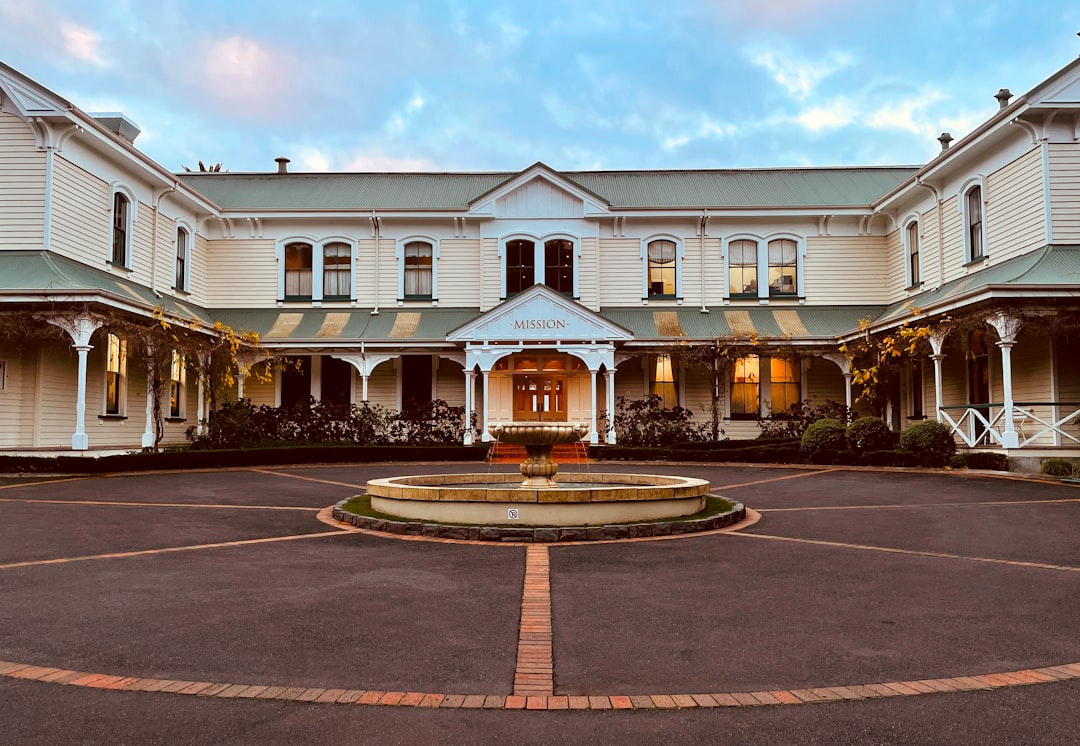
Visiting Napier, New Zealand: A Complete Guide
Quick Essentials
- 📍 Best Time to Visit: December–March — the warmest, driest stretch, and February brings the Art Deco Festival when the whole city dresses like it’s 1931.
- ✈️ Getting There: Search flights on Skyscanner | Direct from Auckland, Wellington, and Christchurch
- 🏨 Where to Stay: Browse Napier hotels on Booking.com
- 🎟️ Don’t Miss: Art Deco Guided Walking Tour on GetYourGuide
- 🚗 Car Rental: Compare rental cars on Skyscanner — you’ll want one for the wineries and Cape Kidnappers
- 💰 Budget Range: $150–$300 NZD per day for mid-range to splurge-worthy eating and comfortable accommodation
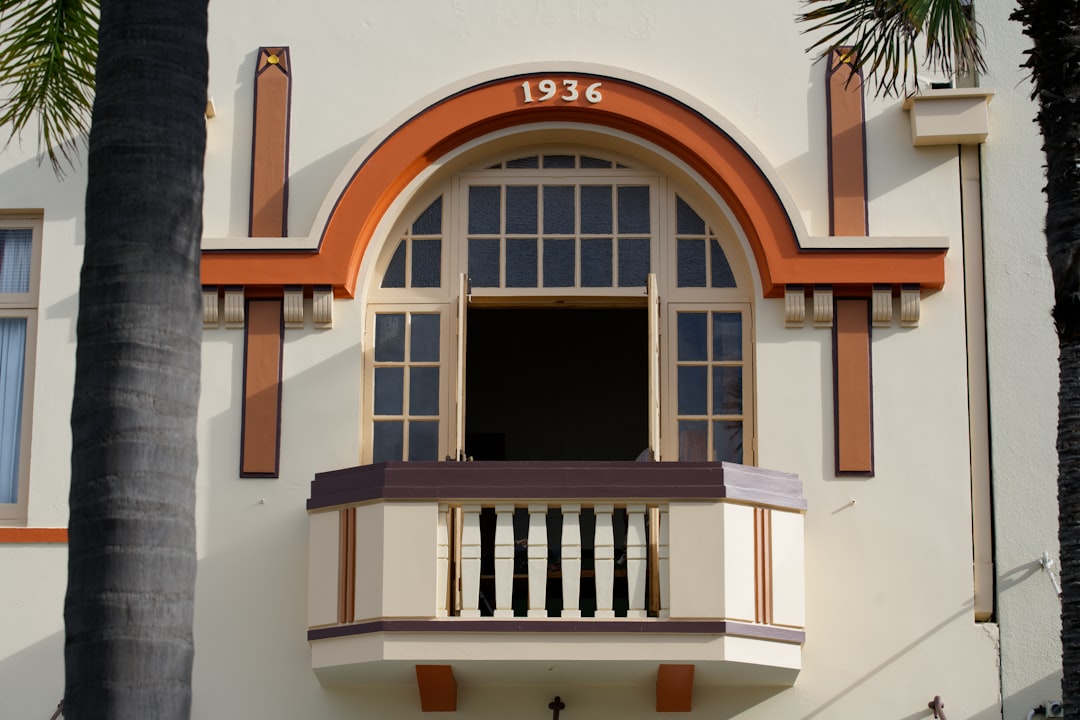
Most cities wear their history in layers — Roman beneath medieval beneath modern, all compressed and competing. Napier did something stranger. On February 3, 1931, a 7.8-magnitude earthquake leveled the place. The ground rose, the lagoon drained, and the entire commercial centre came down. Two years later it was rebuilt, almost entirely, in the architectural style of the moment. The result is a city that looks like a single idea executed at scale — a small Hawke’s Bay port town dressed head to toe in Art Deco, as if someone pressed pause on 1933 and forgot to let go.
It’s a strange thing to find charming, a city born from catastrophe. But walking Napier’s compact centre on a still afternoon — the geometric reliefs, the pastel facades, the Māori motifs woven into the plasterwork — there’s nothing solemn about it. The rebuild was exuberant. The architects were young, the budget was tight, and the style they chose was clean and modern and optimistic. That energy still reads in the buildings ninety-five years later.
What catches visitors off guard is the other half of the equation. Napier sits at the centre of Hawke’s Bay wine country, and the food and drink scene here has quietly grown into something worth traveling for on its own. Winery restaurants with serious kitchens, a converted fire station serving chef-driven bistro food, a Sunday farmers market that rivals the best in the Southern Hemisphere. The architecture gets you here. The table keeps you longer than you planned.
A City Rebuilt in Style
The Art Deco Trust runs guided walking tours from the restored Art Deco Centre, and they’re worth doing first, even if you normally avoid group tours. The guides know the individual architects, the budget constraints, the arguments about ornamentation. You learn to read the buildings — why the Daily Telegraph facade has sunburst motifs, why the Māori patterns appear where they do, why the Municipal Theatre’s interior is worth stepping inside for even if nothing’s playing.
The Deco quarter is compact enough to cover on foot in a morning, but give it longer than that. The details reward slow looking: the ziggurats above doorways, the stained-glass fanlights, the way the pastel color palette shifts from block to block. If the walking tour leaves you wanting more, there’s a vintage car tour that covers the same ground from the back seat of a restored 1930s automobile. It’s a little theatrical, but the proportions of the buildings make more sense at car speed than at walking pace.
What most visitors miss is the context. The MTG Hawke’s Bay museum, a few blocks from the Deco quarter, houses archival earthquake footage and survivor accounts that reframe everything you’ve just seen. The architecture hits differently when you understand what it replaced — not a gradual decline, but an instant erasure. The Deco quarter isn’t preservation. It’s creation.
→ Art Deco Guided Walking Tour
Hawke’s Bay on a Plate
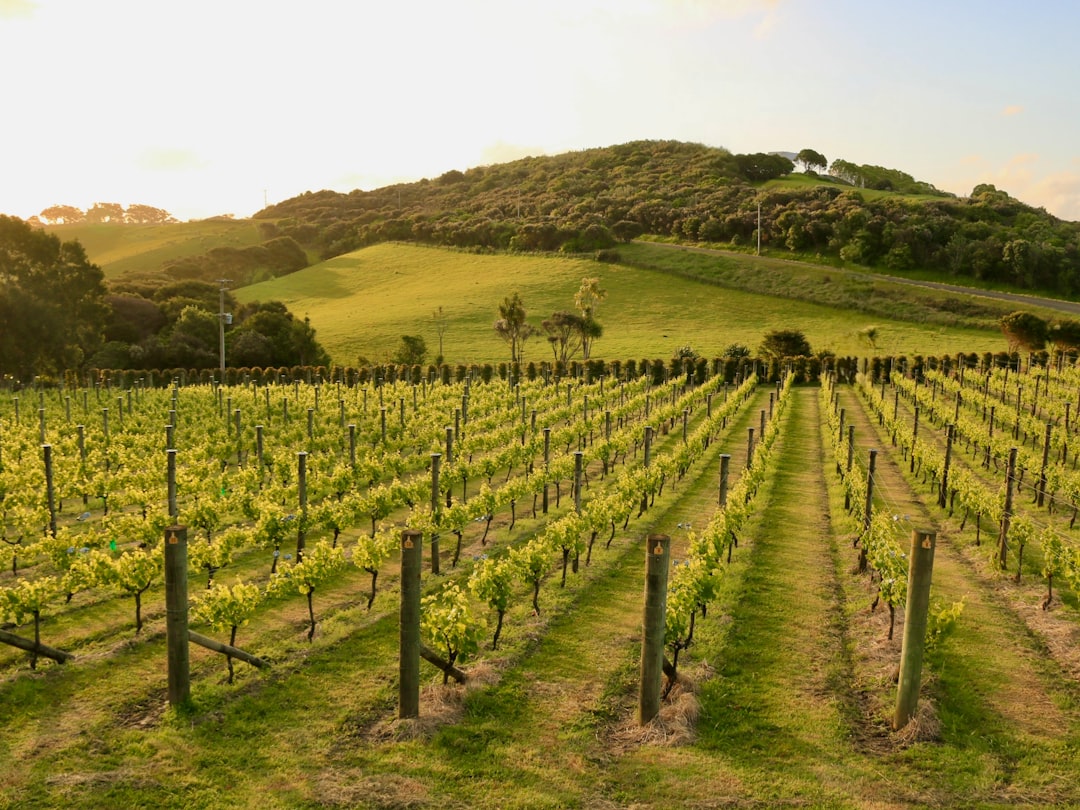
This is the part of Napier that surprises. The wine region has over thirty cellar doors spread across a compact triangle between Napier, Havelock North, and the coast, and the best of them have kitchens that would hold their own in Melbourne or Auckland.
Black Barn Bistro is the one people mention first, and it earns the reputation. The outdoor veranda overlooks rows of vines with actual grapes hanging overhead — the setting is almost too perfect, but the food backs it up. Lunch there is the definitive Hawke’s Bay dining experience.
Craggy Range is the other heavyweight. Terroir, their restaurant at the foot of Te Mata Peak, does the fine-dining version of local sourcing — every element on the plate traces back to the region. Pair it with their Syrah, which is the grape that defines Hawke’s Bay. Darker and spicier than most New Zealand reds, it’s a varietal worth learning about if you haven’t already. Church Road is another reliable pour.
For something less polished and arguably more interesting, Central Fire Station Bistro occupies the city’s former fire station — the one that served Napier until 1969. Chef Sam Clark runs a menu built entirely around Hawke’s Bay suppliers, with an emphasis on sustainable and organic sourcing. The seafood is particularly good. It has the energy of a neighborhood restaurant that happens to be excellent.
And then there’s the Hastings Farmers Market, open every Sunday morning, which is where the region’s quality becomes tangible. Hass avocados, stone fruit, artisan cheeses, local honey — the kind of market where you end up buying things you can’t easily take home. Go early.
Beyond the City Limits
Napier works well as a base for day trips, and the best of them involve leaving the city in opposite directions.
South, along the coast, Cape Kidnappers hosts the world’s largest accessible mainland gannet colony — around 3,000 breeding pairs between September and April. Gannet Safaris has been running overland tours via the private farmland for over fifty years, and it’s the only way to get driven to within a few metres of the birds. The gannets themselves are striking — white bodies, black wingtips, yellow heads, and a strange precision to their movements that makes you stop and watch longer than you expected. November through February is prime time, when the chicks are hatching.
→ Cape Kidnappers Gannet Safari
Inland, Te Mata Peak sits above Havelock North about thirty minutes south. The 360-degree views from the summit take in the plains, the coast, and the Ruahine Range. It’s a short drive or an easy walk, and the road through wine country on the way is half the reason to go.
Between the two, the Hawke’s Bay Trails link Napier to Hastings and beyond on cycle paths that wind past wineries, orchards, and the coast. Renting bikes and spending a half-day riding between cellar doors is one of those ideas that sounds touristy until you’re doing it, at which point it just feels like a very good afternoon.
→ Hawke’s Bay Wine & Food Tour
Timing It Right
Napier’s sweet spot is December through March — warm enough for comfortable walking and outdoor winery lunches, dry enough that you’re rarely driven inside. February is the high point if you can swing it: the Art Deco Festival (February 19–22, 2026) draws tens of thousands who dress in 1930s attire for vintage car parades, jazz performances, and speakeasy pop-ups. It’s the kind of event that could be kitschy but isn’t — the city takes it seriously because the architecture isn’t a theme, it’s the real thing. Book accommodation a year out.
January brings the Summer F.A.W.C. (Food and Wine Classic), which is more scattered but worth planning around if you’re food-motivated. March and April trade the festival crowds for harvest atmosphere — the vines turn gold, the cellar doors are quieter, and the Syrah grapes are coming in.
If you’re watching costs, May and September offer mild weather, lower rates, and walkable days without the competition for restaurant tables.
Where to Sleep
The County Hotel sits in the heart of the Deco quarter — a heritage building with Art Deco bones and an on-site restaurant, Churchill, that’s genuinely good. You’re walkable to everything, and the building itself is part of the experience. Mid-range to moderate splurge.
→ The County Hotel on Booking.com
The Crown Hotel is in Ahuriri, the waterfront neighborhood about five minutes from the centre. Boutique, stylish, and quieter than staying downtown. If you want to be near the harbour rather than the main strip, this is the one.
→ The Crown Hotel, Ahuriri on Booking.com
McHardy Lodge occupies a restored 1890s residence on Napier Hill — six suites with character, a swimming pool, and a billiards table. It predates the Deco era entirely, which gives it a different kind of atmosphere. Intimate, elevated, and ideal for couples or a small group who want something that feels more like a house than a hotel.
→ McHardy Lodge on Booking.com
Practical Notes
Napier is a three-hour drive from Taupo and five from Auckland. Domestic flights from Auckland and Wellington land at Hawke’s Bay Airport, which is ten minutes from the city centre. You’ll want a car for the wineries and Cape Kidnappers, but the Deco quarter itself is entirely walkable.
New Zealand’s tipping culture is relaxed — service is included, and a small tip for exceptional meals is appreciated but not expected. Restaurants at the top end (Terroir, Mangapapa Kitchen) are worth booking ahead, especially in summer. The rest you can walk into.
One thing worth knowing: Bluff Hill Lookout is a short drive or a steep walk from the city centre and most visitors skip it for Marine Parade. Don’t. The panoramic view from the top reframes how the city sits in its landscape — the port, the rebuilt centre, the coast stretching south. It’s the perspective that makes everything else click.
Ready to Plan Your Trip to Napier?
You’ve done the reading. Here’s everything you need to make it happen.
🎟️ What to Book in Advance
Some links in this post are affiliate links. If you book through them, CuriosityTrail earns a small commission at no extra cost to you. Recommendations are chosen on merit; commissions never decide what’s included.