Singapore Beyond the Skyline: A Hawker-Center Guide to the City’s Best Neighborhoods
Quick Essentials
- 📍 Best Time to Visit: February through April — the driest months, with clearer skies and the World Gourmet Summit landing in April if you want to time it right.
- ✈️ Getting There: Search flights on Skyscanner | Direct from Vancouver, Los Angeles, San Francisco, and London
- 🏨 Where to Stay: Browse Singapore hotels on Booking.com
- 🎟️ Don’t Miss: Chinatown Hawker Food Tour with 7 Tastings on GetYourGuide
- 💰 Budget Range: $120–$250 USD per day for a comfortable mid-range trip; $300+ if you’re splitting time between hawker centers and rooftop bars
The $4 Entry Fee to Every Neighborhood
Most cities organize themselves around monuments or districts. Singapore organizes itself around lunch.
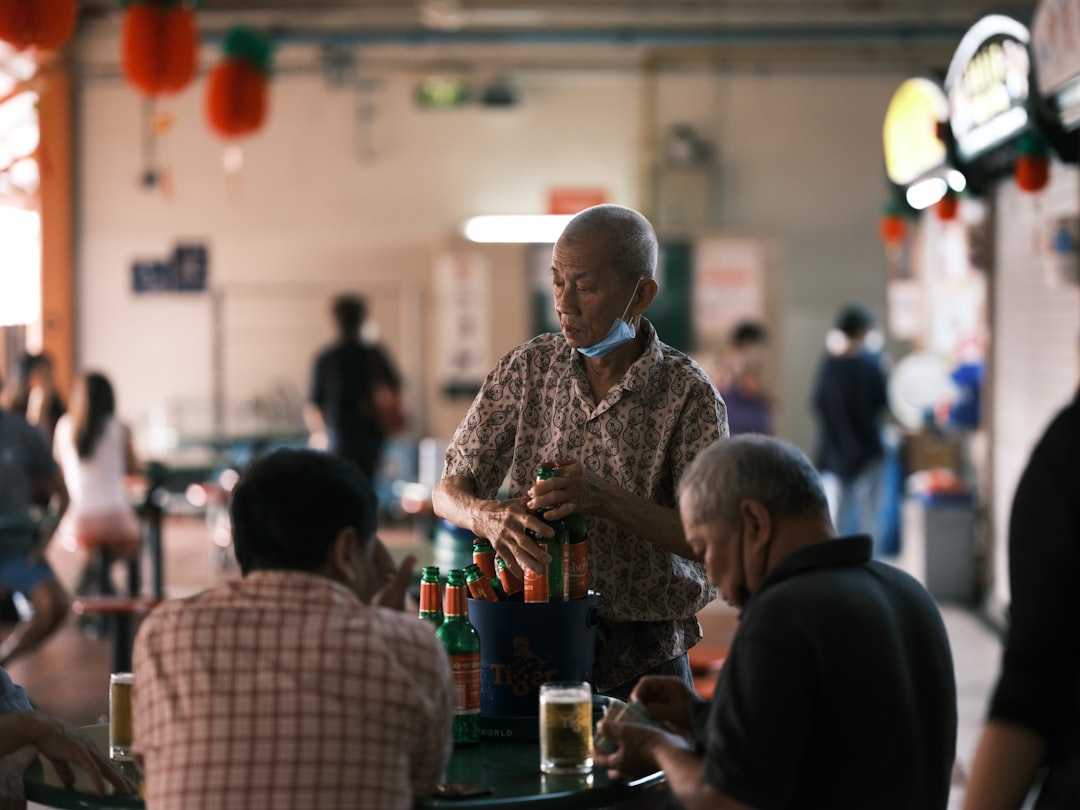
There are more than a hundred hawker centers scattered across the island — open-air food halls with shared seating, licensed stalls, and meals that cost roughly S$4 to S$7. They exist because the government, in a rare moment of urban-planning genius in the 1970s, decided to consolidate the city’s street food vendors into purpose-built centers instead of banning them. In 2020, UNESCO inscribed hawker culture on its Intangible Heritage list. The recognition was overdue.
What this means for you, practically, is that the smartest way to experience Singapore is to eat first and explore second. Every neighborhood worth visiting has a hawker center at its center of gravity. Walk in hungry, sit down with strangers, order what the person next to you is eating, and then go see what’s outside. The food tells you what kind of neighborhood you’re in before you’ve read a single plaque.
This is a guide to five neighborhoods, stitched together by the hawker centers that anchor them. It’s the Singapore I’d send a friend to — someone who’s already been once, maybe twice, and wants to see the city the way it actually works.
Joo Chiat and Katong: Peranakan Color and the City’s Best Laksa
Start in Joo Chiat. Not because it’s the most famous neighborhood — it isn’t — but because it sets the right tone for how Singapore layers its histories.
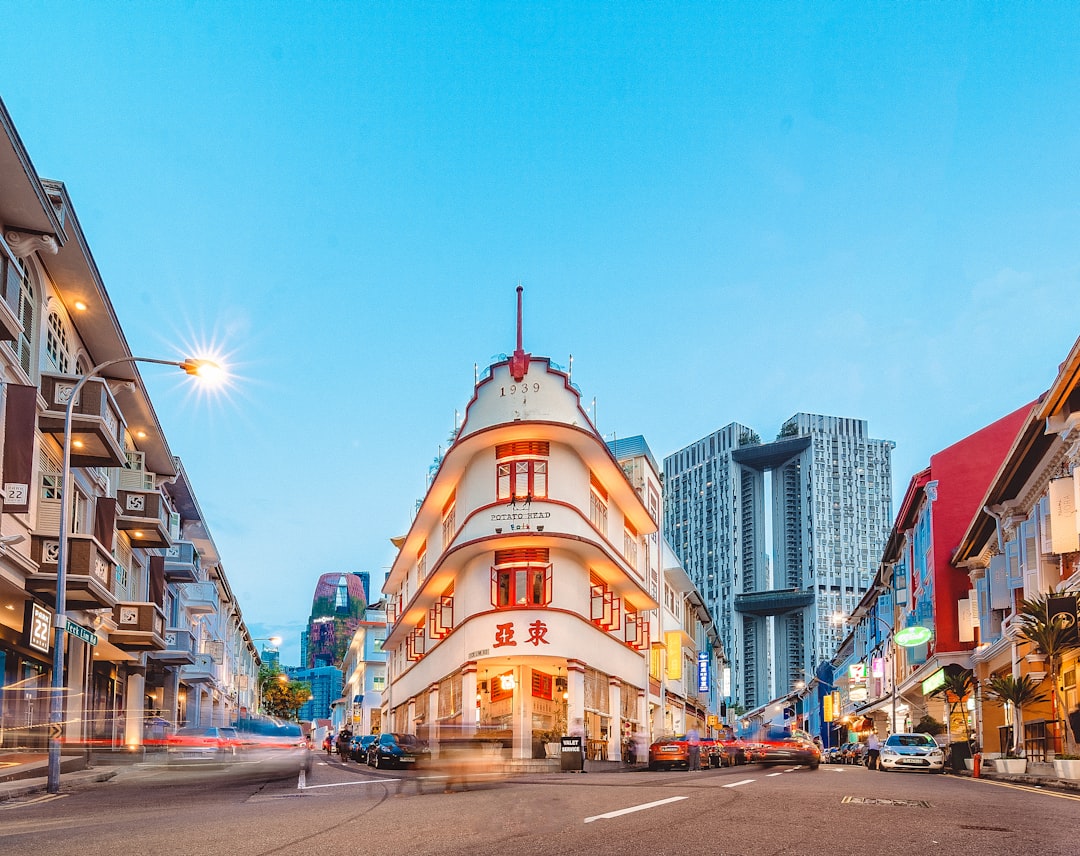
Koon Seng Road is the most photographed block: a row of Peranakan shophouses in turquoise, coral, yellow, and green, each facade decorated with intricate ceramic tiles and ornate plasterwork. They look like something from a Wes Anderson film, except they’ve been here since the early 1900s and the families living above some of them have been there nearly as long. Come early morning or late afternoon for the best light. The nearest MRT is Eunos on the East-West Line, but the walk from Paya Lebar is more interesting.
Joo Chiat Road itself is the longer reward — shophouses operating as bakeries, natural wine bars, specialty coffee roasters, and the occasional traditional kueh shop that has outlasted three waves of gentrification. This is a neighborhood that’s “almost” fully gentrified but not quite, which is exactly the stage where it’s most interesting to visit.
The food anchor here is 328 Katong Laksa. It’s a cut-spoon-only coconut-curry noodle soup — thick enough to hold a chopstick upright — and it’s served at a no-frills stall where the queue is part of the ritual. If you’re staying in the area, Hotel Indigo Singapore Katong is housed in the former Joo Chiat Police Station and does a thoughtful job with the Peranakan design references without descending into kitsch.
Little India: Temples, Spice, and the Building Most Tourists Walk Past
The shift from Joo Chiat to Little India is abrupt in the best way. Serangoon Road hits you with garland shops, spice merchants, and the bass thrum of Tamil music before you’ve oriented yourself. It’s sensory overload in a city that otherwise runs on controlled efficiency, and that contrast is the point.
Sri Veeramakaliamman Temple anchors the strip — a 19th-century Hindu temple dedicated to Kali, its exterior covered in hundreds of painted figures so densely layered they seem to move. It’s one of Singapore’s oldest and most active temples. Take your shoes off, be respectful, and stay as long as you like. Nobody rushes you.
Tekka Centre is the neighborhood hawker center, and it’s the most diverse of the ones on this route. South Indian dosa, biryani, rojak, Chinese roast meats — the stall mix reflects the actual demographics of the neighborhood, not a curated food-court version of it. Eat here before noon. The lunch rush is legitimate.
The building most people walk past is the Indian Heritage Centre on Campbell Lane. It’s a striking contemporary structure wedged between shophouses, and the permanent collection on the Indian diaspora in Southeast Asia is genuinely world-class. It’s also rarely crowded, which in Singapore is reason enough to go.
Tiong Bahru: Art Deco and the Best Breakfast in the City
Tiong Bahru is where Singaporeans go to eat breakfast and pretend they live somewhere quieter than they do.
The neighborhood’s signature is its 1930s art deco public housing — curved concrete blocks built before independence, now painted in faded pastels and surrounded by bakeries and bookshops. Skip the cafes for an hour and walk the residential blocks first. The architecture tells a story most visitors never hear: this was Singapore’s first public housing estate, built by the colonial government, and the curved balconies and spiral staircases owe more to European modernism than anything traditionally Singaporean.
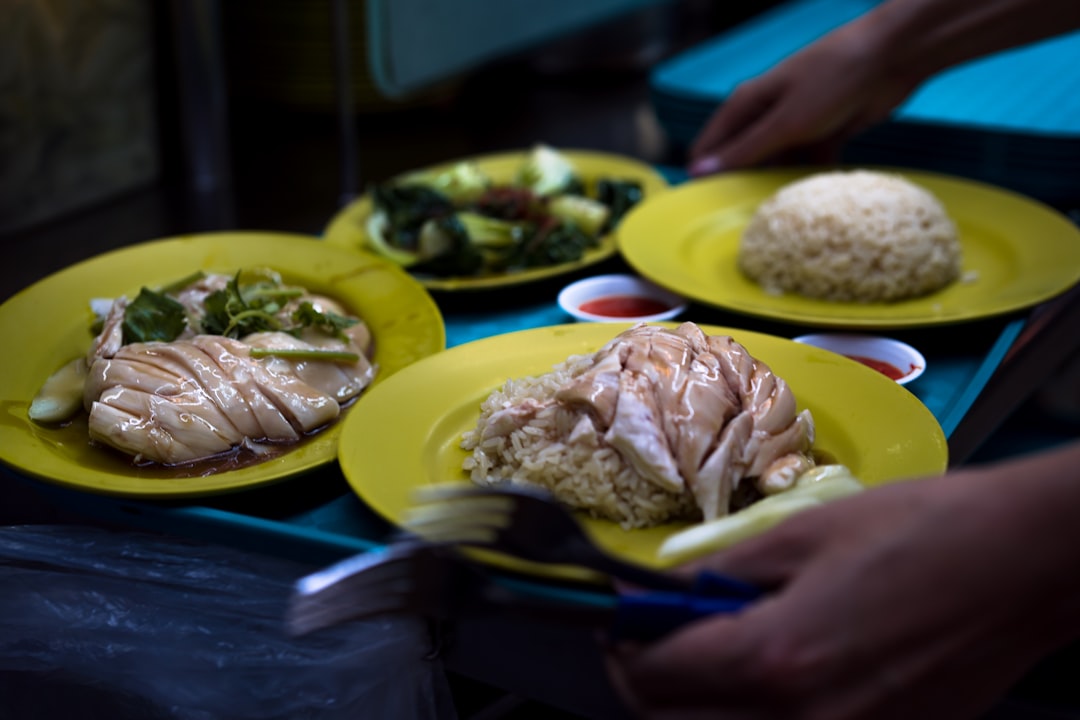
Tiong Bahru Market is a two-story affair — wet market below, hawker stalls above. The breakfast move is kaya toast with soft-boiled eggs. Ya Kun Kaya Toast is the traditional version; Tiong Bahru Bakery is the modern riff. Both are good. Neither is wrong. Get the chwee kueh too — steamed rice cakes with preserved radish — because this is one of the few hawker centers where the breakfast stalls are genuinely better than the lunch ones.
If you want to stay here, D’Hotel Singapore sits within the estate and keeps things simple. The neighborhood has the most residential feel of any on this list — you’ll share sidewalks with families heading to the market, not tour groups.
Kampong Glam: Where Malay Heritage Meets Haji Lane
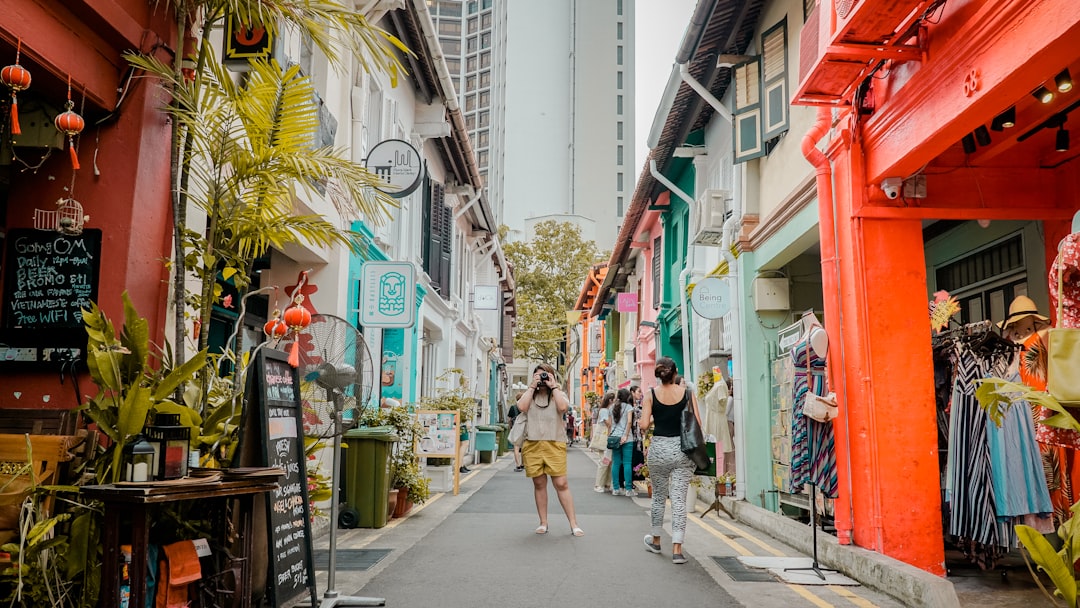
Kampong Glam is the neighborhood that surprises repeat visitors. The golden dome of Sultan Mosque is the landmark, but the real draw is everything around it — Arab Street’s fabric vendors and carpet shops, Haji Lane’s murals and indie boutiques, and a nightlife scene that’s more rooftop bar than club.
This was historically the seat of Malay royalty, and the cultural layers show. The Malay Heritage Centre (in the former Istana Kampong Glam) is worth an hour. The food here leans toward nasi lemak, murtabak, and the kind of teh tarik that gets pulled from an impressive height. For hawker eating, Hajah Maimunah on Jalan Pisang serves nasi padang that draws a cross-city lunch crowd.
Staying here puts you near the creative energy without the Marina Bay price tag. Heritage Collection on Victoria is a quiet boutique option on the calmer side of the neighborhood.
The Architecture Walk: Marina Bay to National Gallery
Singapore’s contemporary architecture deserves its own half-day, and the Marina Bay waterfront is where most of it concentrates.
Marina Bay Sands is the building everyone photographs, and for once the reality matches the hype. Moshe Safdie’s three-tower structure with the cantilevered SkyPark is a feat of engineering that reads differently depending on where you stand — monolithic from the waterfront, almost delicate from the Gardens by the Bay side. The rooftop infinity pool is hotel-guests-only, but the observation deck is worth the ticket for the panoramic view alone.
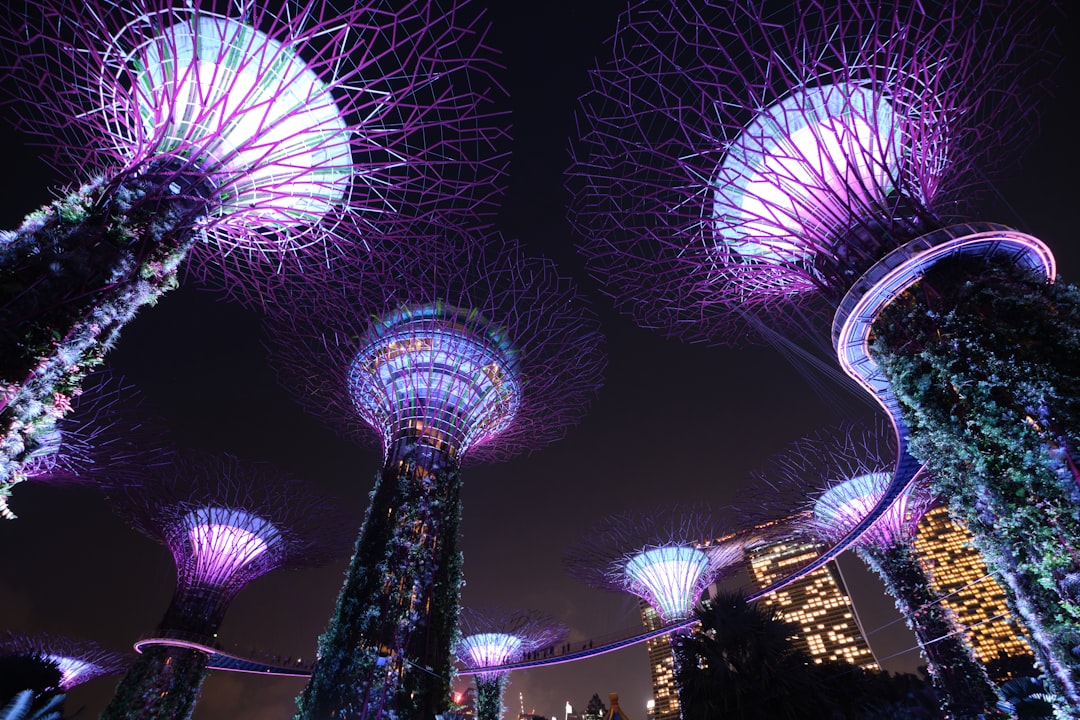
Walk from there to Gardens by the Bay for the Supertree Grove — vertical gardens covered in 162,900 tropical plants, lit up at night in a display that somehow manages to be spectacular without being tacky. The OCBC Skyway, an elevated walkway between the Supertrees, is best at sunset. Gardens by the Bay Supertree Grove and OCBC Skyway experience
Cross back toward the Padang for the National Gallery Singapore, and this is where architecture lovers earn their reward. Studio Milou took two colonial buildings — the former Supreme Court and City Hall — and fused them into Southeast Asia’s largest visual arts museum. The intervention is confident and respectful at the same time, and the rooftop bar serves what might be the best non-touristy view of the Marina Bay skyline. Chinatown, Little India and Arab Street Walking Tour — the 4-hour version covers the architectural transitions between neighborhoods.
And if you’re flying out through Changi, leave early. Jewel Changi Airport is Safdie again — a donut-shaped complex anchored by the Rain Vortex, a 40-meter indoor waterfall surrounded by forest. It’s an airport terminal that people visit on purpose, which tells you everything about Singapore’s relationship with architecture.
When the Hawker Centers Come Alive: Timing Your Trip
Singapore is equatorial, which means warm and humid year-round — plan for 30–32°C and accept it. The real variable is rain.
February through April is the driest window. The World Gourmet Summit lands in April, and the city’s food scene sharpens its elbows for it. The Singapore Food Festival runs mid-to-late July — city-wide hawker events, pop-ups, and chef collaborations that treat the hawker stall as a legitimate culinary institution, which it is.
If you’re here during Chinese New Year (January or February), Chinatown’s hawker centers serve festive specials, and the light-up along the shophouses is worth a dedicated evening walk. Deepavali turns Little India’s Serangoon Road into a tunnel of light. Hari Raya Puasa, late June in 2026, transforms Kampong Glam with bazaars and night markets.
The one month to avoid: September. Indonesian agricultural burning sends haze across the strait, and visibility drops to the point where Marina Bay Sands disappears into a grey wall. Not ideal.
Ready to Plan Your Trip to Singapore?
You’ve done the reading. Here’s everything you need to make it happen.
🎟️ What to Book in Advance
- Chinatown Hawker Food Tour with 7 Tastings
- Chinatown, Little India & Arab Street Walking Tour
- Browse more Singapore experiences on Viator
Some links in this post are affiliate links. If you book through them, CuriosityTrail earns a small commission at no extra cost to you. Recommendations are chosen on merit; commissions never decide what’s included.