Visiting Chattanooga, Tennessee: A Complete Guide
Quick Essentials
- ✈️ Flights:
Search flights to Chattanooga
- Hotels:
Browse hotels in Chattanooga
- ️ Top Experience:
Downtown Chattanooga guided food crawl
- Car Rental:
Compare rental cars in Chattanooga
Chattanooga doesn’t announce itself the way Nashville does. There’s no bachelorette corridor, no neon-drenched Broadway strip, no ten-dollar cover charge to hear someone’s demo tape. What Chattanooga has instead is something harder to manufacture: a genuinely walkable downtown that grew up around a river rather than a highway, a food scene that earned its first Michelin nods without losing its working-class roots, and an art culture that spills out of galleries and onto the pavement.
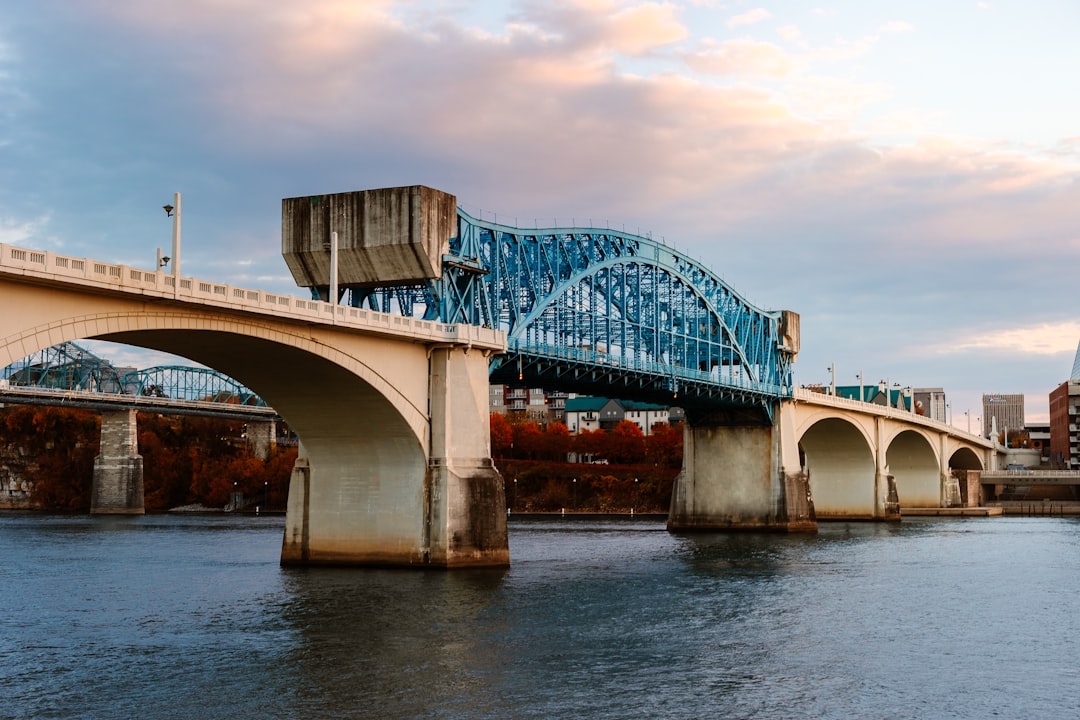
The city’s reinvention story is worth knowing, if only because it explains why the place feels the way it does. In the 1960s, Chattanooga was named the most polluted city in America. The river was functionally dead. What happened next — decades of public investment in green space, the pedestrian bridge, the riverfront — didn’t just clean the air. It changed what the city thought it could be. The Walnut Street Bridge, a rusting eyesore slated for demolition in the 1990s, became the country’s longest pedestrian-only bridge and the symbolic spine of modern Chattanooga. That kind of story doesn’t come with a marketing campaign. You feel it when you cross the bridge on foot and realise both sides are worth exploring.
If you’ve been to Asheville or Savannah and liked what you found, Chattanooga runs in the same family — but it’s earlier in its arc, less self-conscious about it, and considerably easier on the wallet.
Three Neighborhoods You Walk, Not Drive
The Bluff View Art District is the one that surprises people. It’s small — a few streets perched on stone bluffs above the river — but it packs in the Hunter Museum of American Art, a sculpture garden that feels more Provence than Appalachia, and Rembrandt’s Coffee House, which has the kind of terrace view you’d pay dearly for in Europe. The neighbourhood works best in the morning: coffee in the garden, a slow walk through the outdoor sculptures, then down the hill toward the river.
Northshore sits across the Walnut Street Bridge and has the energy of a neighbourhood that’s figured out exactly what it wants to be. Frazier Avenue is the main artery — independent shops, small restaurants, a bookstore that actually smells like books. Coolidge Park anchors the riverbank end with a restored carousel and wide lawns that fill up with families on weekends. The walk from Northshore back across the bridge into downtown takes about twelve minutes, and you’d be daft to drive it.
The Southside and St. Elmo are where the grit still shows, in a good way. The old warehouses along Main Street house breweries and studios — the Hutton & Smith brewery taproom is a solid stop if you want to taste what Chattanooga’s craft beer scene has been quietly building. St. Elmo, at the foot of Lookout Mountain, has the Incline Railway and the kind of corner restaurants that haven’t been discovered by food bloggers yet. It’s a ten-minute drive from downtown but feels like a different city entirely.
What ties these neighbourhoods together is the free CARTA electric shuttle. It loops through the downtown core and connects the riverfront, the aquarium, and the Southside without requiring a car or a rideshare. For a mid-sized Southern city, that’s unusual — and it changes how you experience the place. You walk more. You notice more.
Where to Lay Your Head
The Edwin Hotel sits at the foot of the Walnut Street Pedestrian Bridge, which means you’re walking distance to both sides of the river and the heart of downtown. It’s boutique without trying too hard — the kind of place that lets the neighbourhood do the talking. The rooms are well-finished without being fussy, and the location alone justifies the rate. → The Edwin Hotel, Chattanooga
Bluff View Inn occupies three restored turn-of-the-century homes perched above the river in the art district. It’s quiet, distinctive, and steps from the Hunter Museum and sculpture garden. The breakfast situation here is notably good — Tony’s Pasta Shop and Rembrandt’s are both within the inn’s grounds. If you want your hotel to feel like a discovery rather than a booking, this is the one. → Bluff View Inn, Chattanooga
The Read House is the full-service fallback — a downtown landmark originally opened in 1872, with a $25 million renovation that brought Roaring Twenties glamour back without making it feel like a costume. The lobby bar is worth a visit even if you’re not staying here. Solid for anyone who wants a concierge, a proper cocktail, and a building with stories in the walls. → The Read House, Chattanooga
Chattanooga’s Food Scene: Heritage Meets the New Guard
Chattanooga’s inclusion in the inaugural Michelin Guide South confirmed what locals already knew — the food here is serious, even if the city doesn’t carry itself that way. The farm-to-table movement isn’t a marketing exercise. Tennessee’s agricultural backbone is close enough that restaurants can genuinely source locally without stretching the definition. The growing season runs long, the farms are small, and the chefs know the producers by name. That proximity shows up on the plate in ways that larger cities can’t easily replicate.
Main Street Meats is the anchor. It started as a butcher shop and still is one, but the dining room behind it now serves some of the best smoked brisket and house-ground burgers in the region. The sourcing is transparent — they’ll tell you which farm the pork came from, and the daily specials rotate with what’s been brought in that morning. Go for lunch if you want a seat without a wait. The brisket sandwich with house pickles is the move.
Easy Bistro & Bar is where chef Erik Niel’s Louisiana training meets Tennessee River Valley produce. The raw bar is excellent, and the seasonal vegetable plates are the kind of thing that makes you forget you came to the South for meat. The wine list is thoughtful without being intimidating. This is your one proper sit-down dinner — book it.
Feed Table and Tavern changes its menu with what’s coming out of the ground. Unpretentious, sharply executed, and the sort of place where the server can tell you the name of the goat cheese maker. The portions are honest, and the price point is fair for the quality of sourcing.
Don’t leave without finding The Yellow Deli on Main Street. It’s run by the Twelve Tribes community, occupies a beautiful stone-walled building with exposed beams and hand-built wooden furniture, and serves food made from scratch. The maté latte is legendary in Chattanooga for a reason — rich, earthy, nothing like the overly sweetened café drinks you’d expect. It’s not a place you’d expect, which is rather the point.
And for anyone who thinks Southern food requires pork: Cashew has been making plant-based food with local produce since 2013. The jackfruit tacos and the house-made desserts are genuinely good — not a concession, not a compromise.
Art You Walk Through, Not Past
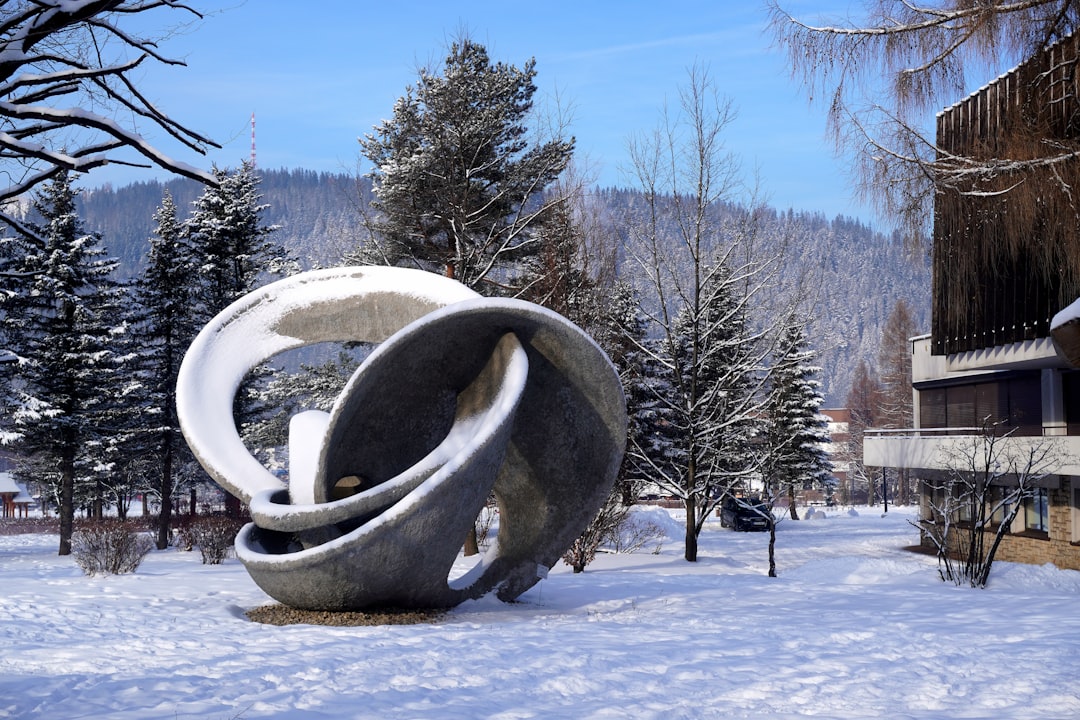
Chattanooga’s public art isn’t confined to museum walls, and that’s what makes it distinctive. The Sculpture Fields at Montague Park is a 33-acre outdoor park on the south side — large-scale contemporary works installed in open meadows, free to visit, and almost never crowded. Most visitors to Chattanooga have no idea it exists, which is exactly why it’s worth your time. The pieces rotate, so return visitors see something different.
Back in the Bluff View district, the River Gallery Sculpture Garden offers a more intimate experience: stone arches, contemporary pieces, and overlooks that drop down to the river. Pair it with a coffee from Rembrandt’s and you have a perfectly calibrated morning. The Hunter Museum itself is worth an hour — the permanent collection spans American art from the colonial period forward, and the building’s cantilevered modern wing is a piece of architecture in its own right.
The city also maintains an Experience Art Map covering murals and installations across the downtown core. It’s the kind of thing you can follow on foot for an hour or two without running out of things to look at. The downtown food crawl passes several of the major installations if you’d rather combine art and eating.
On the Water and Above It
The Tennessee River isn’t backdrop in Chattanooga — it’s infrastructure. The Walnut Street Pedestrian Bridge is the obvious starting point: 2,370 feet across the river, connecting downtown to Northshore, with views that are honestly better than most paid observation decks. Walk it at sunset if you can manage the timing. The light hits the river and the mountains behind it in a way that earns every one of those Instagram posts you’ll see afterwards.
The Riverwalk runs 16 miles along the southern bank and connects most of the major landmarks. You can walk the central stretch — from the aquarium to the Bluff View — in under an hour, which makes it less a dedicated hike and more a civilised way to move between neighbourhoods. Runners use it in the morning. Couples use it in the evening. It works both ways.
For something genuinely unusual, the Nickajack Bat Cave kayak tour puts you on the water at dusk to watch up to 100,000 endangered grey bats emerge from the caves. It’s part wildlife encounter, part conservation lesson, and unlike anything else in the region. The guides know their stuff, and the evening light on the water is a bonus. → Nickajack Bat Cave kayak tour
If the river has you wanting more, the Ocoee River is 45 minutes east and offers proper Class III–IV whitewater rafting — the same river that hosted the 1996 Olympic kayaking events. It’s a solid half-day excursion that pairs well with a gentler day of eating and walking before or after. → Half-day Ocoee River whitewater rafting
If You Have an Extra Day
Lookout Mountain gets top billing in every guidebook, and it earns some of that. But here’s the edit: Ruby Falls is overpriced for what it is — a cave waterfall reached via a long queue and a lift. Rock City is kitsch elevated to art, which either works for you or doesn’t. The Incline Railway is the one that genuinely delivers — the steepest passenger railway in the world at a 72.7% grade, and the views from the top station are the real reward. On a clear day you can see into seven states, and the ride itself has a pleasantly old-fashioned thrill to it. Do the Incline, skip the rest unless you have a particular weakness for roadside Americana.
Better yet, drive 20 minutes to Snooper’s Rock on Signal Mountain. The hike is about a mile, the dirt road keeps casual traffic away, and the overlook — sitting at the edge of the Cumberland Plateau with the Tennessee River Gorge below — is genuinely spectacular. Bring water and decent shoes, but don’t expect anything technical. The payoff is all about the view, and it’s the kind of view that makes you stand still for a while.
Raccoon Mountain Caverns is another strong play — longer tours, fewer people, and more adventurous than Ruby Falls. The Crystal Palace formation room is stunning, and they run wild cave expeditions where you actually crawl through passages. Proper caving, not a theme park. If you’ve done the standard cave tours and found them underwhelming, this will recalibrate your expectations.
Plan Your Trip to Chattanooga
Best time to visit: Mid-April through late May — the 4 Bridges Arts Festival anchors the calendar, riverfront trails are green, and the humidity hasn’t arrived yet.
✈️ Getting There
Search flights to Chattanooga on Skyscanner
Where to Stay
The Edwin Hotel — Boutique hotel at the foot of the Walnut Street Bridge, walking distance to everything
Bluff View Inn — Restored historic homes above the river in the art district
️ What to Book in Advance
Downtown Chattanooga guided food crawl
Nickajack Bat Cave kayak tour
Browse more Chattanooga experiences on Viator
Some links in this post are affiliate links. If you book through them,
CuriosityTrail earns a small commission at no extra cost to you.
Recommendations are chosen on merit; commissions never decide what’s included.