Visiting Providence, Rhode Island: A Complete Guide
Quick Essentials
- 📍 Best Time to Visit: Late May through October — WaterFire season runs select Saturdays from sunset to midnight, and Federal Hill’s sidewalk tables stay out until the chill arrives.
- ✈️ Getting There: Search flights on Skyscanner | Direct from New York (JFK/LGA), Chicago O’Hare, and most East Coast hubs via T.F. Green (PVD)
- 🏨 Where to Stay: Browse Providence hotels on Booking.com
- 🎟️ Don’t Miss: Providence Ghost Tour through College Hill on GetYourGuide
- 💰 Budget Range: $150–$300 per day for a comfortable mid-range to splurge-worthy trip (hotel, meals, one activity)
Providence doesn’t announce itself. It doesn’t need to. The city sits at the head of Narragansett Bay, compact enough to walk end to end in an afternoon, and layered with the kind of creative energy that most American cities have to manufacture. Here it just happens. RISD students install work in shop windows along Wickenden Street. A jazz trio plays an unmarked basement bar off Westminster. Somebody’s grandmother is rolling pasta on Federal Hill the same way her grandmother did, and the result is better than most things you’ll eat in Boston.
What makes Providence unusual for experienced travelers is what it doesn’t have. No cover charges on most of the culture. No reservation-only dining culture (with a few exceptions). No traffic to speak of. The city has the bones of a place that costs twice as much — the architecture, the food scene, the institutional art collection at RISD Museum — but it hasn’t priced out the interesting parts yet. That gap between quality and cost is narrowing, which is precisely why you should go now.
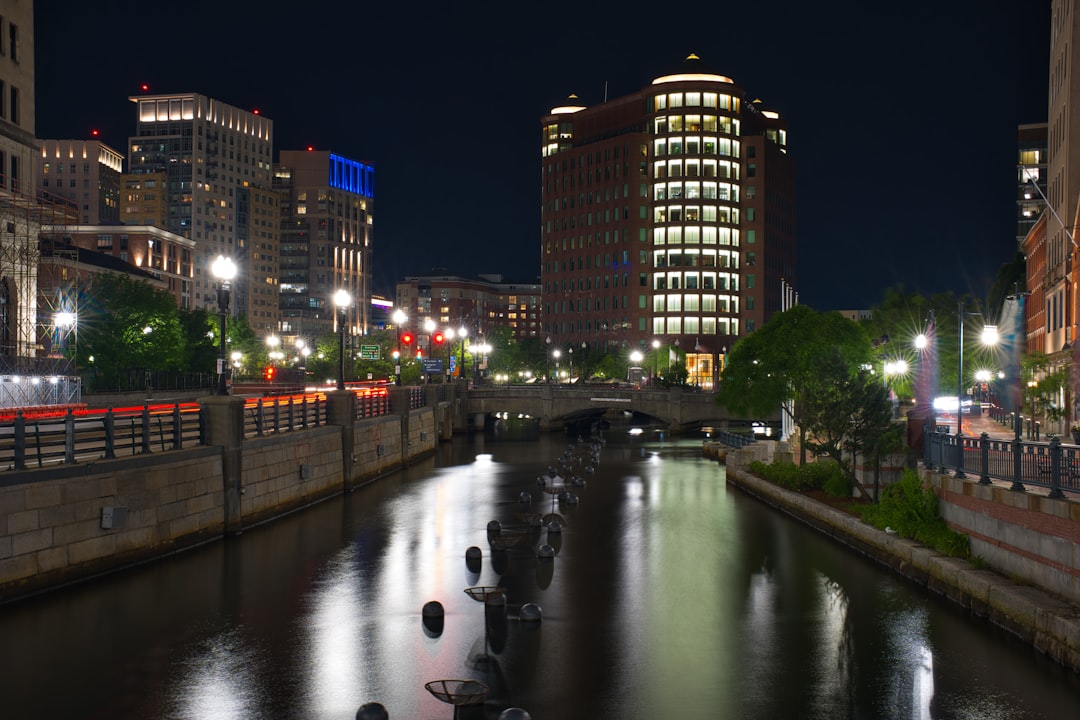
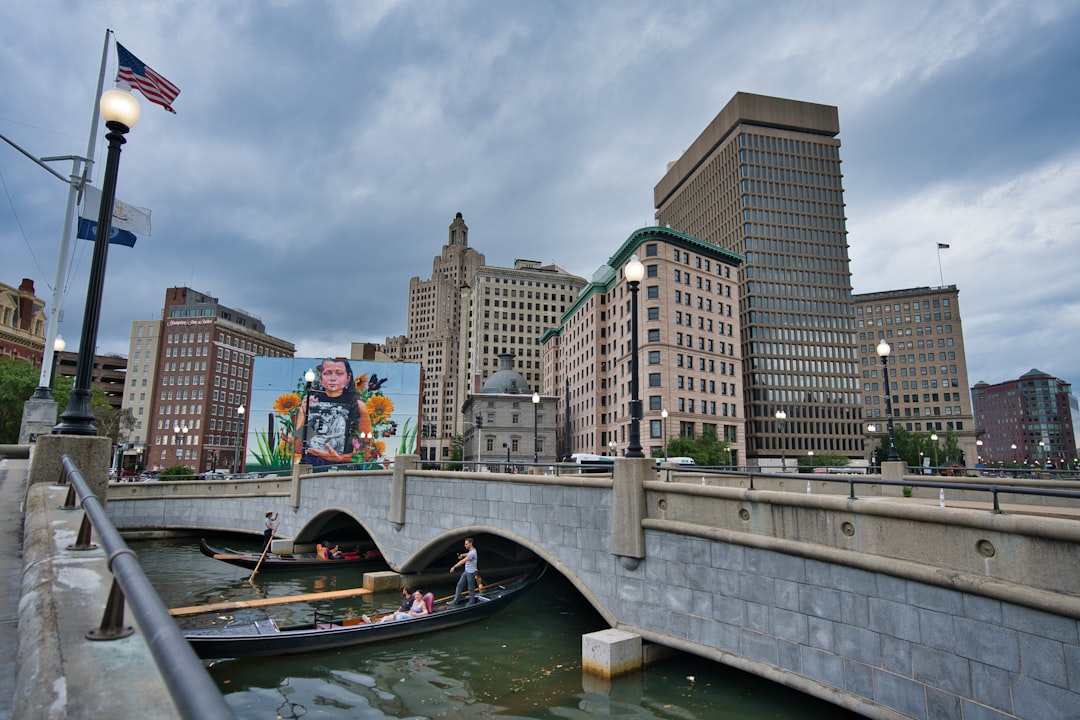
This is a city built for wandering. Three walkable neighbourhoods — Federal Hill, College Hill, and Downcity — sit within a mile of each other, connected by bridges over the Providence River. You can eat Italian for lunch, spend the afternoon with ancient Egyptian artifacts and 12th-century Buddhas at the RISD Museum, and then watch nearly a hundred bonfires burn on the river at WaterFire, all without hailing a cab.
WaterFire: The River That Burns
If you’ve heard of Providence at all, it’s probably because of this. WaterFire is an installation art piece by Barnaby Evans — roughly 100 anchored braziers in the three rivers of downtown Providence, lit at sunset on select evenings from May through November, burning until midnight. It started in 1994. The 2026 season marks the 500th lighting.
The numbers don’t capture it. What captures it is walking along the river path at dusk, the smell of cedar smoke mixing with whatever’s grilling at the food vendors, and realising that ten thousand other people showed up to watch fire on water and nobody’s trying to sell you anything. It’s free. Musicians perform along the banks. The whole city slows down. I’d call it meditative if that word hadn’t been ruined by wellness brands.
The 2026 full-lighting schedule is worth planning around: May 30, July 4 (the 250th anniversary of American independence — expect something special), August 1, August 29, September 6, September 26, October 17, and November 7. Arrive early. Walk the full circuit. Eat before or after, not during — the food stalls are fine but Federal Hill is right there.
Federal Hill: Eating Your Way Through Little Italy
Walk under the stone arch with the bronze pinecone — La Pigna, the traditional Italian symbol of abundance — and you’re on Atwells Avenue. This is Federal Hill. The neighbourhood has been serving Italian-American food since immigrants settled here in the early 1900s, and the family-run restaurants haven’t been replaced by chains. Not yet, anyway.
Cassarino’s has been here for over 30 years, still locally owned, still serving veal that your table neighbour will recommend before you’ve opened the menu. Massimo does contemporary Italian with regional depth — think Tuscan one course, Sicilian the next. Costantino’s Venda Bar & Ristorante anchors the strip with honest pizza and a deli counter that could empty your wallet on imported provisions alone. Camille’s is where the seafood lovers go, and they’re not wrong.
But Federal Hill isn’t only restaurants. Venda Ravioli is a market-deli hybrid where you can buy fresh pasta, imported olive oils, and meats cured on-site. The bakeries sell sfogliatelle that rival anything in the North End of Boston. Pop into a salumeria, point at things, eat them. This is the kind of neighbourhood that rewards curiosity more than planning.
The real move, though, is the food you won’t find on Federal Hill. Rhode Island has its own culinary dialect. Stuffies — quahog clams chopped with herbed breadcrumb stuffing, baked back in the shell — show up at raw bars and Italian joints alike. Rhode Island-style calamari is tossed with garlic butter and pickled cherry peppers, not breaded and fried into anonymity. It’s been the official state appetiser since 2014. And then there’s the hot wiener at Olneyville New York System: mustard, chopped onions, celery salt, meat sauce, steamed bun. It won a James Beard America’s Classics award. It costs about three dollars.
Order a coffee milk to wash it down. Autocrat or Eclipse syrup stirred into cold milk — it’s the state beverage, literally by law. If that sounds too simple, try the “cabinet,” which is what Rhode Islanders call a milkshake: coffee ice cream, coffee syrup, milk, blended. In summer, get a Del’s Frozen Lemonade from any cart. Neapolitan recipe, real lemon chunks, no pretension.
RISD and the Art-Soaked Streets of College Hill
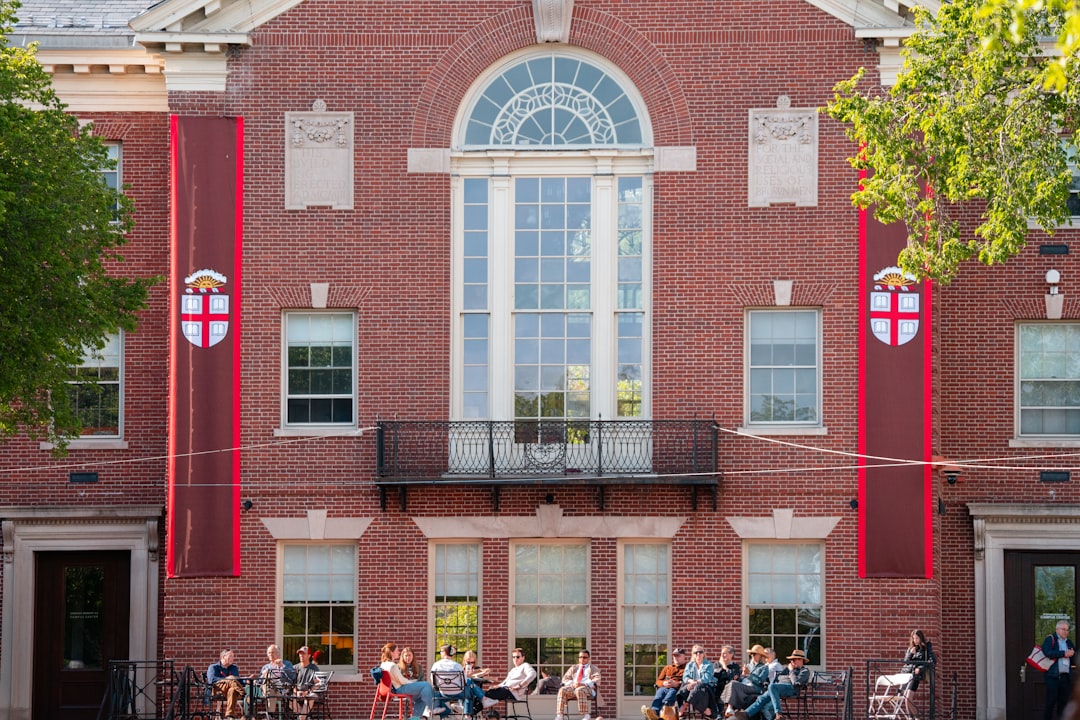
The Rhode Island School of Design Museum sits on the slope of College Hill, and it’s one of the best mid-sized art museums in the country. Nearly 100,000 objects across seven curatorial departments, from ancient to contemporary. The building itself tells a story — creaky wooden floors in the older wings give way to polished concrete in the Chace Center addition. Current exhibitions in 2026 include “Ways of Looking” and “A Shared Journey: The Barkan Contemporary Ceramic Collection.”
What makes the RISD Museum distinctive isn’t just the collection. It’s the context. This is an art school museum, which means the curatorial sensibility leans toward the unexpected — a 12th-century Japanese Buddha across from Impressionist paintings, Gorham silver alongside contemporary ceramics. Admission is free on Sundays. Go then.
Walk downhill from the museum and you’re on Benefit Street — the “Mile of History.” Colonial-era homes, churches dating to the 1700s, and a quiet residential character that makes you forget you’re in a city at all. Halfway down, the Providence Athenaeum stops you. It’s an independent lending library founded in 1836, and Edgar Allan Poe once courted a local poet in its reading rooms. Non-members are welcome to browse. The rooms feel unchanged.
Then cross the river to Wickenden Street, on the Fox Point side. This is the neighbourhood the tourists don’t find. Indie bookshops, vintage stores, a few cafes with excellent coffee and no Instagram presence. The Coffee Exchange has been roasting here for over 37 years.
The Walks You Didn’t Know You Wanted
Providence rewards walking more than most American cities. The entire core is flat and compact — Federal Hill to College Hill is roughly a mile, connected by bridges that cross the WaterFire brazier lines. Thayer Street, near Brown University, has a student-energy buzz with restaurants and shops. Fox Point is quieter, more residential, with wide sidewalks and a grid layout that invites detours.
One stop worth noting: The Arcade on Westminster Street. Built in 1828, it’s the oldest indoor shopping mall in America. The ground floor now houses New Harvest Coffee & Spirits — coffee in the morning, cocktails at night, both excellent. The upper floors have been converted into micro-loft apartments. It’s a strange, beautiful building that nobody seems to mention in guidebooks.
Gallery Night Providence runs monthly from March through November, every third Thursday. Galleries, studios, and museums open late with free trolley service between them. If your visit lands on one of those evenings, rearrange your plans around it.
Where to Stay and How to Plan It
Downtown / Downcity puts you within walking distance of WaterFire, the Performing Arts Center, and the Westminster Street corridor. The Omni Providence Hotel and Hotel Providence are both solid — the Omni for reliability, Hotel Providence for character. This is where you want to be if your trip centres on WaterFire evenings.
→ Browse downtown Providence hotels on Booking.com
College Hill / East Side is quieter and more residential. You’re steps from the RISD Museum, Benefit Street, and Thayer Street. It suits the traveller who wants to wander rather than be in the middle of the action.
→ Browse College Hill area hotels on Booking.com
Federal Hill has fewer hotels but good short-term rental options. The advantage is obvious: you’re eating distance from everything on Atwells Avenue. If food is the point of your trip, stay here.
→ Browse Federal Hill area stays on Booking.com
Timing matters. WaterFire lightings are the anchor — check the schedule and book your weekend around one. If WaterFire isn’t essential, September and October give you lower hotel rates, crisp walking weather, and the Jack-O-Lantern Spectacular at Roger Williams Park Zoo (5,000+ carved pumpkins — worth the detour).
Providence Ghost Tour through College Hill is a genuinely good evening activity — lantern-lit, one hour, and the guide knows the real stories behind the doors you’ve been walking past.
→ Providence Ghost Tour on GetYourGuide
The Benefit Street History Walking Tour covers the Mile of History in proper detail — 90 minutes with someone who knows the architecture and the anecdotes.
→ Benefit Street History Walking Tour on GetYourGuide
And if you want the broader view, the Providence River Boat Cruise puts you on the water in an 18-passenger vessel, passing under bridges and alongside the WaterFire braziers.
→ Providence River Boat Cruise on GetYourGuide
Ready to Plan Your Trip to Providence?
You’ve done the reading. Here’s everything you need to make it happen.
🎟️ What to Book in Advance
- Providence Ghost Tour: Phantoms, Poltergeists & Pestilence
- Benefit Street History Guided Walking Tour
- Browse more Providence experiences on Viator
Some links in this post are affiliate links. If you book through them, CuriosityTrail earns a small commission at no extra cost to you. We only recommend things we’d book ourselves.
Daniel Whitaker
Daniel first visited Providence on a whim — a two-hour detour on an Amtrak from New York that turned into a three-day stay. He’s been back twice since, mostly for the calamari and the Athenaeum, and he maintains that Federal Hill is the most underrated food neighbourhood on the East Coast. He travels with his wife and writes about cities that haven’t figured out they’re destinations yet.
More posts from Daniel →